
Nebraska, a state often characterized by its sweeping plains and agricultural heartland, holds a subtle yet intriguing geographical quirk: its observance of Daylight Saving Time (DST) and the corresponding time zone boundary. While the concept of time zones itself might seem straightforward, understanding how DST impacts the temporal experience across Nebraska requires a closer look at its historical context, current regulations, and the practical implications for residents and visitors alike. This exploration delves into the intricacies of timekeeping in the Cornhusker State, shedding light on why and where this temporal shift occurs.
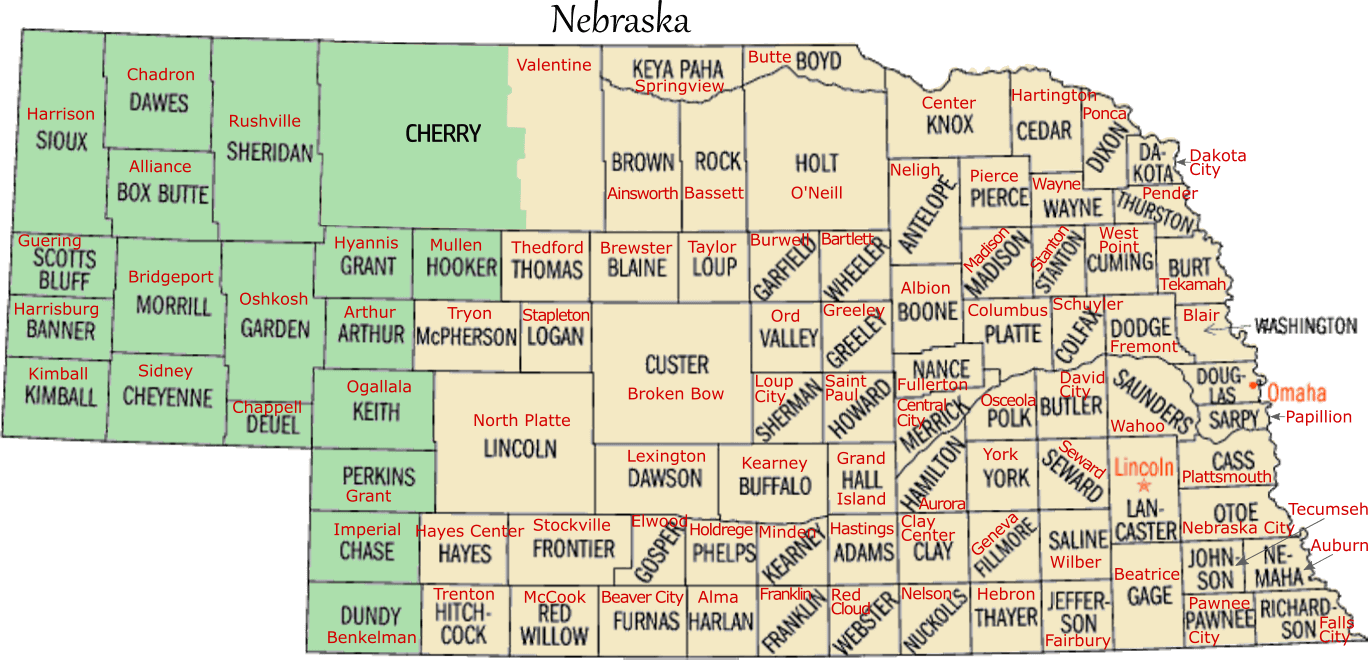
Understanding Time Zones and Daylight Saving Time in the United States
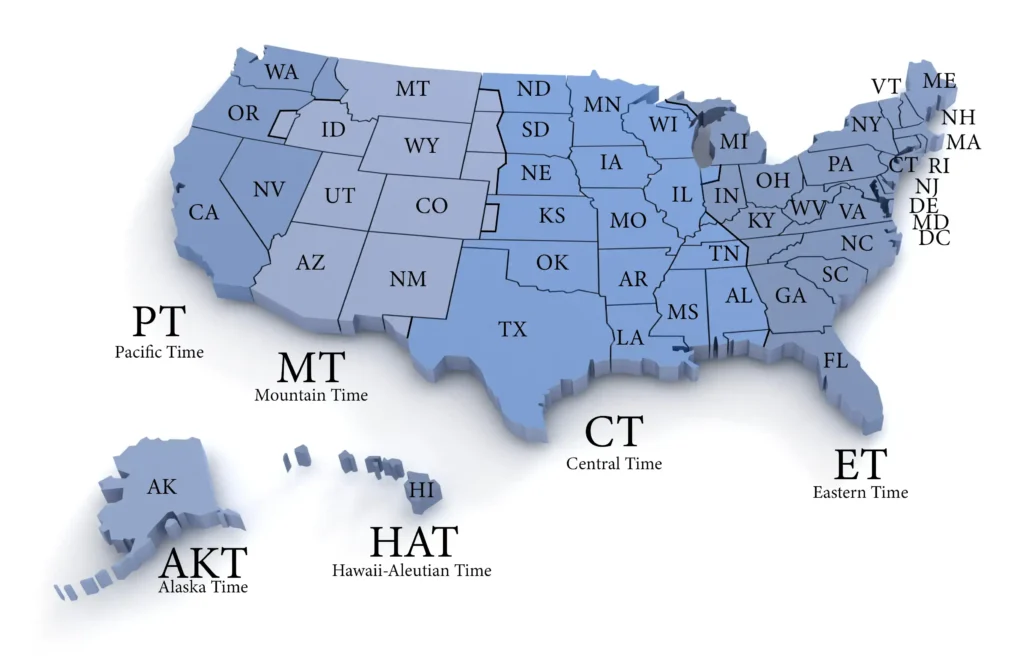
The United States operates on a system of standard time zones, established to standardize local time across vast geographical areas. These zones are generally defined by meridians of longitude, with each zone typically spanning 15 degrees of longitude. The primary time zones in the contiguous United States, moving from east to west, are Eastern, Central, Mountain, and Pacific. Nebraska primarily falls within the Central Time Zone, which is UTC-6 during standard time and UTC-5 during Daylight Saving Time.
The Rationale Behind Daylight Saving Time
Daylight Saving Time (DST) is a practice of advancing clocks during warmer months so that darkness falls at a later hour of the clock. The primary goal of DST is to make better use of daylight and reduce the need for artificial lighting in the evenings. While the concept originated in the early 20th century, its widespread adoption in the United States came with the Uniform Time Act of 1966. This federal law established a system for DST, allowing states to opt out entirely or observe it. The idea is that by extending daylight into the evening hours, it can contribute to energy conservation and provide more opportunities for outdoor activities after work or school.
The Uniform Time Act and State Autonomy
The Uniform Time Act of 1966 is the linchpin for understanding time zone observance in the U.S. It mandates DST for states that choose to observe it, but it also grants states the option to exempt themselves from DST and remain on standard time year-round. This autonomy is precisely why different regions, and even different counties within a state, can experience variations in time observance. For Nebraska, this means that while the majority of the state adheres to DST, there are nuances to consider.
Nebraska’s Time Zone and DST Observance
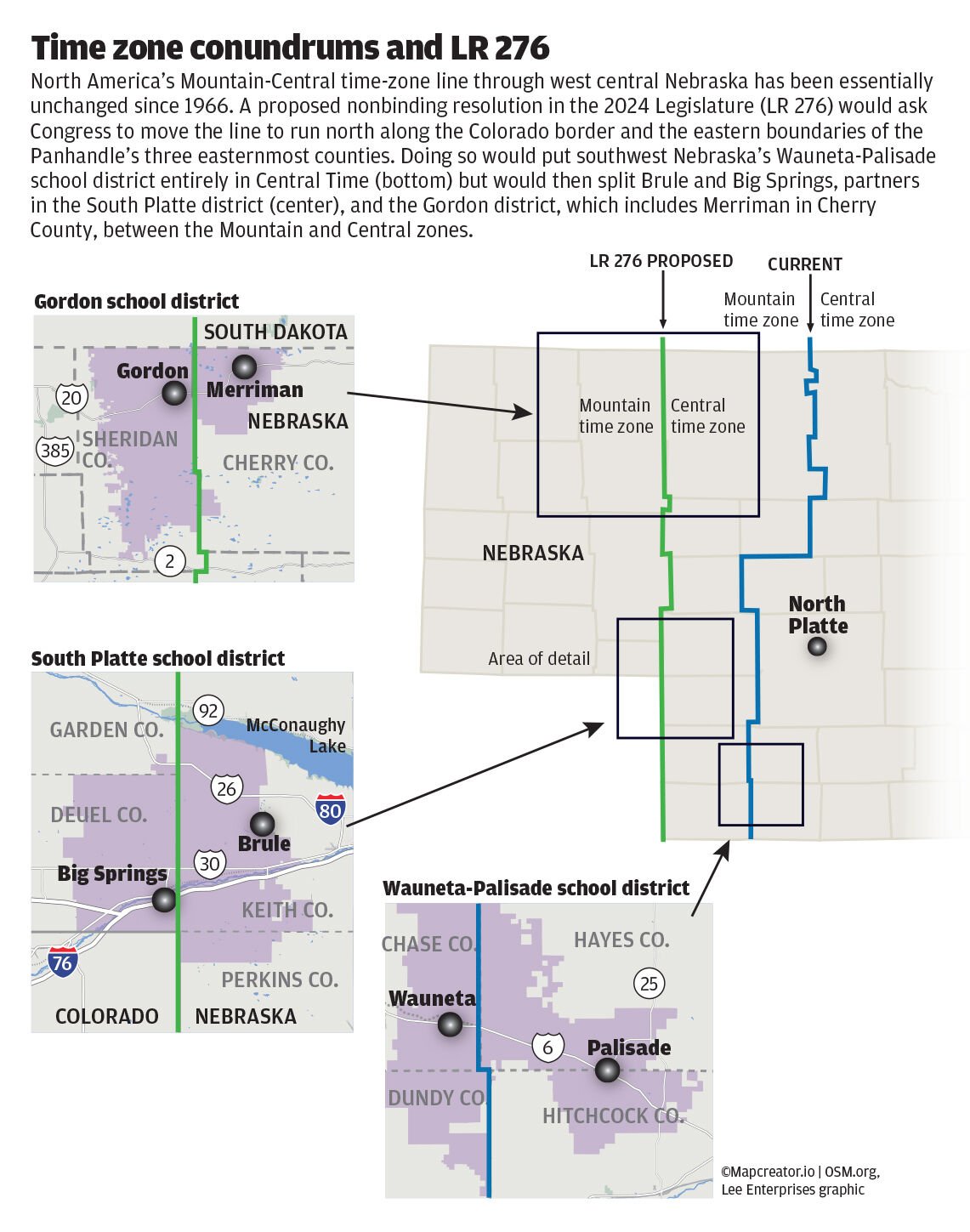
Nebraska, by and large, operates within the Central Time Zone. This means that for most of the year, the state is synchronized with major metropolitan areas like Chicago, Dallas, and Minneapolis. However, the question of “where does the time change in Nebraska?” becomes relevant when considering the historical context and specific observances related to DST.
The Majority Observes Daylight Saving Time
The vast majority of Nebraska counties and its population observe Daylight Saving Time. This means that from the second Sunday in March to the first Sunday in November, clocks are moved forward by one hour. This aligns the state with the broader DST schedule of the Central Time Zone, experiencing Central Daylight Time (CDT) during these months. For travelers, businesses, and residents, this is the standard temporal experience for most of Nebraska. This synchronization facilitates easier coordination with national schedules, transportation, and communication across the country.
Historical Context and the County Exception
Historically, there have been instances where parts of Nebraska have made different time zone choices. However, the most significant and enduring exception related to time in Nebraska involves Mesa County, Colorado, which is geographically in the Mountain Time Zone but was historically linked to the Denver market, which observes Mountain Time. While Mesa County is not in Nebraska, this example highlights how economic and social ties can influence time zone choices.
For Nebraska, the current situation is that the entire state operates within the Central Time Zone. There are no counties that officially observe Mountain Time. The “time change” in Nebraska, therefore, refers exclusively to the shift between Central Standard Time (CST) and Central Daylight Time (CDT). This standardized observance simplifies logistics and avoids the confusion that might arise from intra-state time differentials. The decision to observe DST is a statewide one, driven by the desire to align with the majority of other states and to capitalize on the perceived benefits of extended daylight.
Practical Implications for Travelers and Residents
The uniform observance of Daylight Saving Time across Nebraska simplifies matters for most, but it’s still crucial to be aware of the temporal shifts, especially when planning travel or coordinating with individuals in different time zones.
Navigating Time Changes for Travel
When traveling to or from Nebraska, understanding the DST schedule is paramount. For instance, if a traveler is coming from a state that does not observe DST, such as Arizona (with the exception of the Navajo Nation), they will need to adjust their watch upon entering Nebraska during the DST period. Conversely, if traveling from Nebraska to a state that observes DST, they will experience a similar adjustment. The switch to and from DST can sometimes lead to brief periods of confusion, particularly for individuals who are not accustomed to it. It is always advisable to verify local time with reliable sources, especially when arriving at an airport like Eppley Airfield in Omaha or Lincoln Airport.
Business and Daily Life Coordination
For businesses operating within Nebraska or with partners in other states, adhering to a consistent time zone and DST schedule is vital for effective communication and operations. Scheduling meetings, managing supply chains, and coordinating work shifts all rely on predictable temporal frameworks. The state’s decision to uniformly observe DST within the Central Time Zone provides this predictability. This uniformity ensures that businesses in Omaha, Lincoln, and Grand Island are all operating on the same temporal clock, minimizing potential miscommunications that could arise from varying time observances.
The Enduring Question of DST
Despite the current uniformity, discussions about the benefits and drawbacks of Daylight Saving Time continue nationwide. Arguments range from energy savings and increased outdoor recreation opportunities to potential disruptions in sleep patterns and impacts on certain industries. While Nebraska currently adheres to the federal DST schedule, the broader national conversation could, in the future, lead to changes in how the state observes time. For now, however, Nebraskans and visitors can rest assured that the “time change” in Nebraska refers solely to the biannual shift within the Central Time Zone.
In conclusion, the question of “Where Does The Time Change In Nebraska?” is primarily answered by understanding its consistent adherence to the Central Time Zone and its observance of Daylight Saving Time. While historical nuances might exist in the broader context of time zones, Nebraska today presents a unified temporal landscape. This uniformity simplifies daily life, business operations, and travel within the state, allowing its residents and visitors to navigate their schedules with a clear understanding of when and how the clocks shift.
LifeOutOfTheBox is a participant in the Amazon Services LLC Associates Program, an affiliate advertising program designed to provide a means for sites to earn advertising fees by advertising and linking to Amazon.com. Amazon, the Amazon logo, AmazonSupply, and the AmazonSupply logo are trademarks of Amazon.com, Inc. or its affiliates. As an Amazon Associate we earn affiliate commissions from qualifying purchases.