
Nebraska, often described as the “Cornhusker State,” is a vast and fascinating landscape located in the heart of the American Midwest. Its location, while perhaps not as immediately recognizable as coastal states or major mountain ranges, offers a unique perspective on the American experience, deeply rooted in its agricultural heritage, natural beauty, and surprisingly diverse cultural offerings. For travelers seeking an authentic glimpse into the soul of the nation, understanding where Nebraska lies and what it has to offer is the first step to uncovering its hidden treasures.
Geographical Positioning and Landscape
Nebraska’s position in the United States is a defining characteristic, influencing its climate, economy, and the very essence of its identity. Nestled squarely in the Great Plains region, it is a state defined by wide-open spaces, rolling prairies, and a sky that seems to stretch infinitely in all directions.
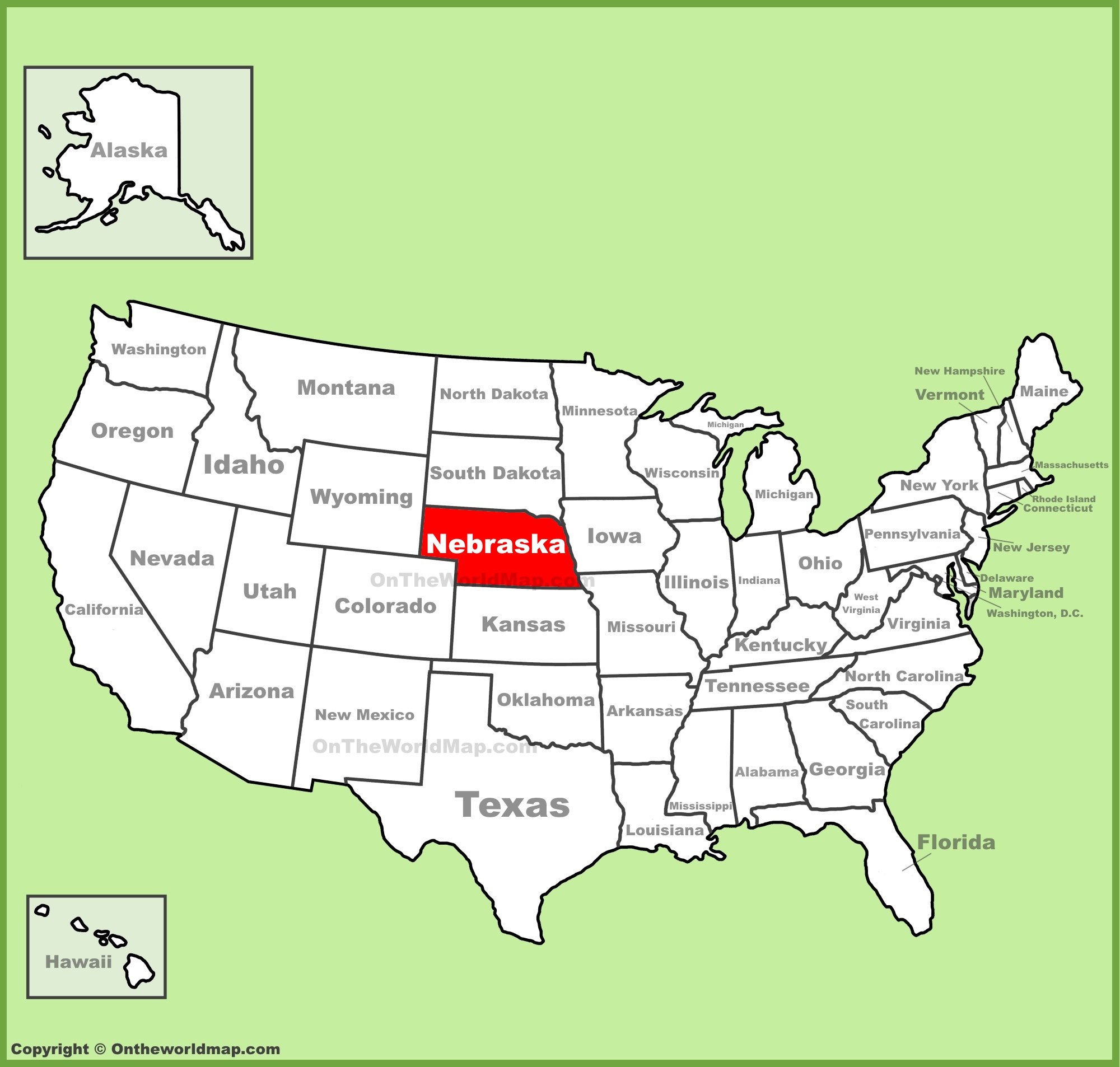
The Heartland of America
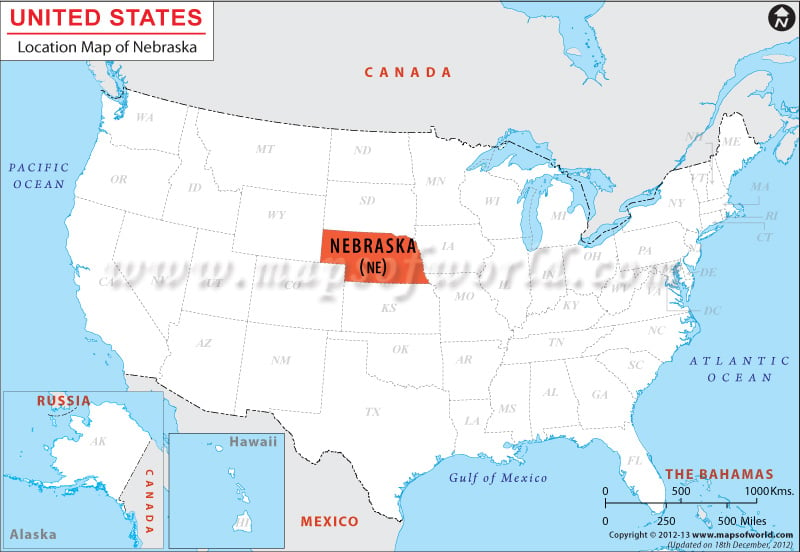
Strategically situated in the central United States, Nebraska occupies a pivotal position within the nation. It shares borders with six other states: South Dakota to the north, Iowa and Missouri to the east, Kansas to the south, Colorado to the southwest, and Wyoming to the west. This central location makes it a key transportation and agricultural hub. The eastern border is famously defined by the Missouri River, a vital waterway that has shaped the state’s development and continues to be a significant natural feature.
The Great Plains and Its Features
The dominant geographical feature of Nebraska is the Great Plains. This vast, relatively flat expanse of land is characterized by fertile soil, making agriculture the cornerstone of the state’s economy. While often perceived as flat, Nebraska’s landscape features a gentle westward incline, rising from the eastern plains towards the higher elevations of the Nebraska Sandhills and the western panhandle. The Sandhills, a unique and ecologically significant region, comprise millions of acres of rolling sand dunes stabilized by native grasses, supporting a complex ecosystem and a unique way of life. This area, unlike the stereotypical image of dry desert, is surprisingly lush due to the high water table beneath the sand.
Climate and Weather Patterns
Nebraska experiences a continental climate, characterized by distinct seasons and significant temperature variations. Summers are typically warm to hot, with high humidity, while winters are cold, often with snow. The state lies in a region prone to severe weather, including thunderstorms, tornadoes, and blizzards, particularly during the spring and summer months. Understanding these climatic patterns is essential for anyone planning a visit or appreciating the resilience of life in this region.
Major Cities and Population Centers
While Nebraska is renowned for its rural landscapes and agricultural roots, it is also home to vibrant cities that serve as hubs for culture, commerce, and community. These urban centers offer a glimpse into the state’s evolving identity, blending its historical foundations with modern progress.
Omaha: The Economic Powerhouse
Omaha, the largest city in Nebraska, is situated in the eastern part of the state, bordering Iowa along the Missouri River. It is the state’s primary economic engine, boasting a diverse economy with strengths in finance, insurance, transportation, and agriculture-related industries. Omaha is home to several Fortune 500 companies, including Berkshire Hathaway. Beyond its economic significance, Omaha offers a thriving cultural scene with museums, theaters, and a renowned culinary landscape. The Old Market district, with its cobblestone streets and historic architecture, is a popular destination for its shops, galleries, and restaurants.
Lincoln: The State Capital and Cultural Hub
Lincoln, the state capital, is located approximately 60 miles west of Omaha. It is the second-largest city in Nebraska and serves as a center for government, education, and culture. The University of Nebraska–Lincoln, the state’s flagship university, contributes significantly to the city’s intellectual and cultural vibrancy. Lincoln offers a charming downtown area, numerous parks, and a variety of recreational opportunities. The State Capitol Building, a striking Art Deco skyscraper, is a prominent landmark and offers panoramic views of the city.
Other Notable Communities
Beyond Omaha and Lincoln, Nebraska is dotted with numerous smaller cities and towns, each with its unique character and contribution to the state’s tapestry. Cities like Grand Island, Kearney, and Bellevue play important roles in their respective regions, supporting local economies and preserving local heritage. These communities, while smaller in scale, are vital to understanding the widespread appeal and livability of Nebraska.
Attractions and Natural Wonders
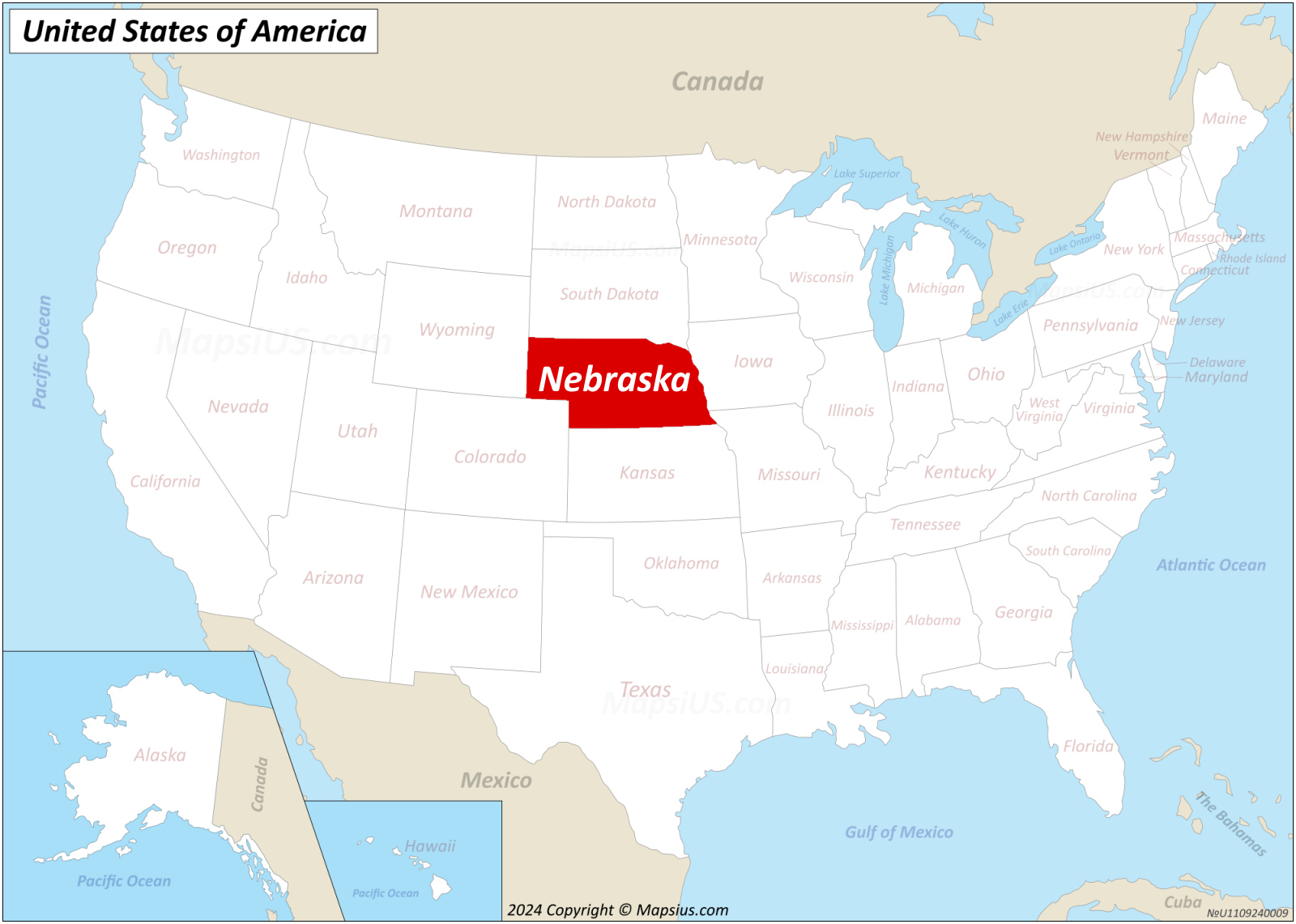
Despite its reputation for agriculture, Nebraska offers a surprising array of attractions and natural wonders that appeal to a wide range of interests. From historical sites to unique geological formations, the state provides ample opportunities for exploration and discovery.
The Nebraska Sandhills: A Unique Ecosystem
The vast expanse of the Nebraska Sandhills is a truly unique natural wonder. This region, covering about a quarter of the state, is a testament to the power of nature. Characterized by rolling sand dunes covered in hardy prairie grasses, it supports a remarkable diversity of plant and animal life. The Sandhills are also home to the largest area of grass-stabilized sand dunes in the Western Hemisphere. This region is ideal for those interested in nature photography, birdwatching, and experiencing a landscape unlike any other. The Niobrara River runs through a portion of the Sandhills, offering opportunities for kayaking and scenic drives.
Chimney Rock National Historic Site
A quintessential symbol of the American West, Chimney Rock is a prominent geological formation and a designated National Historic Site. Located in western Nebraska, this towering sandstone spire served as a vital landmark for pioneers traveling the Oregon Trail, California Trail, and Mormon Trail in the 19th century. Visitors can explore the interpretive center to learn about the history of westward expansion and the challenges faced by travelers, and walk the grounds to appreciate the grandeur of this iconic monument. Its presence on the prairie is a powerful reminder of the historical journeys that shaped the United States.
Scotts Bluff National Monument
Another significant landmark along the historical trails, Scotts Bluff National Monument features dramatic bluffs that rise over 800 feet above the surrounding North Platte River Valley. These imposing rock formations served as crucial navigational points for emigrants. The monument offers hiking trails with breathtaking views, a museum detailing the area’s natural and human history, and opportunities to explore pioneer trails. The drive to the summit provides spectacular vistas of the surrounding landscape.
Strategic Air Command & Aerospace Museum
For those interested in aviation and military history, the Strategic Air Command & Aerospace Museum, located between Omaha and Lincoln, is a must-visit. This museum houses an impressive collection of historic aircraft, including bombers, reconnaissance planes, and intercontinental ballistic missiles. It offers a fascinating look into the Cold War era and the technological advancements of air and space exploration.
Cultural Heritage and Local Experiences
Nebraska’s culture is deeply intertwined with its history, its land, and the diverse communities that call it home. Experiencing this heritage provides a richer understanding of the state’s identity and the values that shape its people.
Agricultural Roots and Modern Farming
As the “Cornhusker State,” agriculture is more than just an industry in Nebraska; it’s a way of life. The state is a leading producer of corn, soybeans, beef, pork, and poultry. Visitors can gain insight into this vital sector by visiting local farms, attending agricultural fairs, or exploring the many roadside stands that offer fresh, locally grown produce. Understanding the dedication and innovation involved in modern farming provides a deep appreciation for the state’s foundation.
Native American History and Culture
Nebraska has a rich Native American history, with various tribes having inhabited the region for centuries. Sites like the Pawnee National Grassland and the Museum of American Indian Culture in Omaha offer opportunities to learn about the traditions, stories, and enduring legacy of these indigenous peoples. Understanding their historical presence and ongoing cultural contributions is crucial to a comprehensive view of Nebraska.
Arts, Music, and Festivals
Despite its rural image, Nebraska boasts a vibrant arts and culture scene. Omaha, in particular, is a hub for live music, theater, and visual arts, with venues like the Omaha Symphony and the Joslyn Art Museum offering world-class performances and exhibitions. Throughout the year, various festivals celebrate the state’s heritage, from the annual College World Series in Omaha to smaller community events showcasing local crafts, food, and music. These events are excellent opportunities to connect with the local culture and experience the warmth of Nebraskan hospitality.
The Great Platte River Road Archway Monument
Spanning Interstate 80 near Kearney, the Great Platte River Road Archway Monument is an architectural marvel and a unique historical attraction. This elevated museum tells the story of those who traveled west along the Platte River Valley, including pioneers, Native Americans, and modern travelers. The interactive exhibits provide an engaging journey through the history of transportation and westward expansion in Nebraska, all while offering stunning views of the surrounding prairie. It stands as a fitting metaphor for Nebraska’s role as a corridor of history and connection.
LifeOutOfTheBox is a participant in the Amazon Services LLC Associates Program, an affiliate advertising program designed to provide a means for sites to earn advertising fees by advertising and linking to Amazon.com. Amazon, the Amazon logo, AmazonSupply, and the AmazonSupply logo are trademarks of Amazon.com, Inc. or its affiliates. As an Amazon Associate we earn affiliate commissions from qualifying purchases.