
Understanding the financial landscape of any destination is crucial for both casual visitors and seasoned travelers. When planning a trip to the Silver State, one of the key considerations that can impact your budget is sales tax. Nevada’s sales tax system is multifaceted, varying not only by state but also by county and even specific jurisdictions within those counties. This nuanced approach ensures that tax revenue can be allocated to support local services and infrastructure, making it essential for travelers to be aware of the rates that will apply to their purchases, from hotel stays in Las Vegas to souvenirs in Reno.
The sales and use tax in Nevada is not a single, fixed percentage. Instead, it’s a combination of state, county, and special district taxes, all contributing to the overall rate you’ll encounter at the point of sale. This means that while the state mandates a baseline tax, local governments have the authority to impose additional taxes, leading to a range of rates across different areas. For travelers, this translates to a need to be informed about the specific location within Nevada they will be visiting, as even a short drive can mean a change in the tax burden on their spending. This article aims to demystify Nevada’s sales tax structure, providing a comprehensive overview for travelers to better plan their finances and make informed purchasing decisions.
Understanding Nevada’s Sales Tax Structure
Nevada’s sales and use tax system is characterized by its tiered structure, reflecting a collaborative effort between the state and its counties to fund public services. The state-imposed portion is a foundational element, but the significant variations arise from the local add-ons. These local taxes are often crucial for funding essential services such as education, public safety, and infrastructure development within specific communities. For a traveler, this means that the price tag on goods and services can fluctuate depending on the exact geographical area within the state. For instance, a purchase made in the bustling entertainment district of Las Vegas might carry a different tax rate than a quiet purchase in a more rural county.
State Sales Tax
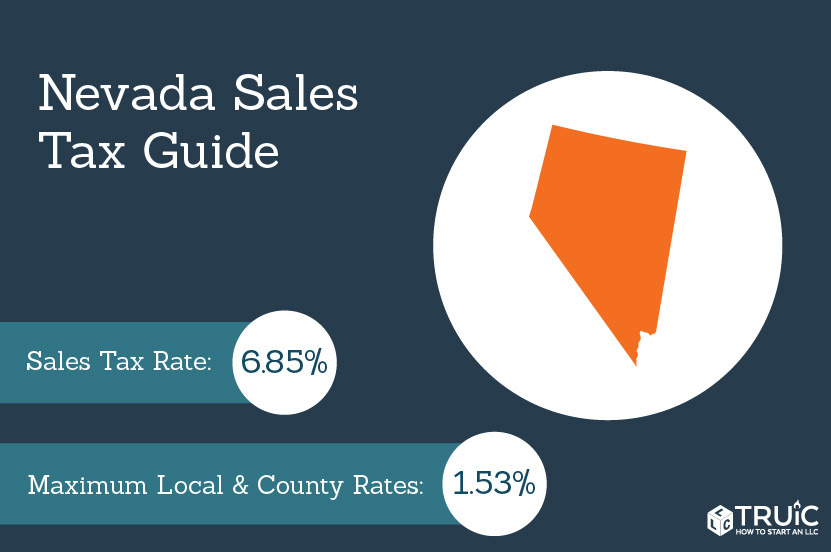
The state of Nevada imposes a base sales tax rate that applies across all counties. This rate is fundamental to the overall tax calculation and serves as the starting point for determining the final amount due. While this state-level tax is uniform, it is important to remember that it is only one component of the total sales tax burden. The revenue generated from this state tax is primarily directed towards state-level initiatives and programs, contributing to the broader financial health of Nevada. For travelers, this baseline rate provides a predictable element, but the subsequent local taxes are where the complexities and variations emerge, necessitating a deeper dive into county-specific rates.
County and Local Tax Additions
Beyond the state’s base rate, each county in Nevada is authorized to levy its own sales and use taxes. These county taxes can be further augmented by special district taxes, which are often implemented to fund specific projects or services within a particular area, such as transportation improvements or local infrastructure. This layering of taxes is the primary reason for the varying sales tax rates observed across Nevada. For a tourist, this means that the sales tax applied to a souvenir purchased in Henderson might differ from one bought in Carson City, even though both are within Nevada. The ability of local governments to impose these additional taxes allows them to tailor revenue generation to their unique needs and priorities, impacting the final cost of goods and services for everyone, including visitors.
Sales Tax Rates by County and Major Cities
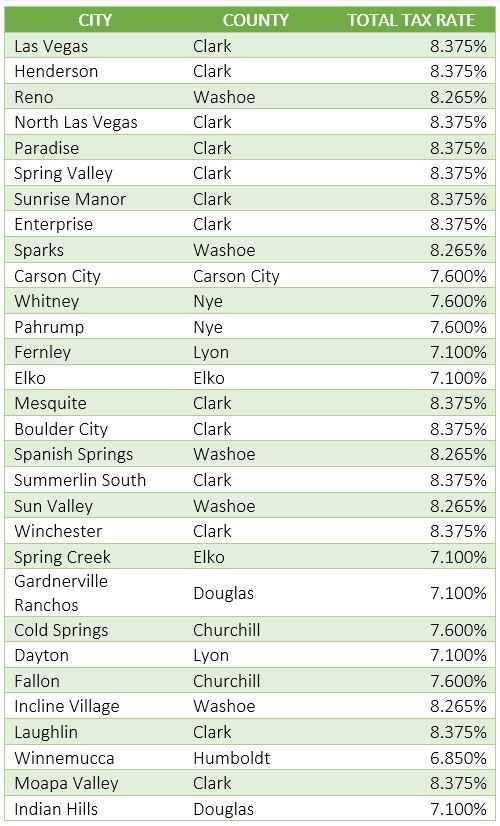
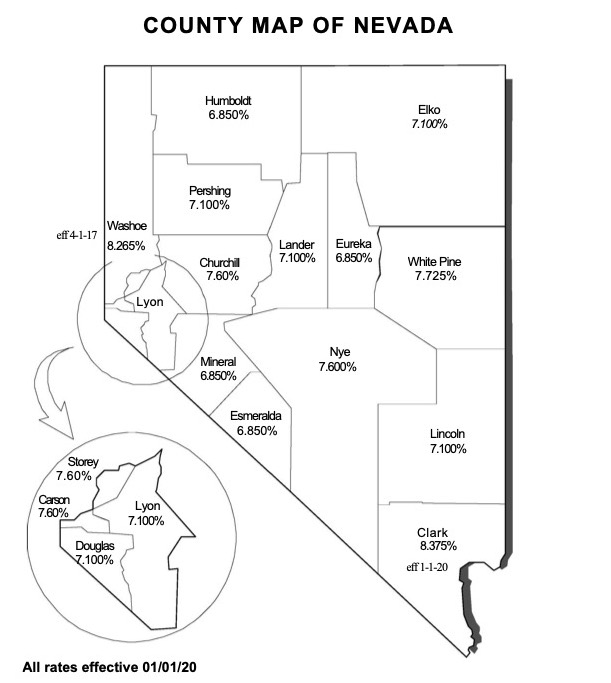
The diverse landscape of Nevada’s sales tax is best understood by examining the rates across its various counties and their principal cities. While the state rate forms the base, the local add-ons create a patchwork of varying percentages. Travelers visiting popular destinations like Las Vegas, Reno, or Henderson will encounter the highest rates due to the combination of state, county, and special district taxes designed to support the extensive infrastructure and services these areas provide. Understanding these regional differences is key to accurate budgeting for any trip within the Silver State.
Clark County
Clark County, home to the globally renowned Las Vegas Strip, typically has one of the highest combined sales tax rates in Nevada. This reflects the significant demand for public services and infrastructure needed to support its massive tourism industry. The rates in Las Vegas and surrounding cities like Henderson and North Las Vegas are influenced by state, county, and various special district taxes. For visitors staying at lavish resorts or enjoying the vibrant nightlife, these higher rates will apply to dining, entertainment, shopping, and even hotel accommodations. It’s crucial for travelers to factor these rates into their spending plans, as the cumulative effect on a vacation budget can be substantial.
Las Vegas and Surrounding Areas
In Las Vegas and its immediate vicinity within Clark County, the sales tax rate is often among the highest in the state. This is a direct consequence of the various local taxes implemented to fund the extensive infrastructure and services required by a world-class tourist destination. When you purchase a meal at a fine dining restaurant, buy tickets to a show on the Las Vegas Strip, or pick up souvenirs, you will be subject to this combined rate. Similarly, hotel stays in popular areas like Paradise, which encompasses much of the Strip, are also subject to this tax, contributing to the overall cost of accommodation. While exact rates can fluctuate slightly due to specific special district boundaries, they generally hover at the upper end of Nevada’s sales tax spectrum.
Washoe County
Washoe County, which includes the state capital of Carson City and the city of Reno, also features a combined sales tax rate that is influenced by local additions to the state rate. While generally lower than the rates in Clark County, these rates are still significant for travelers. The revenue generated here supports regional infrastructure and public services, contributing to the quality of life and the operational efficiency of the area’s attractions and businesses. Travelers exploring the Truckee River region or enjoying the casinos in Reno should be mindful of these tax implications on their expenditures.
Reno and Surrounding Areas
The city of Reno, often dubbed “The Biggest Little City in the World,” and its surrounding areas within Washoe County have a sales tax rate that reflects a combination of state, county, and potentially special district taxes. While this rate may be lower than that of Las Vegas, it is still a crucial factor for budgeting. Purchases made in downtown Reno, at resorts like the Grand Sierra Resort, or at local shops will be subject to this combined percentage. Understanding this rate helps travelers accurately calculate the final cost of goods, services, and accommodations during their stay in northern Nevada.
Taxable Goods and Services for Travelers
For the traveling public in Nevada, understanding what items and services are subject to sales tax is paramount to avoiding surprises. Broadly, most tangible personal property and certain services purchased within the state are taxable. This encompasses a wide range of expenditures that travelers are likely to incur, from dining out and entertainment to shopping for mementos and renting vehicles. The specific rate applied will, as previously discussed, depend on the county and city of purchase, but the general principle of taxation on these items remains consistent. Being aware of these categories can help in estimating trip costs more accurately and in making informed purchasing decisions.
Retail Purchases
The most straightforward category of taxable items for travelers includes general retail purchases. This covers everything from clothing and electronics to souvenirs and gifts bought in shops across Nevada. When you walk into a boutique in Reno, a souvenir shop on the Las Vegas Strip, or a convenience store anywhere in the state, the sales tax will be added to your bill. The price displayed on the shelf or tag typically does not include sales tax, so expect the final amount at the checkout to be higher. This is particularly relevant for impulse buys or when acquiring items that are part of a vacation experience, such as casino chips or themed merchandise.
Dining and Entertainment
Dining out and enjoying Nevada’s entertainment offerings are central to many travel experiences, and these sectors are also subject to sales tax. This includes meals purchased at restaurants, cafes, and bars, as well as tickets to shows, concerts, sporting events, and attractions. Whether you’re enjoying a gourmet meal at a celebrity chef restaurant in Las Vegas or attending a local event in a smaller town, the sales tax will be applied to the listed price. It’s advisable to factor this into the cost of your dining and entertainment budget, as these expenses can add up significantly over the course of a trip.
Accommodation and Services
Accommodation, such as hotel stays, is a significant expense for most travelers and is also subject to sales tax in Nevada. The room rate itself, before any resort fees or other charges, will have the applicable state and local sales tax added. This means that the advertised price of a room at a Las Vegas hotel or a Reno casino resort will be increased by the sales tax rate of its location. Additionally, certain services, like car rentals or even some spa treatments, may also be subject to sales tax, depending on the specific jurisdiction and the nature of the service. Always inquire or check your bill to confirm these charges.
Tips for Managing Sales Tax on Your Nevada Trip
Navigating the sales tax landscape in Nevada can seem complex, but with a few strategic considerations, travelers can manage this aspect of their budget effectively. Understanding the nuances of local rates, identifying potential tax exemptions, and planning purchases strategically can lead to savings and a more predictable financial experience. While sales tax is an unavoidable component of spending in Nevada, being informed empowers travelers to make smarter decisions and enjoy their trip without unexpected financial burdens.
Planning Purchases by Location
Given the variation in sales tax rates across different counties and cities in Nevada, strategic planning of your purchases can lead to minor savings. If you are undertaking a multi-city trip, for instance, consider making larger, non-essential purchases in areas with slightly lower sales tax rates, if feasible and convenient. While the difference may seem small on individual items, it can add up, especially for significant expenditures like electronics or clothing. Researching the rates in your intended destinations before you depart can provide a useful baseline for such planning.
Understanding Potential Exemptions
While most tangible goods and many services are taxable in Nevada, there are some limited exemptions. For instance, certain essential food items purchased from grocery stores for consumption off-premises are typically exempt from sales tax. However, prepared foods from restaurants or convenience stores are usually taxable. For travelers, understanding these specific exemptions, though often minor in scope for a typical tourist, can still be beneficial. It is always prudent to check with the retailer or consult official state resources if you have questions about the taxability of a specific item or service.
Budgeting for the Total Cost
The most effective way to manage sales tax is to incorporate it into your overall trip budget from the outset. Instead of just estimating the sticker price of items, mentally add the applicable sales tax rate to your anticipated spending on dining, shopping, entertainment, and accommodation. This proactive approach ensures that you have allocated sufficient funds and prevents any financial surprises during your vacation. By treating the sales tax as an integral part of the cost of goods and services, you can enjoy your Nevada experience with greater financial peace of mind, whether you’re exploring the Grand Canyon-Parashant National Monument or the casinos of Downtown Las Vegas.
LifeOutOfTheBox is a participant in the Amazon Services LLC Associates Program, an affiliate advertising program designed to provide a means for sites to earn advertising fees by advertising and linking to Amazon.com. Amazon, the Amazon logo, AmazonSupply, and the AmazonSupply logo are trademarks of Amazon.com, Inc. or its affiliates. As an Amazon Associate we earn affiliate commissions from qualifying purchases.