
Nevada, a state synonymous with vast desert landscapes, towering mountain ranges, and a glittering mosaic of urban entertainment, holds a unique place in the American tapestry. Beyond its iconic casinos and starkly beautiful natural wonders, the Silver State boasts a rich heritage and a deep connection to its indigenous wildlife. Understanding the state animal of Nevada offers a fascinating glimpse into the natural history and ecological significance that underpins the very identity of this distinctive region. It’s a symbol that encapsulates resilience, adaptation, and the untamed spirit of the West.
The Majestic Bighorn Sheep: Nevada’s Official Mammal
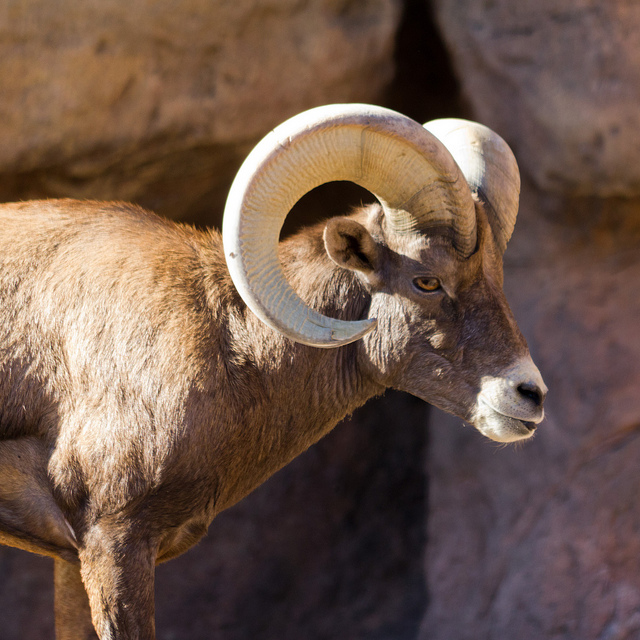
The designation of a state animal is rarely arbitrary. It’s a choice often reflecting the most iconic, historically significant, or ecologically vital species within a state’s borders. For Nevada, this honor belongs to the magnificent Bighorn Sheep (Ovis canadensis). This choice is not without merit; the Bighorn Sheep has long been a resident of the rugged terrains that define the state, embodying the very essence of the wild American West. Its presence is a testament to the enduring wildness that persists even in a state known for its development.
A Symbol of the Desert and Mountains
The selection of the Bighorn Sheep as Nevada’s state animal speaks volumes about the state’s diverse geography. These animals are perfectly adapted to the steep, rocky slopes of the Sierra Nevada mountains and the arid, rugged canyons and mountains found throughout the state. Their physical prowess—incredible agility, powerful horns, and keen eyesight—allows them to navigate treacherous terrain with remarkable ease, a characteristic that resonates with the pioneering spirit often associated with Nevada. They are creatures of resilience, thriving in environments that might seem inhospitable to many other species.
The Bighorn Sheep’s habitat in Nevada spans a considerable range, from the high alpine meadows of the Ruby Mountains to the arid, sun-baked badlands of the Mojave Desert. This adaptability showcases their ability to find sustenance and shelter in a variety of challenging conditions. Observing them in their natural environment is a profound experience, offering a connection to the wild heart of the state that is often overshadowed by its more celebrated attractions. They are a living embodiment of the raw, untamed beauty that draws so many to explore Nevada.
Historical Significance and Ecological Role
The Bighorn Sheep has held a significant place in the history of the region long before its official designation. Indigenous peoples of the Great Basin hunted and revered the Bighorn Sheep, integrating it into their cultures and spiritual practices. Archaeological evidence, such as ancient rock art and artifacts, attests to this deep, historical connection. The sheep were a vital source of food, clothing, and tools, and their powerful presence likely inspired awe and respect.
Ecologically, Bighorn Sheep play a crucial role in their environment. As herbivores, they help shape the vegetation patterns in their habitats. Their grazing can influence the growth and composition of plant communities, contributing to the overall health and balance of the ecosystem. Furthermore, they serve as prey for predators such as mountain lions, thereby forming an integral part of the food web. The conservation of Bighorn Sheep populations is therefore not just about protecting a single species, but about safeguarding the intricate ecological balance of Nevada’s natural landscapes.
Understanding the Bighorn Sheep: Characteristics and Behavior
To truly appreciate why the Bighorn Sheep is Nevada’s state animal, it’s essential to delve into its distinctive characteristics and fascinating behaviors. These animals possess a unique set of adaptations that have allowed them to thrive in their demanding environment for millennia. From their impressive horns to their social structures, every aspect of their existence speaks to a remarkable evolutionary journey.
Physical Adaptations for Survival

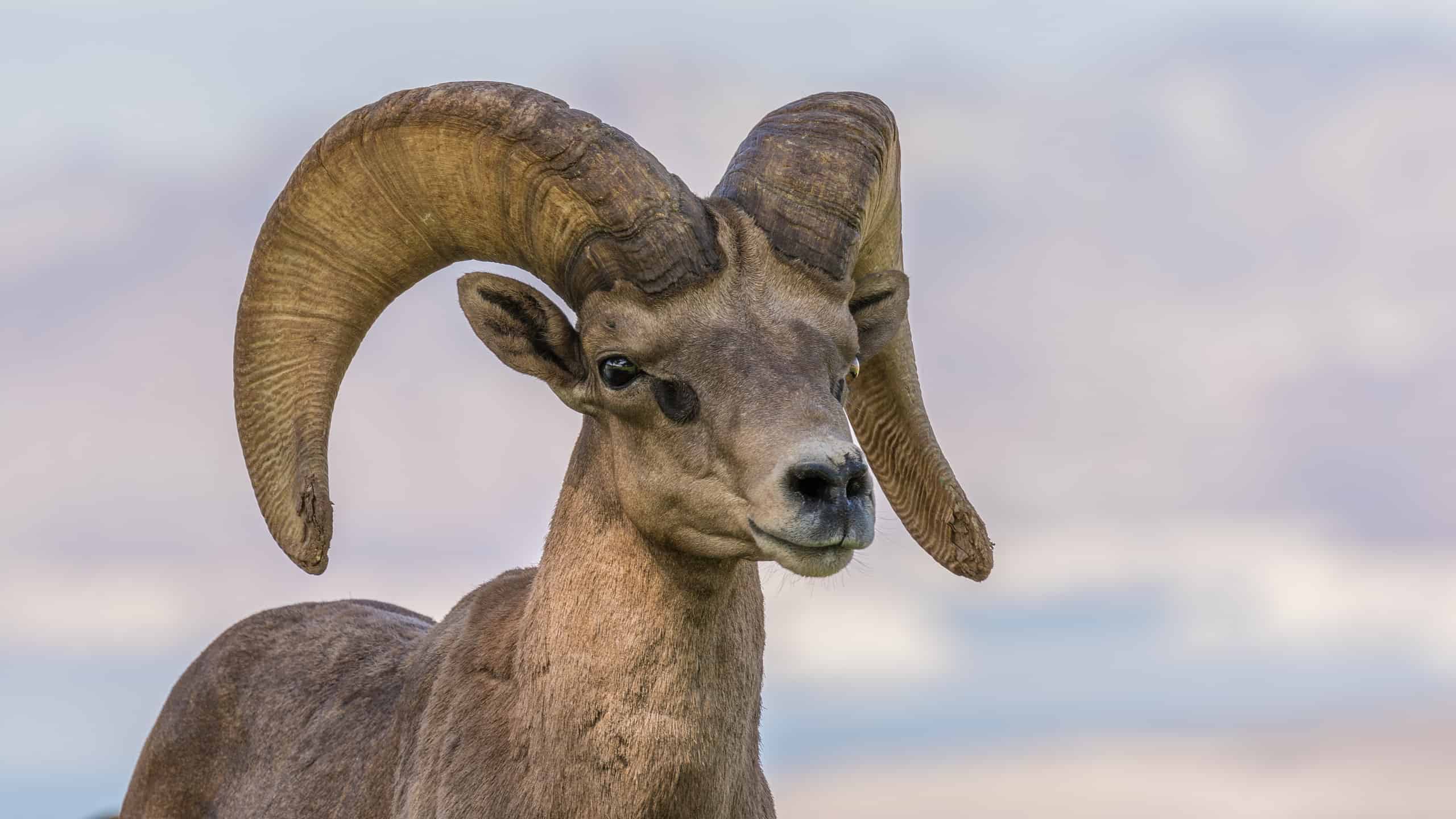
The most striking feature of the Bighorn Sheep, particularly in the males (rams), are their massive, spiraling horns. These horns, which grow throughout their lives, are not shed annually like those of deer. They serve multiple purposes, including defense against predators and, most famously, as weapons in dramatic battles between rams during the mating season. These clashes, often involving head-to-head impacts, are a testament to their strength and determination. The ewes also possess horns, though they are typically smaller and straighter.
Beyond their formidable horns, Bighorn Sheep have a suite of physical adaptations that enhance their survival. Their hooves are specially designed with a hard outer edge and a softer, rubbery inner pad, providing exceptional grip on steep and rocky surfaces. Their eyesight is remarkably acute, allowing them to spot predators from great distances. Their digestive system is efficient, enabling them to extract maximum nutrients from the sparse vegetation available in their arid and semi-arid habitats. Their thick, woolly coats provide insulation against the cold mountain winters and can be shed as temperatures rise in the summer.
Social Structure and Life Cycle
Bighorn Sheep exhibit a fascinating social structure that influences their daily lives and reproductive success. For most of the year, rams and ewes live in separate herds. Rams form bachelor groups, while ewes live with their lambs and other females. This segregation is primarily driven by the rut, or mating season, which typically occurs in the fall. During this period, rams engage in intense competition, fighting for dominance to gain breeding rights.
Once pregnant, ewes seek out secluded, safe areas, often high on inaccessible ledges, to give birth to their lambs. Lambs are precocial, meaning they are born with the ability to walk and run shortly after birth, a crucial advantage for survival in predator-rich environments. They remain with their mothers, learning essential survival skills. As the lambs grow, they gradually integrate into the larger ewe herds. The life cycle of the Bighorn Sheep is a continuous testament to adaptation, with each stage of life finely tuned to the demands of their environment.
Conservation Efforts and the Future of Nevada’s State Animal
While the Bighorn Sheep embodies the wild spirit of Nevada, its populations have faced significant challenges throughout history. Understanding these challenges and the ongoing conservation efforts is vital to ensuring the continued presence of this majestic creature in its native habitat. The future of Nevada’s state animal is a story of human responsibility and ecological stewardship.
Threats Facing Bighorn Sheep
Historically, Bighorn Sheep populations have been impacted by a variety of factors, including overhunting by early settlers and the introduction of domestic livestock. The latter brought new diseases to which wild sheep had little immunity, leading to devastating population declines. Habitat fragmentation, caused by human development such as roads and subdivisions, also poses a threat by isolating populations and reducing access to vital resources like water and forage.
More recently, diseases, often transmitted from domestic sheep and goats, remain a significant concern. Climate change also presents an evolving challenge, potentially altering vegetation patterns and water availability in their crucial habitats. The competition for resources with other herbivores, including feral horses and burros, can further strain the delicate ecological balance.
Protecting and Preserving the Species
Fortunately, concerted conservation efforts have been underway for decades to protect and restore Bighorn Sheep populations across Nevada and beyond. State and federal agencies, along with dedicated non-profit organizations, work collaboratively on various initiatives. These include monitoring populations, conducting research into disease transmission and prevention, and implementing habitat restoration projects.
Efforts to manage disease outbreaks, such as vaccinating domestic sheep in areas adjacent to wild sheep ranges, are crucial. Restoring and protecting vital water sources, especially in arid regions, is another key component of conservation. Furthermore, managing human encroachment and promoting responsible land use practices are essential for long-term survival. The Bighorn Sheep’s designation as Nevada’s state animal serves as a constant reminder of the importance of preserving these wild spaces and the iconic species that call them home. By understanding and supporting these conservation endeavors, we can help ensure that the majestic Bighorn Sheep continues to roam the rugged landscapes of Nevada for generations to come, a proud symbol of the state’s enduring wild heritage.
LifeOutOfTheBox is a participant in the Amazon Services LLC Associates Program, an affiliate advertising program designed to provide a means for sites to earn advertising fees by advertising and linking to Amazon.com. Amazon, the Amazon logo, AmazonSupply, and the AmazonSupply logo are trademarks of Amazon.com, Inc. or its affiliates. As an Amazon Associate we earn affiliate commissions from qualifying purchases.