
The answer to the question, “What is the state flower for Nevada?” is a vibrant and enduring symbol of the Silver State’s unique character and natural beauty. While many states boast common floral emblems, Nevada’s choice holds a special place, deeply rooted in the state’s history, geography, and the very essence of its rugged landscape. The official state flower of Nevada is the Sagebrush. This unassuming yet resilient plant has earned its esteemed position, reflecting the hardy spirit and natural splendor that define this fascinating western state.
The Unassuming Majesty of Sagebrush
The choice of Sagebrush as Nevada’s state flower is far from arbitrary. It speaks volumes about the state’s arid climate, its expansive deserts, and the hardy flora that thrives under challenging conditions. Unlike more flamboyant blooms, Sagebrush embodies a quiet strength and an inherent adaptability, qualities that resonate with the pioneering spirit of Nevada’s history and the resilience of its people.
Botanical Identity and Characteristics
- Scientific Name: Artemisia tridentata
- Common Names: Big sagebrush, Great Basin sagebrush, sagebrush, black sagebrush, silver sagebrush
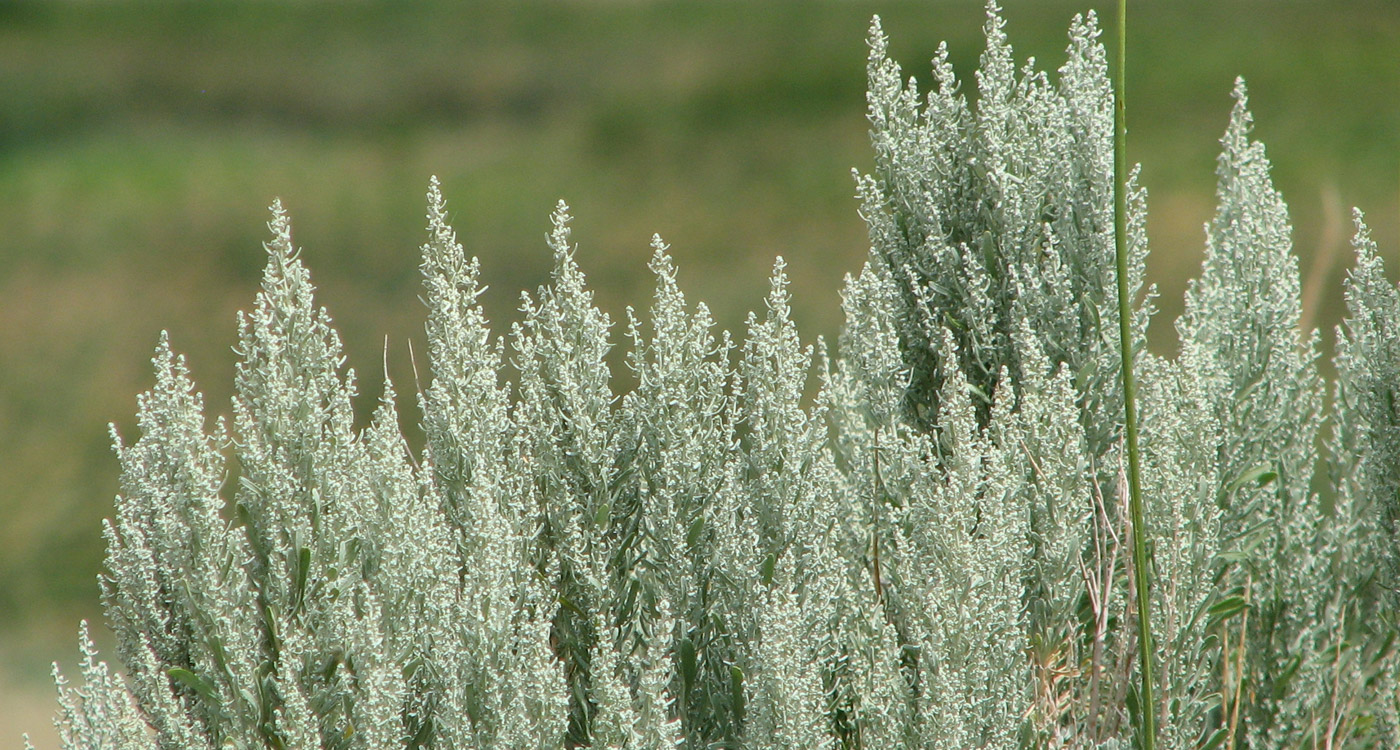
- Description: Sagebrush is a perennial woody shrub belonging to the daisy family (Asteraceae). It is characterized by its silvery-gray foliage, which is often divided into three lobes, giving rise to its scientific name, tridentata, meaning “three-toothed.” The leaves are aromatic, releasing a distinct, pungent fragrance, especially when crushed or after a rain. This scent is a quintessential part of the Great Basin landscape.
- Growth Habit: Sagebrush can vary in size, from low-growing, sprawling bushes to taller, more upright shrubs, typically reaching heights of 1 to 5 feet, though some can grow up to 15 feet. It is a slow-growing plant, adapting to the nutrient-poor soils and low rainfall typical of its native habitat.
- Reproduction: The plant produces small, inconspicuous flowers in late summer or fall. These flowers are wind-pollinated and develop into tiny, achene fruits. Its ability to reproduce effectively in its arid environment further highlights its suitability as a state symbol.
Ecological Significance
Sagebrush is a keystone species in the desert ecosystems of the American West, and particularly in Nevada. It forms the dominant vegetation cover in vast areas, creating vital habitats and food sources for a remarkable array of wildlife.
- Habitat for Wildlife: The dense, woody structure of Sagebrush provides essential shelter and nesting sites for numerous bird species, including the greater sage-grouse, which is critically dependent on this plant for survival. Small mammals, reptiles, and insects also rely on Sagebrush for protection from predators and the harsh elements.
- Food Source: The leaves and seeds of Sagebrush are a crucial food source for various herbivores, most notably pronghorn antelope and various species of deer. The greater sage-grouse also consumes sagebrush leaves and buds.
- Soil Stabilization and Water Conservation: Its extensive root systems help to anchor the soil, preventing erosion in the often-unstable desert terrain. The plant’s adaptation to conserve water contributes to the overall health and water cycle of the arid regions where it flourishes.
The Designation of Nevada’s State Flower
The journey of Sagebrush to becoming Nevada’s state flower involved recognition of its widespread presence and its deep connection to the state’s natural identity. While the specific legislative details of its designation might be less widely publicized than other state symbols, its adoption was a natural reflection of its ubiquity and ecological importance.
Historical Context and Adoption
Sagebrush has been an integral part of the Nevada landscape for millennia, utilized by indigenous peoples for various purposes, including medicinal uses and as a source of fuel. Its iconic presence was undeniable as settlers arrived and began to explore and develop the vast territories of Nevada.
The formal designation of state flowers often occurs through legislative action, where lawmakers choose symbols that represent the state’s heritage, geography, and spirit. The Sagebrush was officially designated as the state flower of Nevada in 1959. This was a deliberate choice to honor a plant that so profoundly defines the visual and ecological character of the state. It was a recognition of its resilience, its beauty in its own right, and its critical role in the desert ecosystem.
Symbolism and Representation
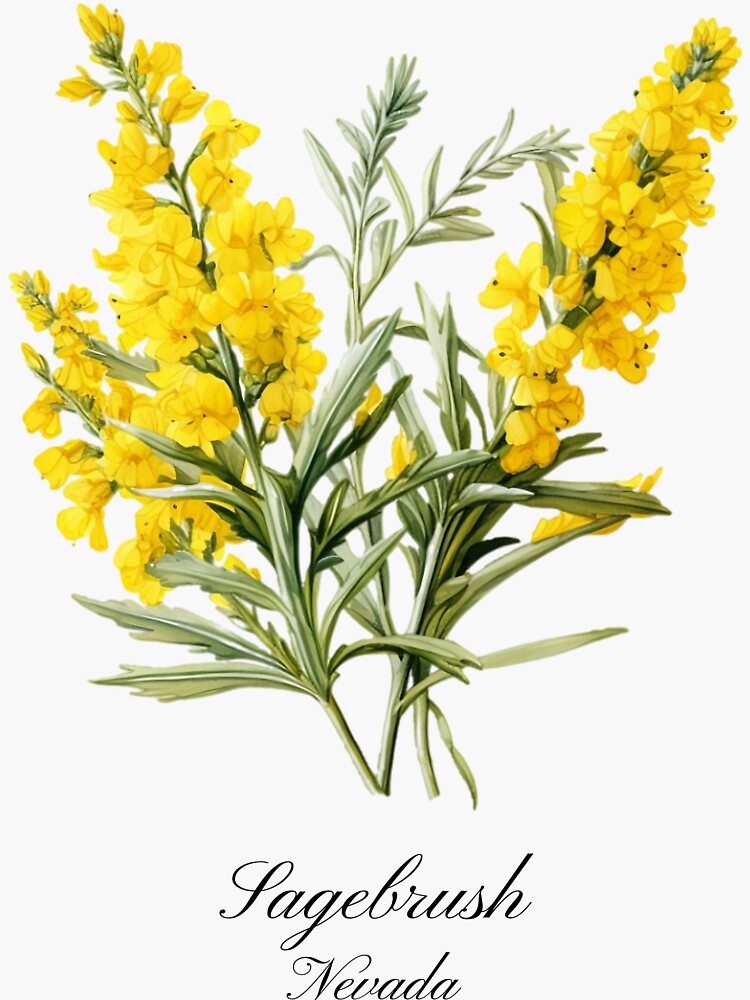
The Sagebrush embodies several key aspects of Nevada‘s identity:
- Resilience and Adaptability: Its ability to thrive in extreme arid conditions, with scarce water and intense heat, mirrors the resilience and perseverance of the people who settled and continue to live in Nevada.
- Natural Beauty: While not as showy as some other floral emblems, the silvery-green foliage and the subtle fragrance of Sagebrush offer a unique and characteristic beauty that is deeply tied to the vast, open landscapes of Nevada. It represents a raw, untamed beauty that is often overlooked but profoundly impactful.
- Connection to the Land: The plant is intrinsically linked to the history and development of Nevada, from the indigenous peoples who first inhabited the land to the pioneers who navigated its challenging terrain. It is a living testament to the state’s natural heritage.
- Western Spirit: Sagebrush is an iconic symbol of the American West, evoking images of wide-open spaces, rugged individualism, and a deep connection to the natural world.
Experiencing Sagebrush in Nevada
For visitors and residents alike, encountering Sagebrush is an integral part of the Nevada experience. It is not just a flower but a landscape feature that defines the state’s visual identity and contributes significantly to its unique ecological tapestry.
Where to Find Sagebrush
Sagebrush is ubiquitous across much of Nevada. Its presence is a constant companion for anyone traveling through the state’s vast open spaces.
- Great Basin Desert: The Great Basin Desert, which covers a significant portion of Nevada, is the prime territory for Sagebrush ecosystems. Vast expanses of high desert plateau are dominated by this hardy shrub.
- National Parks and Monuments: While Nevada is known for its dramatic mountain ranges and iconic deserts, Sagebrush is a foundational element of the flora found in areas like Great Basin National Park. Here, visitors can observe Sagebrush in its natural habitat, often alongside other desert flora and fauna.
- Scenic Drives: Many of Nevada‘s scenic byways and highways traverse through Sagebrush country. Driving through the state, particularly on routes that skirt the edges of major basins or traverse higher desert plains, offers ample opportunities to witness extensive Sagebrush communities. Roads leading to places like Lake Tahoe from the desert interior will often pass through these landscapes.
- Rural Landscapes: Beyond designated parks, Sagebrush is a defining characteristic of the rural Nevada landscape, dotting ranches, open rangelands, and the spaces between small towns.
Understanding Its Role in Nevada Tourism and Culture
While Sagebrush might not draw tourists in the same way a towering mountain or a glittering casino might, its presence is fundamental to the overall appeal of Nevada as a destination.
- Authentic Western Experience: The sight and scent of Sagebrush are intrinsically linked to the authentic Nevada experience. For many, it evokes the romanticized imagery of the Old West, contributing to the state’s unique cultural identity.
- Outdoor Recreation: The ecosystems supported by Sagebrush are vital for a range of outdoor activities. Birdwatching, hiking, and wildlife viewing are popular pursuits where the Sagebrush environment plays a central role. Enthusiasts of the greater sage-grouse, for instance, specifically seek out areas where the plant thrives.
- Educational Opportunities: Understanding the ecological significance of Sagebrush provides a deeper appreciation for Nevada‘s natural heritage. Parks and visitor centers often offer interpretive programs that highlight the importance of this plant.
- Local Lore and History: The plant is woven into the local lore and history of Nevada, featuring in stories of pioneers, indigenous traditions, and the challenges of desert living.
Beyond the Bloom: The Enduring Legacy of Sagebrush
The designation of Sagebrush as Nevada‘s state flower is a testament to the state’s appreciation for its natural heritage, emphasizing that beauty and significance are not always found in the most obvious or extravagant forms. It highlights an ecological cornerstone, a symbol of resilience, and an enduring characteristic of the Silver State.
The Broader Context of State Symbols
State flowers, like other official state symbols such as state birds, state trees, and state mottos, serve as important identifiers. They are chosen to represent the unique qualities of each state, fostering a sense of pride and identity among its citizens and offering distinctive insights to visitors. The Sagebrush in Nevada stands as a prime example of a state symbol that is deeply intertwined with the state’s natural environment and its historical narrative. It is a symbol that, while perhaps less flamboyant than a rose or a tulip, carries a profound weight of meaning and ecological importance.

A Lasting Emblem of the Silver State
In conclusion, when one asks, “What is the state flower for Nevada?” the answer is Sagebrush (Artemisia tridentata). It is a fitting emblem for a state characterized by its vast, arid landscapes, its enduring spirit, and its profound connection to the natural world. The Sagebrush is more than just a plant; it is a defining feature of Nevada, a symbol of survival, and a testament to the quiet beauty that can be found in the most resilient of environments. Its ongoing presence across the state ensures that its legacy as Nevada‘s state flower will continue to inspire and inform for generations to come, reminding us of the importance of recognizing and celebrating the unique natural wonders that shape our identities.
LifeOutOfTheBox is a participant in the Amazon Services LLC Associates Program, an affiliate advertising program designed to provide a means for sites to earn advertising fees by advertising and linking to Amazon.com. Amazon, the Amazon logo, AmazonSupply, and the AmazonSupply logo are trademarks of Amazon.com, Inc. or its affiliates. As an Amazon Associate we earn affiliate commissions from qualifying purchases.