
The Sierra Nevada Mountain Range is a majestic and awe-inspiring mountain system that forms a crucial geographical and ecological backbone across a significant portion of western North America. Its name, translating from Spanish to “snowy mountain range,” is a fitting testament to its often snow-capped peaks and its role as a vital water source for surrounding regions. Understanding the precise location of the Sierra Nevada is paramount for anyone planning an adventure, seeking natural beauty, or simply wishing to grasp the geography of this iconic landscape. This range is not a singular, isolated entity, but rather a vast, interconnected chain of mountains stretching across thousands of miles, offering a diverse tapestry of environments and experiences.
Geographical Context and Extent
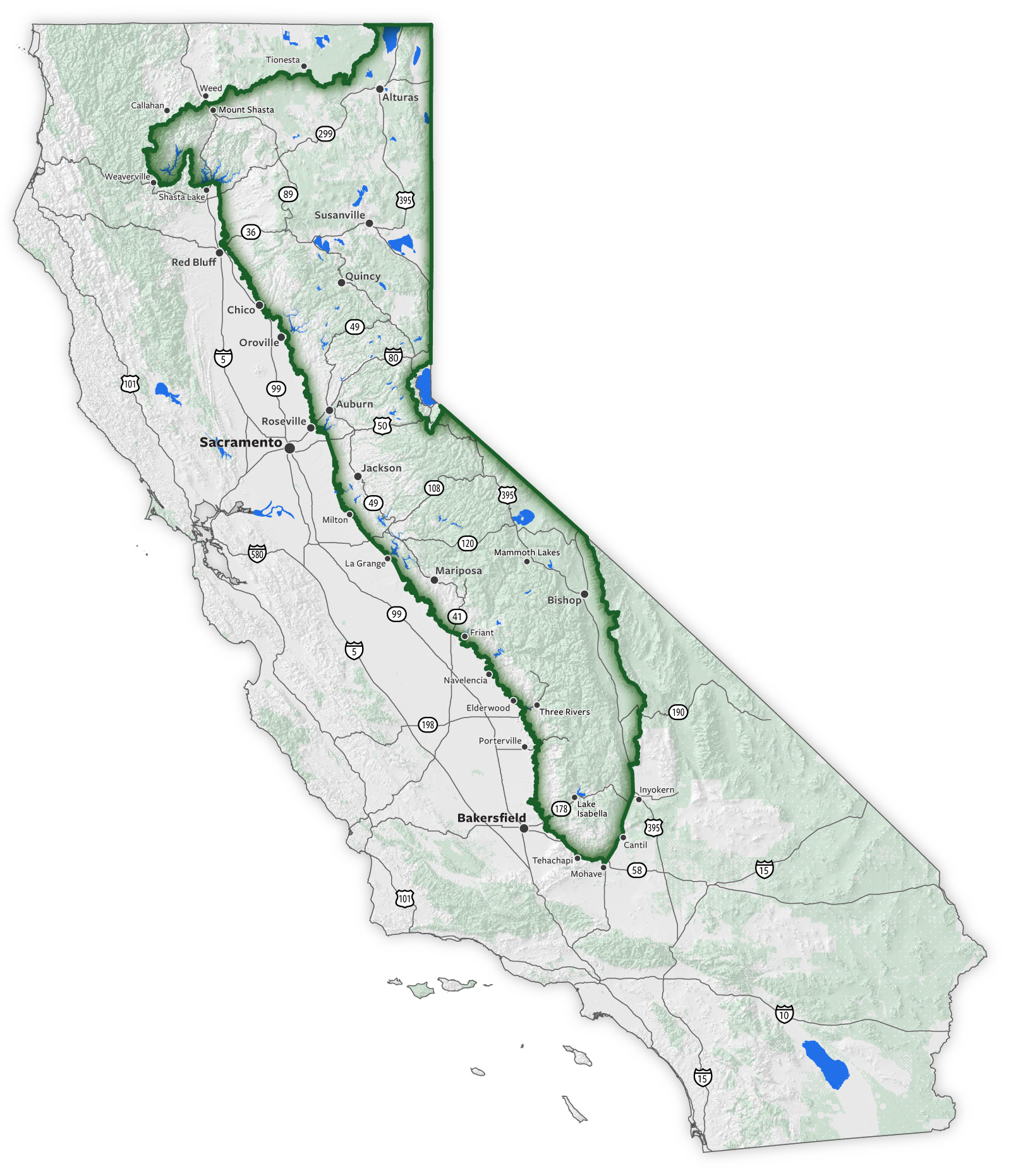
The Sierra Nevada Mountain Range is primarily located in the western United States, forming a significant part of the boundary between the Pacific Ocean states and the interior West. Its immense scale means it touches upon, or significantly influences, several states, each with its unique relationship to the range’s grandeur.
The Primary North-South Axis
The most defining characteristic of the Sierra Nevada’s location is its extensive north-south orientation. The range begins in the southern part of the U.S. state of California, near the Tehachapi Pass, and extends northward for approximately 400 miles (about 640 kilometers). This long, linear formation is a key feature that dictates its climate, ecosystems, and human interactions. As it progresses north, it gradually tapers and eventually merges into the southern Cascade Range in northern California. This continuous mountain chain is a geological marvel, sculpted by tectonic forces over millions of years.
East-West Boundaries and Neighboring Regions
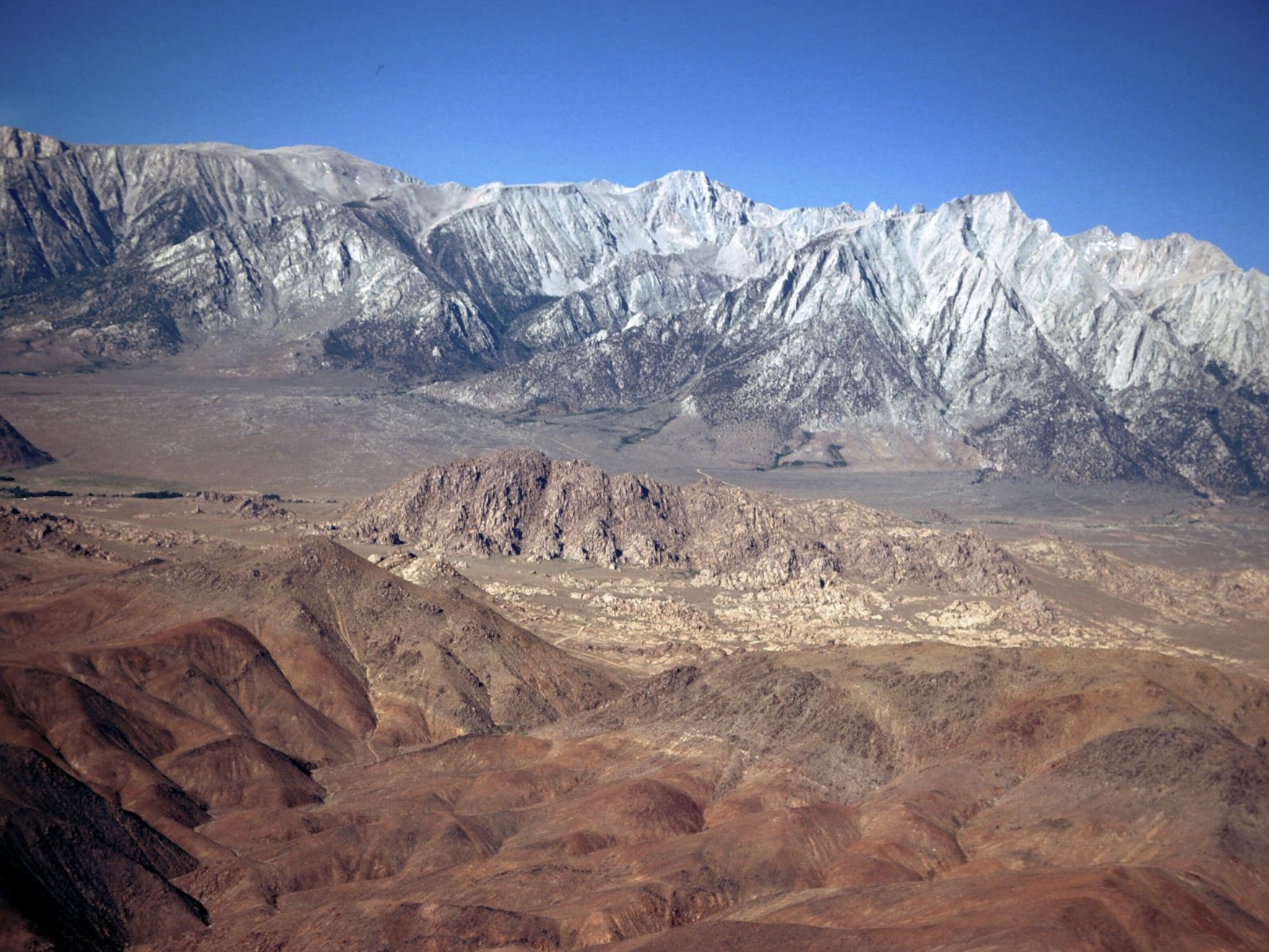
To understand the Sierra Nevada’s place in the broader geographical landscape, it’s essential to consider its east-west boundaries. To the west of the Sierra Nevada lie the fertile valleys of California, most notably the Sacramento Valley and the San Joaquin Valley. These valleys are crucial agricultural hubs, heavily reliant on the water runoff from the Sierra Nevada’s snowpack. To the east of the range, the landscape dramatically shifts. The eastern slopes of the Sierra Nevada descend into the arid Great Basin, a vast, high-desert region characterized by its internal drainage systems and stark, beautiful scenery. This stark contrast in topography and climate between the western foothills and the eastern deserts is a defining feature of the Sierra Nevada’s influence.
Key States and Regions Influenced
While the majority of the Sierra Nevada lies within California, its influence and geological extension are felt in neighboring areas. The northernmost reaches of the range can be considered to extend into the southern portion of the U.S. state of Oregon, where it transitions into the Cascade Range. The U.S. state of Nevada shares its eastern border with a significant portion of the Sierra Nevada, with the range forming a natural barrier between the state’s desert interior and its western population centers. Many communities in western Nevada, such as the capital city of Carson City, are directly at the foot of the Sierra Nevada.
Notable Features and Landmarks
The vastness of the Sierra Nevada is punctuated by a remarkable array of natural wonders, iconic landmarks, and protected areas that draw millions of visitors each year. These features are not merely geographical points but are integral to the identity and allure of the mountain range.
The Crown Jewels: National Parks
Two of the most famous and breathtaking national parks in the United States are situated within the heart of the Sierra Nevada. These parks are protected reserves, safeguarding some of the most pristine and spectacular alpine scenery in the world.
Yosemite National Park
Yosemite National Park is perhaps the most internationally renowned gem of the Sierra Nevada. Located in central California, it is celebrated for its immense granite cliffs, such as El Capitan and Half Dome, its giant sequoia groves, and its numerous waterfalls, including the iconic Yosemite Falls. The park’s geology, carved by ancient glaciers, presents a dramatic and unforgettable landscape.
Sequoia and Kings Canyon National Parks
Adjacent to each other in the southern Sierra Nevada, Sequoia National Park and Kings Canyon National Park are home to the largest trees on Earth: the giant sequoias. General Sherman Tree, the world’s largest tree by volume, resides in Sequoia National Park. Kings Canyon itself is a spectacular glacial canyon, deeper than the Grand Canyon in places. These parks protect vast tracts of old-growth forests and rugged mountain terrain.
High Sierra Peaks and Wilderness Areas
Beyond the national parks, the Sierra Nevada boasts a vast expanse of rugged peaks and designated wilderness areas, offering unparalleled opportunities for backcountry exploration and solitude.
Mount Whitney
The highest point in the contiguous United States, Mount Whitney, stands at an elevation of 14,505 feet (4,421 meters) and is located within the Inyo National Forest on the boundary between California and Nevada. Its summit is a popular but challenging destination for experienced hikers and mountaineers, offering panoramic views of the surrounding Sierra Nevada and the arid lands to the east.
Ansel Adams Wilderness and John Muir Wilderness
These vast wilderness areas, named after renowned nature photographer Ansel Adams and naturalist John Muir, preserve the wild character of the central and southern Sierra Nevada. They are traversed by the iconic John Muir Trail, a famous long-distance hiking trail that leads adventurers through some of the most spectacular high-alpine scenery. These areas are crucial for wildlife, biodiversity, and the preservation of a truly wild mountain environment.
Climate and Ecological Significance
The location of the Sierra Nevada dictates its climate and makes it a critical ecological zone, profoundly influencing the natural world and the human populations that depend on it.
The Snowpack’s Role in Water Supply
The Sierra Nevada’s high elevations and its abundant winter snowfall are the primary reason for its designation as a “water tower” for California and, to some extent, for parts of Nevada. The vast snowpack acts as a natural reservoir, storing water throughout the winter months. As temperatures rise in the spring and summer, this snow melts, feeding countless rivers and streams that flow westward into the agricultural valleys and eventually to the Pacific Ocean. This meltwater is crucial for irrigation, drinking water for millions, and maintaining the health of ecosystems downstream.
Diverse Ecosystems and Biodiversity
The elevation gradients across the Sierra Nevada create a remarkable diversity of ecosystems, ranging from chaparral and oak woodlands in the foothills to dense coniferous forests at mid-elevations, and finally to alpine meadows and barren rock at the highest altitudes. This variety of habitats supports a rich array of plant and animal life.
Flora and Fauna
In the lower elevations, one finds species adapted to drier conditions, while the mid-elevations are dominated by iconic trees like Ponderosa pines, incense cedars, and firs. As elevation increases, the trees become more stunted, eventually giving way to alpine meadows dotted with wildflowers in the short summer season. The Sierra Nevada is home to iconic wildlife, including black bears, mule deer, coyotes, and a variety of bird species. The giant sequoias, found in groves scattered across the western slopes, are a unique and ancient part of the Sierra Nevada’s flora, adapted to survive and even thrive with periodic fires.
Climate Patterns and Extremes
The Sierra Nevada acts as a significant weather divisor. The mountains force moist air from the Pacific Ocean to rise, cool, and release its moisture as precipitation, leading to much higher rainfall and snowfall on the western slopes compared to the rain shadow effect on the eastern side. This creates a stark contrast between the lush western flanks and the arid Great Basin. The range also experiences extreme weather conditions, including heavy snowfall in winter, potential for avalanches, and hot, dry summers that increase the risk of wildfires. Understanding these climatic patterns is vital for anyone visiting or living in or around the Sierra Nevada.
Access and Recreation
The location and natural beauty of the Sierra Nevada make it a prime destination for a wide range of outdoor recreational activities, attracting adventurers, families, and nature enthusiasts alike.
Major Transportation Corridors
Several key transportation routes traverse or run along the Sierra Nevada, providing access to its many attractions.
Highways and Mountain Passes
Major highways, such as U.S. Route 395 which runs along the eastern escarpment, and various state routes, cut through mountain passes, connecting communities and offering scenic drives. Tioga Pass, a seasonal high-elevation pass within Yosemite National Park (State Route 120), is a particularly spectacular route, though it is typically closed due to snow from late autumn to late spring. These routes are essential for accessing the interior of the range.
Popular Destinations and Activities
The Sierra Nevada offers a diverse array of activities catering to all levels of outdoor enthusiasm, from strenuous expeditions to leisurely sightseeing.
Hiking and Backpacking
The extensive network of trails, including the world-renowned Pacific Crest Trail which runs the length of the range, makes the Sierra Nevada a hiker’s paradise. From day hikes to multi-week backpacking trips, visitors can immerse themselves in the wilderness and witness its grandeur firsthand.
Skiing and Snow Sports
In winter, the Sierra Nevada transforms into a premier destination for snow sports. Numerous ski resorts, such as Mammoth Mountain Ski Area and resorts in the Lake Tahoe region, draw crowds with their abundant snowfall and challenging slopes. The Lake Tahoe basin, nestled within the northwestern Sierra, is a popular year-round destination, offering water sports in the summer and skiing in the winter.
Lake Activities and Fishing
The numerous alpine lakes and rivers within the Sierra Nevada provide opportunities for fishing, boating, kayaking, and swimming. The clarity and beauty of these mountain waters are a significant draw for many visitors seeking a refreshing escape.
In conclusion, the Sierra Nevada Mountain Range is a geographical marvel defined by its impressive north-south extent, its dramatic elevation changes, and its profound impact on the surrounding regions. Its precise location, primarily within California but influencing Nevada and Oregon as well, is the foundation for its ecological significance as a vital water source and a haven for biodiversity. From the iconic granite monoliths of Yosemite to the ancient groves of giant sequoias, the Sierra Nevada stands as a testament to the power and beauty of nature, inviting exploration and awe for generations to come.
LifeOutOfTheBox is a participant in the Amazon Services LLC Associates Program, an affiliate advertising program designed to provide a means for sites to earn advertising fees by advertising and linking to Amazon.com. Amazon, the Amazon logo, AmazonSupply, and the AmazonSupply logo are trademarks of Amazon.com, Inc. or its affiliates. As an Amazon Associate we earn affiliate commissions from qualifying purchases.