
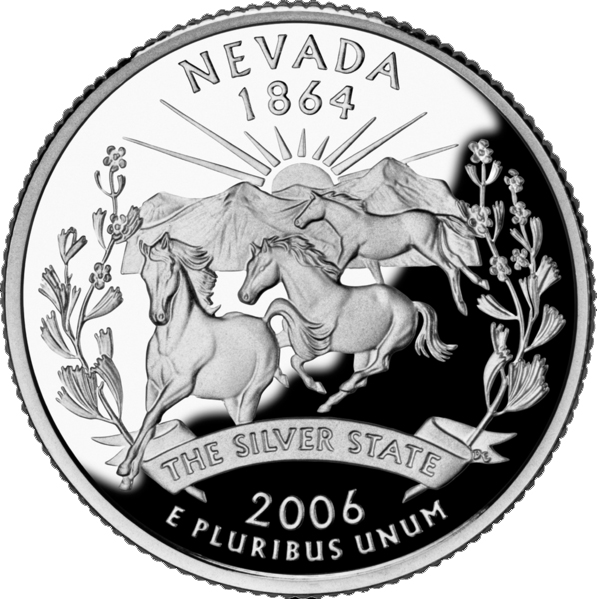
Nevada, a state renowned for its dazzling lights, vast deserts, and rich history, carries an evocative nickname: The Silver State. This moniker is not merely a poetic flourish but a direct testament to the state’s profound and transformative relationship with the discovery and extraction of silver. While modern perceptions might gravitate towards its entertainment hubs and natural wonders, understanding the origin of “The Silver State” is crucial to appreciating the historical bedrock upon which Nevada was built and the enduring legacy of its mineral wealth. This exploration delves into the historical context, the key discoveries, the boomtowns that sprang from the earth, and the lasting impact of silver on Nevada’s identity and development.
The Dawn of the Silver Rush: Unearthing the Treasure
The narrative of Nevada as the “Silver State” truly ignites in the mid-19th century, a period of intense westward expansion across the United States. While gold was certainly a draw, it was the discovery of vast quantities of silver that would irrevocably shape the destiny of this particular territory, and later, state. Prior to these monumental finds, the region was sparsely populated, primarily by Indigenous peoples and a scattering of pioneers. The arid landscape, though beautiful, offered little in terms of immediate economic promise until the earth yielded its hidden riches.
The Comstock Lode: A Fabled Discovery
The single most significant event that cemented Nevada’s silver identity was the discovery of the Comstock Lode in 1859. Located in the vicinity of present-day Virginia City, this immense vein of silver ore, intricately interwoven with gold, was an unprecedented find. Initially, the prospectors, brothers Ethan and Hosea Grosh, and later Henry Comstock, are credited with the initial, albeit somewhat chaotic, realization of the lode’s potential. The story of its discovery is often tinged with tales of luck, perseverance, and even a bit of geological misadventure, including the accidental draining of a water well that revealed the true extent of the ore.
The Comstock Lode was not just a single rich deposit; it was a complex network of veins that proved to be one of the most productive silver mines in history. The sheer volume and richness of the ore extracted from the Comstock were staggering, igniting a furious rush of prospectors, miners, and entrepreneurs from all walks of life. This influx of people would transform the nascent territory, laying the foundation for future cities and shaping the socio-economic landscape.
Early Mining Ventures and Territorial Growth
Before the Comstock Lode, there were earlier indications of mineral wealth. Small-scale mining operations for gold and some silver had been undertaken, but none approached the magnitude of the Comstock. The success of the Comstock not only validated the potential of Nevada’s geology but also provided the capital and impetus for further exploration. As silver was extracted, the need for infrastructure, supplies, and services surged, leading to the rapid growth of settlements. Towns like Carson City, which would become the state capital, and the aforementioned Virginia City, exploded in population and economic activity. The demand for timber for mine supports, transportation networks to move the ore and supplies, and financial institutions to manage the wealth all contributed to Nevada’s burgeoning economy.
The Rise of the Silver Barons and Boomtowns
The silver bonanza ushered in an era of immense wealth for a select few, who became known as the “Silver Barons.” These industrialists and financiers amassed fortunes from the Comstock Lode and other silver mining operations, wielding significant influence over the region and even national politics. Their lavish lifestyles and ambitious enterprises became legendary, mirroring the opulence often associated with the Gilded Age.
From Desert Outposts to Bustling Metropolises
The impact of silver mining on Nevada’s settlement patterns was profound. Areas that were once desolate stretches of desert transformed into bustling centers of commerce and culture. Virginia City, in particular, became a vibrant, albeit rough-and-tumble, city with a population that swelled into the tens of thousands. Saloons, theaters, grand hotels, and businesses sprang up to cater to the influx of miners and the newly wealthy. The wealth generated by silver allowed for the construction of impressive public buildings and private residences, many of which still stand today as testament to the era.
Other silver-producing regions also experienced their own booms. Towns like Tonopah, Goldfield, and Reno owe much of their early development to silver and gold discoveries. The cycles of boom and bust were characteristic of these mining towns; as rich veins were depleted, populations would shrink, and towns would decline, only for new discoveries to spark resurgence. This dynamic history of rapid growth and eventual transformation is a defining feature of Nevada’s frontier past.
Technological Advancements in Mining
The extraction of silver from the Comstock Lode and other mines was not without its challenges. The ore bodies were often deep, and the rock was hard. This necessitated significant technological innovation. Sophisticated mining equipment, including powerful steam engines for hoisting ore and pumping water, and advanced drilling techniques, were developed and employed. The deep shafts of the Comstock mines, some reaching thousands of feet below the surface, were feats of engineering for their time. The refinement of ore also saw advancements, with techniques like the patio process and the Washoe process becoming vital for extracting silver from the complex ores found in Nevada. These innovations not only increased the efficiency of silver production but also contributed to the broader technological development within the mining industry.
The Enduring Legacy of Silver in Nevada
While the peak of the silver boom may have passed, the legacy of “The Silver State” continues to resonate throughout Nevada’s identity and economy. The wealth generated by silver mining played a pivotal role in the state’s admission to the Union in 1864, a timely boost during the American Civil War. The financial resources derived from silver also helped to establish the infrastructure and institutions that supported Nevada’s long-term development.
Economic and Political Influence
The economic impact of silver mining was far-reaching. It fueled investment, created jobs, and attracted capital, laying the groundwork for future industries. The political influence of the Silver Barons was also significant, shaping legislation and policy that affected not only Nevada but also the national landscape. The demand for silver during certain periods, particularly when the U.S. government was actively purchasing it, created economic stability and prosperity for the state. Even as mining technology evolved and other minerals became more prominent, the historical precedence of silver wealth remained a defining characteristic.

Cultural Identity and Modern Perception
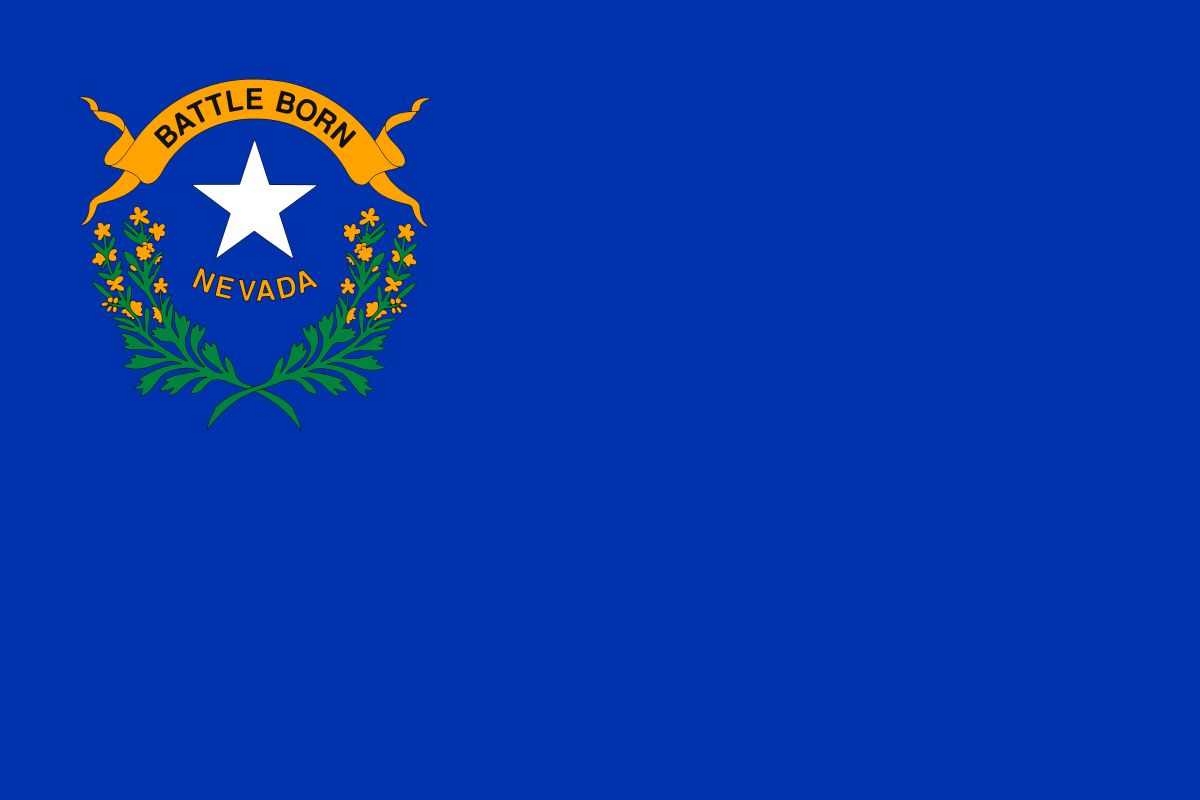
The nickname “The Silver State” is deeply ingrained in Nevada’s cultural identity. It appears on the state flag and is a source of pride for its residents. While modern Nevada is often associated with the bright lights of Las Vegas and the vast natural beauty of places like the Great Basin National Park, the historical context of silver mining provides a richer understanding of the state’s origins. The old mining towns, many of which have been preserved as historical sites or have experienced revitalization, offer a tangible connection to this silver-laden past. Visitors can still explore the remnants of boomtowns, visit museums dedicated to mining history, and marvel at the resilience and ambition of those who sought their fortunes in the Nevada earth. The story of Nevada is inextricably linked to the gleam of silver, a precious metal that not only built fortunes but also forged a state.
LifeOutOfTheBox is a participant in the Amazon Services LLC Associates Program, an affiliate advertising program designed to provide a means for sites to earn advertising fees by advertising and linking to Amazon.com. Amazon, the Amazon logo, AmazonSupply, and the AmazonSupply logo are trademarks of Amazon.com, Inc. or its affiliates. As an Amazon Associate we earn affiliate commissions from qualifying purchases.