
Understanding the precise time in Florida is more than just a matter of curiosity; it’s a fundamental piece of information for anyone planning a visit, conducting business, or simply connecting with friends and family in the Sunshine State. From coordinating flights and hotel check-ins to making dining reservations or scheduling calls, knowing Florida’s current time is crucial for seamless travel and engagement. This article dives deep into Florida’s time zones, the impact of Daylight Saving Time, and why this seemingly simple detail can significantly shape your travel experiences, accommodation plans, and overall lifestyle during your stay.
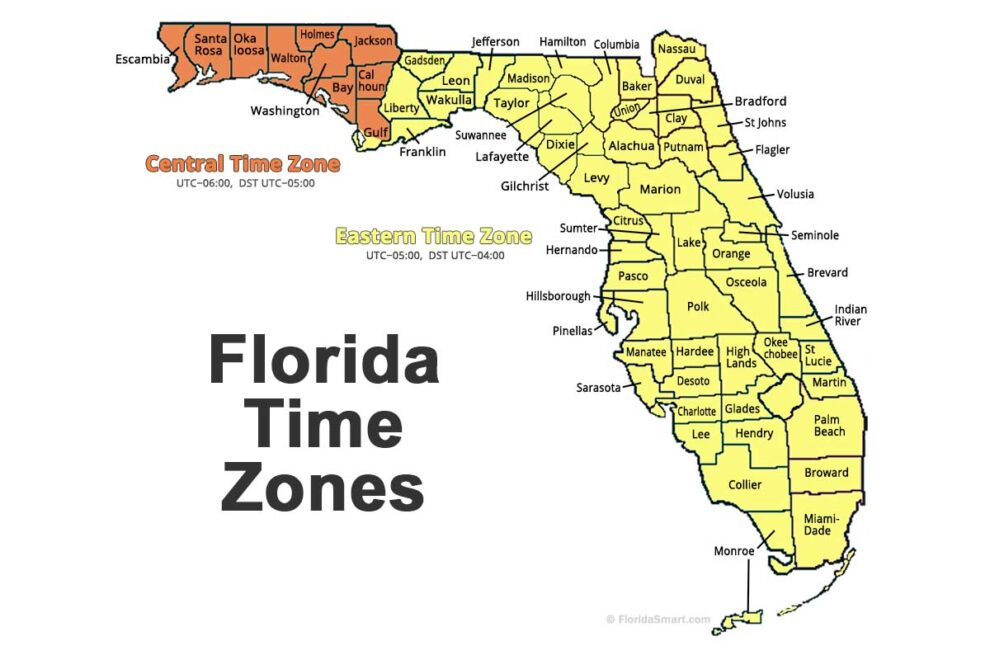
At this very moment, Florida primarily operates on Eastern Time (ET), which switches between Eastern Standard Time (EST, UTC-5) during the colder months and Eastern Daylight Time (EDT, UTC-4) for the majority of the year. However, there’s a significant exception: a portion of the Florida Panhandle observes Central Time (CT), shifting between Central Standard Time (CST, UTC-6) and Central Daylight Time (CDT, UTC-5). This dual time zone system makes understanding the exact location within Florida just as important as knowing the date.
Navigating Florida’s Dual Time Zones
The geographical spread of Florida across two distinct time zones is a unique characteristic that frequently surprises first-time visitors to the United States. The vast majority of the state, including its most famous destinations, falls within the Eastern Time zone. However, a specific region to the west operates on Central Time, creating a dynamic that requires a keen eye for detail when planning your itinerary.
Eastern vs. Central: A Geographical Breakdown
Most of Florida, stretching from the vibrant metropolis of Miami in the south to the historic city of St. Augustine in the northeast, and encompassing popular tourist hubs like Orlando and Tampa, adheres to Eastern Time. This means that cities such as Jacksonville, Fort Lauderdale, Sarasota, St. Petersburg, Naples, and Key West all share the same time, aligning with many major cities on the East Coast of the United States.
The divergence occurs in the western part of the Florida Panhandle. Generally, areas west of the Apalachicola River, and specifically west of the Eglin Air Force Base boundary, observe Central Time. Key cities and popular spots in this region include Pensacola, Panama City Beach, and Destin. The capital city, Tallahassee, although located within the Panhandle, often finds itself in the unique position of being right on the time zone border, with most of the city observing Eastern Time and its western outskirts occasionally bleeding into Central Time. This geographical split, though relatively small in area, introduces a one-hour difference that can be critical for scheduling.

Daylight Saving Time: The Annual Shift
Like most of the United States, Florida observes Daylight Saving Time, typically beginning on the second Sunday in March and ending on the first Sunday in November. During this period, clocks “spring forward” by one hour. This means Eastern Standard Time becomes Eastern Daylight Time, and Central Standard Time becomes Central Daylight Time. While the one-hour shift is consistent across both time zones within Florida, it’s another layer of temporal adjustment for travelers, especially those arriving from regions that do not observe Daylight Saving Time. This annual change significantly impacts sunset times, offering more daylight in the evenings for various outdoor activities and attractions during the peak tourist season.
Planning Your Florida Adventure: Time Zone Considerations for Travelers
For visitors, whether planning a luxury travel escape or a budget travel family trip, time zone awareness is paramount. It influences everything from the moment you step off your flight to your last evening stroll along a pristine Florida beach.
Flights, Transfers, and Jet Lag Management
International travelers or those arriving from distant states in the United States often face the challenge of jet lag. Knowing the precise time difference between your origin and Florida allows you to better prepare. Adjusting your sleep schedule a few days before departure, staying hydrated, and exposing yourself to Florida’s natural light upon arrival are common tips. Furthermore, if your itinerary involves connecting flights or ground transfers, especially those that cross the Eastern Time and Central Time border within Florida (e.g., flying into Tallahassee and driving to Pensacola), confirming local times for pickups and arrivals is essential to avoid missed connections or unnecessary delays. Travel guides often emphasize these details, as a one-hour discrepancy can throw off an entire day’s schedule.
Booking Accommodation and Tours Across Time Zones
When booking your accommodation – whether it’s a lavish suite at a resort in Orlando, an apartment in Miami Beach, or a cozy villa for a long-term stay near Destin – pay close attention to the check-in and check-out times. These are always given in local time. If you are communicating with a hotel or a property management company from a different time zone, ensure your call times or email responses account for the difference. The same vigilance applies to booking tours, excursions, or other scheduled activities. A sunrise airboat tour in the Everglades National Park or a slot for a rocket launch viewing at Kennedy Space Center Visitor Complex are precisely timed experiences where being even an hour off can mean missing out entirely. Always double-check the time zone specified for your bookings, especially for attractions near the time zone boundary.
Attraction Hours and Dining Reservations
Florida is renowned for its world-class attractions, from the magical Walt Disney World Resort and thrilling Universal Orlando Resort to the historic forts of St. Augustine and the natural wonders of its state parks. Each of these landmarks and destinations operates within specific hours, always published in local time. During peak seasons, many theme parks extend their operating hours, but these adjustments are still based on the local clock.
Similarly, enjoying Florida’s vibrant food scene, from gourmet dining in South Beach to fresh seafood restaurants along the Gulf of Mexico, often requires reservations. Miscalculating the time could lead to a missed table or a ruined evening. For important dining experiences or special events, confirm the time zone with the venue directly if there’s any doubt. This foresight ensures your culinary adventures are as smooth as your travel plans.
Time-Sensitive Experiences: Maximizing Your Florida Stay
Beyond the logistical necessities, understanding Florida’s time can enhance your enjoyment of its unique offerings, aligning your internal clock with the rhythm of the state.
Sunrise to Sunset: Beaches and Outdoor Activities
With hundreds of miles of coastline along both the Atlantic Ocean and the Gulf of Mexico, Florida offers breathtaking sunrises and sunsets. Knowing the local time helps you plan to catch these spectacular natural shows. On the Atlantic coast (e.g., Miami, Daytona Beach, Cape Canaveral), you’ll witness stunning sunrises. Conversely, the Gulf Coast (e.g., Naples, Sarasota, Clearwater Beach) is famous for its fiery sunsets. During Daylight Saving Time, extended daylight hours mean you can enjoy outdoor activities like paddleboarding, kayaking, or simply relaxing on the beach later into the evening. For nature lovers and wildlife enthusiasts, knowing the time is also key for observing active periods for various fauna in Florida’s parks and preserves.
Nightlife and Entertainment
Florida’s nightlife is legendary, from the pulsating clubs of South Beach to the more laid-back bars of Key West. Whether you’re attending a concert, catching a show, or simply enjoying a late-night dinner, local time dictates opening and closing hours, as well as happy hour specials. For those exploring the Florida Panhandle, remember that venues in Pensacola will close an hour “earlier” than those in Tallahassee by the clock, meaning you might have to adjust your expectations for late-night revelry if you’re not careful with your time zone calculations.
Embracing the Local Pace
Beyond strict schedules, understanding Florida’s time helps you embrace the local culture and pace. In some areas, particularly in the laid-back Keys or smaller coastal towns, life moves at a slightly slower rhythm, where “island time” might informally prevail. However, in bustling metropolitan areas like Miami or Orlando, punctuality is generally expected, especially for business stays or formal engagements. Being attuned to the local clock allows you to participate more authentically, whether it’s by joining early morning fishing charters or leisurely evening strolls.
The Importance of Real-Time Information
In an increasingly connected world, most smartphones and digital devices automatically adjust to local time zones. However, relying solely on technology without a fundamental understanding can sometimes lead to confusion. For instance, if you’re traveling through the Florida Panhandle near the time zone boundary, your phone might switch back and forth depending on your exact GPS location and cell tower proximity, potentially causing momentary disorientation. A quick manual check or asking a local is always a good practice.
For residents, business owners, and those involved in long-term stays, understanding the rhythm of Daylight Saving Time and the occasional debate about its abolition (or permanent adoption) is part of Florida’s lifestyle. While proposals to make Daylight Saving Time permanent in Florida have passed the state legislature (Sunshine Protection Act), they require federal approval, meaning for now, the annual clock changes remain.
In conclusion, knowing the time in Florida right now involves recognizing its primary adherence to Eastern Time, accounting for the Central Time pocket in the Panhandle, and being mindful of the twice-yearly Daylight Saving Time shifts. This knowledge is an indispensable tool for anyone navigating the diverse attractions, accommodations, and experiences that the Sunshine State has to offer. By factoring in these temporal nuances, you can ensure your Florida journey is as punctual, smooth, and enjoyable as possible, allowing you to maximize every moment of your tropical escape or productive business trip.
LifeOutOfTheBox is a participant in the Amazon Services LLC Associates Program, an affiliate advertising program designed to provide a means for sites to earn advertising fees by advertising and linking to Amazon.com. Amazon, the Amazon logo, AmazonSupply, and the AmazonSupply logo are trademarks of Amazon.com, Inc. or its affiliates. As an Amazon Associate we earn affiliate commissions from qualifying purchases.