
The question of “What Is New Hampshire Minimum Wage?” is more than a simple numerical inquiry; it’s a foundational element for understanding the economic landscape that shapes the visitor experience in the Granite State. While seemingly a matter of labor law, the minimum wage directly influences the cost of services, the availability of workers in the tourism sector, and ultimately, the affordability and accessibility of travel and accommodation within New Hampshire. For travelers planning a visit, understanding the state’s wage structure provides valuable context for budgeting, selecting lodging, and appreciating the local economy.
New Hampshire, known for its picturesque landscapes, charming towns, and a diverse array of seasonal attractions, relies heavily on its tourism industry. From the bustling ski resorts of the White Mountains to the historic seaports of Portsmouth, the success of these destinations is inextricably linked to the people who work to make them enjoyable for visitors. The minimum wage plays a significant role in ensuring that these service workers are compensated adequately, which in turn impacts the operational costs for businesses and the pricing of goods and services that travelers will encounter.
Understanding New Hampshire’s Minimum Wage
New Hampshire’s approach to minimum wage has historically been to align with the federal minimum wage. This means that for many years, the state has not set its own rate above the federally mandated level. This alignment has implications for businesses operating within the state, as they are required to pay at least the federal minimum wage, with some exceptions and nuances.
Federal Minimum Wage as the Baseline
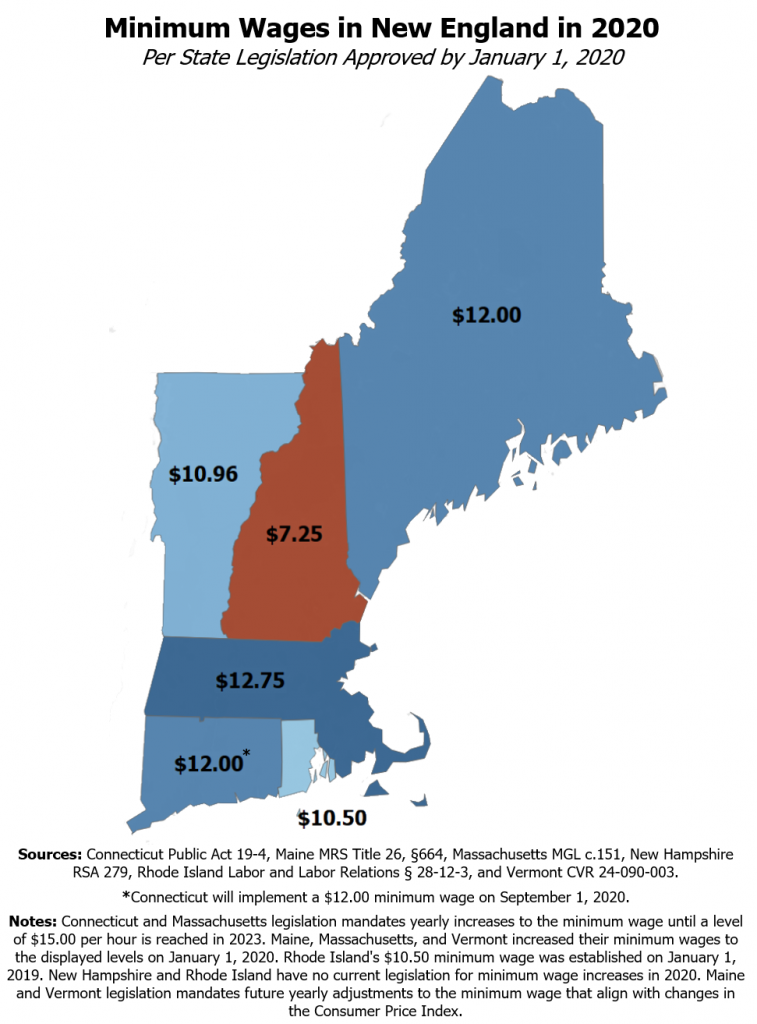
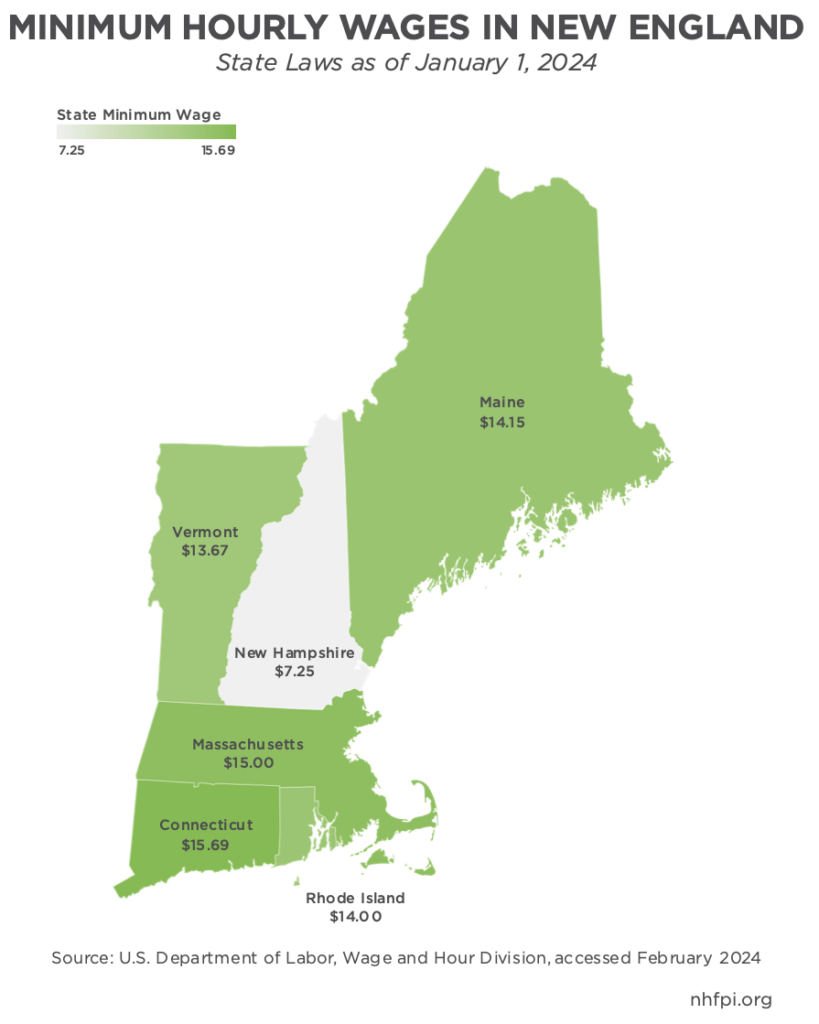
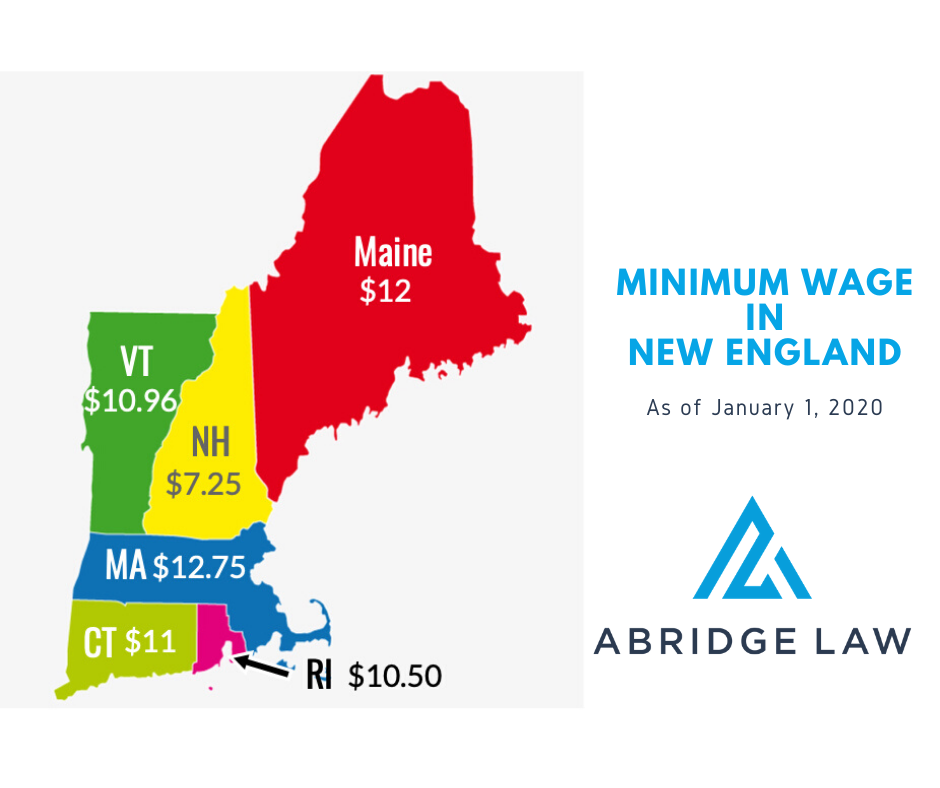
The federal minimum wage in the United States has remained at $7.25 per hour since 2009. For New Hampshire, this has generally served as the de facto minimum wage. This means that employers in New Hampshire must pay their employees at least $7.25 per hour, unless they are exempt from certain provisions of the Fair Labor Standards Act (FLSA). This consistent federal rate has provided a degree of predictability for businesses across the country, including those in New Hampshire, who are planning their labor costs.
Tipped Employees and Specific Regulations
A crucial distinction within minimum wage laws pertains to tipped employees, such as waitstaff and bartenders. In many jurisdictions, including New Hampshire, there is a separate, lower minimum wage for tipped workers, provided that their tips, when added to this base wage, reach the standard minimum wage. This is often referred to as a “tip credit.” Understanding these specific regulations is vital for businesses in the hospitality sector, which are prominent in New Hampshire’s tourism industry, and it also impacts the overall earnings potential of individuals working in these roles. For travelers, this can subtly influence menu prices and service charges, though often the advertised prices already account for these factors. The New Hampshire Department of Labor provides the most definitive guidance on these classifications and rates.
Potential for State-Level Adjustments
While New Hampshire has largely followed the federal minimum wage, there have been ongoing discussions and legislative efforts in various states to establish their own minimum wage rates that are higher than the federal level. In New Hampshire, the possibility of the state setting its own minimum wage has been a recurring topic of debate. Proponents argue that a higher state minimum wage would boost the local economy by increasing the disposable income of low-wage workers, many of whom are involved in the service industry that caters to tourists. Opponents often cite concerns about increased business costs, potential job losses, and the impact on competitiveness. The outcome of these discussions can significantly alter the economic landscape for both residents and visitors. Staying informed about any legislative changes is key for anyone interested in the economic dynamics of the state.
The Impact of Minimum Wage on New Hampshire’s Tourism Economy
The minimum wage in New Hampshire, whether at the federal level or potentially adjusted by the state, has a profound and multi-faceted impact on its thriving tourism sector. This impact extends from the operational costs of businesses to the overall visitor experience and the local economy.
Business Operations and Pricing
For businesses that form the backbone of New Hampshire’s tourism, from small inns in Concord to restaurants in the Seacoast region, labor costs are a significant component of their operational budget. When the minimum wage increases, businesses must adjust their expenses. This can manifest in several ways. Some establishments might absorb the increased labor costs, leading to a reduction in profit margins. Others may pass these costs on to consumers through higher prices for goods and services, such as hotel rooms, restaurant meals, or admission fees to attractions like Story Land. For travelers, this can mean a noticeable difference in the overall cost of their vacation, particularly for extended stays or family trips.
Workforce Availability and Service Quality
The minimum wage also plays a critical role in attracting and retaining a sufficient workforce for the tourism industry. A wage that is perceived as too low can lead to labor shortages, especially during peak seasons when demand for services is high. This can affect the availability of staff in hotels, restaurants, and at attractions across the state, from the Kancamagus Highway to the shores of Lake Winnipesaukee. When businesses struggle to find enough employees, it can sometimes lead to a decline in service quality due to overworked staff or reduced operating hours. Conversely, a competitive minimum wage can help ensure that businesses have the staff they need to provide excellent customer service, enhancing the overall visitor experience.
Local Economic Ripple Effects
Beyond the direct impact on businesses and their employees, changes in the minimum wage have broader ripple effects throughout the local economy. When low-wage workers earn more, they have greater disposable income, which they are likely to spend within their local communities. This increased consumer spending can benefit a wide range of businesses, from grocery stores and retail shops to local service providers. For tourist-dependent towns, this economic stimulation is particularly important, as it can help to create a more robust and resilient local economy that benefits both residents and the businesses that serve visitors. Understanding the minimum wage is thus a key to understanding the economic vitality of the communities you visit.
Navigating New Hampshire with Minimum Wage in Mind
For travelers planning a trip to New Hampshire, understanding the state’s minimum wage, or the federal minimum wage that often applies, can offer valuable insights for budgeting and decision-making. It’s not just about the numbers; it’s about the underlying economic factors that shape the cost of travel and the quality of the experience.
Budgeting Considerations for Travelers
When budgeting for a trip to New Hampshire, it’s prudent to factor in the general cost of living and services, which are influenced by labor costs. While New Hampshire might not always have a state-specific minimum wage that is significantly higher than the federal rate, the general cost of services, including hospitality, dining, and attractions, will reflect the prevailing wage structure. This means that exploring options such as budget-friendly accommodations, seeking out local eateries that offer good value, and planning activities in advance can help manage expenses. For instance, knowing that labor costs are a component of pricing can encourage travelers to look for package deals or off-season discounts that might offer better value.
Choosing Accommodation and Activities
The minimum wage can subtly influence the types of accommodation and activities available and their pricing. In areas with a strong tourism presence, businesses will strive to offer competitive wages to attract staff, which can impact the rates for hotels, bed and breakfasts, and vacation rentals. Similarly, the cost of participating in various activities, from guided tours in Manchester to admission to state parks like Franconia Notch State Park, can be influenced by the underlying labor costs. Travelers seeking a more budget-conscious trip might find it beneficial to research the pricing of various options and consider if there are less labor-intensive alternatives or activities that offer greater value.
Supporting Local Economies
For many travelers, a desire to support the local economies they visit is a significant part of their travel philosophy. Understanding the minimum wage, and the broader economic context it represents, can enhance this objective. By patronizing businesses that are known for fair labor practices and by choosing services that contribute directly to the local community, travelers can feel more confident that their spending is having a positive impact. This might involve seeking out locally owned restaurants and shops, opting for accommodations that are independently managed, or engaging in experiences that directly employ local residents. In this way, the question of “What Is New Hampshire Minimum Wage?” transforms from a purely legal inquiry into a lens through which to appreciate the economic fabric of the destination.
LifeOutOfTheBox is a participant in the Amazon Services LLC Associates Program, an affiliate advertising program designed to provide a means for sites to earn advertising fees by advertising and linking to Amazon.com. Amazon, the Amazon logo, AmazonSupply, and the AmazonSupply logo are trademarks of Amazon.com, Inc. or its affiliates. As an Amazon Associate we earn affiliate commissions from qualifying purchases.