
The Granite State, New Hampshire, is renowned for its rugged coastline, majestic mountains, and picturesque villages. While its natural beauty and rich history draw visitors from far and wide, each state also has its unique symbols that encapsulate its spirit and identity. Among these cherished emblems is the state bird, a creature that embodies the essence of the land and its people. Understanding the state bird of New Hampshire offers a fascinating glimpse into the state’s natural heritage and the values it holds dear.
The Chosen Emblem: A Symbol of Resilience
The designation of a state bird is often a thoughtful process, reflecting a bird’s prevalence, its ecological significance, and its symbolic resonance. For New Hampshire, this honor falls to a species that is not only a common sight across the state but also represents a spirit of perseverance and a connection to the wild beauty that defines its landscapes. The choice of this particular bird speaks volumes about the state’s appreciation for its natural environment and the enduring qualities it wishes to celebrate.
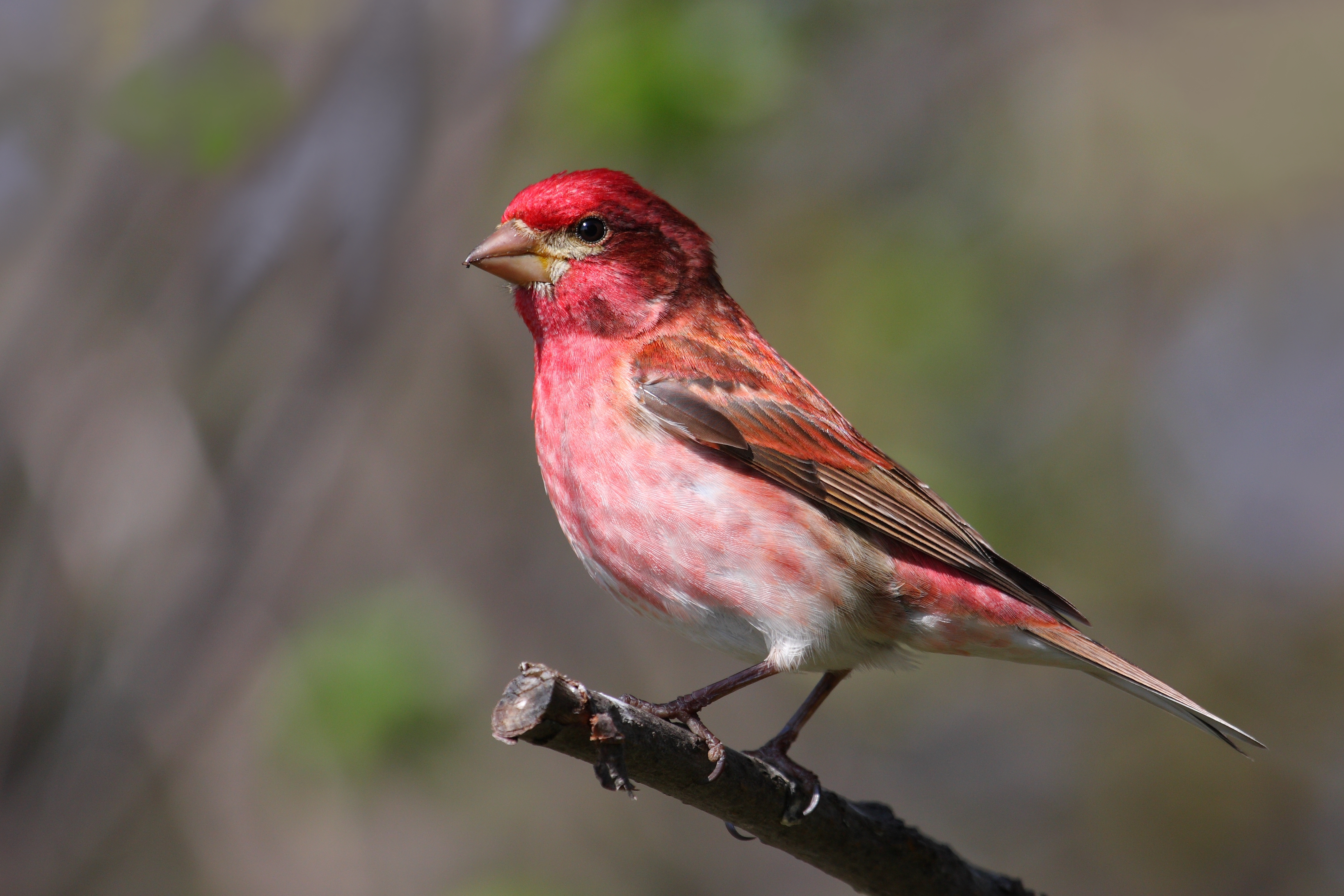
The Purple Finch: A Jewel of the Granite State
The state bird of New Hampshire is the Purple Finch (Haemorhous purpureus). While its name might suggest a hue of deep violet, the male Purple Finch is a striking display of raspberry-red or rosy-pink plumage, particularly on its head, breast, and back. This vibrant coloration stands in beautiful contrast to the female, which exhibits a more subdued streaky brown and gray pattern, providing excellent camouflage.
This striking appearance makes the Purple Finch a delight to observe in its natural habitat. Its presence is often announced by its cheerful, warbling song, a melodious sound that can be heard in woodlands, suburban gardens, and parks throughout New Hampshire. The male’s song is complex and varied, often described as a rich, liquid carol, adding a musical soundtrack to the state’s natural soundscape.
The scientific name, Haemorhous purpureus, directly translates to “purple blood-red house,” a nod to its distinctive coloration. Although the term “purple” is in its name, the bird’s color is more accurately described as a deep rose or raspberry, a vibrant splash against the green foliage of its home. This is a key characteristic that distinguishes it and has likely contributed to its selection as a state symbol.
Habitat and Distribution: A Common Yet Cherished Resident
The Purple Finch is a widespread species that thrives in various forested environments. In New Hampshire, this means they are commonly found in the dense forests of the White Mountains, the mixed woodlands of the southern regions, and even in more urbanized areas where trees provide suitable nesting and feeding grounds. Their adaptability allows them to flourish across diverse landscapes, from the coastal areas to the inland wilderness.
Nesting Habits and Breeding Grounds
During the breeding season, which typically spans from late spring through summer, Purple Finches establish their nests in coniferous or deciduous trees. They prefer areas with dense foliage, offering protection and concealment for their young. The nests themselves are cup-shaped structures, meticulously crafted from twigs, grasses, rootlets, and other fine plant materials, often lined with softer elements like feathers or animal hair.
The female typically lays a clutch of four to five pale blue or greenish eggs, speckled with brown or reddish markings. Both parents participate in incubating the eggs and feeding the nestlings, demonstrating a strong commitment to their offspring. This dedication to family and the continuation of their species is another endearing quality that likely contributed to their selection as a state symbol.
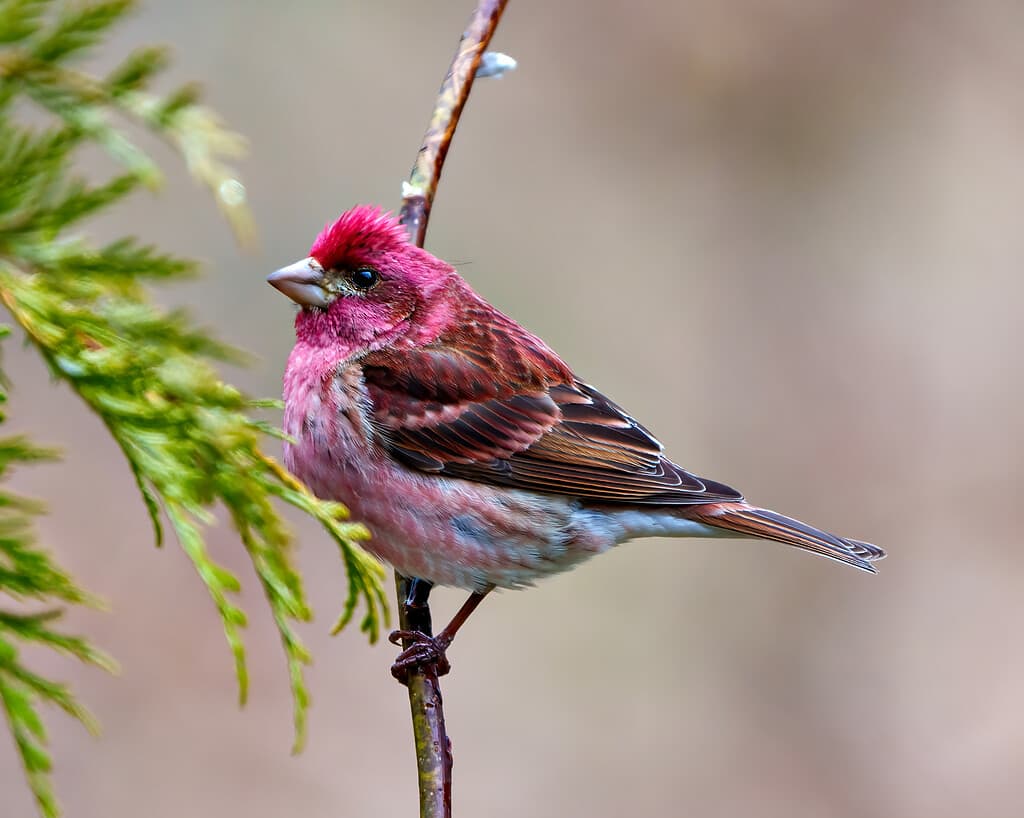
The presence of Purple Finches is a good indicator of a healthy forest ecosystem. Their reliance on trees for nesting and foraging means that areas with abundant woodlands are more likely to support thriving populations of these birds. This connection to the health of the state’s forests further reinforces their significance as a symbol of New Hampshire’s natural wealth.
Diet and Foraging: Fueling the Songbird
The diet of the Purple Finch is varied and opportunistic, reflecting their ability to adapt to available food sources throughout the year. This dietary flexibility is crucial for their survival, especially during the colder months when food can be scarce.
Seeds, Buds, and Insects
The primary food source for adult Purple Finches consists of seeds, buds, and some small fruits. They are particularly fond of the seeds of conifers and deciduous trees, as well as the buds of various plants. During the breeding season, their diet is supplemented with insects and other invertebrates, which provide essential protein for the growing nestlings. This omnivorous nature allows them to thrive in a range of environments and dietary conditions.
Their foraging behavior is often a lively affair. They can be seen flitting through branches, plucking seeds from cones, or pecking at buds. At bird feeders, they are particularly attracted to sunflower seeds and millet. Their willingness to visit feeders makes them accessible for people to observe and appreciate, further solidifying their role as a beloved avian resident of New Hampshire.
Significance and Recognition: A Symbol of the Granite State
The designation of the Purple Finch as the state bird of New Hampshire is more than just an official title; it is a recognition of its integral role in the state’s natural landscape and its symbolic value to its residents.
The Official Designation and Its Roots
The Purple Finch was officially adopted as the state bird of New Hampshire in 1957. This decision was likely the culmination of public sentiment and legislative action, reflecting the bird’s widespread presence and its captivating beauty. State birds often serve as ambassadors for their states, embodying characteristics that are admired and celebrated.
The Purple Finch embodies a sense of natural beauty, resilience, and vibrancy. Its cheerful song can be heard throughout the state’s natural areas, from the bustling tourist destinations to the quiet, secluded forests. Its adaptability to various habitats, from wild woodlands to suburban gardens, mirrors the diverse environments found within New Hampshire.

Experiencing the State Bird in New Hampshire
For visitors and residents alike, spotting a Purple Finch is a delightful experience. They can be observed in many of New Hampshire‘s natural attractions. Areas like the White Mountain National Forest offer vast expanses of suitable habitat, where the chances of encountering these colorful birds are high. Parks such as Franconia Notch State Park and the Kancamagus Highway also provide excellent opportunities for birdwatching, allowing individuals to connect with this iconic species.
Observing the Purple Finch in its natural setting offers a tangible connection to the state’s natural heritage. It serves as a reminder of the importance of conservation efforts that protect the forests and natural habitats that these birds depend on. The presence of a healthy population of Purple Finches is an indicator of a flourishing ecosystem, which is a vital aspect of New Hampshire’s appeal to tourists and its quality of life for its residents. Their cheerful songs and vibrant plumage are an integral part of the sensory experience of exploring the Granite State, making them a cherished symbol for all.
LifeOutOfTheBox is a participant in the Amazon Services LLC Associates Program, an affiliate advertising program designed to provide a means for sites to earn advertising fees by advertising and linking to Amazon.com. Amazon, the Amazon logo, AmazonSupply, and the AmazonSupply logo are trademarks of Amazon.com, Inc. or its affiliates. As an Amazon Associate we earn affiliate commissions from qualifying purchases.