
Understanding the avian symbols of a state can offer a unique lens through which to appreciate its natural heritage, history, and even its cultural identity. For New Hampshire, a state renowned for its picturesque landscapes, from the rugged peaks of the White Mountains to the serene coastline, its state bird embodies a spirit of resilience and beauty. This exploration delves into the identity of New Hampshire‘s official avian representative, examining its significance and the reasons behind its selection. It’s a journey that connects the natural world with the historical and cultural tapestry of the Granite State.
The Purple Finch: A Jewel of the Northeast
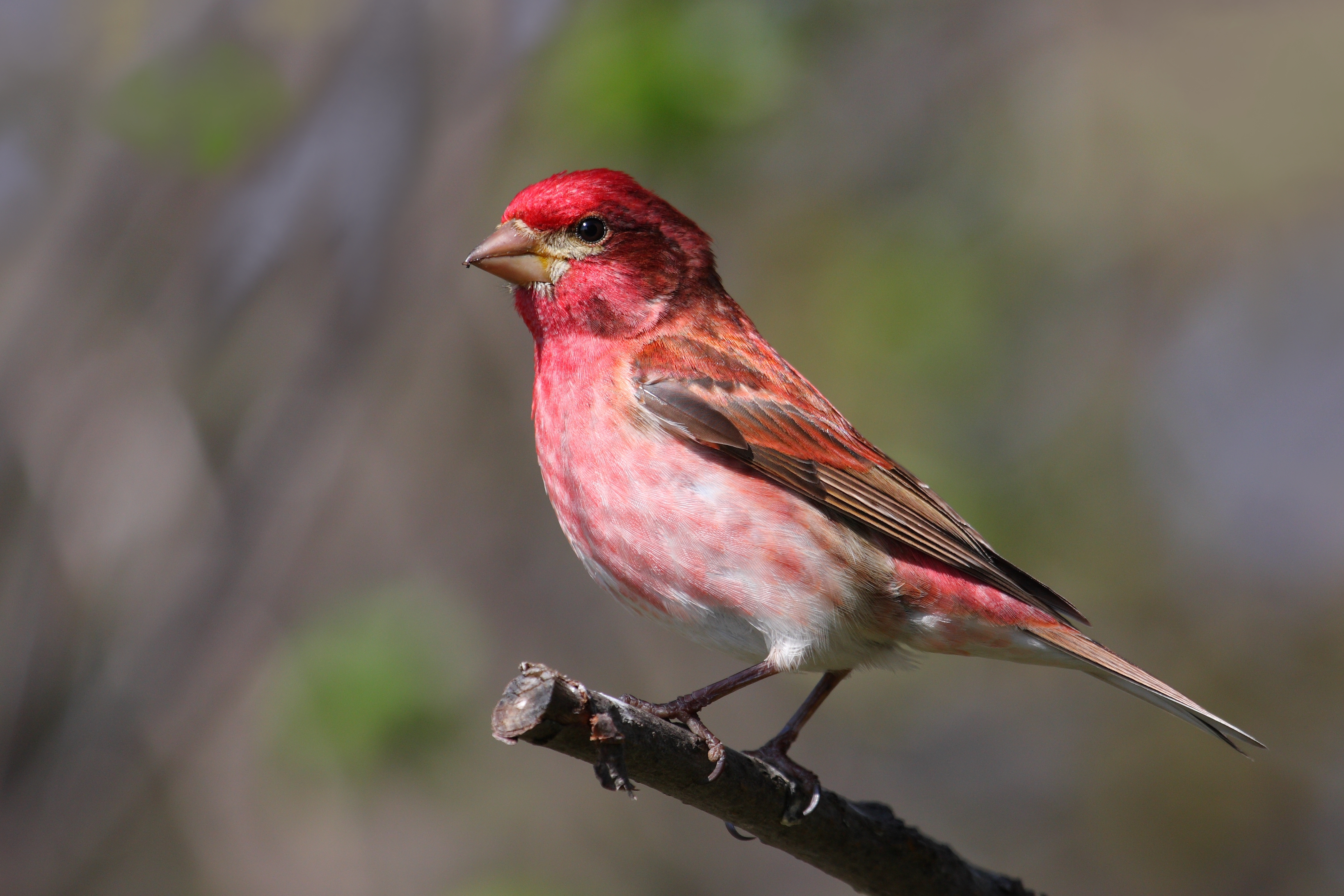
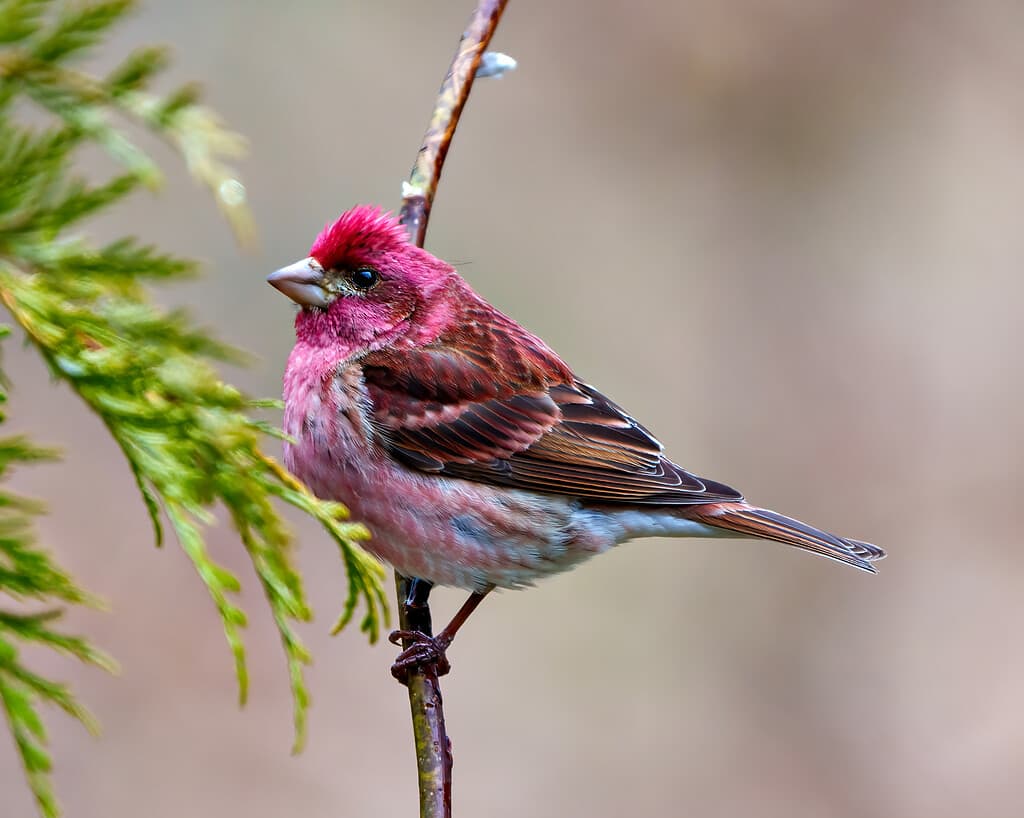
The honor of being New Hampshire‘s state bird falls to the Purple Finch (Haemorhous purpureus). This vibrant songbird, often mistaken for a male house finch, is distinguished by its raspberry-red or deep rosy plumage that covers its head, breast, and back. Unlike the more subtle streaking of the female house finch, the female Purple Finch displays a more subdued, but still appealing, streaky brown and white pattern. This difference in appearance, particularly the striking coloration of the male, makes the Purple Finch a visually captivating species.
Identification and Distinctive Features
The male Purple Finch is a sight to behold, especially during the breeding season. Its head, neck, and breast are suffused with a rich, raspberry-red hue, which can vary in intensity depending on the individual bird and light conditions. This vibrant coloring often extends to the rump and uppertail coverts. The back and wings are a darker, brownish-red or maroon. In contrast, the female Purple Finch presents a more camouflaged appearance, with a grayish-brown upper body and buffy underparts streaked with dark brown. A noticeable white eyebrow stripe, or supercilium, is a key identifying feature of the female, helping to distinguish her from other streaky brown birds.
Both sexes share a stout, conical bill, characteristic of seed-eating birds. Their song is another distinguishing feature. The male Purple Finch possesses a melodious, warbling song, often described as rich and complex, far more elaborate than the simpler chirps of the house finch. These songs are most frequently heard during the spring and early summer, filling the air with a delightful natural symphony.
Habitat and Distribution
The Purple Finch is primarily an inhabitant of coniferous and mixed forests across much of North America. In New Hampshire, they are commonly found in wooded areas, particularly those with a good mix of pine, spruce, fir, and deciduous trees. They are often seen in woodland edges, suburban gardens with mature trees, and orchards, especially when food sources are abundant.
Their breeding range extends across Canada and into the northeastern United States, with New Hampshire being a part of this core territory. During the non-breeding season, many Purple Finch populations undertake migrations, moving southward into the mid-Atlantic and southern states. However, some individuals remain in their northern ranges, particularly in years with good conifer cone crops, which provide a crucial food source. Their adaptability to various forest types and their presence in both wild and semi-urban environments make them a familiar sight for many residents and visitors to New Hampshire.
The Historical Selection of the Purple Finch
The designation of the Purple Finch as New Hampshire‘s state bird was not an arbitrary choice but a result of a process that often involves legislative action and public sentiment. While the exact year of its adoption may require specific historical records, the selection of a state bird typically reflects a combination of factors, including the bird’s prevalence in the state, its distinctive characteristics, and its symbolic resonance.
Legislative Process and Public Input
The process of selecting a state bird often begins with a proposal, perhaps from a school group, a civic organization, or an individual citizen. This proposal then typically moves through the state legislature, where it is debated and voted upon. In many cases, public input is sought, allowing residents to voice their preferences and support for particular species. The choice of the Purple Finch likely involved such a process, highlighting its familiarity and appeal to the people of New Hampshire.
Symbolic Significance
The Purple Finch embodies several qualities that resonate with the spirit of New Hampshire. Its vibrant coloration, particularly the male’s rich red, can be seen as mirroring the bold, resilient character often associated with the state’s residents and its rugged natural beauty. Its song adds a touch of natural artistry, a reminder of the aesthetic treasures found within the state’s wilderness. Furthermore, the Purple Finch is a native species, deeply integrated into the local ecosystems. Its selection signifies an appreciation for the state’s native fauna and the importance of conservation efforts to protect these species and their habitats.
Experiencing the Purple Finch in New Hampshire
For those visiting or residing in New Hampshire, observing the Purple Finch can be a rewarding experience, offering a direct connection to the state’s natural heritage. Their presence is often tied to specific habitats and seasons, making an understanding of their behavior and preferred environments key to spotting them.
Where to Find Purple Finches
New Hampshire‘s diverse landscapes provide ample opportunities to encounter Purple Finches. Their preferred habitats include mature forests, woodland edges, and areas with dense shrubbery. Parks and nature reserves within the state, such as those in the vicinity of the White Mountains National Forest or along the Kittery coastline, are excellent locations to search for them. Even suburban backyards with established trees and bird feeders can attract these charming birds, especially during the fall and winter months when they may supplement their diet with seeds.
Best Times for Observation
The Purple Finch can be observed in New Hampshire year-round, though their numbers and visibility fluctuate. During the spring and summer, the vibrant males are more conspicuous as they establish territories and sing their elaborate songs. This is also the breeding season, so observing nesting behavior can be a possibility, though these birds are generally shy.
In the fall and winter, Purple Finches may become more visible as they gather at bird feeders, particularly those offering sunflower seeds, thistle (nyjer), or safflower. Migration patterns can influence their presence; while some individuals migrate south, others remain, especially in areas with abundant food. Early morning and late afternoon are often the best times for birdwatching, as birds are typically most active during these periods, foraging for food.

Conservation and Appreciation
The Purple Finch, like many bird species, faces challenges related to habitat loss and environmental changes. Appreciating this state bird involves not only observing it but also supporting conservation efforts that protect its natural environment. Understanding the Purple Finch‘s role within New Hampshire‘s ecosystem fosters a deeper connection to the state’s natural world and encourages stewardship of its biodiversity. Whether one is a seasoned birder or a casual observer, the Purple Finch offers a colorful and musical reminder of the wild beauty that graces the Granite State.
LifeOutOfTheBox is a participant in the Amazon Services LLC Associates Program, an affiliate advertising program designed to provide a means for sites to earn advertising fees by advertising and linking to Amazon.com. Amazon, the Amazon logo, AmazonSupply, and the AmazonSupply logo are trademarks of Amazon.com, Inc. or its affiliates. As an Amazon Associate we earn affiliate commissions from qualifying purchases.