
The vast and varied landscapes of New Mexico, a state renowned for its dramatic desert vistas, ancient Puebloan heritage, and vibrant artistic communities, might not be the first place that springs to mind when contemplating the cultivation of fungi. Yet, beneath the sun-drenched skies and amidst the rugged terrain, a surprising answer emerges: yes, you absolutely can grow mushrooms in New Mexico. This seemingly counterintuitive possibility opens a fascinating avenue for both local enthusiasts and curious travelers interested in exploring the unique agricultural and culinary potential of the Land of Enchantment. The state’s climate, while often perceived as arid, presents a diverse range of microclimates and opportunities for innovative growing techniques, making mushroom cultivation a viable and increasingly popular endeavor.
The Unique Conditions for Fungal Flourishing in New Mexico
While often associated with damp, temperate forests, many mushroom species are surprisingly adaptable and can thrive in conditions that might seem challenging. New Mexico‘s distinctive environmental factors, when understood and managed effectively, can actually be harnessed to support mushroom growth.
Climate Considerations: Aridity and Altitude
The most apparent challenge for mushroom cultivation in New Mexico is its generally arid climate. High desert environments often mean low humidity and significant diurnal temperature swings. However, this doesn’t preclude mushroom farming. Many species, such as oyster mushrooms, are remarkably resilient and can tolerate a wider range of humidity levels than commonly believed. Furthermore, the state’s significant altitude plays a crucial role. Higher elevations often mean cooler average temperatures, especially during the summer months, which can be beneficial for certain types of mushroom cultivation that prefer cooler fruiting conditions. Areas like the Jemez Mountains or the regions surrounding Santa Fe offer cooler pockets that can support a more diverse range of fungal species. The key lies in understanding the specific needs of each mushroom variety and replicating those conditions, often through controlled indoor environments.
Soil and Substrate: Beyond Forest Floors
Traditional mushroom foraging often conjures images of damp forest floors rich with decaying organic matter. While this is ideal for wild growth, mushroom cultivation utilizes a wider array of substrates. In New Mexico, this means looking beyond natural forest duff. Agricultural byproducts are abundant, offering excellent growing mediums. Straw, sawdust from local lumber operations, coffee grounds from bustling cafés in Albuquerque, and even recycled paper products can be sterilized and inoculated with mushroom mycelium to create a fertile ground for fungi to flourish. The desert’s mineral-rich soil, while not directly a substrate, contributes to the overall ecosystem that supports agricultural endeavors, from which mushroom growing can draw. Innovative farmers are also experimenting with composted manure, readily available from the state’s ranching heritage, as a rich nutrient source for certain gourmet mushrooms.
Water Management: A Crucial Element
Water scarcity is a well-understood reality in New Mexico, and its careful management is paramount for any form of agriculture, including mushroom cultivation. While mushrooms themselves are largely composed of water, their growing environments can be managed to minimize water usage. Techniques such as using enclosed growing tents, employing misting systems that create fine droplets to increase humidity without excessive water waste, and selecting mushroom varieties known for their tolerance to drier conditions are essential. Small-scale, indoor operations are particularly adept at precise water control. For larger operations, exploring water-wise irrigation techniques or even rainwater harvesting, especially in regions that do receive occasional but intense rainfall, could be viable strategies. The key is to create a consistently humid microclimate for the mushrooms, regardless of the broader environmental aridity.
Cultivating Gourmet and Medicinal Mushrooms in the Land of Enchantment
The growing interest in healthy eating and natural remedies has fueled a surge in demand for gourmet and medicinal mushrooms. New Mexico, with its burgeoning culinary scene and a growing appreciation for holistic wellness, presents a fertile ground for these specialized crops.
Popular Varieties and Their Suitability
Several types of mushrooms are particularly well-suited for cultivation in New Mexico’s conditions.
Oyster Mushrooms (Pleurotus spp.)
Oyster mushrooms are a fantastic choice for beginners and experienced growers alike. They are aggressive colonizers and can grow on a wide variety of substrates, including straw, coffee grounds, and sawdust. Their adaptability to different temperature ranges and their relative tolerance to lower humidity make them ideal for New Mexico’s climate. Varieties like the pink oyster or the blue oyster can add a splash of color to dishes and are increasingly sought after by local chefs in cities like Santa Fe and Taos.
Shiitake Mushrooms (Lentinula edodes)
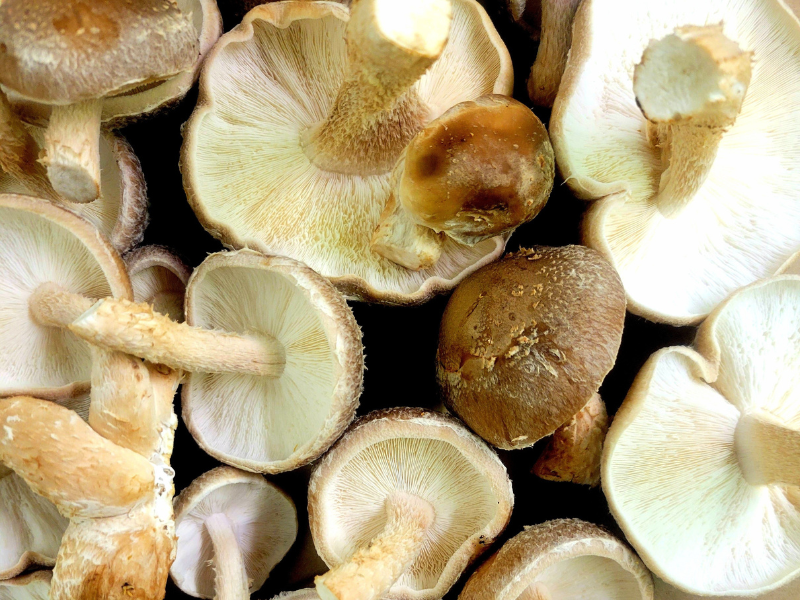
Shiitake mushrooms, while traditionally grown on hardwood logs, can also be cultivated on sawdust blocks. These require a slightly more controlled environment, particularly for the fruiting stage, but are well within the capabilities of dedicated growers. The warm days and cooler nights experienced in many parts of New Mexico can be conducive to the log-inoculation process during certain seasons.

Lion’s Mane Mushrooms (Hericium erinaceus)
Known for its unique appearance and purported cognitive benefits, Lion’s Mane is a gourmet mushroom that is gaining popularity. It thrives on hardwood sawdust and can be grown indoors. Its distinctive appearance makes it a conversation starter, both in the kitchen and on the farm.
Reishi and Turkey Tail (Medicinal Varieties)
For those interested in the medicinal properties of fungi, Reishi and Turkey Tail are excellent options. These are often grown on hardwood sawdust or logs and require a longer cultivation period. Their benefits are increasingly recognized in the wellness community, and New Mexico’s growing interest in natural health products presents a strong market for these potent fungi.
The Role of Controlled Environments
Given the prevailing climate, most successful mushroom cultivation in New Mexico relies on controlled environments. This can range from simple setups like grow tents in a home basement or garage to more sophisticated indoor farming facilities.
Grow Tents and Humidity Domes
For hobbyists and small-scale growers, grow tents are an excellent solution. These enclosures allow for the precise control of temperature, humidity, and air exchange. Misting systems can be integrated to maintain the high humidity levels that many mushrooms require during their fruiting stages. Humidity domes can also be placed over small trays of substrate to create a localized humid environment.
Indoor Farming Operations
Larger commercial operations utilize dedicated indoor spaces equipped with climate control systems, ventilation, and specialized shelving. These facilities can precisely manage the environmental parameters needed for optimal mycelial growth and mushroom development, ensuring consistent yields regardless of external weather conditions. This approach is becoming increasingly common in regions with challenging climates, turning previously unsuited areas into hubs of fungal production.
Beyond the Plate: Mushrooms and New Mexico’s Ecotourism and Culinary Scene
The cultivation of mushrooms in New Mexico extends beyond mere agricultural production; it intersects with the state’s vibrant ecotourism and its growing reputation as a culinary destination.
Farm-to-Table Experiences and Local Markets
As awareness of locally sourced food grows, mushroom farms are becoming points of interest. Restaurants in Santa Fe, Albuquerque, and Las Cruces are increasingly featuring fresh, locally grown mushrooms on their menus, highlighting the quality and unique varieties available from New Mexico growers. Farmers’ markets across the state are a popular venue for consumers to directly purchase these cultivated fungi, fostering a connection between the producer and the end consumer. Some farms even offer direct sales, allowing visitors to purchase freshly harvested mushrooms straight from the source.
Educational Workshops and Experiential Tourism
The novelty of mushroom cultivation in an arid landscape also presents an opportunity for experiential tourism. Farms that are open to the public can offer educational workshops on how to grow mushrooms at home, teaching attendees about different species, substrates, and cultivation techniques. These hands-on experiences can appeal to a wide range of visitors, from budding mycologists to food enthusiasts and families looking for unique activities. Imagine a visitor from a more temperate climate learning about the ingenious methods used to grow fungi in the high desert – it’s a truly distinctive New Mexico experience, akin to exploring the ancient cliff dwellings of Bandelier National Monument or witnessing the art scene in Santa Fe. Such activities contribute to a diversified tourism offering, emphasizing innovation and local resourcefulness.
The Future of Fungal Farming in New Mexico
The answer to whether mushrooms can be grown in New Mexico is a resounding yes. With thoughtful planning, an understanding of species-specific needs, and the application of modern cultivation techniques, the Land of Enchantment is proving to be a surprisingly fertile ground for fungi. As more individuals and businesses embrace this opportunity, mushroom cultivation is poised to become an increasingly significant contributor to the state’s agricultural landscape, its culinary offerings, and its unique tourism experiences. The journey from a dry, sun-baked landscape to a thriving mushroom farm is a testament to human ingenuity and the remarkable adaptability of nature.
LifeOutOfTheBox is a participant in the Amazon Services LLC Associates Program, an affiliate advertising program designed to provide a means for sites to earn advertising fees by advertising and linking to Amazon.com. Amazon, the Amazon logo, AmazonSupply, and the AmazonSupply logo are trademarks of Amazon.com, Inc. or its affiliates. As an Amazon Associate we earn affiliate commissions from qualifying purchases.