
Navigating the economic landscape of any destination is a crucial aspect of planning a visit, especially for those considering longer stays or exploring various employment opportunities within the tourism sector. Understanding the minimum wage in New Mexico is not just a matter of legal compliance; it provides valuable insight into the cost of living, potential earnings for local workers, and the overall economic health of the state’s vibrant tourism industry. This knowledge can inform decisions about budgeting for trips, exploring local businesses, and appreciating the economic fabric that supports the unique experiences offered throughout New Mexico.

The Current Minimum Wage Landscape in New Mexico
As of the most recent legislative updates, New Mexico has established a clear minimum wage that impacts a wide range of industries, including those heavily reliant on tourism and hospitality. This wage serves as a foundational element for workers across the state, from entry-level positions in hotels and restaurants to roles in retail and attractions. Understanding this baseline is essential for anyone considering working in New Mexico or for businesses operating within its borders.
Federal vs. State Minimum Wage: A Crucial Distinction
It is important to note that New Mexico adheres to its own state minimum wage, which is often higher than the federal minimum wage. This distinction is significant. While the federal minimum wage, currently set at $7.25 per hour, provides a national floor, states are empowered to enact their own wage laws that supersede federal regulations if they are more favorable to workers. In New Mexico, the state-mandated minimum wage is designed to better reflect the cost of living and economic conditions within its unique environment. This means that employers in New Mexico must pay at least the state minimum wage, which is currently higher than the federal rate, ensuring a more substantial baseline income for its residents. This focus on a higher state minimum wage can contribute to a more robust local economy, which in turn can support a thriving tourism sector by ensuring that local workers have more disposable income to spend within their communities.
The Specific Rate for New Mexico
The current minimum wage in New Mexico stands at $12.00 per hour. This rate applies to most employees across the state, regardless of the industry they are working in, including those in the hospitality and tourism sectors. This consistent rate simplifies compliance for businesses and provides a predictable income floor for workers. For instance, a server at a restaurant in Santa Fe, a front desk associate at a hotel in Albuquerque, or a guide at an attraction near Carlsbad Caverns National Park would be entitled to at least $12.00 per hour for their labor, excluding any tips or additional compensation. This rate is a testament to New Mexico’s commitment to providing its workforce with a living wage that can support individuals and families.
Exclusions and Special Wage Rates
While the $12.00 per hour rate is the general standard, there are specific circumstances and employee categories that may fall under different wage regulations. These often include tipped employees, individuals with disabilities, and sometimes, in specific local jurisdictions, higher rates might apply. Understanding these nuances is crucial for both employers and employees to ensure full compliance with labor laws.
Tipped Employees: A Distinct Category
For tipped employees, such as servers and bartenders in restaurants across New Mexico, a separate minimum wage structure often applies. This structure allows employers to pay a lower direct wage, with the expectation that tips will supplement the income to reach at least the standard minimum wage. In New Mexico, the cash minimum wage for tipped employees is $3.00 per hour. However, this is contingent upon the employee actually earning enough in tips to bring their total hourly earnings up to the regular minimum wage of $12.00 per hour. If an employee’s tips, combined with the $3.00 cash wage, do not reach $12.00 per hour over a given workweek, the employer is legally obligated to make up the difference. This provision ensures that no tipped employee in New Mexico earns less than the established minimum wage, regardless of their tip earnings. This is particularly relevant in popular tourist destinations like Taos, known for its vibrant culinary scene and extensive hospitality services.
Minimum Wage in Specific Municipalities
It is also worth noting that some larger cities or counties within New Mexico may have local ordinances that establish a higher minimum wage than the state standard. While New Mexico itself has a strong state-level minimum wage, it is always advisable for businesses and individuals to check for any local variations. Currently, there are no cities or counties in New Mexico that have enacted a minimum wage higher than the state’s $12.00 per hour rate. However, this is a dynamic area of labor law, and staying informed about potential local policy changes is always prudent, especially when considering employment or business operations in areas that attract significant tourism, such as the vicinity of White Sands National Park.
The Impact of Minimum Wage on New Mexico’s Tourism Economy
The minimum wage in New Mexico plays a significant role in shaping its tourism economy. A robust minimum wage can lead to a more stable and motivated workforce, contributing to better customer service and a more positive visitor experience. Conversely, wages that are too low can lead to high employee turnover and potential service quality issues, which can negatively impact the reputation of the state as a tourist destination.
Workforce Stability and Service Quality
A minimum wage that provides a reasonable standard of living can contribute to greater job satisfaction and reduce employee turnover. When workers feel fairly compensated, they are more likely to be engaged and dedicated to their roles. This translates directly into improved service quality for tourists. For example, a hotel in Santa Fe or a tour operator in Farmington benefits from having experienced and well-compensated staff who can provide knowledgeable and friendly assistance. This can lead to repeat business and positive word-of-mouth recommendations, crucial elements for the long-term success of New Mexico’s tourism sector.
Economic Ripple Effects on Local Businesses
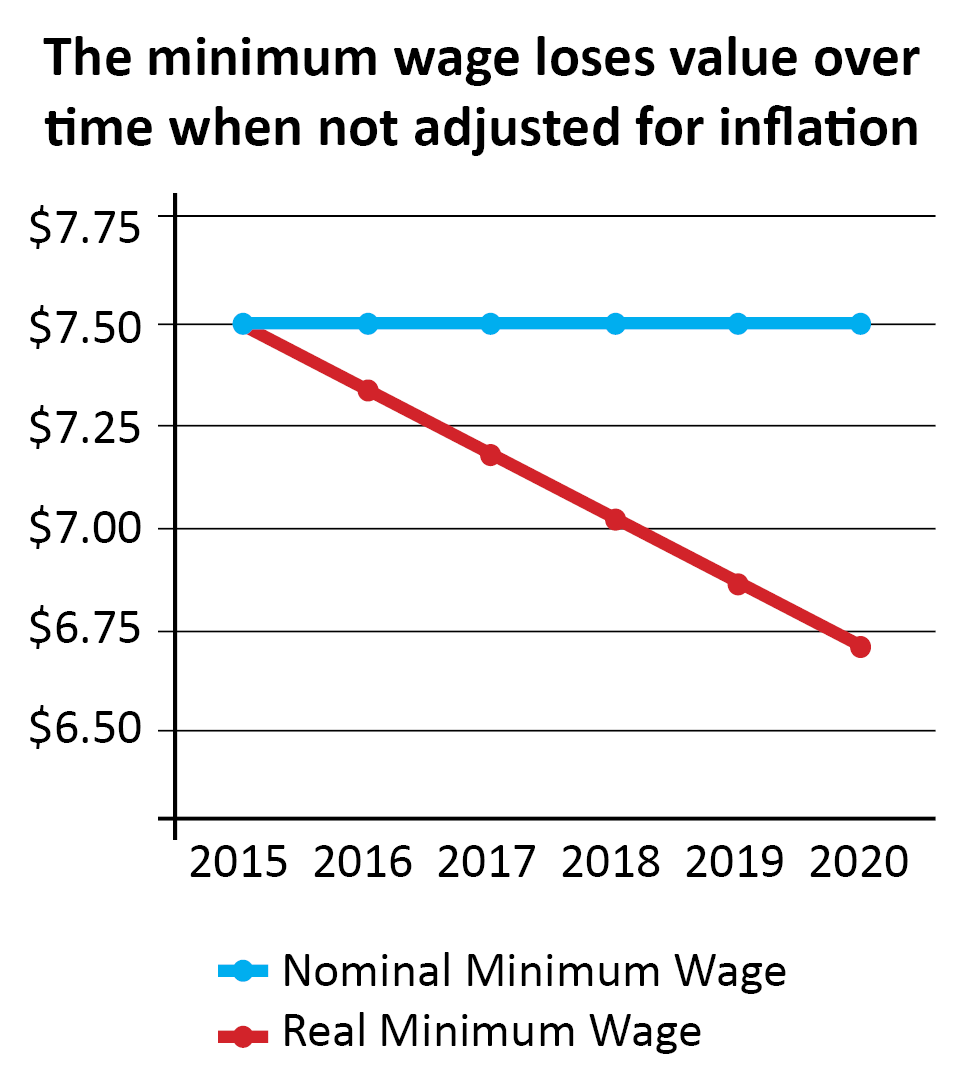
The minimum wage also has broader economic ripple effects. When workers earn more, they have greater disposable income, which they are likely to spend within their local communities. This increased consumer spending can benefit a wide range of businesses, including restaurants, retail shops, and service providers that cater to both residents and tourists. For instance, visitors to Ghost Ranch in Abiquiu might find that the local economy, bolstered by fair wages, offers a more diverse and appealing array of shops and eateries to explore beyond the primary attractions. This creates a virtuous cycle where a healthy wage economy supports a vibrant local culture and enhances the overall visitor experience.
The Cost of Living vs. Minimum Wage
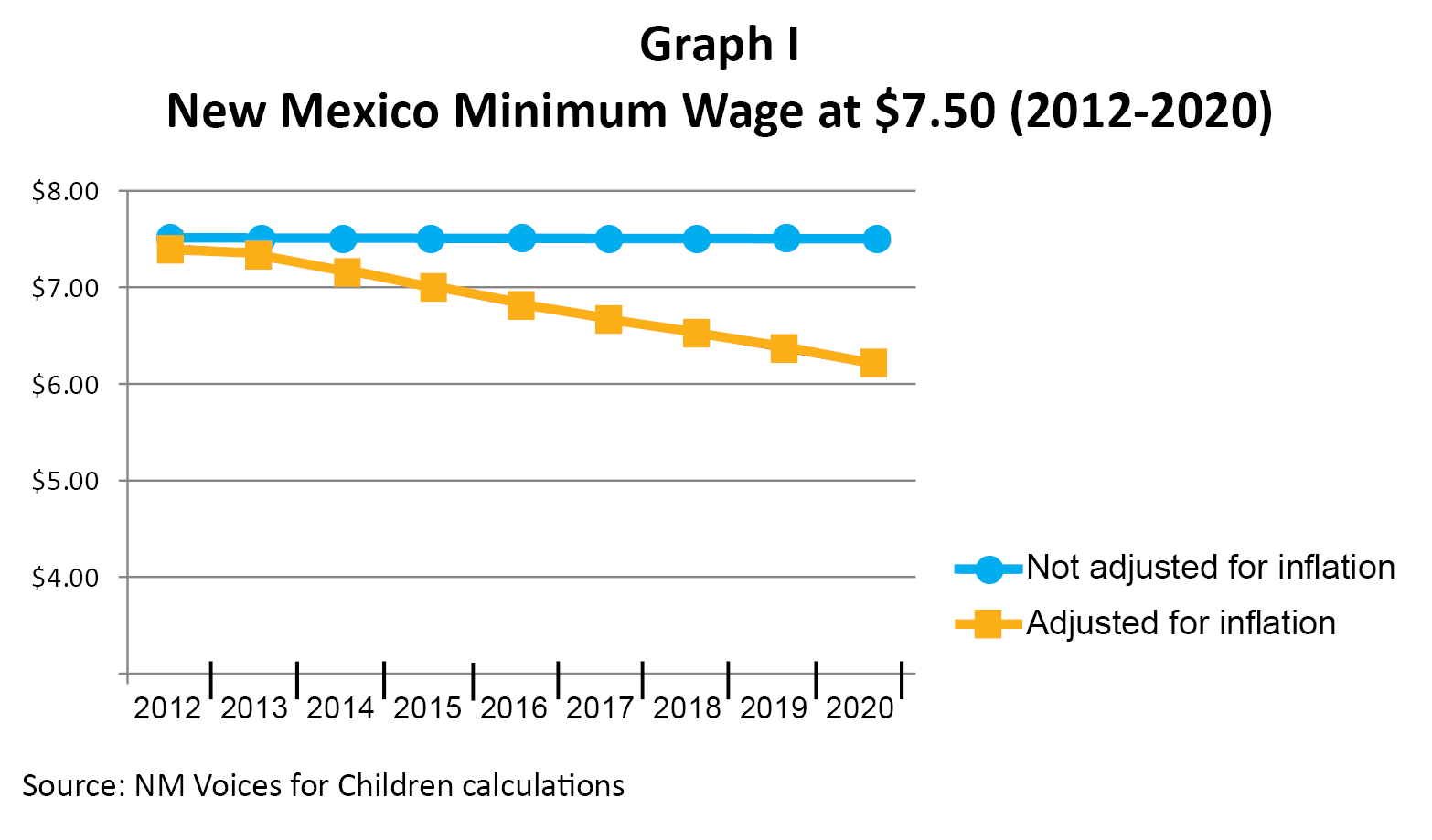
The effectiveness of the minimum wage is often measured against the cost of living in a particular region. In New Mexico, the cost of living can vary significantly between urban centers like Albuquerque and more rural areas. The $12.00 per hour minimum wage aims to strike a balance, providing a baseline that is intended to be a livable wage across the state. However, ongoing discussions about adjusting the minimum wage are often informed by analyses of inflation, housing costs, and the general economic well-being of the state’s residents. Ensuring that the minimum wage keeps pace with the cost of living is vital for maintaining economic stability and supporting the well-being of those who form the backbone of the tourism industry.
Understanding Minimum Wage for Specific Industries and Roles
While the $12.00 per hour rate is the general standard, specific industries and roles within the tourism sector may have unique considerations regarding minimum wage. These can include allowances for tips, training wages, and specific exemptions that are important to understand for compliance and fair employment practices.
Hospitality Sector Wages
The hospitality sector, a cornerstone of New Mexico’s tourism, employs a significant number of individuals at various skill levels. From hotel housekeeping staff and concierges to restaurant servers and kitchen staff, the minimum wage provides a foundational earning for many. As discussed earlier, tipped employees have a distinct wage structure. Non-tipped roles within hotels, such as front desk agents, housekeepers, or maintenance staff, would generally fall under the $12.00 per hour minimum wage. This directly impacts the affordability of staying at various accommodations, from budget-friendly motels to more upscale resorts, and influences the overall labor costs for businesses operating in popular tourist destinations like Ruidoso.
Roles in Attractions and Recreation
Beyond hotels and restaurants, New Mexico boasts numerous attractions, from museums and art galleries in Santa Fe to natural wonders like Bandelier National Monument. Employees working in these areas, such as ticket takers, gift shop attendants, or park rangers (depending on employment status), are also subject to the state’s minimum wage laws. A fair minimum wage ensures that these essential workers are compensated appropriately for their contributions to the visitor experience. This can range from individuals working at smaller, independent attractions to those employed by larger entities managing state parks or historical sites.
Business Owners and Compliance
For business owners operating within New Mexico, understanding and adhering to the minimum wage laws is paramount. Compliance ensures legal operation, avoids potential penalties, and fosters a positive employer-employee relationship. Staying updated on any legislative changes or new interpretations of wage laws is a continuous responsibility. This diligence is especially important for small businesses or entrepreneurs starting new ventures in the tourism space, ensuring they build their operations on a foundation of fair labor practices.
The Future of Minimum Wage in New Mexico and Its Tourism Implications
The discussion around minimum wage is an ongoing one, with potential for future adjustments based on economic conditions, legislative proposals, and societal needs. For New Mexico, any changes to the minimum wage will likely have ripple effects throughout its diverse tourism landscape, influencing labor costs, consumer spending, and the overall attractiveness of the state as a place to work and visit.
Potential Legislative Changes and Economic Forecasts
Legislators in New Mexico periodically review and debate potential increases to the minimum wage. These discussions often involve economic analyses that consider the impact on employment levels, business profitability, and the cost of goods and services. Proponents of wage increases often point to studies suggesting that modest increases can stimulate the economy by boosting consumer demand, while opponents may raise concerns about potential job losses or increased operational costs for businesses, particularly smaller enterprises. The outcome of these debates will undoubtedly shape the economic landscape for the state’s tourism sector.
Adapting to Evolving Wage Standards
As wage standards evolve, businesses in the tourism sector, from major hotel chains to independent tour operators, will need to adapt. This might involve adjustments to pricing strategies, operational efficiencies, or investments in employee training and development to ensure continued competitiveness and service quality. For instance, a resort near Jemez Springs might need to factor increased labor costs into its room rates or explore ways to enhance guest experiences through technology or service innovation. Proactive adaptation is key to maintaining a thriving and competitive tourism industry.
The Broader Significance for Travelers and Workers
Ultimately, the minimum wage in New Mexico is more than just a number; it reflects the state’s values regarding labor and economic fairness. For travelers, understanding this aspect of the local economy can deepen their appreciation for the services they receive and the people providing them. For workers and prospective workers in New Mexico, it represents a crucial factor in their financial well-being and their ability to participate fully in the state’s vibrant culture and economy, whether they are serving visitors at a café in Las Cruces or guiding them through the historical sites of Chaco Culture National Historical Park.
LifeOutOfTheBox is a participant in the Amazon Services LLC Associates Program, an affiliate advertising program designed to provide a means for sites to earn advertising fees by advertising and linking to Amazon.com. Amazon, the Amazon logo, AmazonSupply, and the AmazonSupply logo are trademarks of Amazon.com, Inc. or its affiliates. As an Amazon Associate we earn affiliate commissions from qualifying purchases.