
For any traveler planning a journey to the Sunshine State, a seemingly simple question like “What time is it in Florida now?” quickly unveils a layer of complexity crucial for seamless trip planning. While most states operate under a single time zone, Florida’s unique geography means it straddles two distinct zones, an important detail that can impact everything from flight schedules and hotel check-ins to theme park visits and dinner reservations. Understanding these time differences is not just a matter of convenience; it’s an essential component of maximizing your travel, tourism, and accommodation experiences across this vibrant destination. Whether you’re chasing the sunrise over the Atlantic or catching a sunset on the Gulf Coast, knowing the precise local time is your first step towards an unforgettable Florida adventure.
Navigating Florida’s Time Zones: A Traveler’s Essential Guide
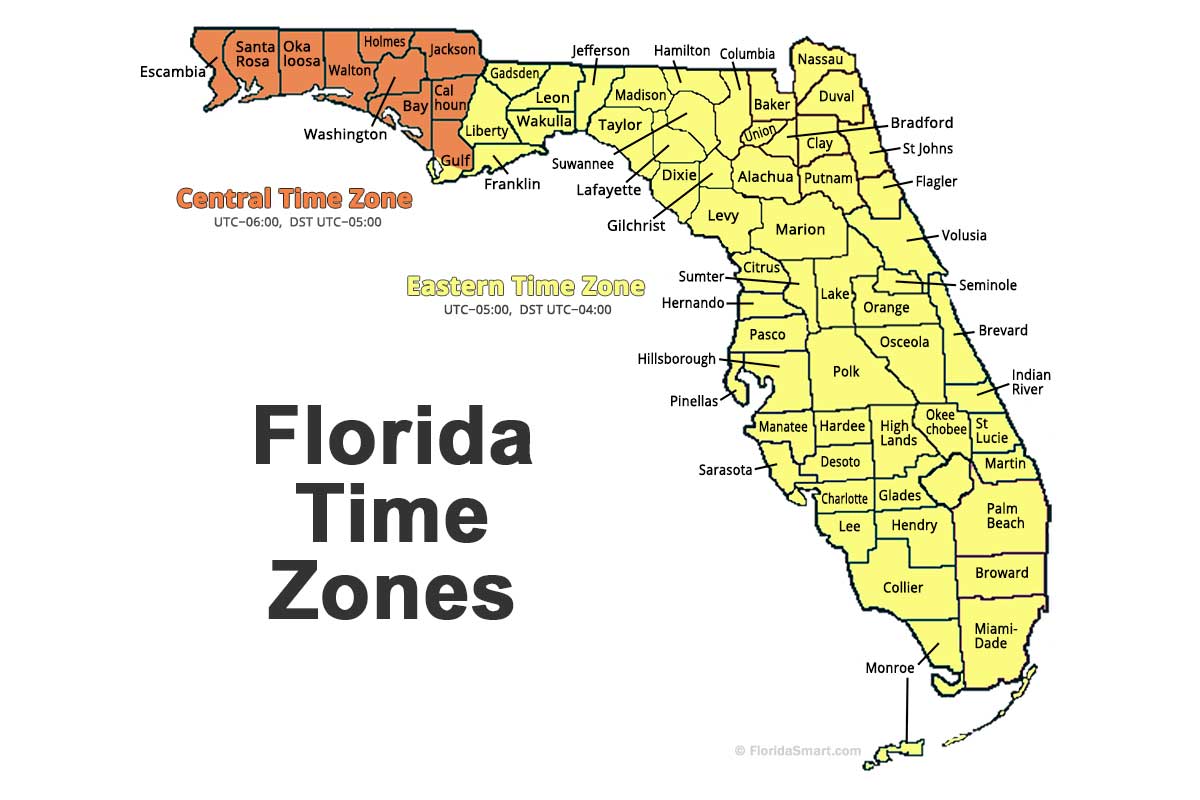
Florida’s temporal landscape is primarily divided between the Eastern Time Zone and the Central Time Zone, with the majority of the state adhering to the former. This geographical split often surprises first-time visitors but is a critical piece of information for anyone looking to optimize their itinerary.
Eastern Time Zone (EST/EDT): The Heartbeat of Florida
The vast majority of Florida operates on Eastern Standard Time (EST) during the cooler months and switches to Eastern Daylight Time (EDT) when Daylight Saving Time is in effect. This encompasses the state’s most populous regions and its iconic tourist hubs. Cities like Miami, Orlando, Tampa, Jacksonville, and the picturesque Florida Keys, along with bustling areas such as Fort Lauderdale, all fall within the Eastern Time Zone.
For travelers, this means that most flight arrivals and departures into major international airports, as well as the opening and closing hours of world-famous attractions like Walt Disney World Resort and Universal Studios Florida, will be governed by EST/EDT. When booking dining reservations at a luxurious Hyatt Regency Grand Cypress or planning a sunrise stroll along South Beach, you’ll primarily be working with Eastern Time. This consistent time reference across the primary tourist corridor simplifies planning for many, allowing for seamless transitions between destinations within this zone.
The Panhandle’s Exception: Central Time Zone (CST/CDT)
The westernmost counties of the Florida Panhandle diverge from the rest of the state, observing Central Standard Time (CST) in winter and Central Daylight Time (CDT) in summer. This includes popular vacation spots like Pensacola, Panama City Beach, and Destin. Even the state capital, Tallahassee, while largely in the Eastern Time Zone, has parts of its metropolitan area that spill into Central Time, creating a subtle but important distinction.
For those driving along Florida’s scenic Gulf Coast or hopping between destinations within the Panhandle, understanding this time zone shift is vital. A simple hour’s difference can affect appointment times, check-in windows for hotels like The Ritz-Carlton, Amelia Island (which is in Eastern Time but highlights the need for precision across the state), and even coordinating family gatherings if some members are in Eastern Florida and others are enjoying the beaches of Destin. Always double-check the time zone of your specific destination in the Panhandle to avoid any scheduling mishaps.
Time-Sensitive Travel Planning: Maximizing Your Florida Experience
Beyond simply knowing the current time, integrating time zone awareness into your travel planning is paramount for a stress-free and enriching Florida vacation. From the moment you book your trip to your daily activities, time plays a crucial role.
Booking and Accommodation Strategies
When planning your journey to Florida, meticulous attention to time zones during the booking phase can save you headaches later. Flight arrival and departure times are typically quoted in local time, so be mindful if you’re flying in from a different time zone or connecting through airports in different zones within Florida. A flight landing at “3:00 PM CST” in Pensacola is an hour earlier than a “3:00 PM EST” arrival in Orlando.
Accommodation bookings, whether for hotels, resorts, or vacation rentals through platforms like Airbnb or Vrbo, are also time-sensitive. Standard check-in times (e.g., 3:00 PM) and check-out times (e.g., 11:00 AM) are always based on the property’s local time zone. If you’re arriving from a Central Time location into an Eastern Time hotel, your internal clock might be an hour behind, potentially leading to an unexpected wait for your room or a rushed departure. For long-term stays, establishing a routine based on local time from day one helps with adjustment and ensures you make the most of your extended visit. Always confirm the time zone of your booked accommodation, especially if it’s near a time zone border.
Attractions, Activities, and Local Culture
Florida’s myriad attractions and activities adhere strictly to local operating hours. Theme parks, the jewels of Orlando tourism, such as Epcot and Magic Kingdom, publish their opening and closing times, parade schedules, and showtimes precisely. Missing an important show or character meet-and-greet by an hour due to a time zone miscalculation can be disappointing.
Beyond the parks, timings matter for every experience. Imagine planning to catch a breathtaking sunset over Clearwater Beach or South Beach; knowing the exact local sunset time is crucial. Guided tours, such as airboat rides in Everglades National Park or nature walks, run on strict schedules. Similarly, making dinner reservations, attending a local festival, or even planning a spontaneous visit to a museum like the Salvador Dalí Museum in St. Petersburg requires an accurate understanding of local time to ensure you don’t arrive too early, too late, or miss out entirely. For business travelers, adhering to local time is paramount for meetings, conferences, and coordinating with colleagues across different time zones.
Mastering Time Changes: Practical Tips for a Seamless Trip
Navigating Florida’s time zones and seasonal changes requires a few smart strategies to ensure your trip unfolds without a hitch.
Daylight Saving Time: Spring Forward, Fall Back
Like most of the United States, Florida observes Daylight Saving Time. This means that on the second Sunday in March, clocks “spring forward” an hour, and on the first Sunday in November, they “fall back” an hour. While this is largely automatic for modern devices, it’s essential to be aware of these dates, particularly if your travel plans coincide with a time change. A flight departing during a “spring forward” night might effectively lose an hour of your sleep, while a “fall back” might grant you an extra hour in bed or for exploring. Confirming opening hours around these dates, especially for attractions with early entry or late closing, is always a good practice.
Technology and Communication
Modern technology is your best friend when dealing with time zones. Most smartphones automatically adjust to local time upon entering a new zone, but it’s wise to double-check your device settings. Travel apps often integrate local times for attractions and bookings. Consider having a reliable travel watch with dual time zone display if you frequently cross the Eastern and Central Time Zone border in the Panhandle. Informing family and friends about your current time zone can also prevent confusion when communicating, especially if you’re calling home from Florida. For international travelers, understanding potential jet lag and factoring in adjustment time into the initial days of the itinerary can significantly enhance the overall experience.
Emergency Contacts and Local Services
In case of an unforeseen event, knowing the local time is crucial for contacting emergency services. Whether it’s a medical emergency requiring a hospital visit or needing to reach local police, all services operate on local time. This awareness extends to contacting hotel front desks, rental car agencies, or even local tour operators, ensuring timely assistance when you need it most.
Beyond the Clock: Experiencing Florida’s Lifestyle at Any Hour
While the clock dictates schedules, Florida’s diverse lifestyle offers experiences designed to be enjoyed from dawn till dusk and beyond, catering to every type of traveler.
From Sunrise to Sunset: Diverse Florida Experiences
Florida truly comes alive at every hour. Early risers can greet the morning with a serene breakfast overlooking the ocean in Fort Lauderdale or embark on an exhilarating airboat ride through the wetlands of the Kissimmee area, experiencing the state’s natural beauty before the crowds arrive.
As the sun climbs higher, the afternoon offers ample opportunities for cultural immersion or retail therapy. Explore the opulent boutiques of Bal Harbour Shops near Miami or delve into history at one of Florida’s many museums. Theme parks are in full swing, offering thrilling rides and captivating shows that punctuate the midday heat.
Evenings transform Florida into a hub of entertainment and relaxation. Enjoy world-class dining, catch a live performance, or immerse yourself in the vibrant nightlife of South Beach Miami. For a more tranquil end to the day, stargazing in the remote areas of the Florida Keys provides an unforgettable natural spectacle. Each experience, meticulously planned around the local time, contributes to a holistic travel adventure.
Seasonal and Event-Based Time Considerations
The rhythm of Florida also shifts with the seasons and major events. During peak seasons, such as spring break or holiday periods, attractions often extend their hours, and dining establishments might require reservations further in advance. Conversely, the off-season might see reduced hours for certain venues. Major events, from the international allure of Art Basel Miami Beach to the high-octane excitement of the Daytona 500, operate on specific schedules that can dictate your travel logistics, crowd management strategies, and even accommodation availability.
Families traveling with children will also find time awareness critical for planning activities around nap times and bedtimes, ensuring a smoother and more enjoyable trip for everyone. Budget travelers can leverage off-peak hours at attractions or dining to secure better rates and avoid large crowds, making careful time management a powerful tool for cost-effective exploration.

In conclusion, while the question “What time at Florida now?” might seem straightforward, its answer is a gateway to a deeper understanding of how to navigate and truly appreciate all that the Sunshine State has to offer. By being mindful of Florida’s dual time zones, understanding Daylight Saving Time’s impact, and strategically planning your bookings and activities, you ensure that every precious moment of your Florida journey is spent soaking in its beauty, culture, and unforgettable experiences, perfectly in sync with its unique rhythm.
LifeOutOfTheBox is a participant in the Amazon Services LLC Associates Program, an affiliate advertising program designed to provide a means for sites to earn advertising fees by advertising and linking to Amazon.com. Amazon, the Amazon logo, AmazonSupply, and the AmazonSupply logo are trademarks of Amazon.com, Inc. or its affiliates. As an Amazon Associate we earn affiliate commissions from qualifying purchases.