
Navigating the logistics of a journey to the vibrant heart of Louisiana, particularly New Orleans, often begins with a fundamental question: “How long will the flight take?” This inquiry is more than just a casual curiosity; it’s the bedrock upon which travel plans are built, influencing everything from packing strategies and potential jet lag management to the booking of accommodations and the anticipation of the rich experiences awaiting at your destination. The duration of your flight to New Orleans is a variable influenced by a confluence of factors, primarily your point of origin. Understanding these determinants is key to effectively planning your adventure.
Determining Flight Duration: The Crucial Variables
The time spent in the air en route to New Orleans is not a static figure. It fluctuates significantly based on several core components, each playing a vital role in the overall journey.
Distance and Departure Location
The most straightforward determinant of flight length is the geographical distance between your departure city and New Orleans. Flights originating from within the United States will naturally be shorter than those from international locales. For instance, a flight from a nearby hub like Atlanta will be a fraction of the time required for a transatlantic journey from London. The sheer expanse of the continent means that domestic flights can range from just a couple of hours to over five hours, while international routes can stretch to ten hours or more, excluding any necessary layovers.
Direct vs. Connecting Flights
The choice between a direct flight and one with layovers is perhaps the most impactful decision a traveler can make regarding flight duration. A direct flight, as the name suggests, takes you from your origin to New Orleans without any stops. These are generally the most time-efficient option. However, they may not always be available from every origin city or might be more expensive. Connecting flights involve a stop at an intermediate airport, where you will typically deplane, navigate the terminal, and board a different aircraft to continue to New Orleans. While these can sometimes offer cost savings or access to otherwise unavailable routes, they invariably add significant time to your total travel duration. The length of the layover itself can dramatically extend the overall journey, turning what could have been a five-hour flight into an eight or nine-hour ordeal.
Aircraft Type and Flight Path
While less commonly considered by the average traveler, the type of aircraft and the specific flight path can also subtly influence flight times. Modern, faster aircraft can shave minutes off longer journeys. More importantly, airlines optimize flight paths to take advantage of prevailing winds and air traffic control. For example, flights heading west may experience headwinds that slow them down, while eastbound flights might benefit from tailwinds, potentially reducing their travel time. Air traffic congestion in busy airspace around major hubs can also lead to minor delays or necessitate slower speeds.
Estimated Flight Times from Major Hubs
To provide a clearer picture, here’s a look at estimated flight times to New Orleans from various common departure points. These are approximate and can vary based on the factors mentioned above.
Domestic Flights within the United States
For travelers within the continental United States, the flight to New Orleans is generally manageable.
- East Coast: From cities like New York City, Boston, or Miami, expect flights to typically range from 2.5 to 4 hours. These are often direct routes.
- Midwest: From hubs like Chicago or Detroit, flights are usually around 2.5 to 3.5 hours.
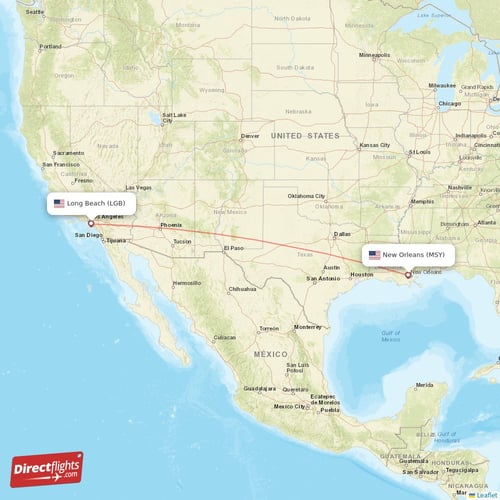
- West Coast: Traveling from Los Angeles or San Francisco to New Orleans represents a longer domestic journey, typically falling between 4.5 to 5.5 hours for direct flights.
- Southwest: Cities like Dallas or Houston offer relatively shorter flights, often around 1.5 to 2.5 hours.
International Flights
For those arriving from beyond US borders, the flight durations increase substantially.
- Canada: Flights from major Canadian cities like Toronto or Montreal generally range from 3.5 to 5 hours.
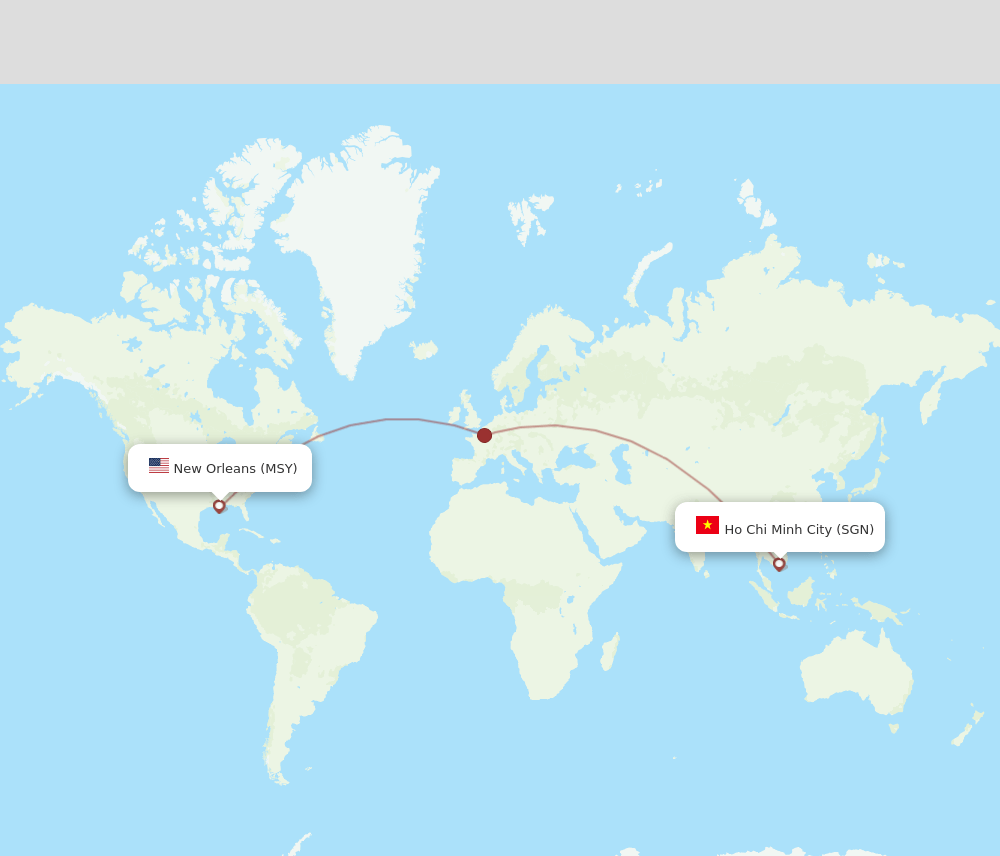
- Europe: Transatlantic flights from cities such as London, Paris, or Frankfurt to New Orleans (often involving a connection in a major US hub like Atlanta or Charlotte) can take anywhere from 8 to 12 hours or more, depending on the layover. Non-stop flights from Europe to New Orleans are less common and might only be available from a few key gateways.
- Mexico: Flights from Mexico City are relatively short, typically around 3 to 4 hours.
- Caribbean: Depending on the specific island, flights from the Caribbean can range from 3 to 6 hours, often with a connection.
It’s crucial to remember that these are just estimates for the flight time itself. The total travel time will also include the time spent at the airport before departure (check-in, security) and the time taken to deplane and collect luggage upon arrival.
Strategies for Managing Longer Flights
The prospect of a long flight can be daunting, but with proper preparation, the experience can be significantly more comfortable and enjoyable.
Pre-Flight Preparation
- Choose Your Seat Wisely: If possible, select a seat in advance. Window seats offer a place to lean, while aisle seats provide easier access to the lavatory and to stretch your legs. Some airlines offer premium economy or business class seats with more legroom and amenities, which can be a worthwhile investment for very long journeys.
- Pack Smart: Ensure you have a comfortable travel pillow, a blanket, and any personal entertainment devices (books, tablets loaded with movies or shows). Noise-canceling headphones are invaluable for blocking out cabin noise.
- Dress Comfortably: Wear loose, breathable clothing. Layers are recommended, as cabin temperatures can fluctuate. Comfortable shoes are a must.
- Stay Hydrated: Drink plenty of water before and during the flight. Avoid excessive alcohol and caffeine, which can dehydrate you.
During the Flight
- Move Around: Get up and walk the aisle every hour or so to improve circulation and prevent stiffness. Simple in-seat stretches can also be beneficial.
- Utilize In-Flight Entertainment: Most long-haul flights offer a selection of movies, TV shows, and music.
- Snacks and Meals: Eat light and healthy meals. Bring your own snacks if you have dietary restrictions or preferences.
- Sleep: Try to sleep during periods that align with the night in New Orleans. This can help mitigate jet lag.

The Reward: Experiencing New Orleans
Regardless of the flight duration, the ultimate reward is the immersive experience that awaits in New Orleans. From the soulful jazz music spilling onto the streets of the French Quarter to the delectable flavors of Creole and Cajun cuisine, the city offers a unique cultural tapestry. Anticipate the vibrant atmosphere of Bourbon Street, the historic charm of Garden District mansions, and the rich history found at sites like the National WWII Museum. Understanding your flight time allows you to better plan your arrival and begin soaking in the magic of this enchanting city without unnecessary travel stress.
LifeOutOfTheBox is a participant in the Amazon Services LLC Associates Program, an affiliate advertising program designed to provide a means for sites to earn advertising fees by advertising and linking to Amazon.com. Amazon, the Amazon logo, AmazonSupply, and the AmazonSupply logo are trademarks of Amazon.com, Inc. or its affiliates. As an Amazon Associate we earn affiliate commissions from qualifying purchases.