
The French Quarter of New Orleans, a vibrant tapestry of history, architecture, and intoxicating culture, often sparks a crucial question for prospective visitors: “Is it safe?” This iconic neighborhood, with its wrought-iron balconies, lively jazz clubs, and the alluring scent of Creole cuisine, is undeniably a major draw for tourists worldwide. However, like any densely populated urban area with a rich and sometimes tumultuous past, understanding safety is paramount for an enjoyable and worry-free experience. This exploration delves into the nuances of safety in the French Quarter, offering insights and practical advice for navigating its streets with confidence.
Understanding Safety Perceptions and Realities
Safety in any destination is a multifaceted concept, influenced by personal experiences, media portrayals, and statistical data. The French Quarter is no exception. While it draws millions of visitors annually, and the vast majority have uneventful and delightful trips, it’s important to acknowledge that crime, like in any major city, does exist. This section aims to provide a balanced perspective, separating anecdotal perceptions from tangible realities to help travelers make informed decisions.
Statistics vs. Street Smarts: A Balanced View
While official crime statistics can be a useful indicator, they often fail to capture the lived experience of visitors. The French Quarter experiences a higher volume of petty crimes such as pickpocketing and bag snatching, particularly in crowded areas and during peak tourist times, such as Mardi Gras or Jazz Fest. These incidents are often opportunistic and can be mitigated with basic precautions. Violent crime is less common, especially in well-trafficked tourist zones. It’s crucial to remember that crime rates can fluctuate and vary significantly by block and time of day. Focusing on awareness and employing common-sense safety measures will significantly enhance your sense of security.
The Impact of Tourism Density
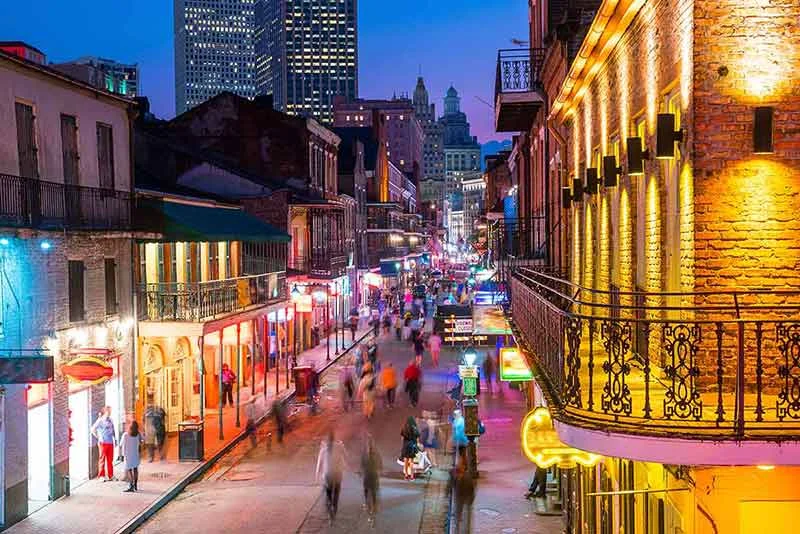
The sheer density of tourism in the French Quarter inherently creates a dynamic environment. High foot traffic, especially along main thoroughfares like Bourbon Street and Royal Street, means increased potential for both positive and negative interactions. While this density often contributes to a lively and safe-feeling atmosphere due to the presence of crowds and visible law enforcement, it also presents opportunities for those looking to exploit unsuspecting visitors. Understanding the ebb and flow of crowds and being mindful of your surroundings during peak hours is a simple yet effective safety strategy.
Navigating the French Quarter: Practical Safety Tips
A well-prepared traveler is a safe traveler. The French Quarter offers a unique urban adventure, and with a few proactive steps, visitors can fully immerse themselves in its charm without undue concern. This section provides actionable advice for enhancing personal safety and security.
Awareness and Preparedness: Your Best Defense
The cornerstone of safety in any unfamiliar environment is situational awareness. This means being conscious of your surroundings at all times. Avoid appearing disoriented or lost, and keep your valuables secure and out of sight.
- Stay Alert: Be mindful of who is around you, especially in crowded areas. Avoid distractions like constantly looking at your phone or wearing headphones that block out ambient noise.
- Secure Valuables: Use a money belt or a secure inner pocket for cash and credit cards. Keep purses and backpacks closed and in front of you. Never leave bags unattended.
- Know Your Route: Before heading out, familiarize yourself with the general layout of the French Quarter and the specific streets you plan to visit. Consider using a map or a reliable navigation app.
- Trust Your Instincts: If a situation or an individual makes you feel uncomfortable, remove yourself from it. It is always better to be overly cautious than to regret a missed warning sign.
Navigating at Different Times of Day and Night
The character of the French Quarter shifts as the sun sets. While the nightlife is a significant draw, nocturnal exploration requires a different level of caution.
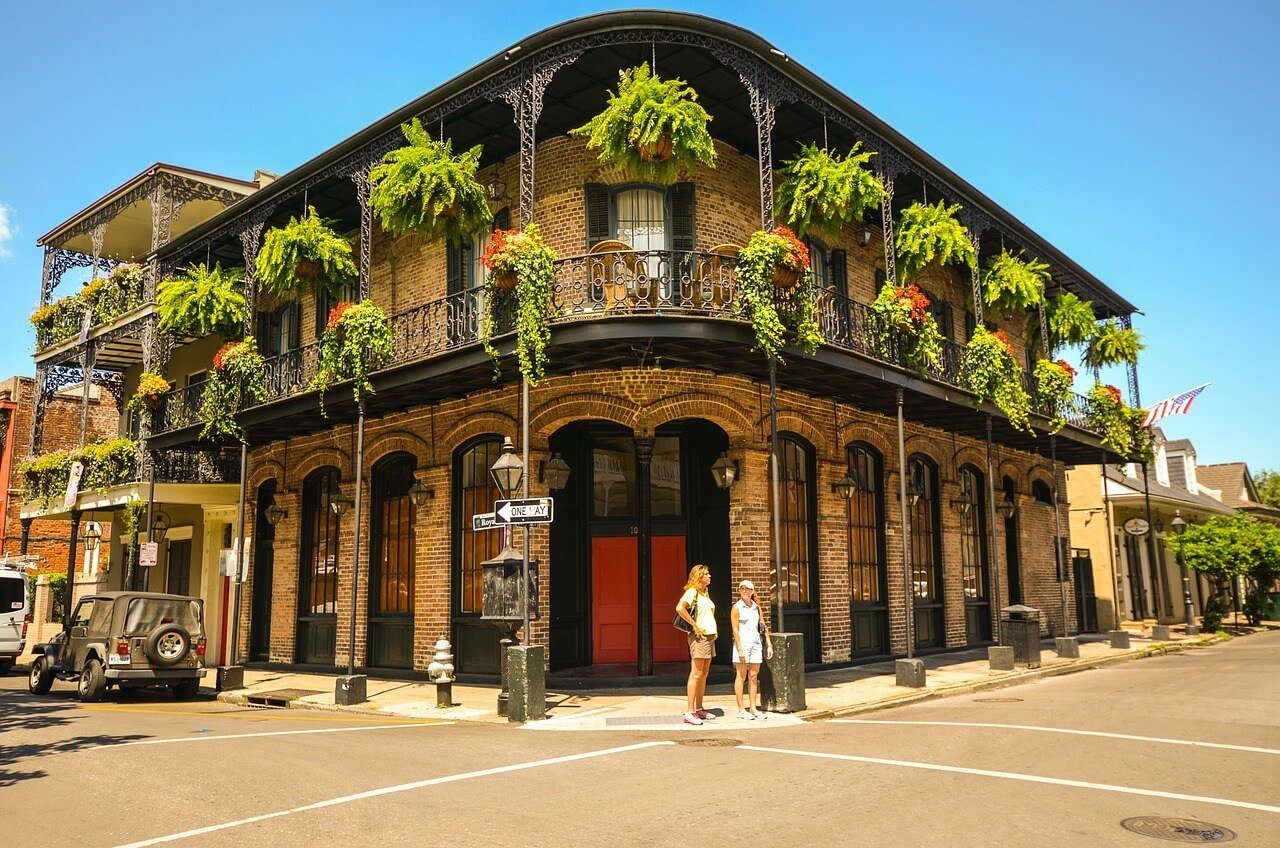
- Daytime Exploration: During daylight hours, the French Quarter is generally very safe, especially along its main streets. Enjoy the vibrant atmosphere, visit iconic landmarks like Jackson Square and the St. Louis Cathedral, and browse the unique shops.
- Evening and Nighttime: As evening approaches, particularly on weekends and around popular entertainment districts like Bourbon Street, the atmosphere becomes more boisterous. Stick to well-lit and populated areas. Avoid walking alone down dimly lit or deserted side streets. If you are out late, consider using reputable taxi services or ride-sharing apps, especially when traveling to or from your accommodation. Be aware of your alcohol consumption, as impaired judgment can make you more vulnerable.
Responsible Tourism Practices
Being a responsible tourist not only benefits the local community but also contributes to your own safety and the overall positive perception of visitors.
- Respect Local Laws and Customs: Familiarize yourself with any local ordinances, such as open container laws, and be respectful of the community’s traditions and way of life.
- Be Mindful of Public Displays: While the French Quarter is known for its lively atmosphere, excessive or disruptive behavior can attract unwanted attention.
- Support Local Businesses: Patronizing legitimate establishments, from hotels like the Hotel Monteleone to restaurants and shops, often means being in well-maintained and safer environments.
Safety Resources and Emergency Preparedness
Knowing how to access help and being prepared for minor emergencies can significantly enhance peace of mind while exploring the French Quarter.
Emergency Contact Information
In case of an emergency, prompt and reliable assistance is crucial. Keeping essential contact information readily accessible is a wise precaution.
- Dial 911: For any immediate threat or emergency, dial 911. This is the universal emergency number in the United States and will connect you with police, fire, or medical services.
- Local Police Precinct: While 911 is for immediate emergencies, knowing the non-emergency number for the local New Orleans Police Department precinct can be useful for reporting non-urgent issues or seeking general assistance. This information is typically available at your hotel or through official city resources.
- Hotel Concierge/Staff: Your hotel’s staff, whether at the Ritz-Carlton, New Orleans or a charming boutique inn, are valuable resources. They are often knowledgeable about the immediate area and can provide guidance on safe routes, local advisories, and assistance in case of an incident.
Staying Connected and Informed
In today’s connected world, technology can be a powerful tool for staying safe and informed.
- Mobile Devices: Ensure your mobile phone is fully charged and consider carrying a portable power bank, especially if you plan on being out for extended periods.
- Local News and Advisories: Keep an eye on local news outlets or official city social media channels for any developing situations or advisories that might impact your plans.
- Share Your Itinerary: It’s a good practice to share your general itinerary with a trusted friend or family member back home, letting them know where you are staying and your approximate plans.
Conclusion: Embracing the Magic of the French Quarter Safely
The French Quarter of New Orleans offers an unparalleled travel experience. Its historical significance, architectural beauty, and vibrant cultural tapestry create an atmosphere that is both enchanting and captivating. By understanding the realities of safety, employing common-sense precautions, and staying informed, visitors can navigate its charming streets with confidence and fully embrace the magic that this extraordinary district has to offer. The key lies not in avoiding the destination due to perceived risks, but in approaching your visit with a mindful and prepared attitude, allowing the rich experiences of New Orleans to unfold seamlessly and memorably.
LifeOutOfTheBox is a participant in the Amazon Services LLC Associates Program, an affiliate advertising program designed to provide a means for sites to earn advertising fees by advertising and linking to Amazon.com. Amazon, the Amazon logo, AmazonSupply, and the AmazonSupply logo are trademarks of Amazon.com, Inc. or its affiliates. As an Amazon Associate we earn affiliate commissions from qualifying purchases.