
Navigating any new city, especially one as vibrant and historically rich as New Orleans, naturally brings questions about safety. The Crescent City, renowned for its intoxicating blend of French, Spanish, and African influences, its soulful music, and its unparalleled cuisine, is a top destination for millions of travelers each year. Understanding the nuances of safety in New Orleans allows visitors to fully immerse themselves in its unique charm without unnecessary concern. This guide aims to provide a balanced perspective, offering practical advice and insights to ensure a secure and enjoyable experience for every tourist.
Understanding the Safety Landscape
New Orleans is a city that thrives on its distinct character and the energy of its people. Like any major urban center, it presents a range of considerations for visitors. Focusing on awareness and adopting sensible precautions are key to mitigating potential risks.
General Safety Precautions for Urban Exploration
When exploring any bustling city, a proactive approach to personal safety is always recommended. This includes being mindful of your surroundings, especially in crowded areas such as the French Quarter or during major events like Mardi Gras.
- Situational Awareness: Pay attention to who is around you. Avoid displaying large amounts of cash or expensive jewelry. Keep your belongings secure, especially in crowded tourist spots.
- Nighttime Travel: While New Orleans comes alive after dark, it’s advisable to stick to well-lit and populated areas when walking at night. Consider using ride-sharing services or taxis for transportation after dark, particularly when traveling alone.
- Valuables: Never leave bags or personal items unattended. Be cautious of pickpockets, especially in areas with high foot traffic.
- Information Security: Be wary of unsolicited advice from strangers offering tours or services, and be cautious about sharing personal information.
Understanding Crime Statistics and Trends
It is important to acknowledge that like many large cities in the United States, New Orleans has experienced its share of crime. However, statistics should be viewed in context. Tourist areas, while not immune, are often subject to increased police presence. Local authorities are generally committed to ensuring the safety of visitors.
- Focus on Tourist Zones: Many reported incidents are concentrated in specific areas. Understanding these patterns can help visitors make informed decisions about where and when they explore.
- Police Presence: Areas like the French Quarter, Bourbon Street, and the Frenchmen Street music district typically have visible law enforcement presence, contributing to a safer environment.
- Reporting Incidents: If you witness or are a victim of a crime, report it immediately to the New Orleans Police Department.
Navigating Specific Neighborhoods and Activities
New Orleans is a city of distinct neighborhoods, each with its own atmosphere and character. Awareness of the specific safety considerations for each area can enhance your visit.
French Quarter and Its Surroundings
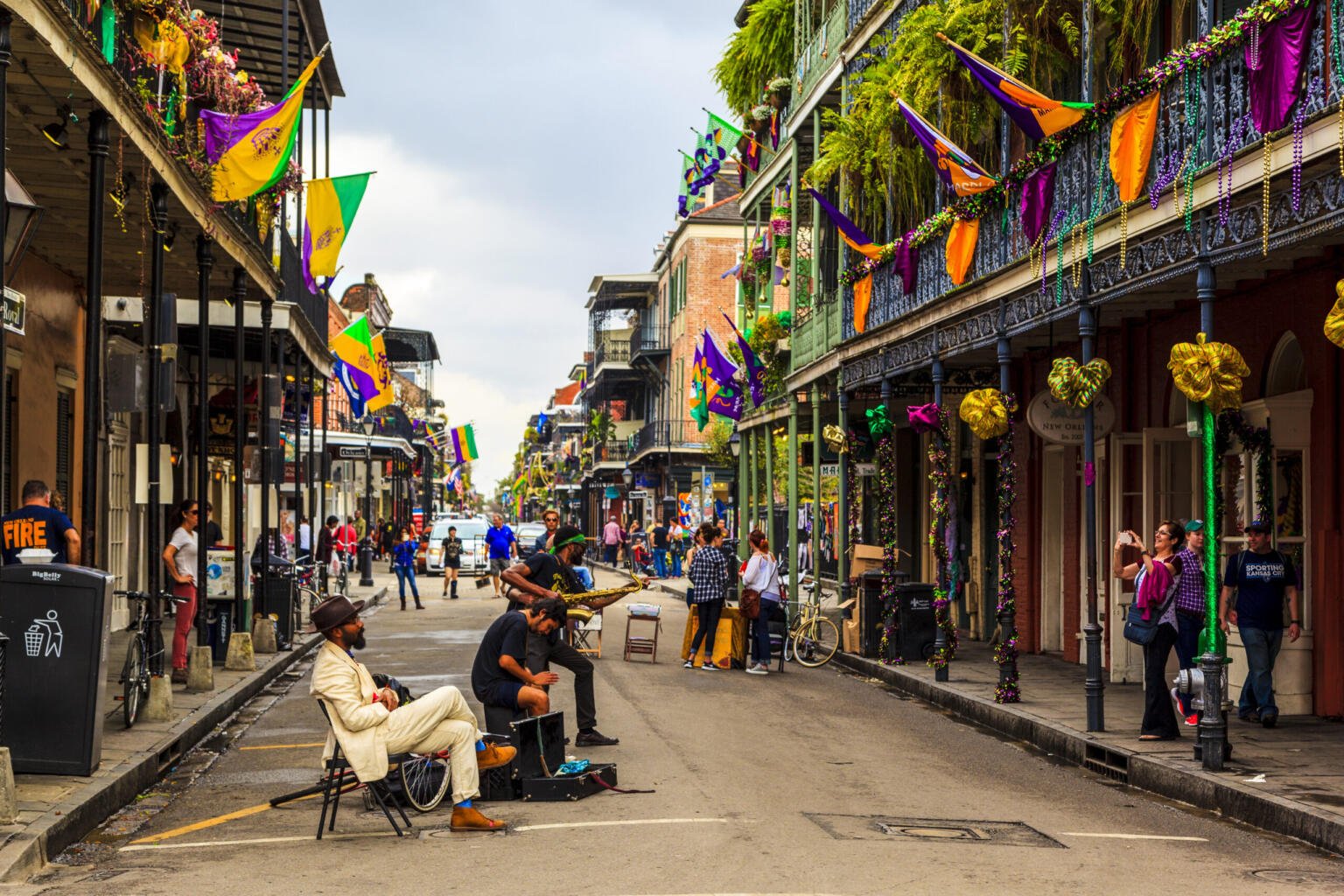
The French Quarter is the heart of New Orleans tourism, drawing visitors to its historic architecture, lively music venues, and unique shops. While it is generally safe, especially during the day, it’s important to remain vigilant.
- Daytime Exploration: During daylight hours, the French Quarter is a popular and relatively safe area to wander, taking in sights like Jackson Square, the St. Louis Cathedral, and browsing the shops along Royal Street.
- Nighttime Caution: As evening falls, Bourbon Street and surrounding areas become significantly more crowded and can attract a more boisterous crowd. It’s wise to stay on well-lit main streets and be aware of your surroundings. Avoid venturing into dimly lit alleys.
- Public Transportation and Taxis: If you are staying outside the immediate French Quarter, utilizing taxis or ride-sharing services is a good option for late-night travel.
Garden District and Other Residential Areas

The Garden District, known for its stunning mansions and oak-lined streets, offers a more serene experience. While generally considered safe, it is a residential area, and standard precautions should be observed.
- Daytime Strolls: Walking tours of the Garden District are a popular activity and are generally safe during the day. Admire the impressive architecture and lush landscapes.
- Respecting Private Property: Remember that these are private residences. Stick to public sidewalks and do not trespass.
- Evening Travel: If venturing out in the evening, it is advisable to use transportation rather than walking long distances between attractions.
Arts/Warehouse District and Downtown
The Arts/Warehouse District and the Downtown area are hubs for cultural institutions, restaurants, and business. These areas have seen significant revitalization and offer a safe and engaging experience for visitors.
- Museums and Galleries: Popular attractions like the National WWII Museum and various art galleries are located here and are safe, well-managed environments.
- Dining and Entertainment: The dining scene in these districts is vibrant, with many restaurants and bars. Stick to well-populated areas, especially after dark.
Proactive Safety Measures for Tourists
Taking proactive steps can significantly enhance your sense of security and your overall travel experience in New Orleans.
Staying Connected and Informed
- Emergency Contacts: Keep a list of important phone numbers readily accessible, including local emergency services (911), your hotel’s front desk, and contact information for your embassy or consulate if you are an international traveler.
- Mobile Phone: Ensure your mobile phone is fully charged. Consider purchasing a local SIM card or checking your international plan for data usage to stay connected for navigation and communication.
- Share Your Itinerary: Inform a trusted friend or family member back home about your travel plans and expected check-in times.
Transportation Safety
- Reputable Services: When using taxis or ride-sharing services, ensure you are using official apps or licensed taxis. Confirm the driver and vehicle match the information provided.
- Streetcars and Buses: New Orleans has a public transportation system, including historic streetcars that run along St. Charles Avenue and Canal Street. These are generally safe during operating hours, but exercise the same precautions as you would on any public transit.
- Walking: While walking is a great way to experience the city, be aware of your surroundings. Use sidewalks and cross streets at designated crosswalks.
Accommodation Safety
Your choice of accommodation can also play a role in your safety.
- Hotel Security: When booking hotels, such as the Roosevelt New Orleans, a Waldorf Astoria Hotel, or the Windsor Court Hotel, familiarize yourself with their security measures. Utilize room safes for valuables and always lock your door and windows.
- Vacation Rentals: If opting for vacation rentals, read reviews carefully, paying attention to comments regarding safety and the neighborhood. Ensure the rental is in a well-lit and secure area.
Embracing the Spirit of New Orleans Safely
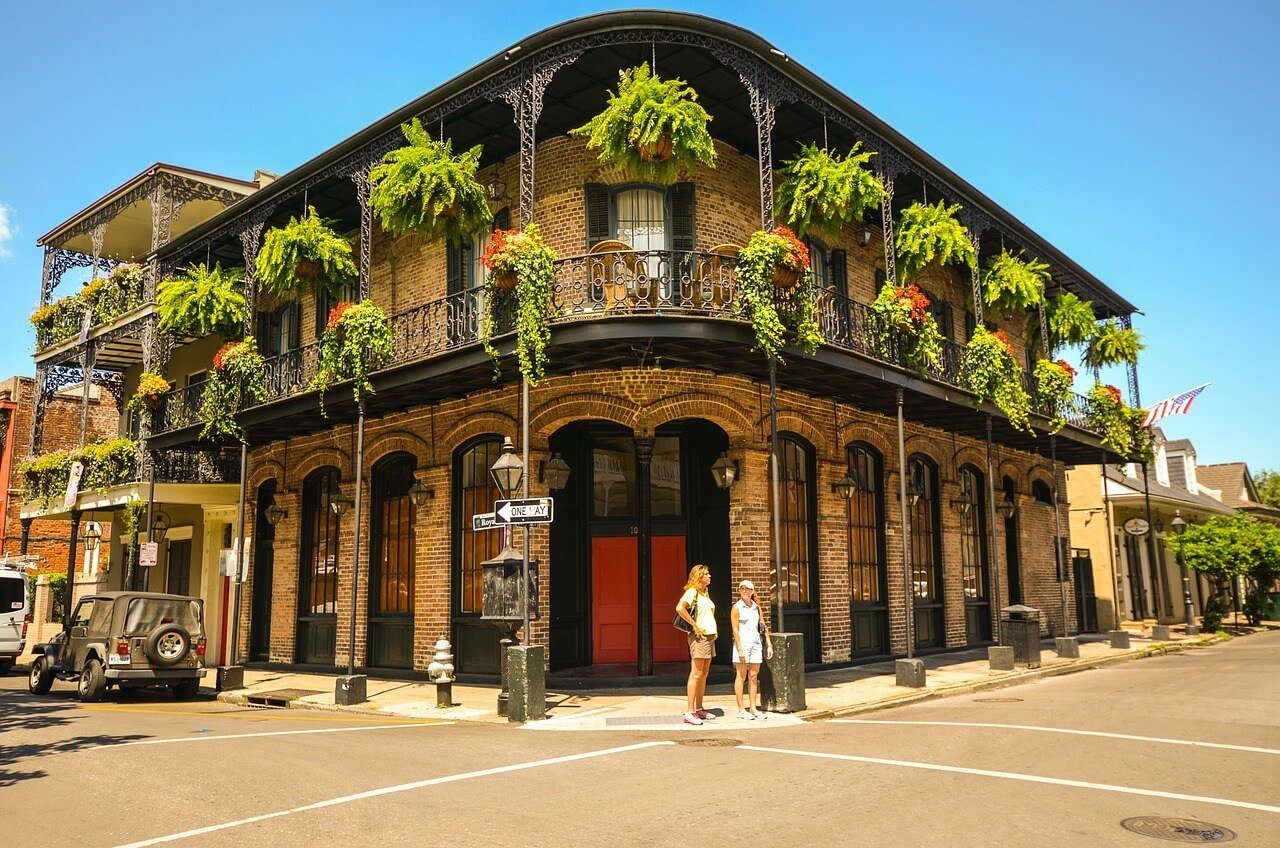
New Orleans is a city that rewards the curious and the respectful. Its unparalleled culture, from the vibrant sounds of Frenchmen Street to the delicious flavors of a classic muffuletta, is an experience to be savored. By staying informed, being aware of your surroundings, and taking sensible precautions, you can confidently explore all that this magical city has to offer. The key to a safe and memorable trip lies in a balanced approach: embrace the extraordinary energy of New Orleans with open arms, while maintaining a prudent awareness that allows you to fully immerse yourself in its unforgettable charm.
LifeOutOfTheBox is a participant in the Amazon Services LLC Associates Program, an affiliate advertising program designed to provide a means for sites to earn advertising fees by advertising and linking to Amazon.com. Amazon, the Amazon logo, AmazonSupply, and the AmazonSupply logo are trademarks of Amazon.com, Inc. or its affiliates. As an Amazon Associate we earn affiliate commissions from qualifying purchases.