
The allure of the French Quarter in New Orleans is undeniable. A vibrant tapestry of historic architecture, infectious jazz music, and a culinary scene that tantalizes the senses, it’s a destination that draws millions of visitors each year. However, like any major urban area, questions about safety invariably arise, particularly for those planning a visit. Navigating the charming, gas-lit streets requires an understanding of the realities of its environment. This article aims to provide a comprehensive and balanced perspective on safety in the French Quarter, empowering travelers with the knowledge to enjoy its magic responsibly.
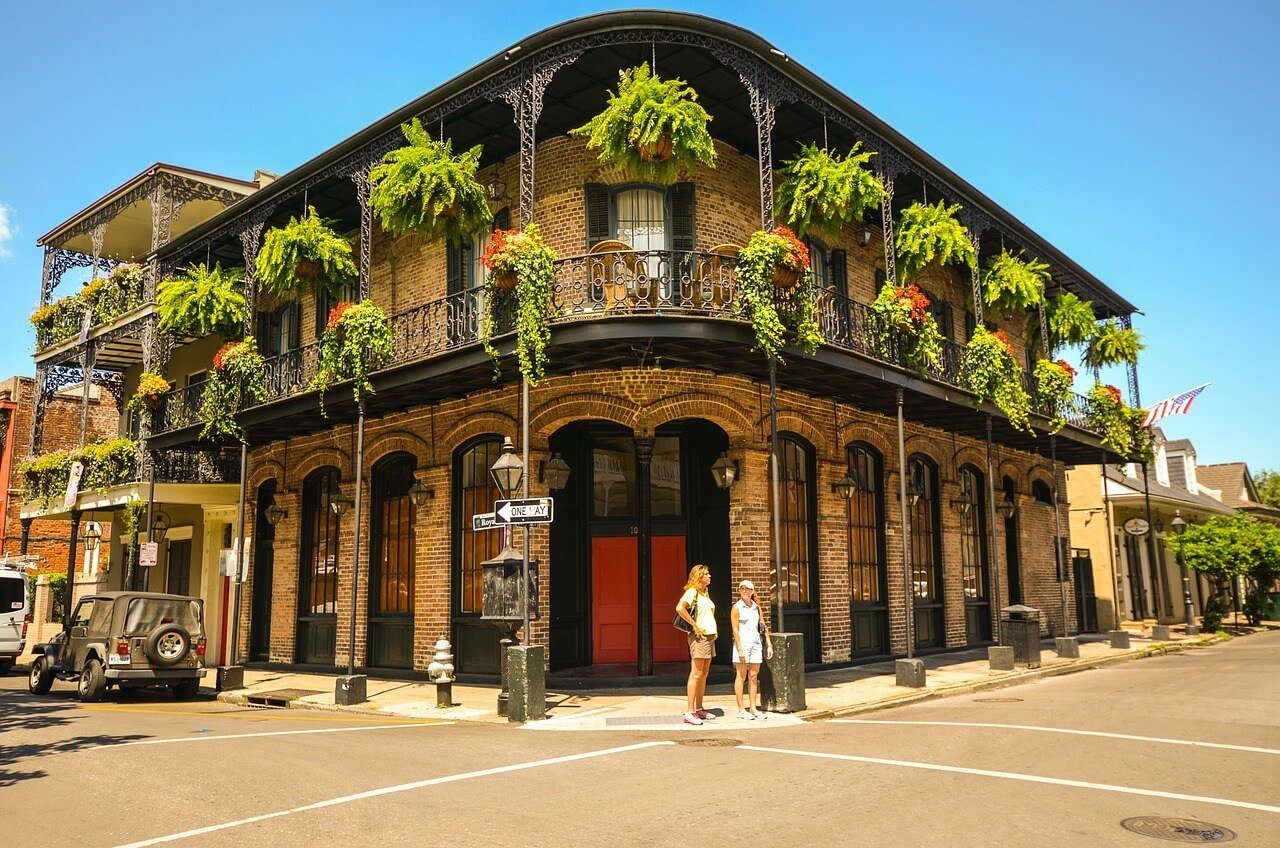
Understanding the Nuances of Safety in the French Quarter
The perception of safety can be subjective and is often influenced by personal experiences, media portrayals, and general awareness of urban environments. The French Quarter, with its lively nightlife and bustling crowds, presents a unique set of considerations. It’s important to differentiate between general urban safety concerns and specific issues that might be more prevalent in this historic district.
Crime Statistics and Trends
While specific, up-to-the-minute crime statistics can fluctuate, the French Quarter does experience certain types of crime. These are often petty crimes such as pickpocketing, particularly in crowded areas like Bourbon Street. More serious incidents, while less common, can also occur, and it’s prudent to be aware of your surroundings. The New Orleans Police Department actively patrols the area, especially during peak tourist seasons and major events. Understanding that this is a busy tourist hub means that crimes of opportunity targeting visitors are a reality that authorities work to mitigate. It’s crucial for visitors to stay informed about any current advisories or concerns reported by local law enforcement or reputable travel advisories.
Perception vs. Reality: Navigating the Stereotypes
The romanticized image of the French Quarter often clashes with the practical realities of urban living. Stories of crime can sometimes overshadow the positive experiences of the vast majority of visitors. It’s important to approach safety with a balanced perspective, recognizing that sensationalized accounts may not reflect the everyday reality for most who visit and live here. The presence of large crowds, the consumption of alcohol, and the late-night atmosphere contribute to a perception that can sometimes be amplified. However, with basic precautions, most visitors have a safe and enjoyable experience.
Essential Safety Practices for French Quarter Visitors
A proactive approach to personal safety is key to enjoying the French Quarter without undue worry. By adopting sensible habits and staying aware, travelers can significantly reduce their risk of becoming a victim of crime.
Situational Awareness and Vigilance
The most critical tool for personal safety is situational awareness. This means being mindful of your surroundings at all times. When walking, avoid being overly distracted by your phone or other devices. Pay attention to the people around you, especially in crowded areas or when walking alone at night. Trust your instincts; if a situation feels uncomfortable or unsafe, remove yourself from it. This includes being aware of individuals who may seem overly aggressive in their solicitations or attempts to engage you.
Navigating the Streets at Night
While the French Quarter is renowned for its vibrant nightlife, exploring its streets after dark requires extra caution. Stick to well-lit and populated areas. Avoid dimly lit alleys or deserted side streets, even if they seem like a shortcut. If you are going out late, consider walking with a group or using ride-sharing services. Familiarize yourself with the main thoroughfares like Bourbon Street, Royal Street, and Chartres Street, as these tend to be more heavily patrolled and frequented.
Protecting Valuables
Theft is often opportunistic. Keep your valuables secure and out of sight. Use a cross-body bag that can be worn in front of you, and avoid displaying expensive jewelry or electronics. When dining or drinking, keep your purse or wallet on your lap or secured to your chair. Be wary of distractions, as these can be used as diversions for pickpockets.
Transportation and Accommodation Safety
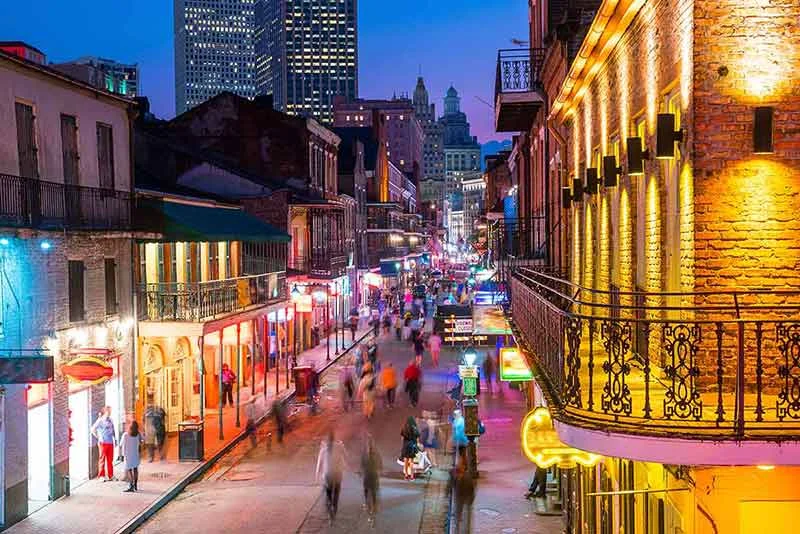
The safety considerations extend beyond just walking the streets. Your choice of accommodation and how you get around also play a role.
Choosing Safe Accommodation
When booking your stay, consider the location of your hotel or rental. While many hotels are located within or very close to the French Quarter, research reviews that mention safety and neighborhood feel. Hotels that are well-lit, have active staff, and secure entry systems offer an added layer of security. Staying in reputable establishments such as The Roosevelt New Orleans, A Waldorf Astoria Hotel or Hotel Monteleone generally provides a secure and comfortable base. Always keep your hotel room door locked, even when you are inside.
Utilizing Transportation Wisely
When it comes to getting around, ride-sharing services like Uber and Lyft are popular and generally safe options. Always verify the car and driver match the information provided in the app before getting in. Taxis are also a viable option, but ensure you are using a licensed service. The historic streetcars that run through the city, including some routes near the French Quarter, can be a charming way to travel, but be mindful of your belongings and surroundings, especially during off-peak hours.
Embracing the French Quarter’s Charm Safely
The French Quarter is a place of unparalleled cultural richness and vibrant energy. By approaching your visit with awareness and by following common-sense safety guidelines, you can immerse yourself in its unique atmosphere without compromising your well-being.
Responsible Tourism and Local Etiquette
Being a responsible tourist involves respecting the local community and its customs. This includes being mindful of noise levels, especially late at night, and respecting private property. Engaging with locals in a respectful manner can often lead to richer experiences and a better understanding of the area. Familiarizing yourself with local laws and regulations is also part of responsible tourism.
Staying Informed and Connected
Before and during your trip, it’s beneficial to stay informed. Check reputable travel advisories for any specific concerns. Ensure you have a charged mobile phone to stay connected and to call for assistance if needed. Know the local emergency number (911). Sharing your itinerary with a trusted friend or family member back home can also provide an added layer of security.
Enjoying the Attractions and Experiences
The French Quarter offers a wealth of attractions, from the historic Jackson Square and St. Louis Cathedral to the lively music venues on Frenchmen Street.
Daytime Exploration
During the day, the French Quarter is generally very safe. Exploring its charming courtyards, browsing the antique shops on Royal Street, or visiting the Preservation Hall are activities enjoyed by many without incident. Daylight hours are ideal for leisurely strolls and soaking in the architectural beauty and historical significance of the area.
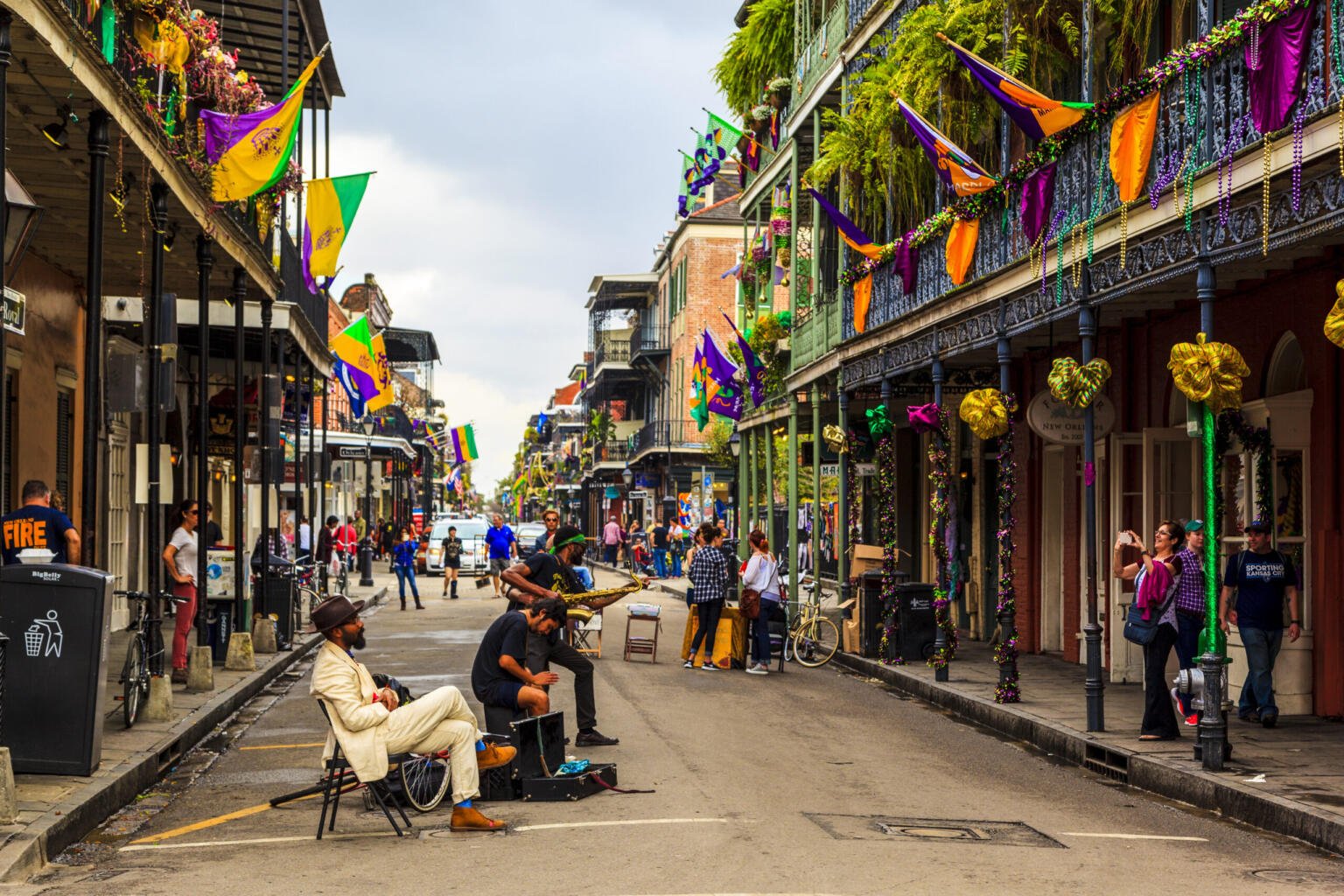
Evening and Nightlife Considerations
As evening descends, the atmosphere of the French Quarter transforms. While the energy of places like Bourbon Street is a major draw, it’s also when heightened awareness is most important. Enjoy the live music, the diverse culinary offerings, and the unique street performances, but do so with vigilance. Consider visiting popular and well-established music clubs and restaurants that have a good reputation for safety.
In conclusion, the French Quarter is a magical destination that offers an unforgettable experience. By understanding the potential risks and implementing practical safety measures, visitors can confidently explore its wonders and create lasting memories. A safe and enjoyable trip to this iconic New Orleans neighborhood is well within reach for the prepared traveler.
LifeOutOfTheBox is a participant in the Amazon Services LLC Associates Program, an affiliate advertising program designed to provide a means for sites to earn advertising fees by advertising and linking to Amazon.com. Amazon, the Amazon logo, AmazonSupply, and the AmazonSupply logo are trademarks of Amazon.com, Inc. or its affiliates. As an Amazon Associate we earn affiliate commissions from qualifying purchases.