
For anyone planning a trip to the Sunshine State, understanding the local time is often the first logistical detail that comes to mind. Whether you’re coordinating flights, booking dining reservations, or simply trying to call loved ones back home, knowing the exact time in your destination is paramount. In the bustling heart of Central Florida, Orlando, the world-renowned theme park capital, operates on a specific time schedule that directly impacts every aspect of a visitor’s experience. From the moment you touch down at Orlando International Airport to the final fireworks display over Cinderella Castle, time dictates the rhythm of your vacation.
This guide delves into the specifics of Orlando’s time zone, its implications for travelers from various parts of the globe, and how understanding this crucial detail can help you meticulously plan an unforgettable journey. Beyond just knowing the hour, we’ll explore how time influences everything from park operating hours and restaurant bookings to the best seasons for visiting and strategies for overcoming jet lag, ensuring your Orlando adventure is as seamless and enjoyable as possible.
Understanding Orlando’s Time Zone: EST and EDT
Orlando, like the majority of Florida and the eastern seaboard of the United States, observes the Eastern Time Zone. This means it switches between Eastern Standard Time (EST) during the cooler months and Eastern Daylight Time (EDT) as the days grow longer. This shift is a critical consideration for travelers, particularly those arriving from different time zones or planning specific events.
Navigating Eastern Standard Time (EST) and Eastern Daylight Time (EDT)
During the non-daylight saving period, typically from early November to mid-March, Orlando operates on Eastern Standard Time (EST). This time zone is UTC-5 (Coordinated Universal Time minus five hours) or GMT-5 (Greenwich Mean Time minus five hours). This means that if it’s noon UTC or GMT, it would be 7:00 AM in Orlando during EST.
However, once Daylight Saving Time commences, usually on the second Sunday in March, Orlando springs forward an hour, switching to Eastern Daylight Time (EDT). At this point, the time zone becomes UTC-4 or GMT-4. This change provides an extra hour of daylight in the evenings, which is particularly beneficial for visitors looking to maximize their time in the parks or enjoying outdoor activities after a day of exploration. The shift back to EST occurs on the first Sunday in November, when clocks fall back an hour.
For international travelers, especially those from Europe, Asia, or Australia, this difference can be substantial. For example, London is typically five hours ahead of Orlando during EDT and six hours during EST, while Sydney can be 14 to 16 hours ahead. Being aware of these precise offsets is crucial for communicating with home, attending virtual meetings, or simply adjusting your internal clock.
The Impact of Time Zones on Travel Planning
The subtle yet significant difference between EST and EDT, combined with potential international time zone variations, has a direct bearing on several aspects of travel planning:
- Arrival and Departure Times: Flight schedules are always listed in local time. When booking, double-check if your arrival and departure cities observe Daylight Saving Time and adjust your personal calculations accordingly. A flight departing at 9 AM from a different time zone might feel earlier or later than anticipated.
- Hotel Check-in/Check-out: Most hotels in Orlando have standard check-in times around 3:00 PM or 4:00 PM and check-out times around 11:00 AM or noon, all in local time. If you arrive early after a long flight, knowing the local time helps manage expectations for early check-in or planning activities until your room is ready.
- Park Operating Hours: Orlando’s world-famous theme parks, such as Walt Disney World Resort and Universal Orlando Resort, often adjust their opening and closing times seasonally and even daily. These hours are always displayed in local Orlando time. Being off by even an hour can mean missing rope drop, an early dining reservation, or the last spectacular fireworks show.
- Dining Reservations: Popular restaurants, especially those within the theme parks or at high-end resorts, often require reservations weeks or even months in advance. These bookings are extremely time-sensitive. A late arrival due to miscalculating the local time could result in forfeiture of your table.
- Showtimes and Events: Parades, live shows, character meet-and-greets, and special events within the parks all adhere strictly to their published local times. Missing these by a few minutes can be disappointing, especially for children.
- Business Stays: For those visiting Orlando for conferences or business, precise timekeeping is critical. Meeting schedules, conference calls, and networking events will all operate on Orlando’s local time.
A proactive approach involves setting your devices to Orlando time as soon as you board your flight or even before you depart. This immediate adjustment can significantly ease the transition and prevent common timing mistakes upon arrival.
Maximizing Your Orlando Experience: Beyond the Clock
While understanding Orlando’s time zone is foundational, the true art of maximizing your trip involves integrating this knowledge with the city’s vast array of attractions, dining, and accommodation options. Every aspect of your visit is, in some way, governed by time – from the first rays of dawn signaling park opening to the late-night entertainment under the stars.
Iconic Attractions and Family Adventures
Orlando is synonymous with world-class entertainment, and its major theme parks are masterful at orchestrating experiences around the clock.
- Walt Disney World Resort: Spanning four theme parks (Magic Kingdom, Epcot, Disney’s Hollywood Studios, and Disney’s Animal Kingdom) and two water parks, Disney requires meticulous time management. “Rope drop” (arriving before park opening) is a strategy many employ to experience popular attractions with minimal wait times. Evening parades, such as the Electrical Water Pageant, and spectacular fireworks displays, like Happily Ever After at Magic Kingdom or Luminous The Symphony of Us at Epcot, are often the grand finales of a day, scheduled precisely at closing or just before. Dining reservations, particularly for character meals, can be booked up to 60 days in advance and are strictly adhered to.
- Universal Orlando Resort: Home to Universal Studios Florida, Universal Islands of Adventure, and Volcano Bay, Universal also operates with extended hours during peak seasons. Early Park Admission for resort guests is a major perk, allowing an hour of access before the general public. Shows like The Bourne Stuntacular or the nighttime lagoon show at Universal Studios Florida have specific performance times that require planning.
- SeaWorld Orlando & Discovery Cove: These parks offer unique marine life encounters and thrill rides. Show schedules for their famous animal presentations are pivotal. At Discovery Cove, the all-inclusive experience is time-bound, with specific slots for dolphin swims and other interactive programs.
- Other Attractions: Beyond the major players, Orlando boasts attractions like LEGOLAND Florida Resort (a short drive away), ICON Park on International Drive (home to The Wheel at ICON Park), and the educational Kennedy Space Center Visitor Complex. Each has its own operating hours, which must be factored into your itinerary. Early morning visits often yield cooler temperatures and smaller crowds, especially for outdoor attractions.
Culinary Delights and Evening Entertainment
Orlando’s dining scene is as diverse as its attractions, ranging from casual eateries to Michelin-starred restaurants.
- Dining Hours: Breakfast typically starts around 7:00 AM, lunch from 11:30 AM, and dinner service often begins at 5:00 PM, extending until 10:00 PM or later in tourist-heavy areas like Disney Springs or Universal CityWalk. Securing reservations for popular spots, especially during peak dining times (6:00 PM – 8:00 PM), is highly recommended to avoid long waits.
- Nightlife: For those seeking evening entertainment, Orlando comes alive after dark. Bars, lounges, and clubs typically open in the late afternoon and often operate until 2:00 AM. Live music venues, comedy clubs, and dinner shows also have specific start times that require prior booking. Understanding the local time is crucial for navigating transportation options after a late night out.
- Special Events: Orlando frequently hosts special food and wine festivals, concerts, and seasonal celebrations. Events like the Epcot International Food & Wine Festival or Halloween Horror Nights at Universal Studios Florida have specific operating hours and often require separate tickets, making timing essential.
Diverse Accommodation Options for Every Traveler
Accommodation in Orlando ranges from sprawling luxury resorts to cozy vacation rentals, each with its own temporal considerations.
- Resort Benefits: Many on-site resorts, such as the Four Seasons Resort Orlando at Walt Disney World Resort or Universal’s Hard Rock Hotel, offer perks like early park admission or extended evening hours, which directly leverage time to enhance the guest experience. Understanding these benefits and their specific timings is key to getting the most value.
- Check-in/Check-out Times: As mentioned, these are standardized in local time. If you have a late flight, inquire about late check-out options or luggage storage to enjoy your final hours in Orlando without the burden of your bags.
- Amenities and Services: Hotel pools, fitness centers, concierge services, and shuttle buses operate on fixed schedules. Knowing these times helps in planning your mornings and evenings around relaxation or convenience.
- Vacation Rentals: For those staying in villas or apartments, particularly in areas like Kissimmee or Davenport, check-in procedures might be different (e.g., key codes) and may allow for more flexibility outside standard hotel hours, but communication with the host about your estimated arrival time is still vital.
Planning Your Trip: Optimal Timing and Practical Tips
Successful travel planning to Orlando goes beyond merely knowing the current time; it involves strategic scheduling, an awareness of seasonal variations, and practical steps to ensure a smooth and enjoyable visit.
Best Times to Visit Orlando: Seasons and Events
The time of year you choose to visit Orlando profoundly impacts crowd levels, weather, and the availability of special events.
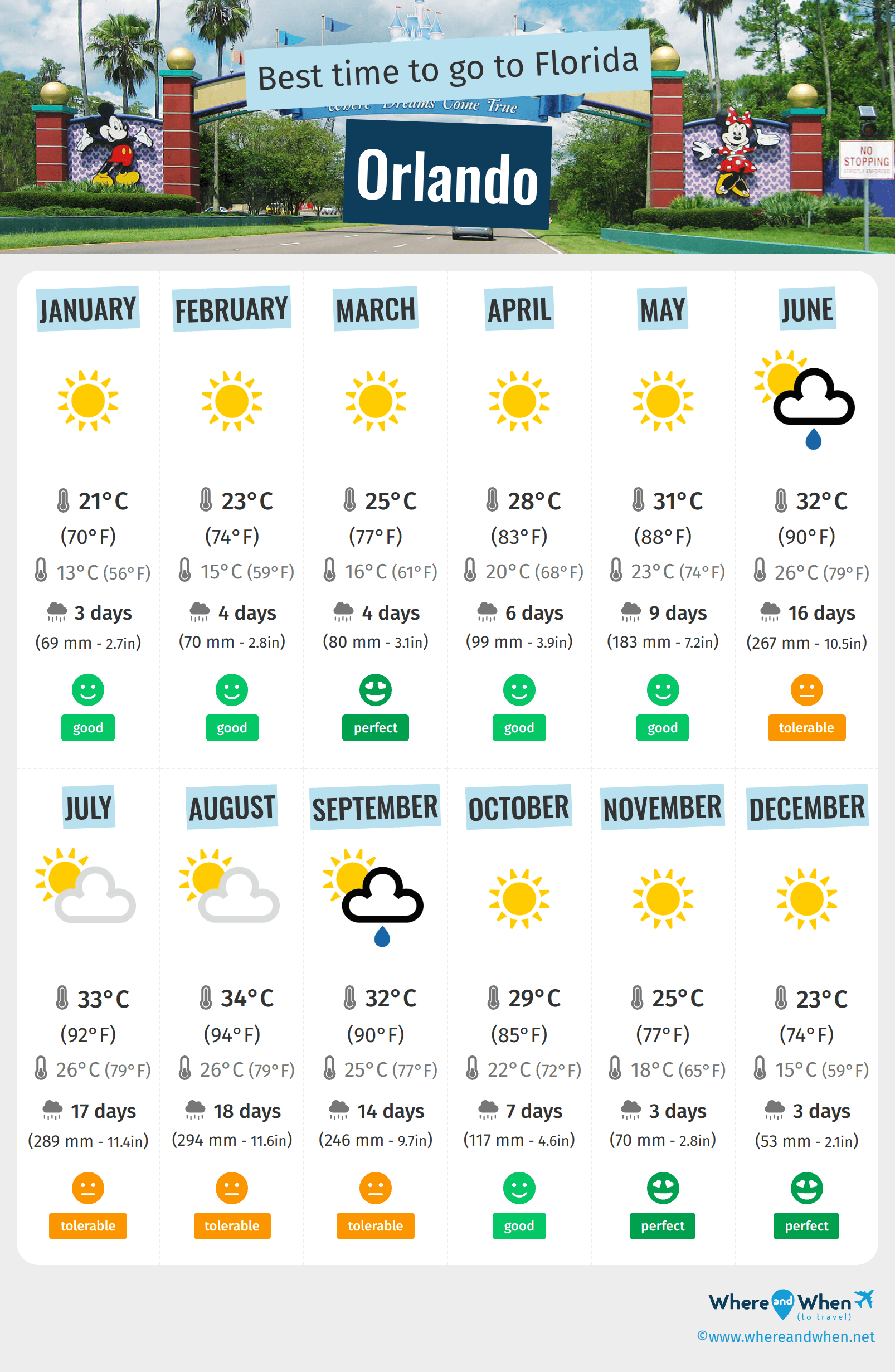
- Winter (December – February): Generally the most pleasant weather, with cooler temperatures and lower humidity. Crowds are moderate, except for major holidays like Christmas and New Year’s Eve, when parks can be extremely busy. This is an ideal time for those who prefer comfortable exploration.
- Spring (March – May): Temperatures rise, and the beautiful blooming foliage adds to the charm. Spring Break brings significant crowds, especially in March and early April. However, late April and May often offer a sweet spot with good weather and manageable crowd levels before the full summer rush. Many festivals, such as Epcot’s International Flower & Garden Festival, are in full swing.
- Summer (June – August): Characterized by hot temperatures, high humidity, and daily afternoon thunderstorms. This is also peak Summer Vacation season, meaning large crowds and longer wait times. Park operating hours are typically extended, offering more evening activities. For budget travelers, this might be a time to find deals on accommodation, but preparation for heat and crowds is essential.
- Fall (September – November): A favorite for many. Early September can still be hot, but temperatures gradually cool. Mid-September through November often offers good weather and decreasing crowds, especially outside of major holidays like Thanksgiving. This season hosts popular events like Halloween Horror Nights and Epcot’s International Food & Wine Festival. Hurricane season officially runs from June 1st to November 30th, so travelers should monitor weather forecasts.
Understanding these seasonal trends allows you to align your visit with your preferences for weather, crowd levels, and specific events.
Overcoming Jet Lag and Efficient Scheduling
Jet lag can significantly impact the first few days of your Orlando trip, especially for those crossing multiple time zones.
- Pre-Adjustment: If possible, try to shift your sleep schedule by an hour or two in the days leading up to your trip.
- Hydration and Light Meals: Stay well-hydrated and avoid heavy meals, alcohol, and excessive caffeine on your travel day.
- Sunlight Exposure: Upon arrival, expose yourself to natural light during Orlando’s daytime hours to help reset your circadian rhythm.
- Strategic Naps: If you must nap, keep it short (20-30 minutes) to avoid deeper sleep that can worsen jet lag.
- Time-Saving Apps: Utilize park apps (like My Disney Experience or the Universal Orlando Resort App) to monitor wait times, view show schedules, and manage dining reservations in real-time. This dynamic planning can save hours in queues and help you maximize every moment.
- Flexible Itinerary: While it’s good to have a plan, build in some flexibility. Don’t overschedule your first day. Allow for downtime and adjust your pace to the local time.
Navigating Local Transportation and Services
Time also plays a critical role in the practicalities of getting around Orlando and accessing local services.
- Transportation Schedules: Public transport, hotel shuttles, and even ride-sharing services can be affected by peak hours. Morning and evening rush hours (typically 7:00 AM – 9:00 AM and 4:00 PM – 6:00 PM) can lead to increased travel times, especially on major arteries like International Drive or near theme park exits. Factor this into your travel plans, particularly if you have timed reservations.
- Shop and Service Hours: While many shops and restaurants in tourist zones have extended hours, establishments in local areas like Winter Park or Lake Nona might adhere to more conventional business hours (e.g., 9:00 AM – 5:00 PM on weekdays). Banks, post offices, and medical clinics will also operate within standard local hours.
- Emergency Services: In case of an emergency, remember that all services (police, fire, ambulance) operate 24/7 in Orlando, and the universal emergency number is 911.
In conclusion, knowing what time it is in Orlando, Florida, extends far beyond a simple clock check. It’s the foundation upon which an entire travel itinerary is built. From understanding the nuances of Eastern Standard Time and Eastern Daylight Time to strategically planning park visits, dining experiences, and even selecting the optimal season for your trip, every temporal detail contributes to the success of your vacation. By being time-aware and utilizing smart planning strategies, you can unlock the full magic of Orlando and create memories that will last a lifetime, all in perfect sync with the local rhythm.
LifeOutOfTheBox is a participant in the Amazon Services LLC Associates Program, an affiliate advertising program designed to provide a means for sites to earn advertising fees by advertising and linking to Amazon.com. Amazon, the Amazon logo, AmazonSupply, and the AmazonSupply logo are trademarks of Amazon.com, Inc. or its affiliates. As an Amazon Associate we earn affiliate commissions from qualifying purchases.