
New Orleans, a city steeped in a unique blend of cultures and history, captivates visitors with its vibrant spirit and unmistakable charm. From its captivating music scene and delectable cuisine to its rich historical tapestry and distinctive architecture, the Crescent City offers an experience unlike any other. This guide delves into the very essence of what makes New Orleans so profoundly famous, exploring the core elements that draw millions to its enchanting streets each year.
The Soulful Soundscape: Music and Festivity
The heartbeat of New Orleans is undeniably its music. A global epicenter for jazz, the city’s soundscape is a living, breathing entity, echoing through its streets and filling its legendary venues. The infectious rhythms and improvisational spirit of jazz are not just a genre here; they are a way of life, woven into the very fabric of the city’s identity.
Birthplace of Jazz and Beyond
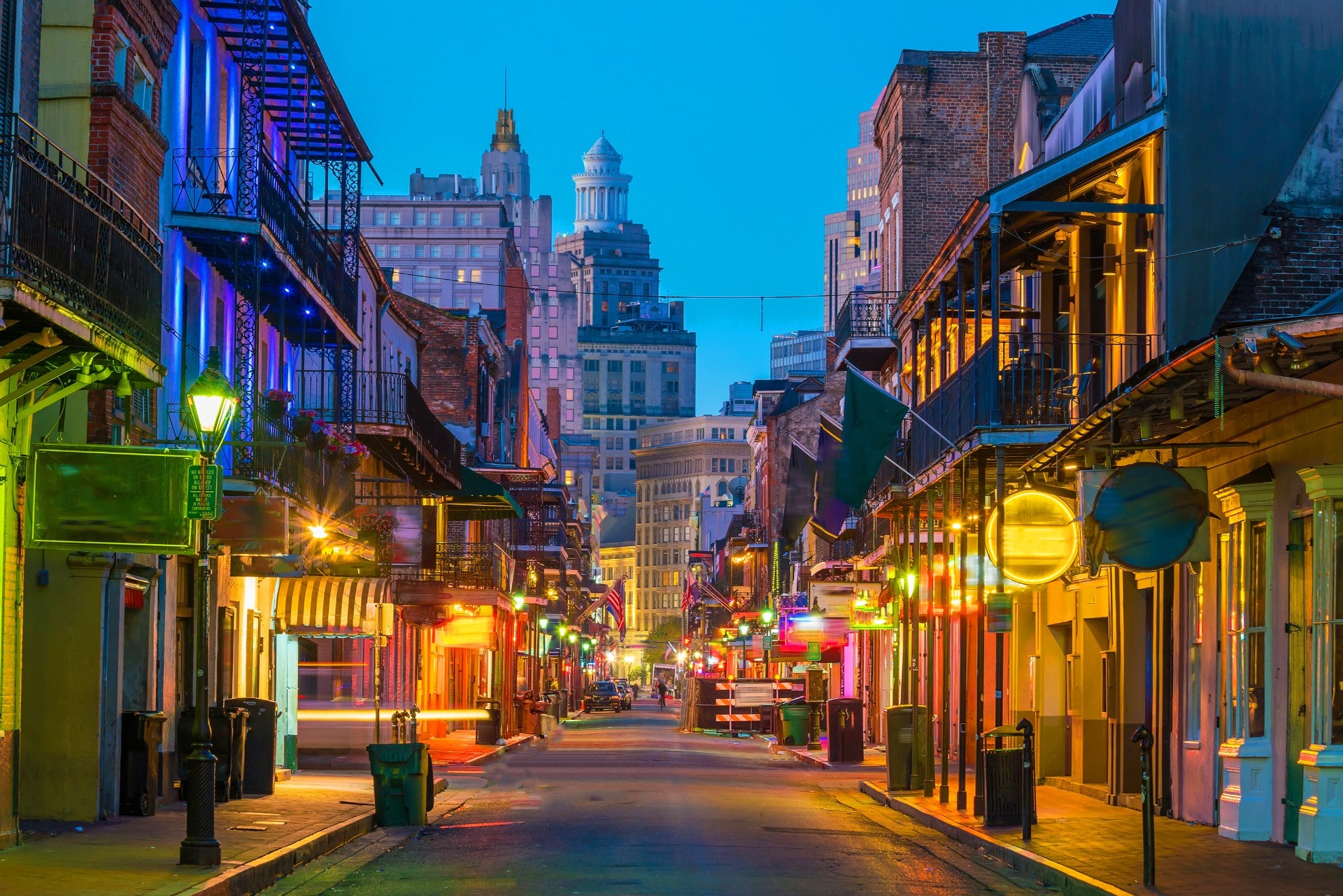
New Orleans is widely recognized as the birthplace of jazz. The fertile ground of Congo Square, where enslaved Africans were permitted to gather and play music on Sundays, provided a crucial early stage for the development of African American musical traditions that would coalesce into jazz. From these roots, the genre blossomed, evolving through various eras and influencing countless other musical styles. Today, you can still find echoes of this history in neighborhoods like the French Quarter, where street performers and seasoned musicians alike serenade passersby with soulful melodies.
Iconic Music Venues and Festivals
The city boasts a constellation of legendary music venues that have hosted generations of artists. Preservation Hall in the French Quarter stands as a hallowed ground for traditional New Orleans jazz, offering an intimate and authentic experience. The Maple Leaf Bar and Tipitina’s are renowned for their diverse lineups, showcasing everything from funk and R&B to contemporary jazz. Beyond these iconic spots, live music spills out from countless bars, restaurants, and even street corners, creating a perpetual soundtrack to the city.
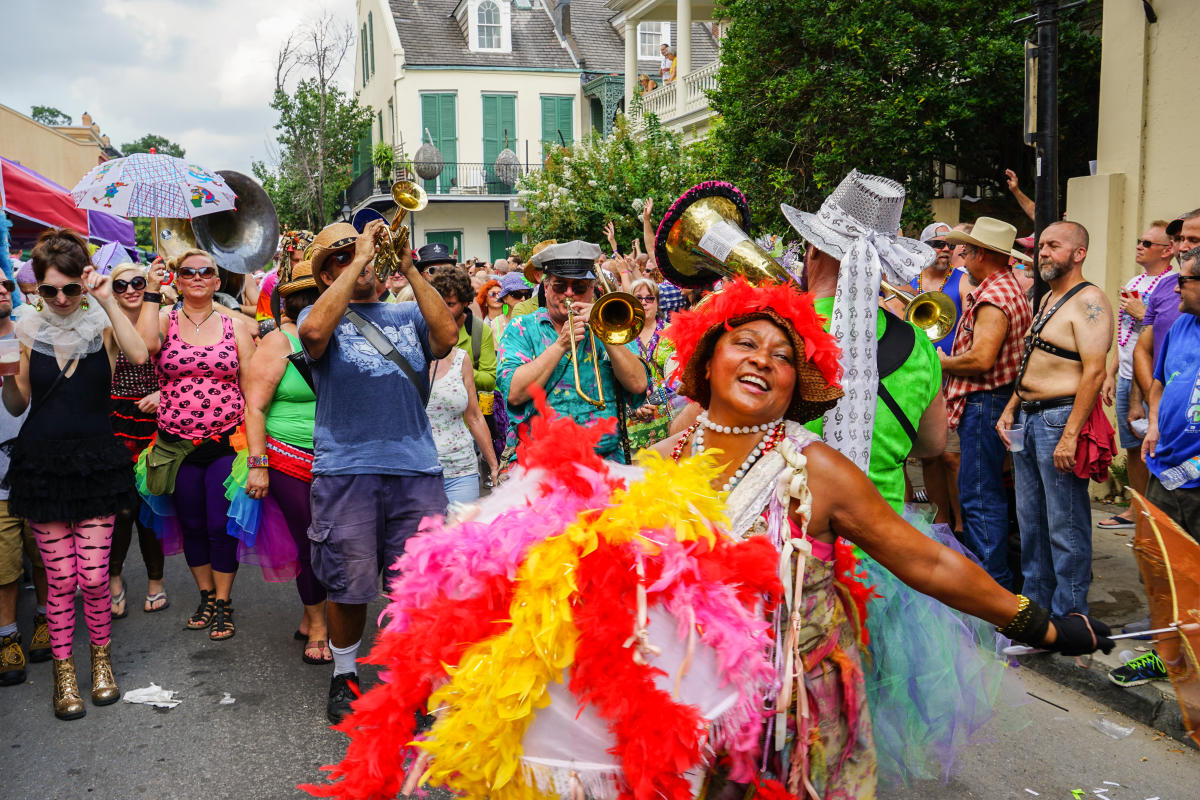
New Orleans’ fame is also intrinsically linked to its world-renowned festivals. The most celebrated, Mardi Gras, is an explosion of color, music, and revelry that transforms the city into a fantastical playground. The sheer scale and grandeur of the parades, the intricate costumes, and the infectious energy are an unparalleled spectacle. But the celebration doesn’t end with Mardi Gras; the city hosts a continuous calendar of festivals, including the New Orleans Jazz & Heritage Festival, a massive celebration of music and culture, and Voodoo Music + Arts Experience, which draws top contemporary artists.
A Culinary Odyssey: Flavors of the Bayou
The culinary landscape of New Orleans is as rich and complex as its history, a testament to the fusion of diverse cultural influences. From humble street food to sophisticated fine dining, the city offers a gastronomic journey that delights the palate and nourishes the soul.
The Quintessential Creole and Cajun Cuisine
New Orleans is synonymous with two distinct yet intertwined culinary traditions: Creole and Cajun. Creole cuisine, born in the city, is a refined blend of French, Spanish, African, and Caribbean influences, often featuring rich sauces and more formal preparations. Gumbo, a hearty stew with a complex roux base, is a quintessential Creole dish, showcasing a variety of meats and seafood. Jambalaya, a flavorful rice dish packed with spices, meats, and vegetables, is another iconic offering.
Cajun cuisine, originating from the Acadiana region, is known for its rustic, hearty, and often spicier preparations. Emphasizing fresh, local ingredients, Cajun dishes like Crawfish Étouffée and Blackened Catfish showcase the bounty of the region’s waterways. While distinct, the lines between Creole and Cajun often blur, with many chefs adeptly blending elements of both traditions to create truly unique flavors.
Iconic Dishes and Culinary Experiences
Beyond gumbo and jambalaya, New Orleans is famous for a plethora of iconic dishes. The Po’boy, a legendary sandwich piled high with fried seafood or roast beef and dressed with lettuce, tomato, and mayonnaise on a New Orleans-style French bread, is a must-try. Muffuletta, a Sicilian-inspired sandwich overflowing with Italian meats and olive salad, is another beloved local staple. And, of course, no culinary exploration of New Orleans is complete without indulging in Beignets, square pieces of fried dough generously dusted with powdered sugar, often enjoyed with a café au lait at the iconic Café Du Monde. The city’s vibrant restaurant scene ranges from historic institutions to innovative new establishments, offering a diverse array of dining experiences to suit every taste and budget.
A Tapestry of Culture and History
New Orleans’ enduring fame stems from its unique cultural identity, forged over centuries by a confluence of peoples and traditions. Its history is palpable, evident in its architecture, its enduring customs, and the very spirit of its inhabitants.
The Enchanting French Quarter
The French Quarter, a UNESCO World Heritage site, is perhaps the most recognizable symbol of New Orleans. Its wrought-iron balconies, gas-lit streets, and vibrant courtyards evoke a sense of old-world charm and romanticism. Wandering through its narrow lanes, one can discover hidden courtyards, historic buildings, and a lively atmosphere that pulsates with life. Bourbon Street is world-famous for its energetic nightlife, while streets like Royal Street offer a more refined experience with art galleries and antique shops. The French Quarter is not just a district; it’s a living museum, a testament to the city’s rich colonial past and its enduring allure.
Architectural Diversity and Historic Neighborhoods
Beyond the French Quarter, New Orleans boasts a remarkable diversity of architectural styles. The elegant mansions of the Garden District, with their sprawling lawns and stately columns, showcase a distinct antebellum charm. The colorful shotgun houses and Creole cottages found in neighborhoods like the Marigny and Bywater offer a glimpse into the everyday lives of its residents throughout history. This architectural mosaic tells the story of the city’s evolution, reflecting the influences of various immigrant groups and periods of prosperity and change. Exploring these distinct neighborhoods provides a deeper understanding of the city’s layered history and its unique urban fabric.
Enduring Traditions and Local Folklore
New Orleans is a city that cherishes its traditions. From the elaborate Mardi Gras parades and the solemnity of Second Line funerals, a unique celebratory procession with brass bands that honors the deceased, to the spiritual practices of Voodoo and the storytelling that fills its bars and cafes, these traditions are what give New Orleans its distinctive soul. The city’s folklore is rich with tales of ghosts, spirits, and historical legends, adding an element of mystery and enchantment to its already captivating aura. These deeply ingrained customs and narratives contribute significantly to New Orleans’ reputation as a city that is both timeless and eternally fascinating.
The Mystique of the Bayou and Beyond
The natural landscape surrounding New Orleans also plays a significant role in its fame, offering unique ecosystems and recreational opportunities that are deeply intertwined with the city’s identity.
The Allure of the Louisiana Bayou
The Louisiana Bayou, a vast network of wetlands, swamps, and bayous, is an iconic natural landscape that has profoundly shaped the culture and identity of New Orleans. This unique environment, teeming with wildlife, has inspired countless stories, songs, and artistic expressions. Boat tours through the bayous offer an immersive experience, allowing visitors to witness the abundant flora and fauna, including alligators, wading birds, and cypress trees draped in Spanish moss. The mystique of the bayou is an integral part of the New Orleans experience, offering a glimpse into a wild and untamed natural world that lies just beyond the city’s bustling streets.
Riverboat Cruises and Waterfront Experiences
The mighty Mississippi River has been the lifeblood of New Orleans for centuries, serving as a vital artery for commerce and culture. Today, historic riverboat cruises on the Mississippi River offer a romantic and nostalgic way to experience the city and its surroundings. These excursions provide stunning views of the New Orleans skyline and the surrounding delta landscape, often accompanied by live jazz music and traditional Creole cuisine. The waterfront itself, with its bustling port and scenic promenades, offers a vibrant hub of activity, connecting the city to its maritime heritage and the broader world.

Unique Outdoor Activities and Natural Wonders
Beyond the bayous and the river, the region surrounding New Orleans offers a variety of unique outdoor activities and natural wonders. The nearby Jean Lafitte National Historical Park and Preserve offers opportunities for kayaking, hiking, and wildlife viewing within its diverse wetland ecosystems. Birdwatching enthusiasts flock to the area, which is a crucial stopover point for migratory birds. The natural beauty and the opportunity to connect with the unique environment of Southern Louisiana are significant draws for visitors seeking a richer, more holistic experience of what makes New Orleans so famous.
In conclusion, New Orleans is a city that defies easy categorization. It is a symphony of music, a feast for the senses, and a living testament to the enduring power of culture and history. Its fame is not derived from a single attraction but from the harmonious interplay of all these elements, creating an unforgettable destination that continues to captivate and inspire all who visit.
LifeOutOfTheBox is a participant in the Amazon Services LLC Associates Program, an affiliate advertising program designed to provide a means for sites to earn advertising fees by advertising and linking to Amazon.com. Amazon, the Amazon logo, AmazonSupply, and the AmazonSupply logo are trademarks of Amazon.com, Inc. or its affiliates. As an Amazon Associate we earn affiliate commissions from qualifying purchases.