
Understanding the population of a city is fundamental to grasping its character, its growth, and its evolving identity. The population of New Orleans, Louisiana, is a dynamic figure that tells a story of resilience, cultural richness, and the enduring spirit of a truly unique American metropolis. While the numbers fluctuate due to various socio-economic factors, natural events, and migration patterns, the core demographic of New Orleans has consistently shaped its vibrant street life, its iconic music scene, and its distinctive culinary heritage.
The U.S. Census Bureau provides the most authoritative data on population statistics. For New Orleans, these figures are not just cold numbers; they represent the individuals who contribute to the city’s charm, its challenges, and its unwavering appeal to visitors and residents alike. Examining the population trends over time reveals a fascinating narrative of recovery and adaptation, particularly in the wake of significant historical events.
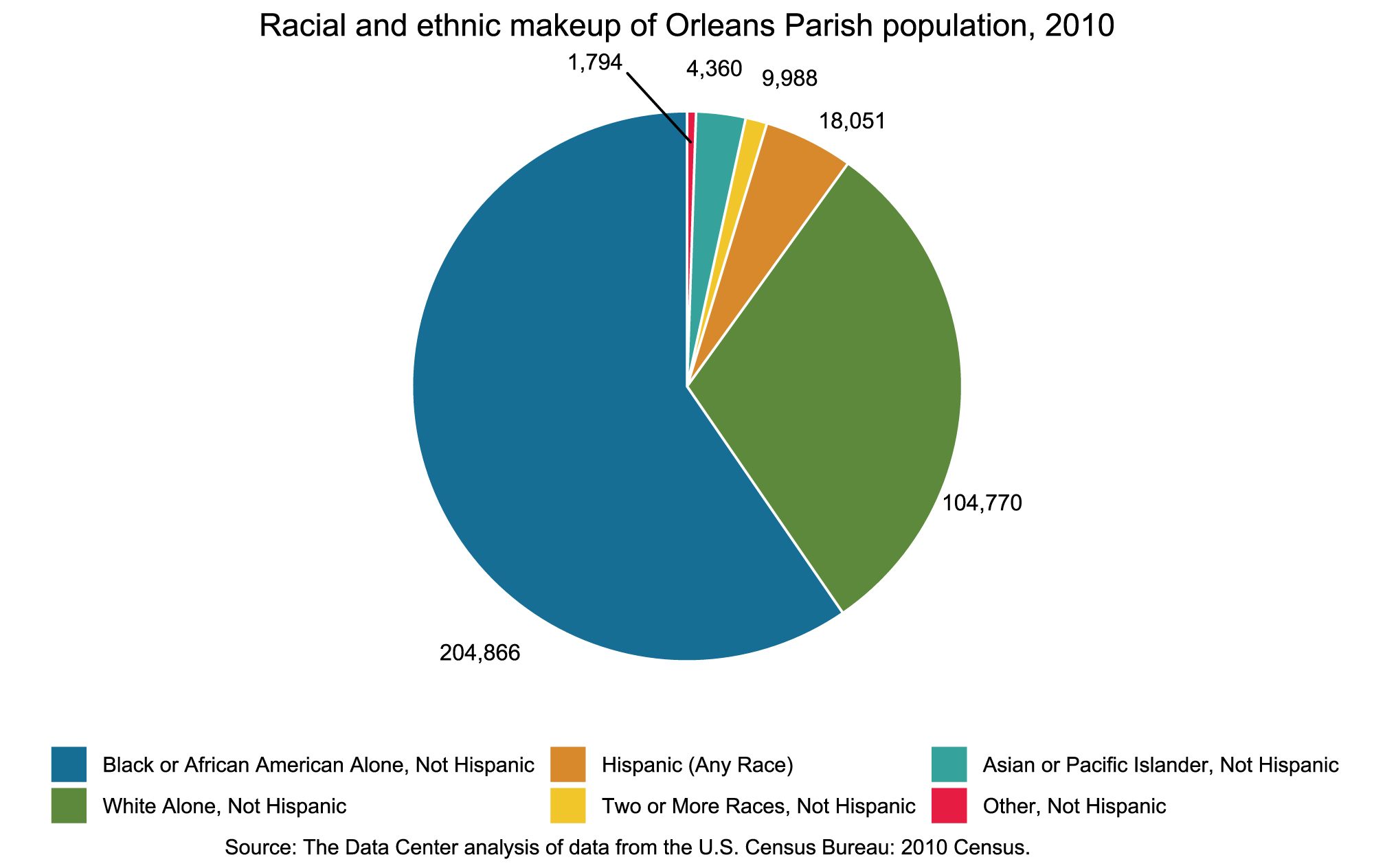
Demographic Shifts and Historical Context
The population of New Orleans has experienced notable shifts throughout its history, influenced by economic opportunities, social changes, and environmental factors. Early settlements in the region, established by French colonists in the early 18th century, laid the groundwork for a diverse population that would become a hallmark of the city. Over centuries, New Orleans has been a melting pot of European, African, and Caribbean influences, each contributing to its unique cultural tapestry.
Pre-Katrina Population Dynamics
Prior to the devastating Hurricane Katrina in 2005, New Orleans was a thriving urban center with a population that had seen steady growth for decades. The city’s economic engines, including its vital port, a burgeoning tourism industry, and its role as a cultural hub, attracted a diverse workforce. The population in the years leading up to Katrina was well over 480,000 residents, showcasing a city at its zenith in terms of its established community and infrastructure. This demographic base was crucial to the city’s functioning, supporting its arts, businesses, and everyday life. The cultural fabric was tightly woven, with neighborhoods boasting distinct traditions and strong community bonds.
Post-Katrina Exodus and Gradual Return
Hurricane Katrina and the subsequent levee failures in 2005 caused an unprecedented displacement of residents. The immediate aftermath saw a dramatic decrease in the city’s population as people evacuated to escape the storm and its devastating flooding. Many residents were forced to relocate, some temporarily, others permanently. This mass exodus fundamentally altered the demographic landscape of New Orleans, leading to a significant population decline. Rebuilding efforts, coupled with the enduring allure of the city, gradually encouraged many to return. The process of population recovery has been a testament to the resilience of the New Orleanian spirit and the deep connection people feel to their hometown. While the population has been steadily increasing since the immediate post-Katrina years, it has taken time to approach pre-disaster levels, reflecting the complex challenges of rebuilding and attracting new residents.
Contemporary Population Figures and Trends
As of the most recent U.S. Census data, the population of New Orleans is an important indicator of its current status and future trajectory. These figures provide a snapshot of the city’s demographic composition and offer insights into the ongoing revitalization and development efforts.
Current Population Estimates

The most recent estimates from the U.S. Census Bureau place the population of the city of New Orleans within a range that reflects its ongoing recovery and growth. While exact figures can vary slightly depending on the specific census year or estimate, the city’s population has been on an upward trend. This growth is a positive sign, indicating increased economic activity, a renewed sense of community, and the city’s enduring appeal as a place to live, work, and experience. Understanding these numbers is crucial for urban planners, policymakers, and anyone interested in the health and vitality of this historic city.
Factors Influencing Population Growth and Decline
Several factors contribute to the population dynamics of New Orleans. Economic opportunities play a significant role, with the city’s key industries – tourism, hospitality, healthcare, and the port – attracting and retaining residents. The cultural richness and unique lifestyle of New Orleans also serve as a powerful draw, attracting individuals seeking a vibrant and distinctive living experience. Conversely, challenges such as the cost of living, infrastructure needs, and susceptibility to environmental factors can influence population retention and growth. The city continues to work on addressing these challenges to foster sustainable population expansion and ensure a high quality of life for all its residents. Initiatives aimed at economic development, affordable housing, and environmental resilience are all integral to shaping the future demographic landscape of New Orleans.
The Significance of Population in Shaping New Orleans
The population of a city is more than just a headcount; it is the lifeblood that nourishes its culture, drives its economy, and defines its character. For New Orleans, its population has been the primary architect of its legendary identity. From the bustling streets of the French Quarter to the vibrant neighborhoods that dot its landscape, the people of New Orleans are inextricably linked to its unique rhythm and soul.
Cultural Diversity and Contribution
The diverse demographic makeup of New Orleans has been instrumental in forging its world-renowned cultural scene. The intermingling of African, European, Caribbean, and American Indian traditions has given birth to unparalleled forms of music, dance, cuisine, and festivals. The legacy of Creole and Cajun cultures, shaped by generations of residents, is evident in every aspect of city life. The population’s commitment to preserving and celebrating these traditions ensures that New Orleans remains a global epicenter of unique cultural expression. The city’s famous Mardi Gras celebrations, for instance, are a direct manifestation of the collective spirit and cultural heritage of its residents.
Economic Impact and Development
The number of residents directly influences the economic vitality of New Orleans. A growing and stable population supports local businesses, drives demand for services, and provides a skilled workforce for key industries. The tourism sector, a cornerstone of the city’s economy, relies heavily on a thriving local population to provide services, create authentic experiences, and contribute to the overall appeal of New Orleans as a destination. Furthermore, investments in infrastructure, education, and healthcare are often directly correlated with population size and projected growth, highlighting the interconnectedness of demographic trends and urban development. Efforts to attract and retain a diverse talent pool are crucial for the city’s long-term economic prosperity.

Urban Planning and Infrastructure Needs
Understanding the population of New Orleans is essential for effective urban planning and the development of necessary infrastructure. City officials and planners rely on demographic data to make informed decisions regarding housing, transportation, public services, and resource allocation. Whether it’s ensuring adequate school capacity, maintaining efficient public transit systems, or planning for future development, demographic trends provide the foundational insights needed to meet the evolving needs of the city’s residents. This includes addressing issues like flood mitigation and coastal restoration, which are critical for the long-term sustainability of New Orleans and its population.
In conclusion, the population of New Orleans is a story of continuity and change, a testament to the enduring spirit of its people and their profound impact on the city’s identity. As the city continues to evolve, its population will undoubtedly remain at the heart of its narrative, shaping its future while preserving its legendary past.
LifeOutOfTheBox is a participant in the Amazon Services LLC Associates Program, an affiliate advertising program designed to provide a means for sites to earn advertising fees by advertising and linking to Amazon.com. Amazon, the Amazon logo, AmazonSupply, and the AmazonSupply logo are trademarks of Amazon.com, Inc. or its affiliates. As an Amazon Associate we earn affiliate commissions from qualifying purchases.