
The allure of New Orleans is undeniable, a city steeped in a rich tapestry of history, vibrant culture, and a culinary scene that captivates the senses. Yet, for any discerning traveler planning a visit to this captivating Louisiana gem, understanding the nuances of its weather is paramount to crafting an unforgettable experience. New Orleans experiences a humid subtropical climate, characterized by distinct seasons, each offering a unique charm and set of considerations for visitors. From the balmy warmth of spring to the sultry embrace of summer, the crisp air of autumn, and the surprisingly mild winters, knowing what to expect will empower you to pack judiciously, plan your activities wisely, and truly immerse yourself in the magic of the Crescent City.
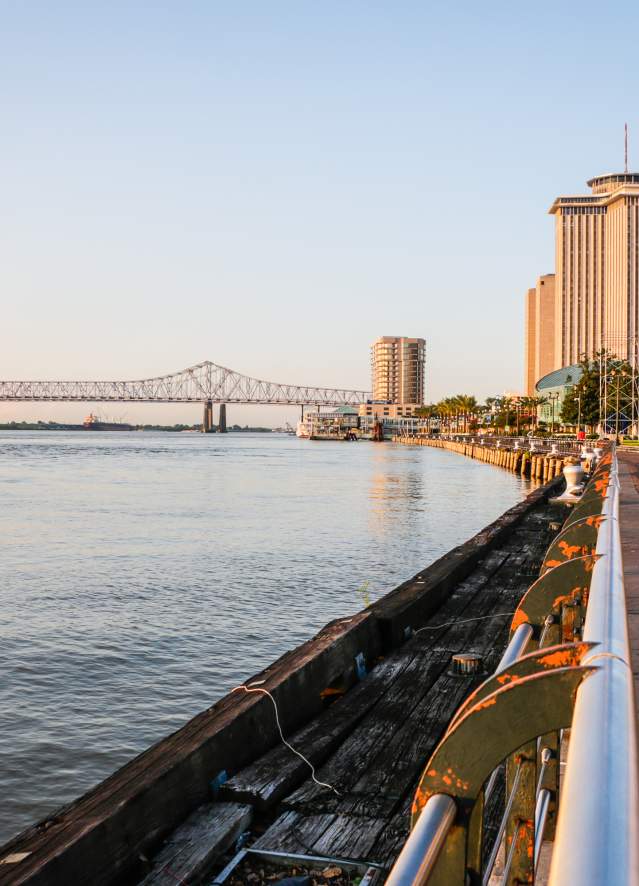
This guide delves into the atmospheric tapestry of New Orleans, providing insights into typical weather patterns throughout the year. We will explore the characteristics of each season, discuss the potential for extreme weather events, and offer practical advice on how to make the most of your visit, regardless of what Mother Nature has in store. Whether you’re drawn to the spirited celebrations of Mardi Gras, the soulful rhythms of a jazz club, or the historic grandeur of the French Quarter, a well-informed approach to the weather will undoubtedly enhance your journey.
Understanding New Orleans’ Seasonal Climate
New Orleans experiences a predictable cycle of weather, influenced by its proximity to the Gulf of Mexico and its southern latitude. The city is known for its heat and humidity, particularly during the summer months, but also enjoys pleasant transitions in spring and fall. Understanding these seasonal shifts is key to preparing for your trip.
Spring: A Season of Renewal and Pleasant Breezes
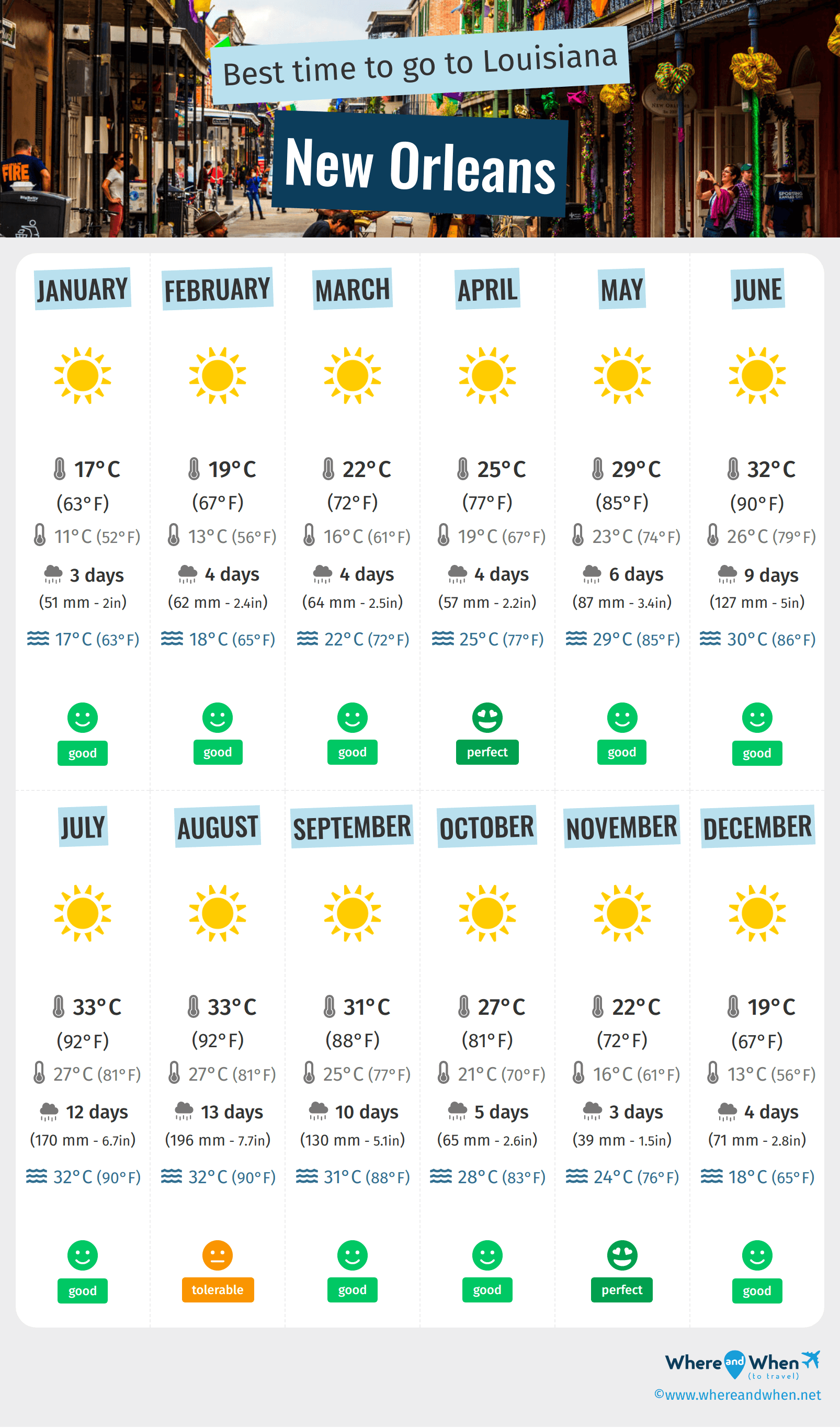
Spring in New Orleans (March to May) is often considered one of the most idyllic times to visit. The oppressive humidity of summer begins to recede, replaced by comfortably warm temperatures and a gentle breeze. Average highs during this period typically range from the low 70s Fahrenheit in March to the mid-80s Fahrenheit by May. Evenings remain pleasant, making it ideal for strolling through the charming streets, enjoying outdoor dining, and exploring the city’s many attractions.
The vibrant bloom of flora adds to the city’s picturesque charm. Lush gardens come alive, and the air is often filled with the sweet scent of magnolias. This season is perfect for exploring the historic cemeteries like Metairie Cemetery, visiting the New Orleans Botanical Garden, or taking a leisurely streetcar ride through picturesque neighborhoods. While rainfall is possible, it’s typically in the form of brief, refreshing showers rather than prolonged downpours. Packing layers is advisable, as early spring mornings can still carry a slight chill, while afternoons can feel quite warm.
Summer: Embracing the Heat and Humidity
Summer in New Orleans (June to August) is synonymous with heat and humidity. This is the city’s most challenging season weather-wise, with average daily temperatures frequently soaring into the high 80s and 90s Fahrenheit, and heat indices often exceeding 100 degrees Fahrenheit. The air is thick with moisture, making outdoor activities require careful planning and frequent hydration.
Despite the heat, summer in New Orleans is a time of vibrant energy. The city buzzes with live music, festivals, and the general spirit of revelry. To combat the heat, many visitors opt for indoor attractions such as museums like the New Orleans Museum of Art or historical sites like the Cabildo. Enjoying air-conditioned restaurants, jazz clubs, and taking advantage of the cooler morning and evening hours for outdoor exploration are key strategies. Afternoon thunderstorms are common, offering a temporary respite from the heat and adding to the dramatic skies. Light, breathable clothing, sunscreen, and a hat are essential for anyone visiting during these months.
Autumn: A Welcome Respite and Vibrant Atmosphere
As the calendar turns to autumn (September to November), New Orleans experiences a welcome transformation. The oppressive summer heat and humidity begin to wane, giving way to cooler, more comfortable temperatures and a crispness in the air. Average highs in September can still hover around the mid-80s Fahrenheit, but by November, they settle into the pleasant low 70s Fahrenheit. This makes autumn arguably the most pleasant season for outdoor exploration and experiencing the city’s myriad activities.
The fall foliage, while not as dramatic as in more northern climes, adds a subtle beauty to the city’s parks and gardens. This season is perfect for extended strolls through the Garden District, enjoying a swamp tour, or attending the numerous cultural events and festivals that populate the calendar. The air is often filled with the aroma of beignets and chicory coffee, and the evenings are perfect for enjoying the city’s renowned culinary scene al fresco. Packing light layers is ideal, as mornings and evenings can be cool, while daytime temperatures remain mild.
Winter: Mild Temperatures and a Quieter Charm
Winter in New Orleans (December to February) is characterized by mild and often pleasant temperatures, a stark contrast to the harsh winters experienced in many other parts of the country. Average highs during this period typically range from the low 60s Fahrenheit in December to the mid-60s Fahrenheit by February. While frost is rare, occasional cold snaps can bring temperatures down, so packing a light jacket or sweater is advisable.
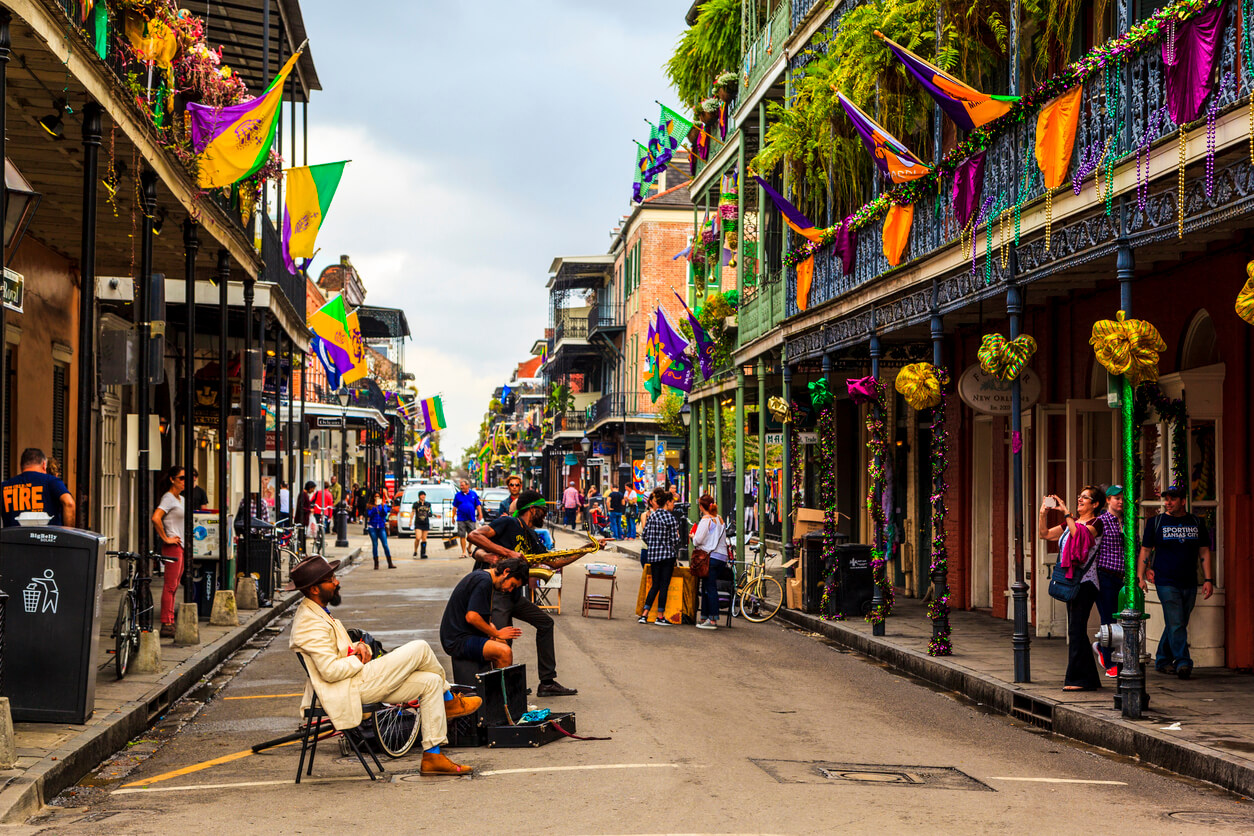
This season offers a more laid-back atmosphere, allowing visitors to experience the city’s charm at a more relaxed pace. It’s an excellent time to explore the historic architecture of the French Quarter without the overwhelming crowds of peak season, visit the Preservation Hall for authentic jazz, or take a steamboat ride on the Mississippi River. The holiday season brings a special charm to the city, with festive decorations and events. While less rain falls in winter compared to other seasons, occasional cold fronts can bring damp weather. Dressing in layers remains the most effective strategy for navigating the winter temperatures.
Navigating Potential Weather Challenges
While New Orleans offers a delightful experience year-round, its location in the Gulf Coast region means it is susceptible to certain weather phenomena. Understanding these potential challenges allows for better preparation and a safer, more enjoyable trip.
Hurricanes and Tropical Storms: Preparedness is Key
The hurricane season in the Atlantic runs from June 1st to November 30th, with the peak activity typically occurring from August through October. New Orleans has, unfortunately, experienced the impact of significant hurricanes, such as Hurricane Katrina in 2005. While the city has robust infrastructure and evacuation plans in place, it is crucial for visitors to stay informed about weather forecasts during this period.
If you are traveling during hurricane season, it is highly recommended to monitor weather updates from official sources like the National Hurricane Center and local news outlets. Be aware of any evacuation orders issued by local authorities. Many hotels and airlines have flexible cancellation policies during active storm threats, so familiarizing yourself with these policies before your trip is wise. While direct hits are not a certainty, understanding the potential for tropical storms and hurricanes is an essential part of responsible travel planning for this region.
Thunderstorms and Localized Flooding: Staying Aware
New Orleans is known for its sudden and often intense thunderstorms, particularly during the warmer months. These storms can bring heavy rainfall, strong winds, and lightning. Due to the city’s low elevation and extensive network of canals, localized flooding can occur rapidly after heavy downpours, especially in low-lying areas.
When a thunderstorm is imminent, it’s advisable to seek shelter indoors. If you are exploring the city, be aware of your surroundings and avoid low-lying areas or areas prone to flooding. Many of New Orleans’ iconic attractions, such as those in the French Quarter, are well-equipped to handle brief periods of heavy rain. However, it’s always wise to have a backup plan for indoor activities in case of severe weather. Checking local weather radar can help you anticipate and avoid the worst of these storms.
Packing Smart for New Orleans’ Weather
The key to a comfortable and enjoyable trip to New Orleans lies in packing appropriately for its diverse climate. Whether you’re visiting during the sweltering summer or the mild winter, thoughtful packing will allow you to fully embrace the city’s offerings.
Seasonal Essentials: Tailoring Your Wardrobe
- Spring & Fall: Lightweight, breathable fabrics are your best friends. Think cotton dresses, linen shirts, shorts, and comfortable walking shoes. A light jacket or cardigan is recommended for cooler evenings or early mornings. An umbrella or light rain jacket is also a good idea, as spring and fall can bring occasional showers.
- Summer: Prioritize light, moisture-wicking fabrics. Loose-fitting clothing made of cotton or linen is essential. Pack shorts, t-shirts, sundresses, and sandals. A wide-brimmed hat and sunglasses are crucial for sun protection. Don’t forget your swimwear if your accommodation has a pool or if you plan on visiting nearby beaches. Hydration is key, so carry a reusable water bottle.
- Winter: While generally mild, winter in New Orleans can have cooler days. Pack layers: t-shirts, long-sleeved shirts, sweaters, and a medium-weight jacket or coat. Comfortable walking shoes are still essential, and you might want a pair of closed-toe shoes for colder days. A scarf can also be a welcome accessory.
Essential Accessories for Any Season
Regardless of the season, certain accessories will enhance your New Orleans experience:
- Comfortable Walking Shoes: You’ll be doing a lot of exploring on foot, so comfortable, broken-in shoes are non-negotiable.
- Sun Protection: Sunscreen (SPF 30 or higher), a wide-brimmed hat, and sunglasses are essential year-round, even on cloudy days, due to the southern latitude and proximity to water.
- Insect Repellent: Especially important during the warmer months and for evenings spent outdoors or near water.
- Reusable Water Bottle: Staying hydrated is crucial, especially during hot and humid periods. Many places offer refill stations.
- Small Backpack or Day Bag: For carrying essentials like water, snacks, sunscreen, and a camera while you’re out and about.
- Portable Charger: To keep your electronic devices powered up for navigation, photos, and staying connected.
By considering these packing tips, you can ensure that you are well-prepared for the weather in New Orleans, allowing you to focus on the truly magical aspects of this unique American city.
LifeOutOfTheBox is a participant in the Amazon Services LLC Associates Program, an affiliate advertising program designed to provide a means for sites to earn advertising fees by advertising and linking to Amazon.com. Amazon, the Amazon logo, AmazonSupply, and the AmazonSupply logo are trademarks of Amazon.com, Inc. or its affiliates. As an Amazon Associate we earn affiliate commissions from qualifying purchases.