
New Orleans, a city synonymous with perpetual warmth, vibrant jazz, and culinary delights, is not typically the first place that springs to mind when discussing snowfall. Nestled in the humid embrace of the Gulf Coast, its climate is characterized by balmy winters and sweltering summers. Yet, the notion of snow dusting the historic streets of the French Quarter or blanketing the moss-draped oaks of the Garden District, while rare, is not entirely mythical. Understanding when it last snowed in New Orleans offers a fascinating glimpse into the city’s climatic anomalies and the collective memory of its residents.

The question of “when” is more than just a historical curiosity; it touches upon the unique character of New Orleans, a city that thrives on its distinct atmosphere. While a blizzard is as unlikely as a sudden ice age, infrequent cold snaps have, on rare occasions, brought a dusting of white to this Southern metropolis. These events, though fleeting, are etched into the city’s lore, becoming talking points for generations and a testament to the unexpected variations that nature can bestow upon even the most predictable of climates.
The Infrequent Embrace of Winter’s Chill
New Orleans’ geographical location significantly influences its weather patterns. Situated at the mouth of the Mississippi River, it experiences a subtropical climate, meaning hot, humid summers and mild, wet winters. Snowfall, by definition, requires temperatures at or below freezing (0°C or 32°F) for an extended period, combined with sufficient atmospheric moisture. While New Orleans’ winters are generally mild, the confluence of these conditions is a rare meteorological event.
Understanding the Local Climate
The average winter temperature in New Orleans hovers around the mid-50s Fahrenheit (around 13°C), with overnight lows occasionally dipping into the 40s Fahrenheit (around 7°C). Frost is not uncommon, and very occasional freezing rain can occur, disrupting travel and power. However, for actual snowflakes to fall and accumulate, a specific and unusual set of atmospheric circumstances must align. This typically involves a strong cold air mass pushing south from the continental interior, meeting a system carrying moisture from the Gulf of Mexico. The interaction must occur precisely at the right altitude and temperature for precipitation to fall as snow rather than rain or sleet.
The rarity of these events is precisely what makes them so memorable and significant when they do occur. Unlike cities accustomed to regular winter snow, New Orleans residents often lack the infrastructure, preparation, and even the ingrained cultural understanding of how to deal with snowy conditions. This lack of familiarity amplifies the novelty and excitement, turning a simple weather event into a communal experience.
Notable Snowfall Events in New Orleans History
While decades can pass without a significant snowfall, New Orleans has indeed experienced several memorable instances of frozen precipitation. These events, though not comparable to the heavy snowfalls of northern cities, have left their mark on the city’s history and its residents’ memories.
The Christmas Blizzard of 1964
Perhaps the most iconic and widely remembered snowfall in New Orleans occurred on Christmas Eve and Christmas Day of 1964. This event brought a significant accumulation of snow, estimated to be between 1 to 3 inches across the city, with higher amounts reported in outlying areas. For a city unaccustomed to such conditions, the scene was one of utter bewilderment and delight.
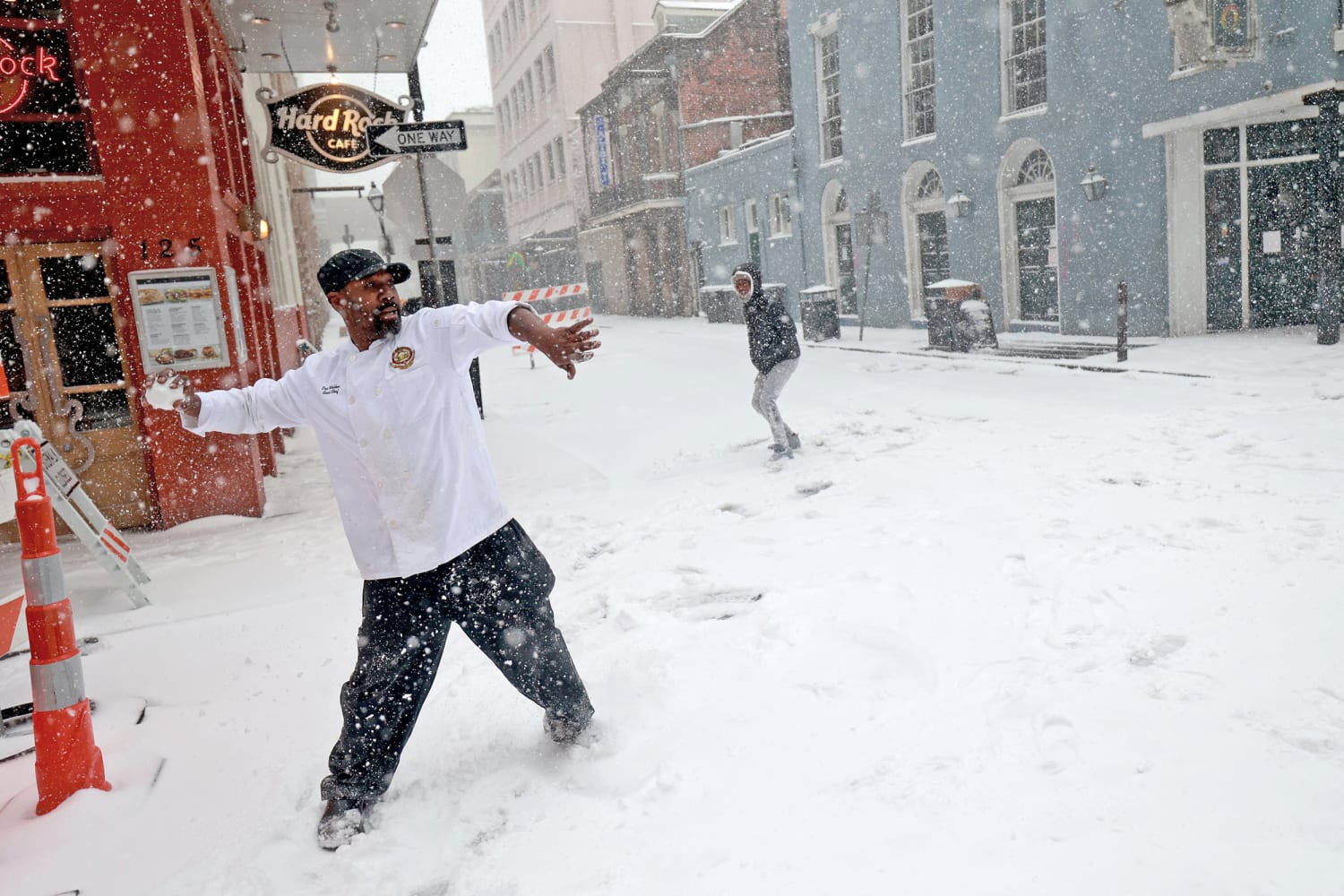
- Impact and Reactions: Streets that normally bustled with holiday shoppers were transformed into impromptu sledding runs. Children, many seeing snow for the first time, reveled in the novelty, building snowmen and having snowball fights. The sight of snow-laden palm trees and blooming poinsettias created a surreal and enchanting landscape. The city infrastructure, however, was not prepared. Traffic slowed considerably, and many businesses experienced closures. The local media extensively covered the event, capturing the wonder and unique challenges it presented.
- Legacy: The 1964 snow event remains a cherished anecdote, often recounted by older residents. It serves as a benchmark for discussions about cold weather in the region and a stark reminder of the atmospheric anomalies that can affect the Gulf Coast. Postcards and photographs from this era often depict the unusual winter scene, solidifying its place in the city’s visual history.
Other Fleeting Snowfalls
Beyond the significant 1964 event, New Orleans has experienced other, less impactful but still notable, instances of snow or sleet. These events are often characterized by brief periods of frozen precipitation that may not accumulate substantially but are still significant for their rarity.
- January 1977: A strong cold wave brought a mixture of sleet and a light dusting of snow to New Orleans and surrounding areas. While not a major accumulation, the event was enough to cause some disruption and provide a brief, wintry spectacle.
- December 2004: Another cold snap resulted in a very light dusting of snow, primarily in the northern suburbs of New Orleans. It was a fleeting event, melting quickly but still noteworthy for its occurrence.
- February 2011: This event saw a mix of sleet and snow across parts of the Louisiana coast, including the New Orleans metropolitan area. While accumulations were minimal, the visual of snow in this subtropical climate captured attention and brought a brief chill to the air.
These sporadic occurrences highlight that while New Orleans is not a winter destination in the traditional sense, the possibility of snow, however remote, is an integral part of its climatic narrative. Each event, regardless of its intensity, adds another layer to the city’s rich tapestry of experiences.
The Significance of Snow in a Subtropical City
The occurrence of snow in New Orleans, even in small amounts, holds a significance that transcends mere meteorological data. It taps into the city’s unique identity, its resilience, and the communal joy derived from unexpected events. For a city that often embraces a vibrant, heat-driven culture, a rare snow offers a captivating contrast.
A Rare Spectacle and Collective Memory
When snow falls in New Orleans, it is an event that unites the community. Schools might close not just due to dangerous conditions but also out of a shared sense of wonder and a desire for children to experience this unusual phenomenon. Social media buzzes with images of snow-dusted streets, bewildered pets, and improvised snow-angel attempts. Local news outlets dedicate significant coverage, capturing the novelty and the reactions of residents.
This collective memory is particularly potent because of the infrequency. Unlike cities where snow is a recurring winter feature, each snowfall in New Orleans becomes a story to be passed down. It’s a shared experience that breaks the monotony of the predictable weather and adds an almost magical quality to an otherwise ordinary winter day. The contrast between the familiar urban landscape and the alien white blanket creates a sense of surreal beauty, encouraging a pause and appreciation for nature’s unpredictability.
Tourism and the “Snow Factor”
While no one travels to New Orleans specifically for its snow, its rare appearances can offer a unique selling point for curious tourists or provide a memorable anecdote for visitors. The idea of experiencing snow in a city famous for its warmth and heat is a compelling, albeit niche, draw.
For the tourism industry, a snow event, however brief, can generate local interest and media attention, potentially leading to increased inquiries or spontaneous bookings from those seeking a truly unique experience. It adds another layer to the diverse appeal of New Orleans, a city that already offers so much in terms of culture, food, and history. Imagine sipping a café au lait at Café Du Monde with a light dusting of snow in the background – a truly unexpected juxtaposition that could become a cherished travel memory. However, it’s important to manage expectations; a New Orleans snowfall is a fleeting moment of winter charm, not a guarantee of a winter wonderland. The city’s charm lies in its enduring warmth and its vibrant, year-round appeal, with occasional snowy interludes adding to its eclectic allure.
Predicting Future Snowfall in the Crescent City
Forecasting snow in New Orleans is an exercise in predicting rare meteorological alignments. Due to the city’s subtropical climate, the conditions necessary for snowfall are infrequently met. However, by understanding the general patterns and leveraging modern meteorological tools, it’s possible to outline the likelihood and potential scenarios for future snow events.
Meteorological Conditions for Snow
As previously discussed, the primary requirements for snow are freezing temperatures and atmospheric moisture. In New Orleans, this typically involves the intersection of two distinct weather systems:
- A Deep Cold Air Mass: This originates from the north or northwest, pushing southward from continental North America. Such cold air intrusions are most common during the winter months, from December through February, when the polar vortex is active.
- A Moisture Source: This usually comes from the Gulf of Mexico. A low-pressure system or a cold front moving across the Gulf can draw in moist air, which then rises and cools.
When these two elements converge over New Orleans with temperatures at or below 32°F (0°C) from the cloud base to the ground, snow becomes a possibility. The duration and intensity of the cold air mass, along with the amount of moisture available, will determine the likelihood and potential accumulation of snow.

Utilizing Weather Forecasts
Modern weather forecasting, with its advanced computer models and satellite technology, provides increasingly accurate predictions. While pinpointing the exact timing and accumulation of a rare event like snowfall in New Orleans remains challenging, forecasters can identify periods of potential cold and moisture.
- Long-Range Outlooks: Seasonal outlooks might suggest a higher or lower probability of colder-than-average winters, which could increase the chances of such an event.
- Short-Term Forecasts: As a potential cold snap approaches, detailed forecasts can provide information on temperature drops and the possibility of precipitation. If conditions align for freezing temperatures and moisture, the National Weather Service and local meteorologists will issue warnings and advisories, alerting the public to the rare possibility of snow.
It is crucial for residents and visitors alike to stay informed through reliable weather sources. The unpredictable nature of these events means that they can develop rapidly. While planning a trip around the chance of snow in New Orleans is not advisable, being prepared for the possibility of an unusual winter weather event can add to the anticipation and the appreciation of New Orleans’ multifaceted climate. The city’s charm is ever-present, but a touch of frost on its historic architecture makes for an unforgettable, albeit rare, spectacle.
LifeOutOfTheBox is a participant in the Amazon Services LLC Associates Program, an affiliate advertising program designed to provide a means for sites to earn advertising fees by advertising and linking to Amazon.com. Amazon, the Amazon logo, AmazonSupply, and the AmazonSupply logo are trademarks of Amazon.com, Inc. or its affiliates. As an Amazon Associate we earn affiliate commissions from qualifying purchases.