
Hurricane Katrina stands as a stark and unforgettable chapter in the history of New Orleans, a city renowned for its vibrant culture, rich heritage, and resilient spirit. The devastation wrought by this powerful storm left an indelible mark, prompting many to recall not only its impact but also the precise timeline of its arrival and the unfolding events. Understanding when Hurricane Katrina struck is crucial for comprehending the scale of the disaster and the subsequent journey of recovery and rebuilding for this iconic American city.
The Genesis and Trajectory of a Catastrophe
The story of Hurricane Katrina begins not in New Orleans itself, but far out at sea. This monstrous storm developed over the Bahamas in late August 2005. Its initial formation and early intensification were closely monitored by meteorologists, with warnings escalating as its path became clearer.
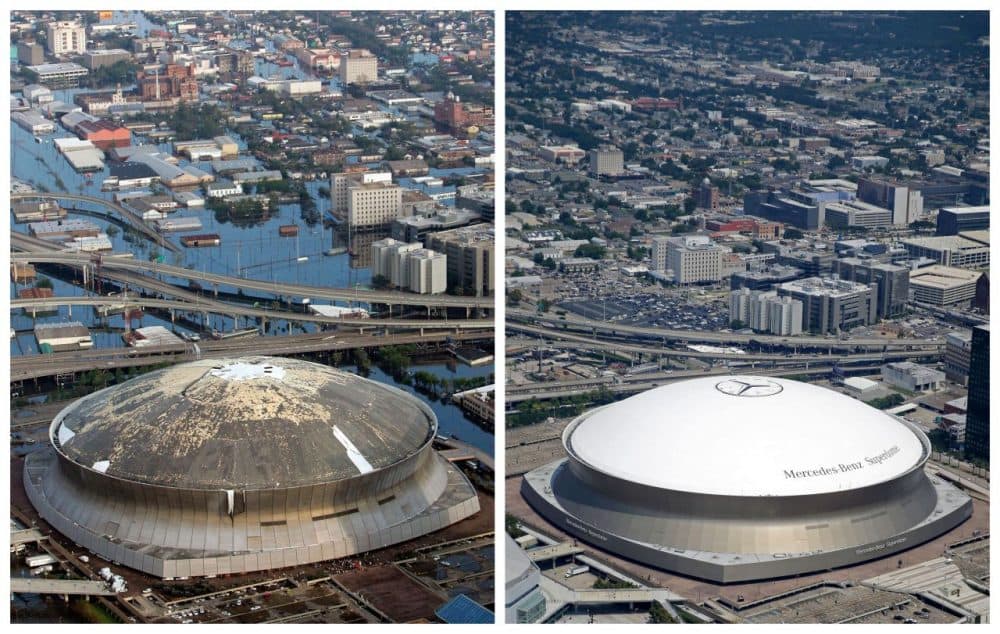
Formation and Early Warnings
Hurricane Katrina was first identified as a tropical depression on August 23, 2005, southwest of Florida. It quickly strengthened into a tropical storm, earning its name, and then a hurricane. Even in its nascent stages, the storm was powerful, making landfall on the southern tip of Florida on August 25th as a Category 1 hurricane. This initial landfall caused considerable damage, but the most catastrophic phase of Katrina was yet to come.
The Turn Towards Louisiana
After crossing Florida, Katrina moved into the warm waters of the Gulf of Mexico. This environment provided the perfect conditions for rapid intensification. Over a period of just 24 hours, Katrina transformed from a moderate hurricane into a Category 5 behemoth, one of the most powerful storms ever recorded in the Atlantic basin. Its predicted path began to shift, with increasing concern for the Gulf Coast of the United States.
The Day of Impact: Arrival in New Orleans
The critical question of “when” Hurricane Katrina made its most devastating impact on New Orleans centers on the final days of August 2005. The city’s low elevation and extensive levee system, designed to protect it from storm surges, became a focal point of anxiety.
The Final Approach
By the morning of Sunday, August 28, 2005, Hurricane Katrina was a Category 4 hurricane with sustained winds of 140 mph, moving northwestward towards the Louisiana coast. Evacuation orders had been issued for New Orleans and surrounding parishes, a process that began the previous day. Despite the warnings, a significant portion of the population remained, unable to evacuate due to various circumstances, including lack of transportation or financial means.
Landfall and the Storm Surge
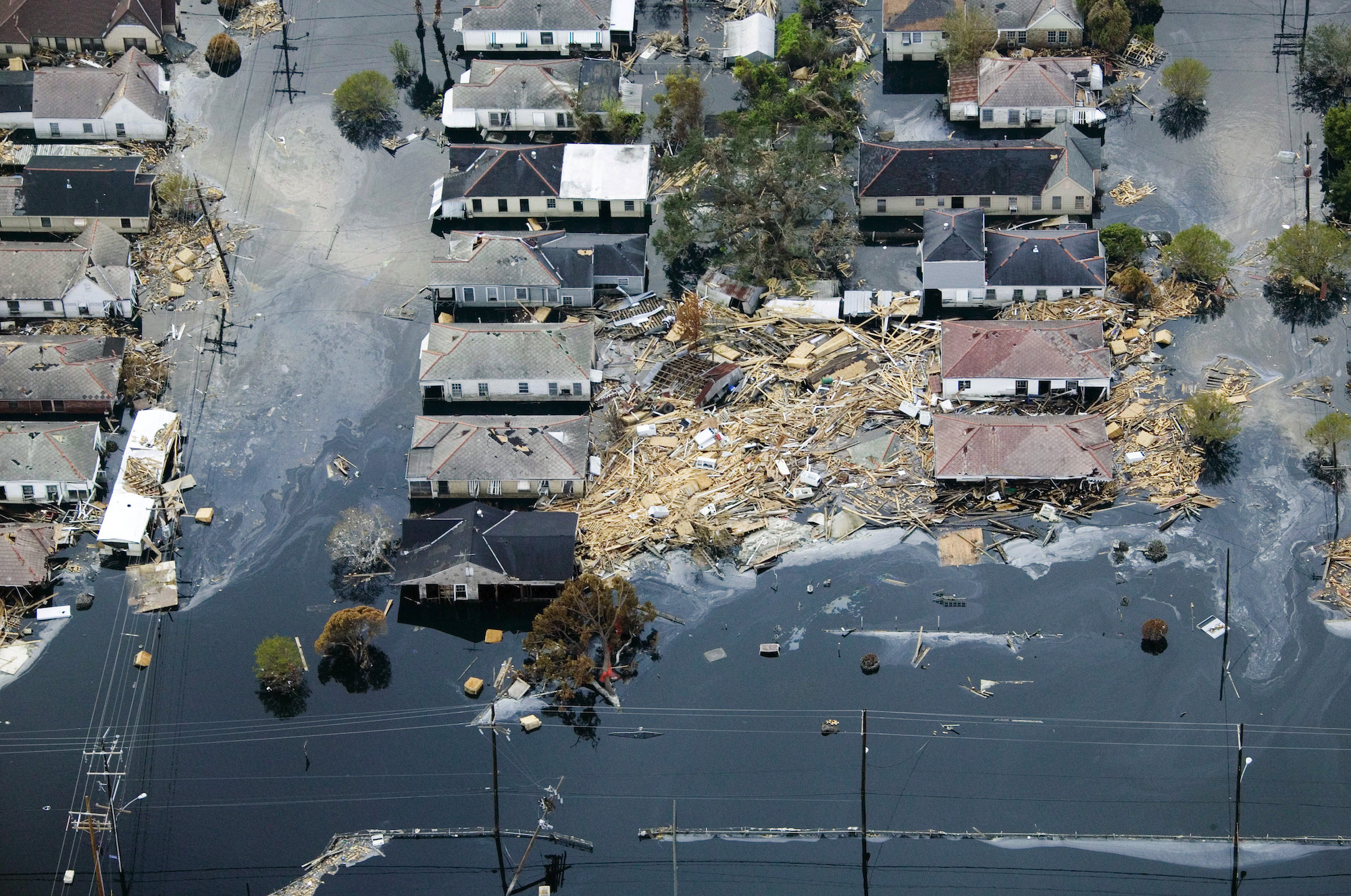
Hurricane Katrina made its second Gulf Coast landfall on the morning of Monday, August 29, 2005, near Buras, Louisiana, approximately 50 miles south of New Orleans. While the eye of the storm did not directly pass over the heart of the city, the immense size and power of Katrina brought catastrophic storm surges to the coast. For New Orleans, the primary devastation came not from the wind, but from the failure of its levee system, which was overwhelmed by the surge.
The Flooding Begins
As the storm raged, the breaches in the New Orleans levees began to flood the city. By the afternoon of August 29th, it was clear that a significant portion of New Orleans was underwater. The situation escalated rapidly, with more than 80% of the city eventually becoming inundated. The flooding, driven by the storm surge and exacerbated by breached floodwalls, trapped residents, destroyed homes, and paralyzed the city for days.
The Immediate Aftermath and Human Toll
The days and weeks following Hurricane Katrina’s landfall on August 29, 2005, were marked by unimaginable suffering and a monumental rescue and relief effort. The “when” of the impact signifies the beginning of a prolonged crisis for the city and its people.
A City Submerged
In the immediate aftermath of the storm, New Orleans became a scene of widespread destruction and desperation. Thousands of residents were stranded on rooftops, in attics, and on elevated roadways, awaiting rescue. The flooded streets, contaminated by sewage and debris, made immediate relief efforts incredibly challenging. The iconic neighborhoods of the city, from the French Quarter to the Garden District, faced unprecedented inundation.
The Scale of the Disaster
Hurricane Katrina became the costliest natural disaster in U.S. history and one of the deadliest. The loss of life, though difficult to ascertain precisely in the initial chaos, was profound. The displacement of hundreds of thousands of residents fundamentally altered the demographic and social fabric of New Orleans for years to come. The “when” of the storm’s arrival is inextricably linked to the immense human cost that followed.
Remembering Katrina: A Landmark Event
The date of Hurricane Katrina’s landfall, August 29, 2005, is etched into the collective memory of New Orleans and the nation. It serves as a landmark event, a historical marker that defines a period of immense challenge, resilience, and eventual renewal.

A Defining Moment for a Resilient City
The storm tested the very foundations of New Orleans, both literally and metaphorically. However, the spirit of the city, its people, and its vibrant culture proved to be enduring. The recovery process, though arduous and lengthy, has been a testament to the strength and determination of its residents and the support of those who have come to love and cherish New Orleans. The question of “when” is a factual anchor, but the story of Katrina is ultimately about the enduring legacy and the unwavering spirit of this extraordinary city.
LifeOutOfTheBox is a participant in the Amazon Services LLC Associates Program, an affiliate advertising program designed to provide a means for sites to earn advertising fees by advertising and linking to Amazon.com. Amazon, the Amazon logo, AmazonSupply, and the AmazonSupply logo are trademarks of Amazon.com, Inc. or its affiliates. As an Amazon Associate we earn affiliate commissions from qualifying purchases.