
New Orleans, a city synonymous with sun-drenched streets, vibrant jazz rhythms, and the intoxicating aroma of Creole cuisine, might not be the first place that springs to mind when considering snowfall. Its tropical, humid subtropical climate generally delivers warm to hot summers and mild winters, punctuated by frequent rainfall rather than frozen precipitation. However, the notion of snow gracing the historic French Quarter or dusting the iconic oaks of the Garden District is not entirely a fantasy. While rare, these occurrences have etched themselves into the city’s collective memory, offering a unique glimpse into an unusual side of the Crescent City. Understanding these infrequent snowy interludes provides not just a meteorological curiosity but also a fascinating facet of New Orleans’ resilience and adaptability.

The question of “When was the last time New Orleans had snow?” often sparks lively discussion among locals and fascinates visitors who envision the city perpetually bathed in a warm glow. While definitive, record-breaking snowfalls are exceedingly uncommon, the experience of snow, even in small amounts, has touched the city a handful of times throughout its recorded history, creating memorable events and prompting an unusual sense of wonder and sometimes, disruption. These moments, however fleeting, offer a distinct counterpoint to the city’s otherwise consistently warm climate, reminding us that even the most predictable environments can harbor surprises.
Understanding New Orleans’ Climate Patterns
To appreciate the rarity of snow in New Orleans, it’s crucial to understand the prevailing climatic conditions that define the region. The city’s location on the Gulf Coast, coupled with its subtropical latitude, dictates a weather pattern heavily influenced by moisture from the Gulf of Mexico. This leads to a generally warm and humid environment for most of the year, with distinct wet and dry seasons rather than significant temperature fluctuations that would typically support snow.
The Influence of the Gulf of Mexico
The proximity to the Gulf of Mexico plays a pivotal role in shaping New Orleans’ weather. Warm, moist air masses from the gulf are a constant presence, fueling frequent thunderstorms during the summer and contributing to mild winters. This consistent source of atmospheric moisture means that when cold air masses do intrude from the north, they often arrive saturated, creating the potential for precipitation. However, the typical winter temperatures rarely dip low enough for that precipitation to fall as snow.
Typical Winter Conditions in New Orleans
Winters in New Orleans are characterized by mild temperatures, with average highs in the 60s Fahrenheit (around 15-20°C) and lows typically above freezing. Freezing temperatures are infrequent and usually short-lived, often occurring during the early morning hours. While frost can occur, significant accumulations of ice or snow are exceptionally rare. This mildness is a defining feature, contributing to the city’s appeal as a winter escape for those seeking to avoid harsher climates, and it underscores the extraordinary nature of any snowy event.
Notable Snowfall Events in New Orleans
While a blanket of snow is not a regular occurrence, New Orleans has experienced several notable instances of frozen precipitation. These events, though infrequent, are well-documented and often become cherished pieces of local lore, transforming familiar streets and landmarks into an unfamiliar, frosted landscape.
The Significant Snowfall of 1962
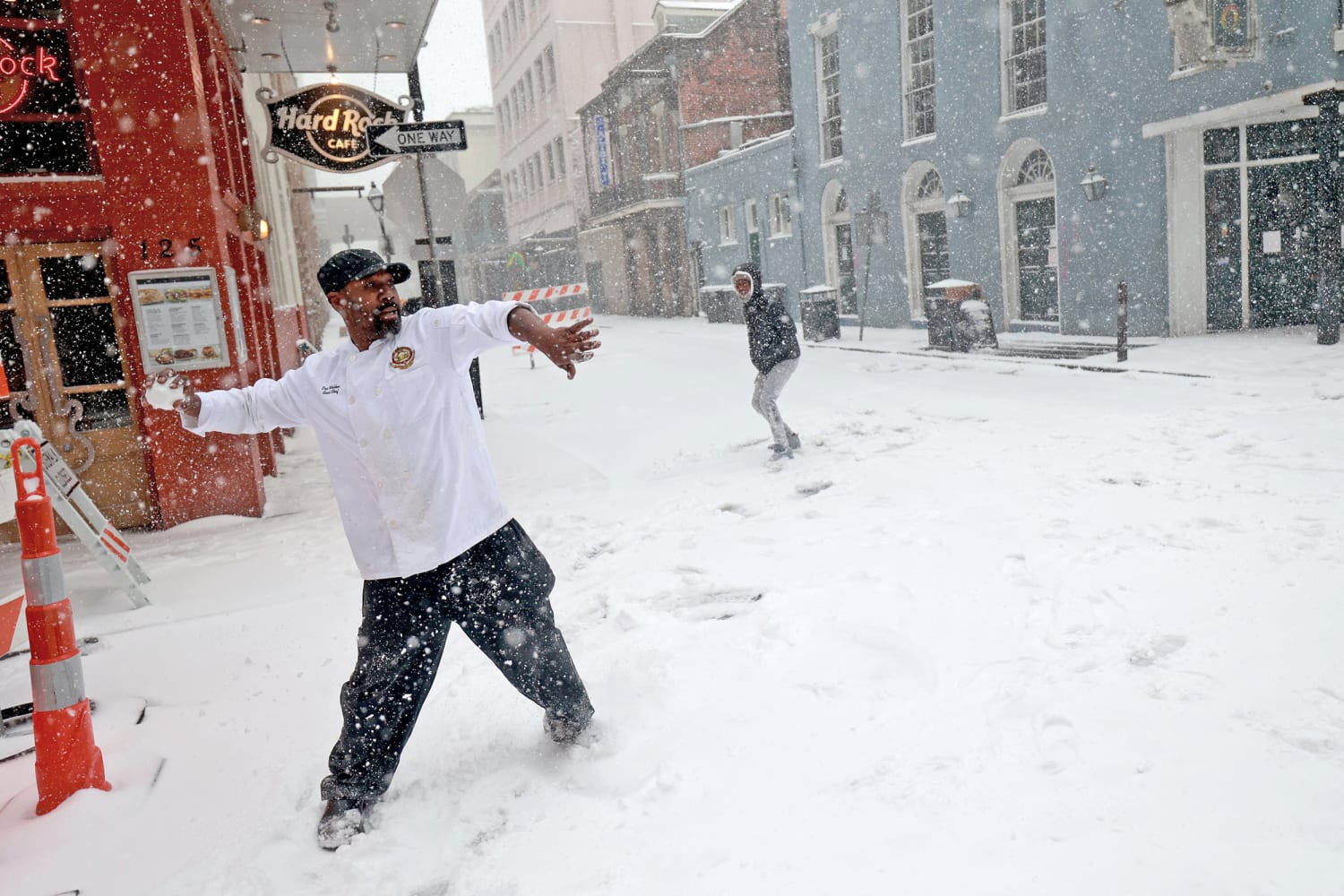
One of the most talked-about snowfall events in New Orleans history occurred on February 11, 1962. This was not a mere dusting; it was a substantial snowfall that brought the city to a standstill. Accumulations of up to ten inches were reported in some areas, a staggering amount for this subtropical locale. The city, ill-equipped for such weather, experienced widespread disruption. Schools were closed, roads became impassable, and the novelty of snow led to impromptu snowball fights and snowman-building contests in parks and on residential streets. The French Quarter, usually bustling with tourists and locals, took on a surreal, quiet beauty as the snow softened the edges of its historic architecture. This event remains a benchmark for snowy conditions in the city, a vivid memory for those who lived through it and a point of historical reference for subsequent weather events.
Other Minor Snowfall and Sleet Occurrences
Beyond the landmark 1962 event, New Orleans has experienced other, less substantial, encounters with frozen precipitation.
The 2004 Winter Event
In December 2004, parts of the New Orleans metropolitan area witnessed a brief period of snow and sleet. While the accumulation was generally light, measuring less than an inch in most places, it was enough to cause a stir and, predictably, some travel delays. The sight of snow flurries falling against the backdrop of palm trees and historic Creole cottages was a peculiar and memorable sight for residents and the few fortunate visitors present. This event, while not as impactful as 1962, served as a reminder that the city is not entirely immune to the whims of winter weather.
Sporadic Sleet and Flurries
There have been other instances throughout the decades where the city has experienced fleeting moments of sleet or light snow flurries. These are often so transient and light that they barely register as a snowfall. They might appear as brief white streaks against dark skies or as a thin, quickly melting layer on cold surfaces. While not significant enough to be classified as a major snow event, these occurrences contribute to the overall narrative of New Orleans’ infrequent but documented encounters with frozen precipitation, adding to the mystique of the city. These minor events are often met with a mixture of surprise, delight, and a touch of logistical challenge for a region not built for winter conditions.
The Impact of Snow on New Orleans
When snow does fall in New Orleans, its impact is amplified by the city’s general lack of preparedness and the sheer novelty of the event. The infrastructure and the local populace are accustomed to dealing with heat, humidity, and heavy rain, not frozen precipitation. This creates a unique set of challenges and opportunities, transforming daily life in ways that are both disruptive and, for many, wonderfully memorable.
Infrastructure and Daily Life Adjustments
The most immediate impact of snow in New Orleans is on transportation and daily routines. Roads, often not treated for ice or snow, can become hazardous quickly. Public transportation schedules are often disrupted, and many residents, unfamiliar with driving in snowy conditions, opt to stay home. Schools and businesses frequently close, not just due to the weather itself, but also because of the logistical challenges it presents. The city’s drainage systems, designed for rain, are not equipped to handle melting snow, which can lead to localized flooding in some areas. This period of disruption, however brief, highlights the unique environmental adaptations of the city and its inhabitants.
A Unique Tourism Experience
For visitors, experiencing snow in New Orleans offers an unparalleled and often surreal tourism opportunity. The iconic sights of the French Quarter, the historic streetcars, and the lush vegetation of the Garden District take on a completely different character under a dusting of white. Tourists often seize the moment, capturing photographs of the snow-draped balconies and cobblestone streets, creating unique travel memories. While many hotels like the Roosevelt New Orleans, A Waldorf Astoria Hotel might find their typical outdoor ambiance altered, the novelty can also translate into a distinct and engaging experience for guests, offering a chance to see a different, more intimate side of the city. The rarity of snow ensures that any visit coinciding with such an event becomes an exceptionally memorable part of a traveler’s journey.
The Future of Snow in New Orleans
Predicting weather patterns is an inexact science, and the future of snowfall in New Orleans remains uncertain, influenced by broader climatic shifts. However, based on historical data and current climate projections, significant snowfall is likely to remain an anomaly rather than a regular occurrence.
Climate Change Considerations
The ongoing discussion surrounding climate change introduces complexity to future weather predictions. While some regions are experiencing more extreme weather events, the specific impact on the frequency of snowfall in subtropical areas like New Orleans is subject to ongoing scientific analysis. It is possible that changing atmospheric circulation patterns or shifts in temperature regimes could influence the occurrence of cold snaps severe enough to produce snow. However, the prevailing trend of warming temperatures globally might, conversely, make such events even less likely in the long term.

Continued Rarity and Memorable Events
Regardless of long-term climatic trends, historical precedent suggests that New Orleans will continue to be a city where snow is a rare and celebrated event. When it does occur, it will likely remain a subject of local fascination and a unique experience for visitors. The memory of the 1962 snowfall, and other less significant events, serves as a testament to the city’s ability to adapt and find wonder in the unexpected. For those planning a visit, while embracing the city’s signature warmth and culture is a given, the slim possibility of witnessing a snowy New Orleans adds another layer of intrigue to its already captivating allure. The city’s true magic lies in its vibrant spirit, and whether under a canopy of summer humidity or a fleeting blanket of winter white, that spirit perseveres.
LifeOutOfTheBox is a participant in the Amazon Services LLC Associates Program, an affiliate advertising program designed to provide a means for sites to earn advertising fees by advertising and linking to Amazon.com. Amazon, the Amazon logo, AmazonSupply, and the AmazonSupply logo are trademarks of Amazon.com, Inc. or its affiliates. As an Amazon Associate we earn affiliate commissions from qualifying purchases.