
New Orleans, a city that pulsates with an unmistakable rhythm, a melting pot of cultures, and a culinary paradise, often sparks curiosity about its precise geographical placement within the vast expanse of the United States. Understanding its location is not merely an academic exercise; it’s the first step in appreciating the unique environmental, historical, and cultural forces that have shaped this iconic American destination. Situated in the southeastern part of the country, New Orleans holds a distinct position that influences everything from its climate and natural landscape to its accessibility and the very spirit of its inhabitants.
Navigating the Geographic Landscape of New Orleans
To truly grasp the essence of New Orleans, one must first anchor it geographically. Its location is intrinsically tied to the mighty Mississippi River and the vast Gulf of Mexico. This strategic positioning has historically made it a vital port and a crossroads of trade and culture, a legacy that continues to define the city today.
The Crescent City’s Southeastern Situs
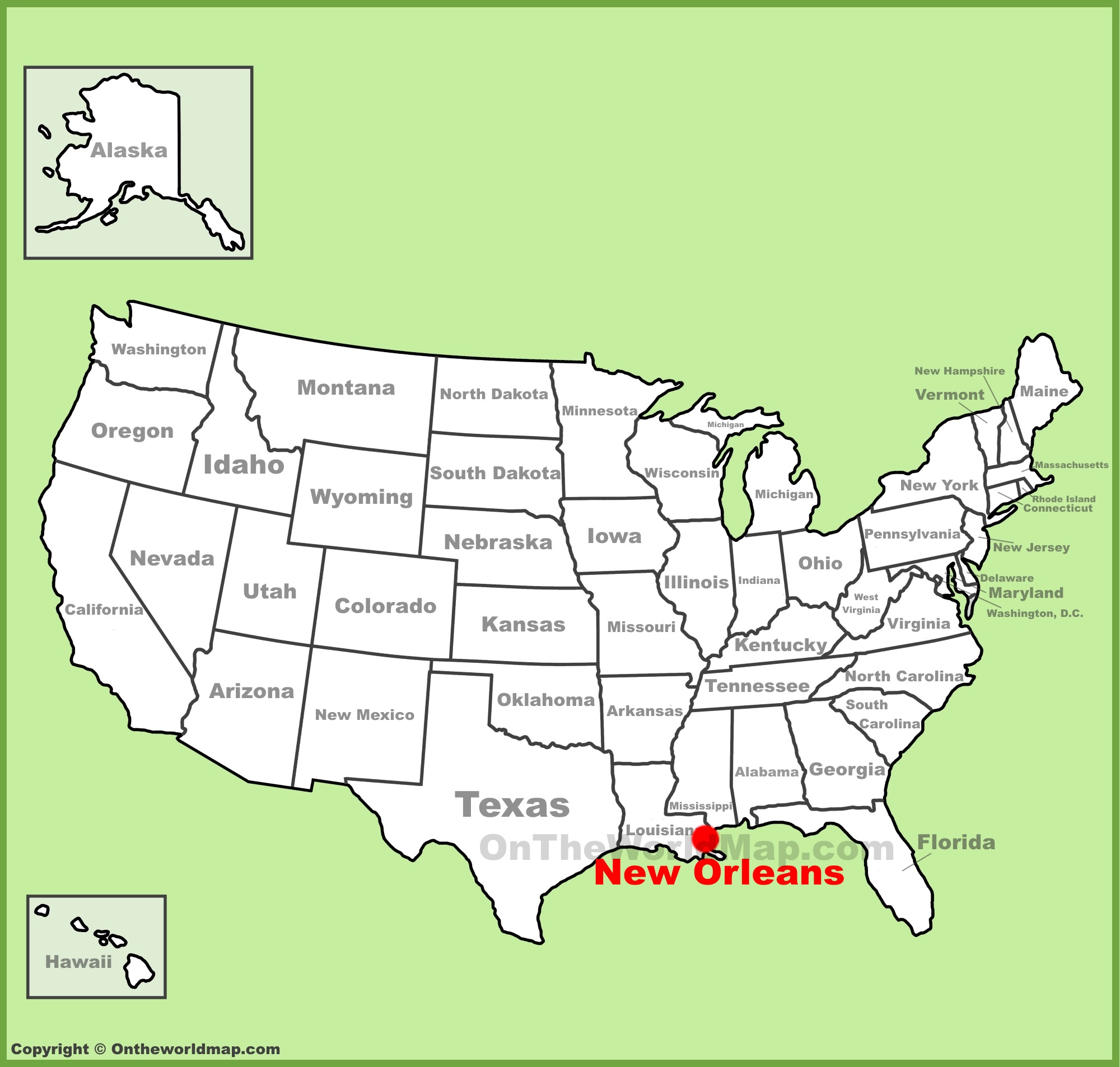
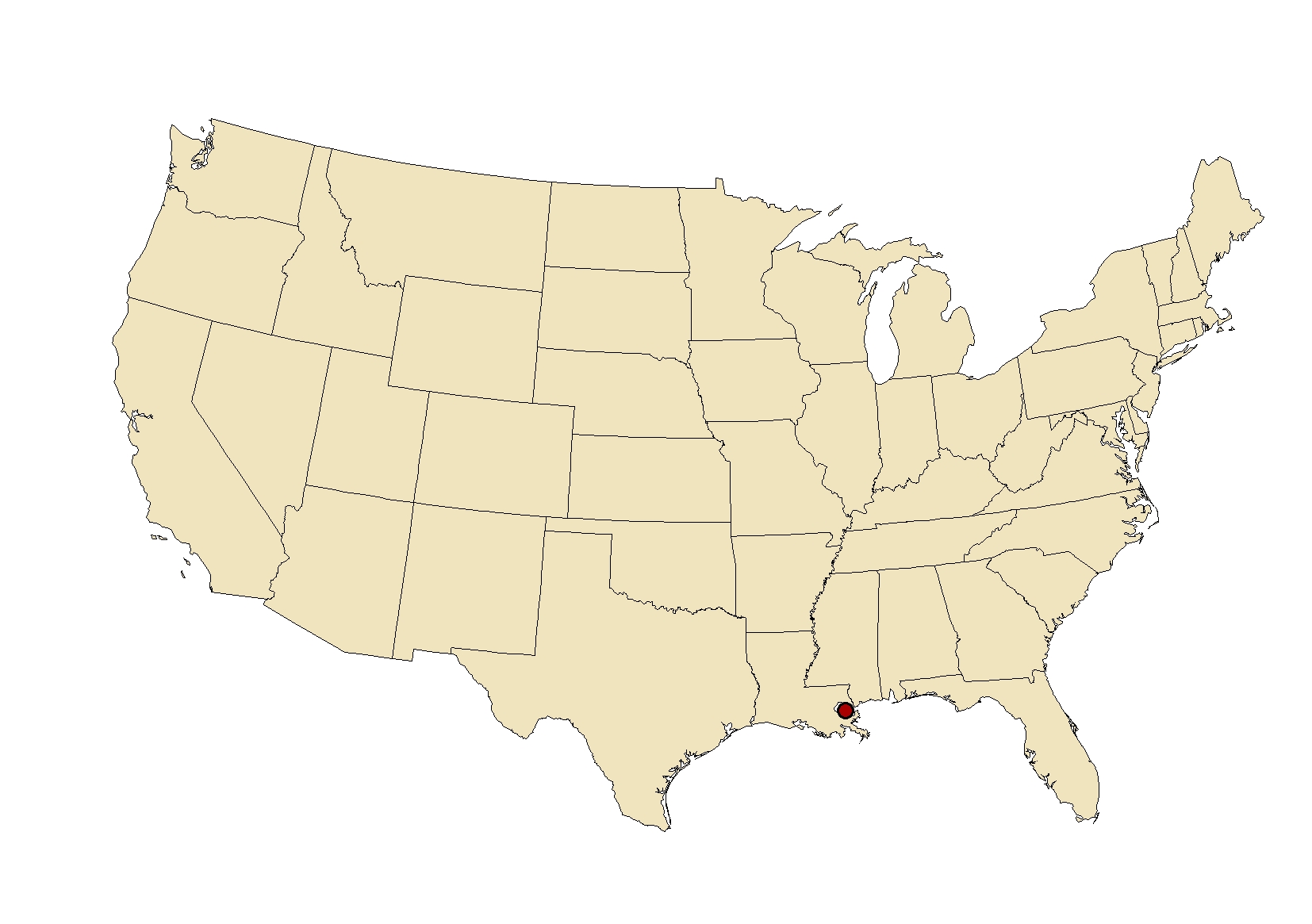
New Orleans is located in the state of Louisiana, specifically in the southeastern corner. This placement positions it within the Deep South region of the United States, a territory renowned for its rich history, distinct traditions, and a climate that is both a blessing and a challenge. The city is one of the oldest in the country, its founding by the French in the early 18th century intrinsically linked to its strategic location at the mouth of the Mississippi River. This geographical advantage allowed it to become a crucial hub for commerce, connecting the interior of the continent with the wider world.
The Mighty Mississippi and the Coastal Embrace
The city’s topography is dramatically shaped by its proximity to the Mississippi River, which forms a distinctive crescent shape around the older parts of the city, hence its nickname, the “Crescent City.” This proximity means New Orleans is a low-lying city, situated at or below sea level in many areas. This characteristic has profoundly influenced its urban planning, its architectural styles (from raised foundations to extensive levee systems), and its ongoing relationship with water. Further south, the city opens up to the immense expanse of the Gulf of Mexico, contributing to its humid subtropical climate and its vulnerability to hurricanes, a force of nature that has repeatedly tested and redefined the city’s resilience. The intricate network of bayous and wetlands surrounding New Orleans is not just a picturesque backdrop; it’s an integral part of its ecosystem and a crucial barrier against storm surges.
Understanding New Orleans’ Place Within the United States
Beyond its immediate surroundings, New Orleans’ location within the broader United States context is equally significant. It represents a cultural and historical outlier, a vibrant enclave that has retained and celebrated its unique heritage while contributing immeasurably to the national tapestry.
A Strategic Port and a Cultural Nexus
As the largest city in Louisiana and a major port city, New Orleans has always been a gateway. Its historical role as a French and Spanish colony, followed by its acquisition by the United States through the Louisiana Purchase, has endowed it with a complex and fascinating history. This history is palpable in its architecture, its music, its cuisine, and its language, all of which bear the indelible marks of Native American, French, Spanish, African, and Caribbean influences. Unlike many other American cities that developed along more linear paths, New Orleans evolved as a confluence of diverse cultures, creating a singular urban identity that is distinctively its own. Its position along the Mississippi River made it a vital conduit for goods and people, fostering an environment of exchange and adaptation that has been central to its enduring appeal.
Accessibility and Regional Connections

New Orleans’ location makes it relatively accessible to other major regions of the United States. It is a key hub in the southeastern transportation network, served by major interstates, a significant international airport, and its historic port. This accessibility facilitates travel for tourists wishing to experience its unique charm and for businesses leveraging its logistical advantages. It shares borders with other southern states, including Mississippi to the east and Texas to the west, creating regional connections that have shaped its economic and social interactions. The proximity to these states also means that while New Orleans possesses a distinct identity, it also engages in the broader cultural and economic currents of the American South.
The Unique Influence of New Orleans’ Geography
The specific geographical context of New Orleans—its low elevation, its deltaic plain, and its proximity to both a major river and the sea—has shaped not only its physical form but also its lifestyle, its challenges, and its extraordinary resilience.
Living with Water: Climate and Hydrology
New Orleans experiences a humid subtropical climate, characterized by hot, muggy summers and mild winters. The abundant rainfall and high humidity are direct consequences of its location adjacent to the Gulf of Mexico and its position within the vast Mississippi River Delta. The city’s relationship with water is multifaceted; it is the source of its fertile land and its abundant natural resources, yet it also presents significant challenges. The constant threat of flooding, exacerbated by land subsidence and rising sea levels, has necessitated continuous investment in infrastructure and has fostered a unique understanding of and respect for the natural environment among its residents. The city’s diverse waterways, from the Mississippi River itself to the labyrinthine bayous, have historically provided avenues for transportation and recreation, while also influencing its distinct culinary traditions, which heavily feature seafood.
The Deltaic Landscape and Its Ecosystem
The land on which New Orleans is built is a testament to the power of the Mississippi River. It is part of the Mississippi River Delta, a vast and dynamic region formed by centuries of sediment deposition. This fertile deltaic landscape has supported unique ecosystems, including vast wetlands, marshes, and swamps, which are teeming with diverse wildlife. These natural areas are not only ecologically significant but also play a crucial role in protecting the city from storm surges and coastal erosion. The preservation and understanding of these wetlands are paramount to the city’s long-term survival and are increasingly integrated into its urban planning and environmental consciousness. The very fabric of the region, from its soil composition to its vegetation, is a direct result of its deltaic origins, shaping the way the city is built and how its inhabitants interact with their environment.
Discovering New Orleans: A Destination Shaped by its Location
Understanding precisely where New Orleans lies on the United States map unlocks a deeper appreciation for the experiences it offers. Its geographical positioning is not just a point on a map; it’s the bedrock upon which its vibrant culture, its rich history, and its unforgettable attractions are built.
Iconic Neighborhoods and Their Geographic Roots
The distinct neighborhoods of New Orleans are intrinsically linked to its geography. The historic French Quarter, with its iconic Creole architecture and narrow streets, owes its existence to its original settlement along the Mississippi River. The higher ground, known as “crests,” which were less prone to flooding, became the preferred sites for early development. Areas like the Garden District, characterized by its grand mansions and lush vegetation, were developed on formerly agricultural land. The vibrant music scene of Tremé and the bustling markets are all products of a city that grew organically along the riverbanks and waterways, embracing its unique topography. Even the names of some neighborhoods, such as those bordering Lake Pontchartrain, reflect their proximity to this vast inland body of water.
Culinary Delights and Regional Flavors
New Orleans’ culinary landscape is one of its most celebrated assets, and its geography plays a pivotal role. The abundance of seafood from the Gulf of Mexico and the rich agricultural output of the Mississippi Delta are fundamental to its iconic dishes. From fresh oysters and succulent shrimp to the rich, dark roux-based sauces of Creole cuisine, the local ingredients are a direct reflection of the city’s environment. The historical trade routes facilitated by the Mississippi River also brought diverse influences to the city’s kitchens, blending French, Spanish, African, and Caribbean flavors into a unique gastronomic tradition. Even the city’s famous coffee, often served with chicory, has roots tied to historical trade and availability shaped by its port status. Exploring the culinary scene in New Orleans is, in essence, tasting the very geography of the region.
By understanding where New Orleans is on the United States map, one begins to unlock the secrets of its captivating allure. It is a city shaped by the water, by the river, and by its strategic position at the crossroads of America, a place where history, culture, and geography converge to create an experience unlike any other.
LifeOutOfTheBox is a participant in the Amazon Services LLC Associates Program, an affiliate advertising program designed to provide a means for sites to earn advertising fees by advertising and linking to Amazon.com. Amazon, the Amazon logo, AmazonSupply, and the AmazonSupply logo are trademarks of Amazon.com, Inc. or its affiliates. As an Amazon Associate we earn affiliate commissions from qualifying purchases.