
When navigating the vibrant and ever-moving landscape of New York City, understanding the operational status of its educational institutions is crucial for residents, tourists, and anyone whose plans might intersect with the daily rhythm of the city. While the immediate question might seem administrative, its implications extend to traffic patterns, public transportation, and even the availability of certain family-oriented activities. This article delves into the factors that determine school closures in New York City, offering insights for those seeking to plan their days effectively within this dynamic metropolis.
Understanding the Determinants of School Closures
The decision to close schools in New York City is not taken lightly and is typically a response to significant events or conditions that pose a threat to the safety and well-being of students and staff. These determinants are multifaceted, ranging from severe weather to public health emergencies and even unforeseen infrastructure issues.

Severe Weather Events
New York City, with its distinct seasons, can experience a range of weather phenomena that necessitate school closures.
Snowstorms and Blizzards
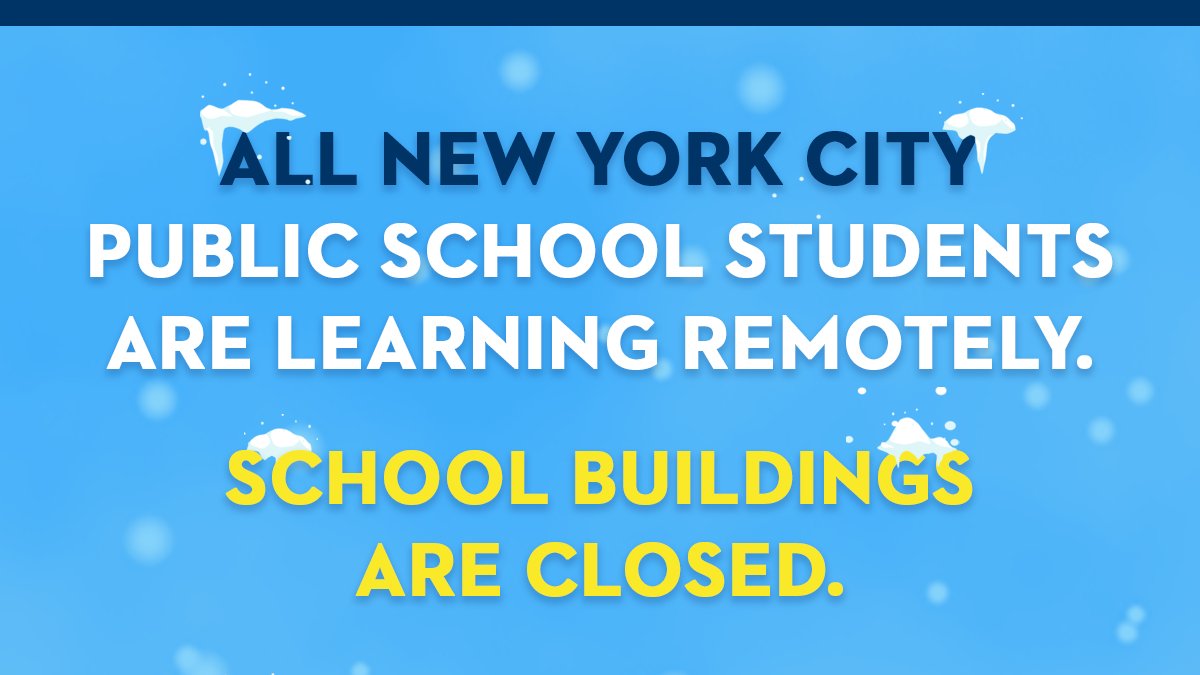
During winter, heavy snowfall or blizzards are a primary cause for school closures. When accumulations are significant, making roads impassable and public transportation unreliable, the New York City Department of Education will often make the decision to shut down schools. This allows for road clearing operations to commence safely and prevents students and staff from undertaking hazardous commutes. The severity of the storm, the predicted accumulation, and the city’s ability to manage the impact are all key considerations. The closure can range from a single day to several, depending on the duration and intensity of the weather event.
Hurricanes and Tropical Storms
While less frequent, hurricanes and tropical storms can also impact New York City, bringing high winds, heavy rainfall, and potential flooding. In such cases, school closures are implemented as a precautionary measure to ensure the safety of the school community. Evacuations, power outages, and the general danger posed by extreme weather conditions are paramount concerns. The decision-making process often involves coordination with city emergency management officials.
Extreme Heat
In rare instances, extreme heat waves can also lead to school closures, particularly in older buildings that may lack adequate air conditioning. The health risks associated with prolonged exposure to high temperatures, especially for young children, can necessitate an early dismissal or a full day of closure to ensure a safe learning environment.
Public Health Emergencies
The health and safety of students are always the top priority, and public health emergencies are a significant driver of school closures in New York City.
Pandemics and Epidemics
The most prominent example of this in recent memory is the COVID-19 pandemic. The emergence of infectious diseases can lead to widespread school closures, often transitioning to remote learning models to maintain educational continuity. Decisions are guided by public health advisories from organizations like the Centers for Disease Control and Prevention (CDC) and local health departments. The goal is to slow the spread of the virus and protect vulnerable populations.
Other Health Concerns
Beyond pandemics, localized outbreaks of other serious illnesses or environmental health hazards, such as significant air quality issues from distant wildfires, could also trigger temporary school closures to safeguard students and staff.
Unforeseen Circumstances and Infrastructure Failures
Occasionally, unexpected events can disrupt the normal functioning of schools, leading to closures.
Building Safety and Maintenance Issues
Critical infrastructure failures within school buildings, such as major plumbing issues, power outages not related to weather, or safety concerns like structural damage, can force immediate closures. Ensuring that school facilities are safe and conducive to learning is a non-negotiable requirement. Repairs might take days or weeks, leading to extended closures and the need for alternative educational arrangements.
Public Safety Incidents
In rare and specific circumstances, a nearby public safety incident that poses a direct threat to the school community might lead to a temporary closure. This is typically a coordinated effort with law enforcement and emergency services to ensure the safety of everyone involved.
How to Stay Informed About School Closures
Given the potential impact of school closures on various aspects of New York City life, staying informed is paramount. The New York City Department of Education utilizes several channels to disseminate information quickly and efficiently.
Official Announcements from the New York City Department of Education
The primary source of information regarding school closures is always the New York City Department of Education. They are responsible for making the final decision and communicating it to the public.
Website and Social Media
The official website of the New York City Department of Education is updated with breaking news regarding closures. They also maintain active social media accounts on platforms like Twitter, where urgent announcements are often posted. Following these official channels ensures that you are receiving information directly from the source.

Email and Text Alerts
Parents and guardians registered with the New York City Department of Education system often receive email and text message alerts regarding school closures and other important notifications. It is essential to ensure that your contact information is up-to-date in their records.
Media Outlets
Local news organizations play a vital role in broadcasting and disseminating information about school closures throughout New York City.
Television and Radio Broadcasts
Major television and radio stations in New York City will typically provide real-time updates on school closures during severe weather events or other emergencies. Keeping tuned to these local channels can be a reliable way to stay informed.
Online News Portals
The websites of New York City news outlets often feature dedicated sections or banners for breaking news, including school closure alerts. These can be accessed on computers and mobile devices, offering convenient access to information.
Third-Party Apps and Websites
Several third-party applications and websites aggregate school closure information, often pulling data from official sources. While these can be convenient, it is always advisable to cross-reference information with official announcements to ensure accuracy.
Impact of School Closures on the City
School closures in New York City have ripple effects that extend beyond the educational system, impacting various facets of urban life. Understanding these impacts can help individuals adjust their plans accordingly.
Transportation and Commuting
When schools are closed, especially due to weather, it significantly alters traffic patterns and public transportation usage.
Reduced Traffic Congestion
On days when schools are closed, the number of school buses and parent drop-offs decreases, which can lead to a noticeable reduction in traffic congestion, particularly in residential areas and around school zones. This might offer a slight reprieve for commuters, although other factors can still contribute to heavy traffic.
Altered Public Transportation Schedules
While public transportation like the MTA typically continues to operate, closures might indirectly influence ridership. In severe weather, disruptions to transit services are also possible. Conversely, in cases of early dismissals due to weather, a sudden surge in commuters can occur.
Local Businesses and Services
The closure of schools can affect the operations of local businesses and services that rely on student populations or parent schedules.
Increased Foot Traffic in Certain Areas
Areas with attractions like museums or entertainment venues might see an increase in family foot traffic on days when schools are out, especially during prolonged closures or holidays. Places like the American Museum of Natural History or the Metropolitan Museum of Art could become popular destinations.
Impact on Service Availability
Some services that cater specifically to students or rely on school schedules might experience reduced demand or operate with altered hours. Conversely, businesses offering childcare or recreational activities might see an increase in demand.
Tourism and Visitor Experience
For visitors to New York City, school closures can be a minor consideration but still worth noting, especially when planning family-friendly activities.
Availability of Family Attractions
On days when schools are closed, many family-oriented attractions will likely be open and potentially busier. This is an opportunity for tourists to visit popular spots like Central Park or the Statue of Liberty, though it’s wise to anticipate larger crowds.
Navigating Public Spaces
Understanding that more families might be out and about can influence how tourists navigate public spaces. It can also mean that certain areas might experience more vibrancy and activity than usual.
In conclusion, while the question of whether schools are closed in New York City today might seem straightforward, the underlying reasons and the subsequent impacts are nuanced. Staying informed through official channels and understanding the various factors that can lead to closures is key to navigating the dynamic urban environment of this global metropolis.
LifeOutOfTheBox is a participant in the Amazon Services LLC Associates Program, an affiliate advertising program designed to provide a means for sites to earn advertising fees by advertising and linking to Amazon.com. Amazon, the Amazon logo, AmazonSupply, and the AmazonSupply logo are trademarks of Amazon.com, Inc. or its affiliates. As an Amazon Associate we earn affiliate commissions from qualifying purchases.