
While the image of a scaly predator lurking in the waters of the Big Apple might conjure up images from a B-movie horror flick, the reality of alligators in New York is more nuanced than a simple yes or no. For the intrepid traveler or curious local, understanding the presence and potential encounters with these reptiles adds a unique layer to exploring the state’s diverse natural landscapes. This exploration delves into the possibilities, the actual occurrences, and the prudent measures for anyone venturing into areas where such encounters, however rare, might theoretically occur.

Understanding the Reptilian Presence: Native vs. Introduced
When we speak of alligators in New York, it’s crucial to differentiate between native species and those that might find their way into the ecosystem through human intervention. This distinction is fundamental to appreciating the ecological context and the likelihood of encountering these animals.
Native Alligators: A Historical Absence
Historically, the American alligator (Alligator mississippiensis) has a natural range that extends much further north than New York. Their typical habitat lies in the southeastern United States, from the coastal plains of North Carolina down to the Florida Keys and west to the Rio Grande in southern Texas. This geographical limitation means that alligators are not a native species to the Empire State. You won’t find established, breeding populations of American alligators thriving in the wild waterways of New York in the same way you would in states like Florida or Louisiana. The colder climate and lack of suitable year-round warm environments are significant deterrents to the establishment of a native population.
Introduced Alligators: The Pet Trade Phenomenon
The primary reason for reports or sightings of alligators in New York stems from the pet trade. Alligators, especially juvenile ones, can be attractive but ultimately unmanageable pets. When owners realize they can no longer care for these animals, some unfortunately release them into local waterways. These introduced individuals are not part of a natural ecosystem; they are displaced pets struggling to survive in an environment not suited for them. While these alligators might survive for a period, particularly during warmer months, their long-term prospects are dim due to the harsh winters. Nonetheless, their presence, even if temporary, warrants attention and caution for those exploring these areas.
Documented Sightings and Potential Habitats
While not a native species, there have been documented instances of alligators being found in New York. These occurrences, though rare and often isolated, contribute to the mystique and the necessity of being informed. Understanding where these sightings have been reported can help visitors and residents be more aware of their surroundings.
Reported Locations: From Ponds to Parks
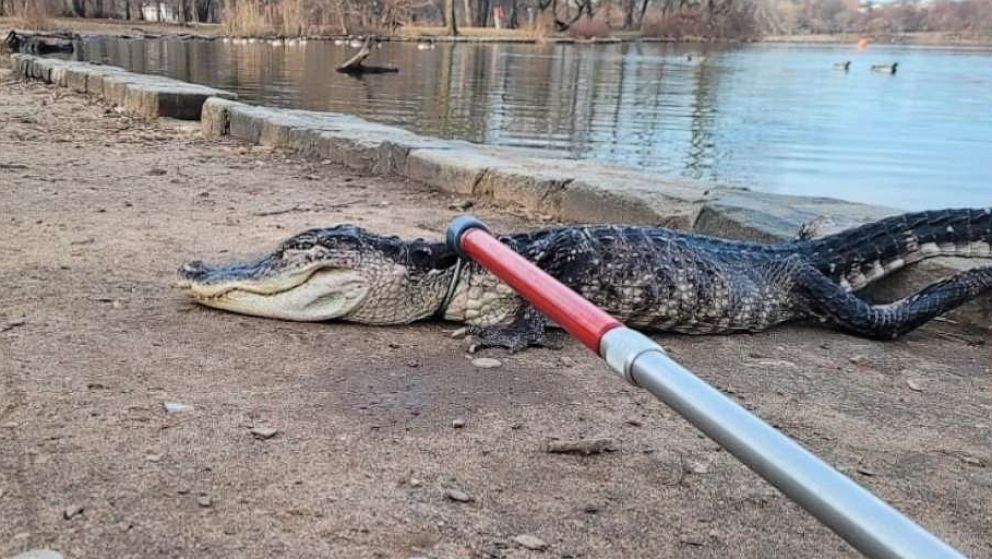
Over the years, there have been sporadic reports of alligators in various locations across New York. These have included smaller ponds, lakes, and even some tributaries of larger rivers. For instance, a notable incident involved an alligator being found in a pond in Croton Point Park in Westchester County. Such sightings are often the result of escaped or released pets. These animals are typically found in areas that offer a degree of seclusion and accessible water bodies, which might include less-trafficked wetlands, drainage canals, or even larger urban parks with aquatic features. While these are not the sprawling swamps of the American South, they can provide temporary refuge for an animal desperate to survive.
Factors Influencing Survival: A Harsh Climate
The survival of an introduced alligator in New York is highly dependent on climatic conditions. Unlike their southern counterparts, which can tolerate a wide range of temperatures, New York’s freezing winters pose a significant challenge. Alligators are ectothermic, meaning they rely on external sources of heat to regulate their body temperature. Prolonged exposure to sub-freezing temperatures is lethal for them. While an alligator might survive a mild winter by burrowing or finding deeper, less frozen water, prolonged cold snaps can lead to death. This is a key reason why established, breeding populations are virtually non-existent. Most alligators found are either juveniles or have been present for a relatively short period before succumbing to the elements or being captured.
Safety and Responsible Exploration
The possibility of encountering an alligator, however remote, necessitates a mindful approach to outdoor activities in New York. Adhering to safety guidelines ensures a positive and secure experience for everyone.
Prudent Practices for the Outdoors
When exploring natural areas in New York, especially those with bodies of water, it’s always wise to exercise caution and common sense. This includes:
- Maintaining a Safe Distance: If you do happen to spot an alligator, never approach it. Observe from a significant distance. Alligators, like any wild animal, can become defensive if they feel threatened.
- Supervising Children and Pets: Always keep a close eye on children and pets, particularly near water bodies. Do not allow them to play unsupervised in areas where wildlife might be present.
- Avoiding Feeding Wildlife: Never feed any wild animals, including alligators. Feeding can habituate them to human presence, making them more aggressive and increasing the likelihood of dangerous encounters.
- Being Aware of Your Surroundings: Pay attention to signs and warnings posted by park authorities or local wildlife agencies. These are often placed in areas where unusual wildlife activity has been reported.
- Respecting Habitats: Avoid disturbing natural habitats. Stick to designated trails and paths to minimize your impact on the environment and avoid accidental encounters.

Reporting Sightings: A Community Effort
If you believe you have seen an alligator in New York, it’s important to report it to the appropriate authorities. This information is valuable for wildlife management and public safety.
- New York State Department of Environmental Conservation (DEC): The DEC is the primary agency responsible for wildlife management in the state. Reporting your sighting to them allows them to track the presence of non-native species, assess potential risks, and take appropriate action, such as safely capturing and relocating the animal if necessary. You can typically find contact information for your regional DEC office on their official website.
- Local Park Rangers or Authorities: If the sighting occurs within a specific park or nature preserve, informing the park rangers or local authorities can also be beneficial. They are often the first responders to such situations and can provide immediate guidance and ensure public safety within their jurisdiction.
By understanding the reality of alligators in New York – their non-native status, the reasons for their occasional presence, and the simple yet effective safety measures – you can engage with the state’s natural beauty with confidence and respect. While a sighting might be a rare and startling event, being informed transforms potential fear into responsible appreciation for the complex tapestry of life, even in unexpected urban and suburban landscapes.
LifeOutOfTheBox is a participant in the Amazon Services LLC Associates Program, an affiliate advertising program designed to provide a means for sites to earn advertising fees by advertising and linking to Amazon.com. Amazon, the Amazon logo, AmazonSupply, and the AmazonSupply logo are trademarks of Amazon.com, Inc. or its affiliates. As an Amazon Associate we earn affiliate commissions from qualifying purchases.