
The question of voting rights for individuals with felony convictions is a complex and often debated issue across the United States. In New York, the landscape of suffrage for those who have been convicted of felonies is shaped by a unique set of laws and interpretations. Understanding these regulations is crucial for both civic engagement and for those seeking to fully reintegrate into society. This article delves into the specifics of felony disenfranchisement and enfranchisement in the Empire State, providing clarity on who can and cannot cast a ballot.
Understanding Felony Disenfranchisement in New York
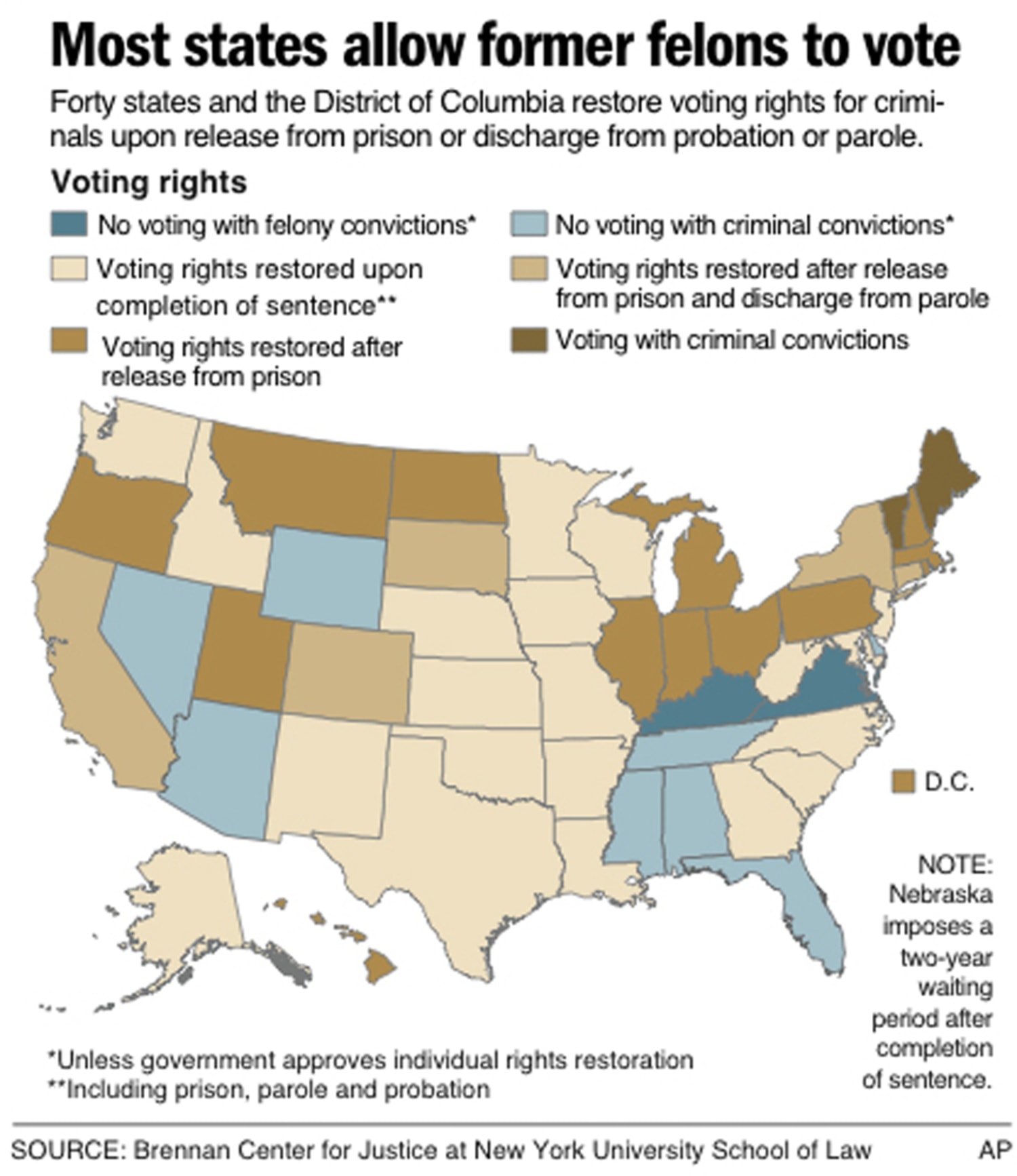
Felony disenfranchisement refers to the laws that restrict or revoke the voting rights of individuals convicted of felonies. Historically, these laws have been used to suppress the votes of certain populations, and their legacy continues to influence contemporary discussions. In New York, the approach to felony disenfranchisement has evolved over time, moving away from lifetime bans towards a system that emphasizes restoration of rights.
The Legal Framework
New York State’s Constitution and statutes govern voting rights. While the state has a history of imposing significant restrictions on felons’ voting access, recent legislative changes have aimed to expand suffrage. The core principle guiding these changes is the belief that civic participation is an essential component of rehabilitation and reintegration.
Historical Context and Evolution
Prior to recent reforms, New York’s laws were among the more restrictive in the nation. Individuals convicted of felonies were automatically disenfranchised while incarcerated and often faced lengthy waiting periods or specific legal processes to regain their voting rights upon release. This created significant barriers for many citizens seeking to exercise their fundamental right to vote. The shift in policy reflects a broader national trend towards restoring voting rights for formerly incarcerated individuals.
Voting Rights for Incarcerated Felons
A key distinction in New York law concerns the voting rights of individuals who are currently incarcerated after a felony conviction. The state’s constitution and legal interpretations have historically barred incarcerated individuals from voting, regardless of the nature of their crime or their stage in the correctional process.
Restrictions During Incarceration
Under New York law, individuals serving a felony sentence in a state or federal prison, or a local jail for a felony conviction, are generally prohibited from voting. This prohibition extends to all felony offenses and is not dependent on the severity of the crime. The rationale often cited for this restriction is that individuals who have been convicted of serious crimes and are deprived of their liberty have forfeited certain civic privileges, including the right to vote.
The Impact of Incarceration on Voting Access
The inability to vote while incarcerated can have a profound impact on individuals serving sentences. It can hinder their sense of connection to the community and their ability to participate in democratic processes that affect their lives and the lives of their families. Advocates for voting rights argue that allowing incarcerated individuals to vote, particularly in local elections, could foster a greater sense of civic responsibility and aid in their eventual reintegration into society. However, current New York law maintains this restriction.
Voting Rights Upon Release and Beyond
The most significant changes in New York regarding felony voting rights have occurred for individuals who have been released from incarceration. The state has moved towards a system where voting rights are automatically restored upon release from prison, simplifying the process and removing many of the prior obstacles.
Automatic Restoration of Rights
A landmark change in New York law, often referred to as “NYS Unlock the Vote” or similar initiatives, has made it easier for individuals with felony convictions to regain their voting rights. Under these reforms, if an individual is convicted of a felony and is released from state prison, their right to vote is automatically restored upon their release. This means that individuals do not need to petition the court or go through a separate legal process to have their voting rights reinstated.

Clarification on Parole and Probation
It is important to clarify how parole and probation affect voting rights in New York. If an individual is convicted of a felony and is released from prison but remains on parole or probation, they are still considered to have their voting rights restored under the automatic restoration provisions. This is a critical aspect of the reform, as many individuals complete their prison sentences but continue to be supervised in the community. Therefore, being on parole or probation does not, in itself, disqualify a convicted felon from voting in New York.
Who Remains Disenfranchised?
While automatic restoration upon release is the norm, there are still specific circumstances under which a convicted felon may remain disenfranchised. This primarily applies to individuals who are currently incarcerated. Those who have been convicted of specific, serious election-related crimes might also face additional restrictions. However, for the vast majority of individuals completing felony sentences, the path to regaining suffrage is now clear and automatic upon exiting correctional facilities.
The Process of Re-enfranchisement
The move towards automatic restoration of voting rights simplifies a process that was once fraught with bureaucratic hurdles and confusion. This change reflects a commitment to civic inclusion and the belief that formerly incarcerated individuals should be able to participate in the democratic process.
Post-Release Procedures
With the advent of automatic restoration, individuals released from prison after serving felony sentences in New York do not need to take any specific action to have their voting rights reinstated. They are eligible to register to vote immediately upon release. This proactive approach aims to minimize any confusion or delay that might discourage newly released individuals from participating in elections.
Registering to Vote
Once an individual’s voting rights are restored, they must register to vote in New York like any other eligible citizen. This can be done online, by mail, or in person at local board of elections offices or through the Department of Motor Vehicles. It is essential for individuals to ensure they are registered before Election Day to cast their ballot. Information on voter registration deadlines and methods is readily available from the New York State Board of Elections.
Seeking Assistance and Information
For individuals who have questions or require assistance regarding their voting rights, numerous organizations in New York are dedicated to helping. These groups provide information, advocacy, and support to ensure that all eligible citizens can exercise their right to vote. They can assist with the registration process, clarify any lingering uncertainties about eligibility, and offer guidance on navigating the electoral system.
Conclusion: A More Inclusive Democracy
The evolution of voting rights for convicted felons in New York represents a significant stride towards a more inclusive and rehabilitative justice system. By moving away from permanent disenfranchisement and embracing automatic restoration upon release, the state acknowledges the importance of civic participation in the reintegration process.
The Importance of Civic Engagement
The ability to vote is a cornerstone of democratic citizenship. For individuals transitioning back into society after serving time for a felony conviction, regaining the right to vote can be a powerful symbol of their renewed place within the community. It allows them to have a voice in shaping the policies and electing the representatives that will govern their lives.
Future Considerations and Advocacy
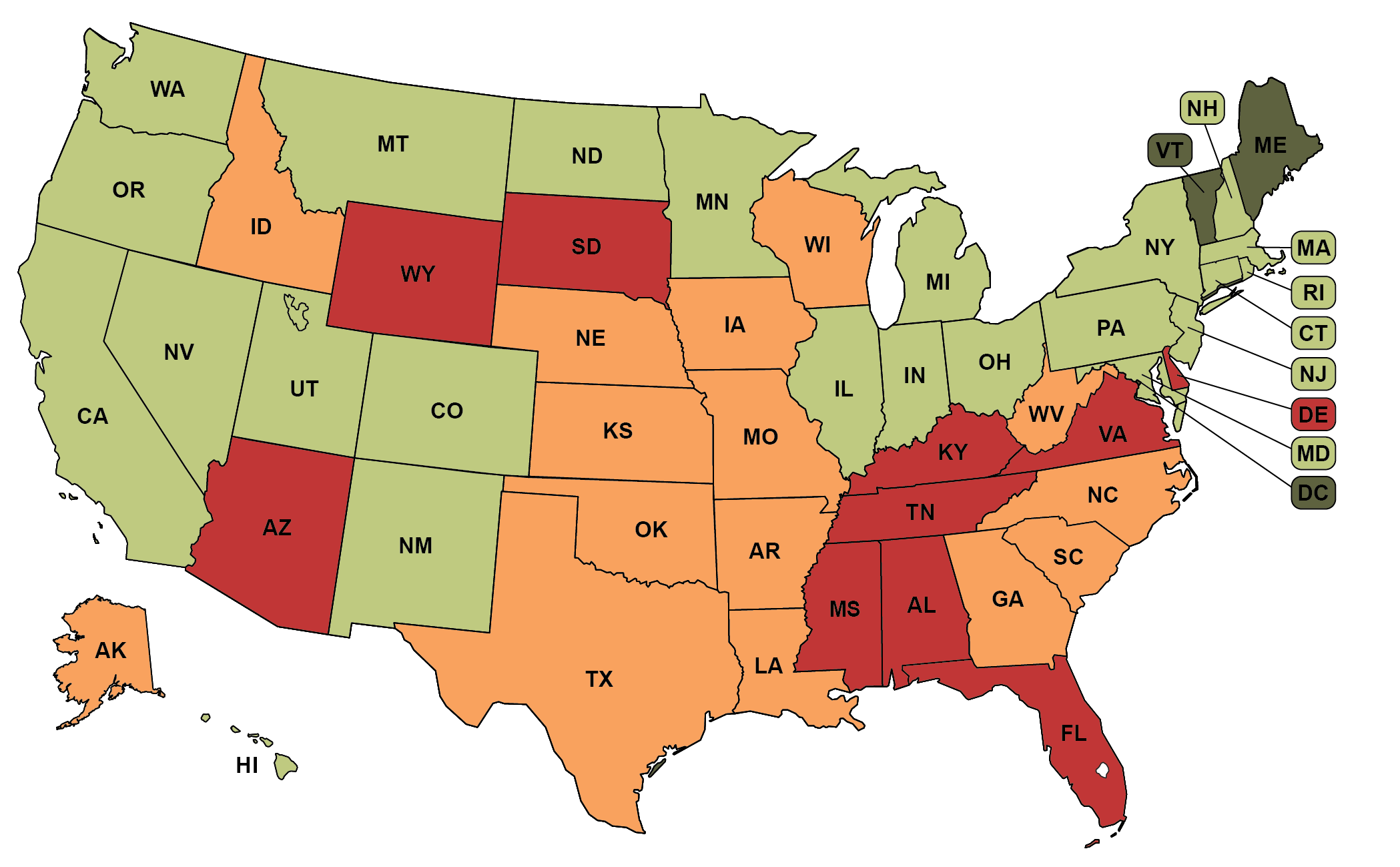
While New York has made substantial progress, the conversation around voting rights for those with past convictions is ongoing. Advocates continue to push for further reforms, such as restoring voting rights to incarcerated individuals, and ensuring that the processes for registration and voting are as accessible as possible. The ultimate goal is a system where every eligible citizen has the unimpeded ability to participate in the democratic process, fostering a stronger and more representative democracy for all.
LifeOutOfTheBox is a participant in the Amazon Services LLC Associates Program, an affiliate advertising program designed to provide a means for sites to earn advertising fees by advertising and linking to Amazon.com. Amazon, the Amazon logo, AmazonSupply, and the AmazonSupply logo are trademarks of Amazon.com, Inc. or its affiliates. As an Amazon Associate we earn affiliate commissions from qualifying purchases.