
The Crystal Clear Answer for Every Traveler
When embarking on a journey to the vibrant metropolis of New York, a myriad of questions often surface, ranging from the best attractions to the most comfortable accommodations. Amidst the excitement of planning itineraries and booking stays, one seemingly simple yet crucial query often arises: can you drink the tap water? For many international travelers, or even those accustomed to different water sources, this is a genuine concern. The good news, for those exploring the iconic streets of New York City and its surrounding areas, is overwhelmingly positive. The tap water in New York is not only safe to drink but is often lauded for its quality and taste, making it a sustainable and cost-effective choice for hydration. This article delves into the reasons behind this assurance, exploring the stringent standards, the source of the water, and what this means for your travel experience.

Quality You Can Count On: The Science Behind the Sip
The United States Environmental Protection Agency (EPA) sets rigorous standards for public drinking water, and New York adheres to these regulations with exceptional diligence. The city’s Department of Environmental Protection (DEP) is responsible for managing and maintaining a vast and sophisticated infrastructure designed to deliver clean and safe drinking water to millions of residents and visitors daily. This commitment to quality goes beyond mere compliance; it’s a cornerstone of public health.
Stringent Testing and Monitoring Protocols
The water supplied to New York undergoes continuous and comprehensive testing. Samples are collected from various points throughout the distribution system, from the reservoirs to the taps in your hotel room or restaurant. These tests analyze a wide range of parameters, including chemical composition, the presence of bacteria, and potential contaminants. The DEP employs advanced laboratory techniques and highly trained professionals to ensure that the water consistently meets or exceeds all federal and state drinking water standards. Regular reports on water quality are publicly available, underscoring the transparency and accountability of the system. This proactive approach to monitoring means that any potential issues are identified and addressed swiftly, often before they could pose a risk.
The Taste Factor: A Natural Advantage
One of the common remarks from those who drink New York tap water is its pleasant taste. This is largely attributed to the source of the water and the natural filtration processes it undergoes. Unlike many other urban centers that rely on heavily treated or desalinated water, New York draws its supply from a vast network of upstate reservoirs and lakes. These sources are primarily in protected watershed areas, meaning they are surrounded by forests and natural landscapes that help filter out impurities before the water even reaches the treatment plants.
Where Does Your Water Come From? A Journey from Reservoir to Tap
Understanding the origins of New York tap water provides further confidence in its safety and quality. The city’s water system is one of the largest and most complex in the world, drawing from a pristine watershed that spans over 2,000 square miles. This vast area is crucial to maintaining the purity of the water supply.
The Catskill/Delaware and Croton Watersheds

The primary sources of New York City drinking water are the Catskill/Delaware watershed and the Croton watershed. The Catskill/Delaware system, considered the flagship of New York’s water supply, provides approximately 90% of the city’s daily needs. This system relies heavily on natural filtration through the expansive forests and soils, minimizing the need for extensive chemical treatment. The water is channeled through a remarkable network of aqueducts and tunnels, some of which are engineering marvels, to reach the city. The Croton watershed, located north of New York City, supplements this supply, particularly during periods of high demand. Both watersheds are protected by stringent land use regulations to prevent pollution and preserve water quality.
Treatment and Disinfection Processes
While the natural quality of the source water is exceptional, it still undergoes treatment processes to ensure it is safe for consumption. These processes typically include disinfection with chlorine and sometimes UV light to eliminate any harmful microorganisms that may be present. Additionally, pH adjustment may occur to minimize corrosivity, protecting the pipes that carry the water to your hotel or residence. The DEP ensures that these treatment steps are carefully managed to maintain the water’s quality without compromising its taste or introducing unnecessary chemicals. The city also has a robust program to protect its water mains from lead contamination, a concern in many older cities.
Practical Implications for Your New York Adventure
Knowing that New York tap water is safe and high-quality has significant implications for your travel experience, allowing you to make more informed and sustainable choices.
Hydration on a Budget and Reducing Waste
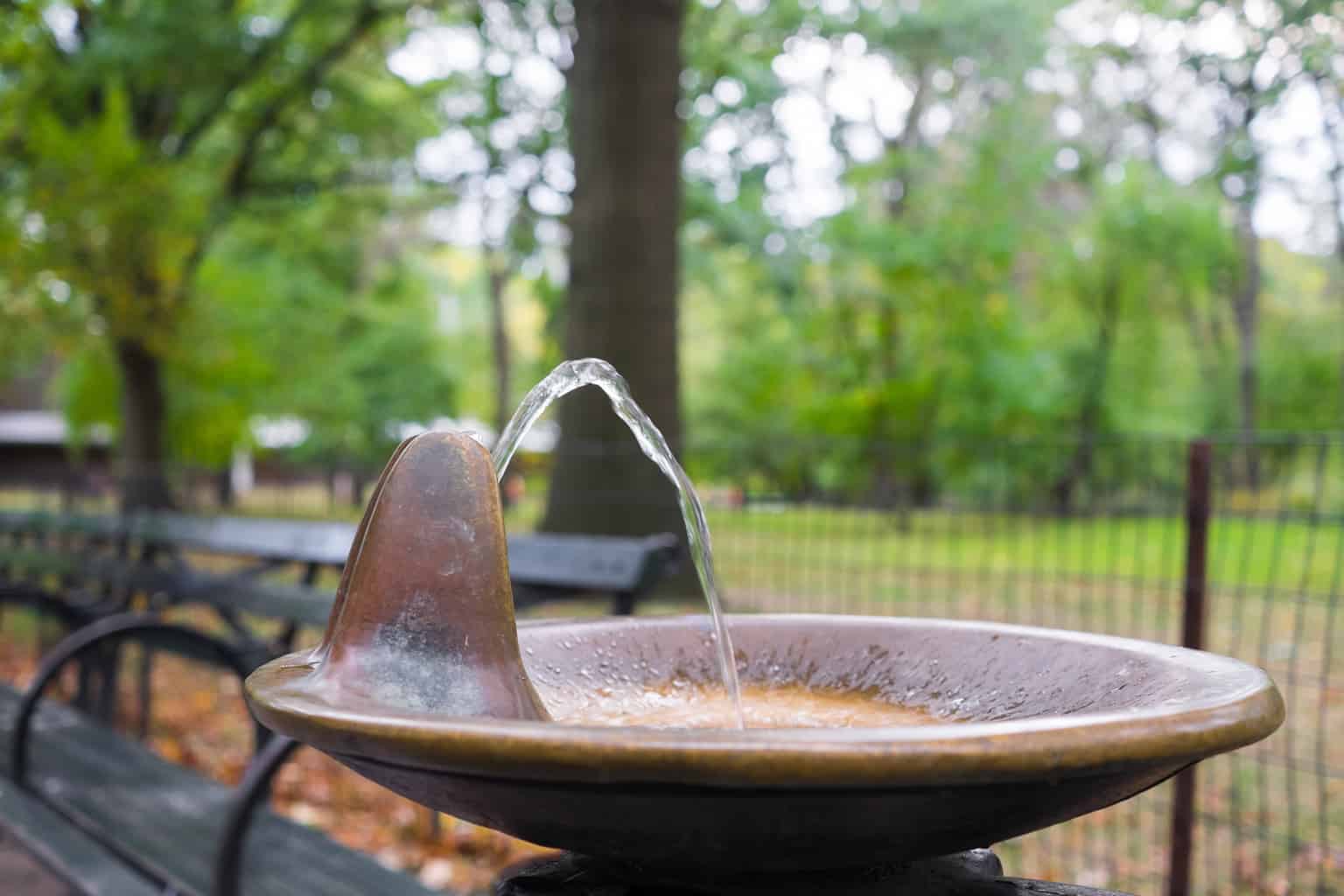
One of the most immediate benefits of drinking tap water is the cost savings. Purchasing bottled water throughout your stay can quickly add up, especially in a city like New York where convenience often comes at a premium. Carrying a reusable water bottle and refilling it from taps in your hotel, public parks, or restaurants is an economical and eco-friendly practice. This also significantly reduces plastic waste, a crucial consideration for environmentally conscious travelers. Many public spaces in New York even have dedicated water fountains with bottle fillers, making it easier than ever to stay hydrated sustainably.
Avoiding Single-Use Plastics and Supporting Sustainability
The environmental impact of single-use plastic bottles is a global concern. By choosing to drink tap water, you actively contribute to reducing this impact. This aligns with a growing trend in tourism towards more sustainable practices. When you see reusable water bottles being a common sight among locals and informed visitors alike, it’s a testament to the awareness and acceptance of tap water’s quality. This simple act of choosing tap water over bottled water is a small but meaningful way to support the environmental efforts of New York City and its commitment to a greener future.
Taste and Health Considerations for Every Traveler
For travelers concerned about taste or potential sensitivities, it’s worth noting that New York tap water is generally considered mild and refreshing. If you are particularly sensitive to taste variations, you might consider using a water filter bottle, though it’s rarely necessary. In terms of health, the rigorous testing and quality control ensure that the water is safe for consumption for virtually everyone. Travelers with specific medical conditions or concerns should always consult with their healthcare provider, but for the vast majority, New York tap water is an excellent and healthy choice. You can confidently refill your bottle before exploring iconic landmarks like the Statue of Liberty, walking across the Brooklyn Bridge, or enjoying a show in Times Square.
In conclusion, the answer to whether you can drink New York tap water is a resounding yes. The city’s commitment to providing high-quality, safe, and great-tasting water is a testament to its sophisticated infrastructure and dedication to public health. Embracing this readily available resource not only benefits your travel budget but also contributes to a more sustainable travel experience in this incredible city. So, pack your reusable water bottle and quench your thirst with confidence as you explore all that New York has to offer.
LifeOutOfTheBox is a participant in the Amazon Services LLC Associates Program, an affiliate advertising program designed to provide a means for sites to earn advertising fees by advertising and linking to Amazon.com. Amazon, the Amazon logo, AmazonSupply, and the AmazonSupply logo are trademarks of Amazon.com, Inc. or its affiliates. As an Amazon Associate we earn affiliate commissions from qualifying purchases.