
Navigating the financial landscape of any new destination can be a daunting task for travelers, and the vibrant state of New York is no exception. As visitors plan their itineraries, from exploring the iconic Times Square to indulging in the culinary delights of New York City, a fundamental question often arises: “Does New York have sales tax?” The answer is a definitive yes, but understanding its nuances is crucial for accurate budgeting and a stress-free travel experience. This guide will demystify the sales tax system in New York, ensuring you’re well-prepared for the costs associated with your journey.
Understanding the Layers of New York Sales Tax
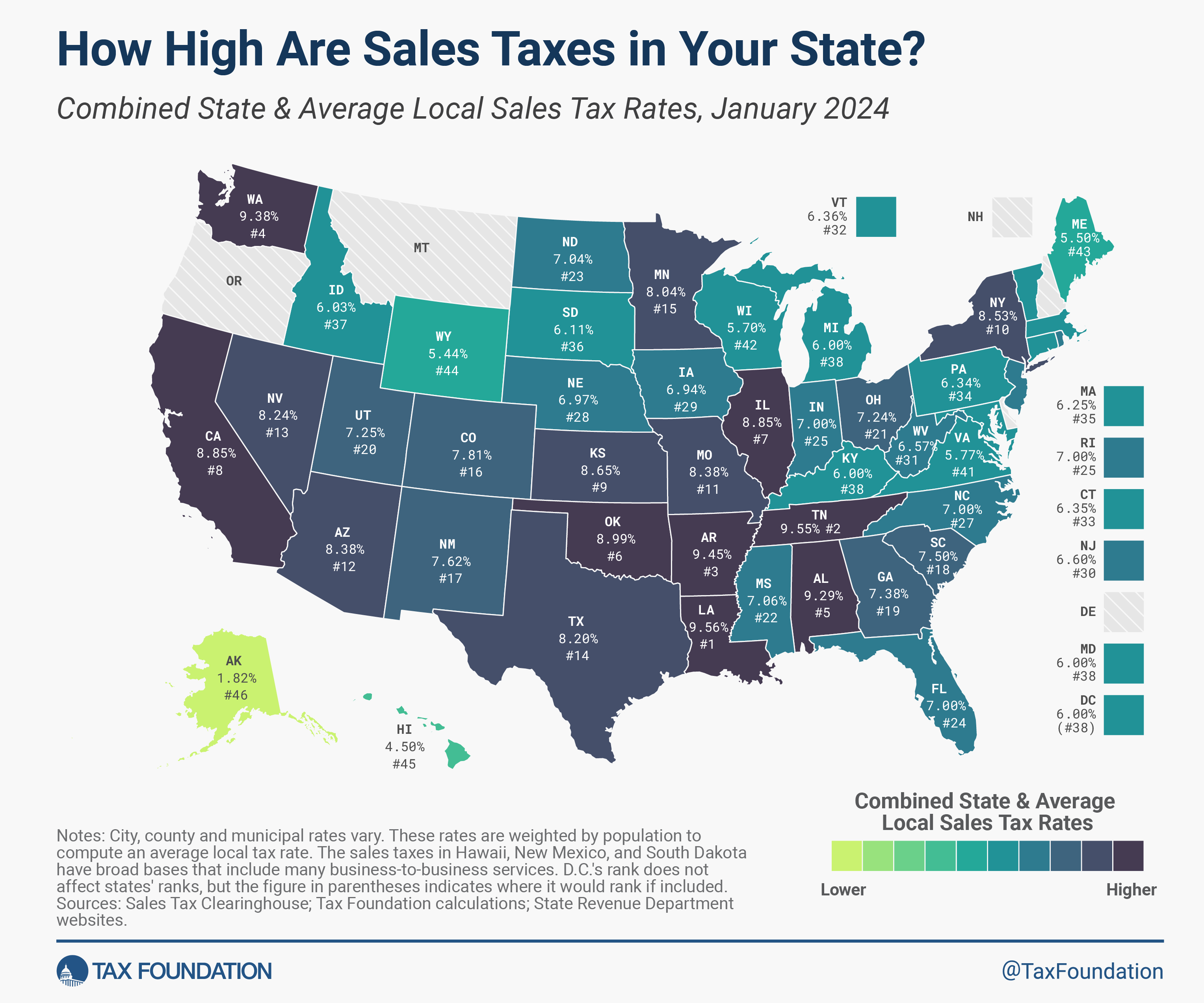
New York operates with a multi-tiered sales tax structure, meaning the final tax rate you encounter can vary significantly depending on your specific location within the state. This complexity arises from the combination of state, county, and, in some instances, metropolitan or local transit taxes. For travelers, especially those visiting New York City, recognizing these different tax components is the first step to comprehending the overall cost of goods and services.
State Sales Tax: The Foundation
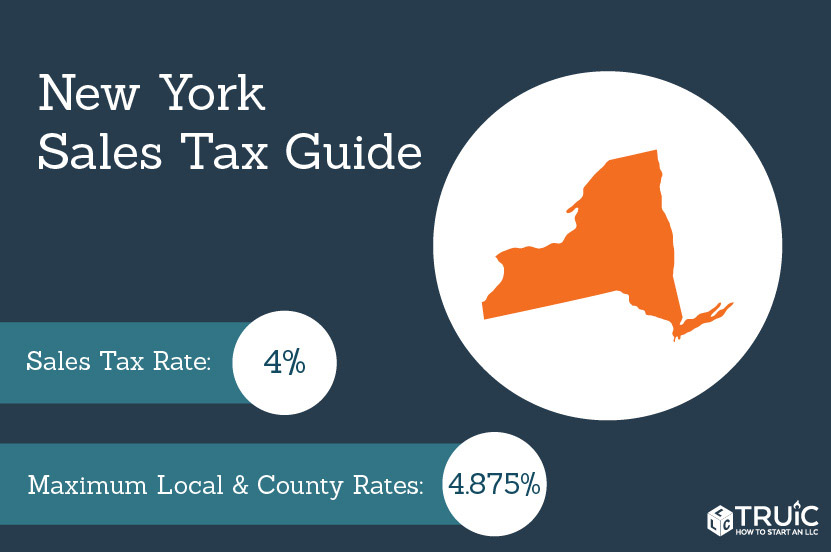
At its core, New York imposes a statewide sales tax. This base rate applies across the entire state, forming the foundation upon which other local taxes are added. As of the current fiscal year, the state sales tax rate is 4%. This rate is applied to the sale of tangible personal property and certain services. However, it’s vital to remember that this 4% is just the starting point; the actual tax you pay will almost always be higher due to additional local levies.
County and Local Taxes: The Variable Component
The significant variation in sales tax rates across New York stems from county and local taxes. Each county in New York has the authority to levy its own sales tax, which is then added to the state’s rate. These county rates can differ substantially, ranging from a few percentage points to significantly higher figures. For instance, counties with a higher population density or those seeking to fund specific local projects often implement higher county sales taxes.
Furthermore, certain areas within New York, most notably the metropolitan area encompassing New York City, are subject to additional transit or metropolitan commuter transportation district taxes. These taxes are specifically designated to fund public transportation systems like the Metropolitan Transportation Authority. This combination of state, county, and metropolitan taxes can lead to a cumulative sales tax rate that is among the highest in the nation for certain locations.
How Taxes Accumulate: An Example
To illustrate how these taxes accumulate, let’s consider a common traveler scenario: purchasing a souvenir in New York City. The state sales tax is 4%. New York City itself has a county tax of 4.5%. Additionally, there’s a Metropolitan Commuter Transportation District (MCTD) tax of 0.375%. Summing these up, the total sales tax rate in New York City is 8.875%. This means that for every $100 you spend on taxable goods, you will pay an additional $8.875 in sales tax. This example highlights the importance of factoring in the total tax rate when budgeting for your purchases, whether it’s for clothing, electronics, or a memorable experience at a Broadway show.
What Goods and Services Are Taxable in New York?
Understanding what is taxed is as crucial as knowing how much tax you’ll pay. New York has specific rules regarding the taxability of various goods and services, and these can impact your travel budget in unexpected ways. While many common consumer goods are subject to sales tax, there are also important exemptions and nuances to be aware of.
Tangible Personal Property: The Broad Category
Generally, tangible personal property is subject to sales tax in New York. This encompasses a vast array of items that you can touch and feel, from clothing and electronics to furniture and vehicles. When you purchase these items from a vendor within the state, the applicable sales tax rate will be applied at the point of sale. This includes souvenirs purchased from shops in Times Square, meals at restaurants, and even items purchased during a stay at a hotel like the Grand Hyatt Hotel.
Services: A Growing Taxable Base
The scope of taxable services in New York has expanded over the years. While some essential services remain exempt, many others are now subject to sales tax. This can include services such as:
- Repair and maintenance services: For tangible personal property.
- Information services: Providing information or research for a fee.
- Interior decorating and similar services: Related to real property.
- Telecommunication services: Including local and long-distance phone calls, and internet access.
- Hotel occupancy: While hotel rooms are subject to a hotel occupancy tax, which is separate from sales tax, the sale of goods and services within a hotel (like room service or minibar items) is typically subject to sales tax.
It’s important to note that the taxability of services can be complex and may depend on the specific nature of the service and how it is provided. Consulting the New York State Department of Taxation and Finance website or seeking professional advice is recommended for intricate situations.
Exemptions and What You Won’t Be Taxed On
Fortunately, New York does offer certain exemptions to sales tax to provide relief and support specific sectors. Some of the most common exemptions relevant to travelers include:
- Food and beverages purchased for off-premises consumption: This is a significant exemption for travelers. Groceries, produce, and most pre-packaged food items bought from supermarkets or delis for consumption outside the establishment are generally not subject to sales tax. However, prepared meals intended for immediate consumption, such as those from a restaurant or a coffee shop, are usually taxable.
- Prescription medications: Medications prescribed by a licensed physician are exempt from sales tax.
- Certain essential services: Some services, like basic healthcare services, are typically exempt.
Understanding these exemptions can lead to considerable savings, especially for longer stays where food costs can add up. For instance, stocking up on snacks and breakfast items from a local grocery store rather than relying solely on hotel room service can significantly reduce your overall expenditure.
Navigating Specific Purchase Scenarios for Travelers
The application of sales tax can vary depending on the context of your purchase. For travelers, certain scenarios are particularly relevant and require careful consideration to avoid unexpected charges or to take advantage of potential savings.
Shopping and Souvenirs
When it comes to shopping for clothing, gifts, and souvenirs, the sales tax is almost always applied at the point of sale. Whether you’re browsing the luxury boutiques on Fifth Avenue or picking up a memento from a shop near Central Park, the combined state and local sales tax rate will be added to your purchase price. For items purchased online from New York-based retailers, sales tax will also apply if the goods are shipped to an address within the state. It’s wise to factor these taxes into your shopping budget to prevent sticker shock.
Dining and Restaurants
The taxability of food and beverages in New York often depends on where and how you consume it. Meals purchased from restaurants, cafes, and food trucks for immediate consumption on or near the premises are generally subject to sales tax. This includes dining in at a restaurant in the West Village or grabbing a quick bite from a street vendor. However, as mentioned earlier, groceries and prepared foods intended for consumption elsewhere are typically exempt. This distinction can make a significant difference in your dining expenses throughout your trip.
Accommodation and Hotels
Hotels in New York are subject to a special tax known as the hotel occupancy tax, or room tax. This tax is levied on the rent paid for hotel rooms and often includes a combination of state, county, and city taxes. For example, in New York City, the total hotel occupancy tax can be substantial, adding a considerable percentage to your nightly rate. While this is a separate tax from the general sales tax, it functions similarly by increasing the overall cost of your accommodation. It’s important to review the full breakdown of charges when booking a hotel, such as the Plaza Hotel, to understand the total expense.
Online Purchases and Mail Order
For travelers who prefer to shop online, New York has specific rules regarding remote sellers. Retailers who do not have a physical presence in New York but make significant sales into the state are often required to collect and remit sales tax on those sales. This means that even if you’re ordering a dress for your trip to New York from an out-of-state website, you may still be charged New York sales tax if the retailer meets certain sales thresholds. This is part of a broader national trend to ensure fair competition between online and brick-and-mortar businesses.
Tips for Managing Sales Tax During Your New York Visit
Being informed about New York’s sales tax system can empower you to make smarter financial decisions during your travels. Here are some practical tips to help you manage these costs effectively.
Budgeting with Tax in Mind
The most straightforward approach to managing sales tax is to incorporate it into your travel budget from the outset. When estimating costs for meals, shopping, and even entertainment, remember to add the relevant sales tax percentage for the area you’ll be visiting. For example, if you plan to spend $500 on souvenirs in New York City, and the sales tax is 8.875%, you should budget an additional $44.38 for taxes. This proactive budgeting prevents surprises and allows for more confident spending.
Understanding Tax-Free Opportunities
While New York has a broad sales tax, there are specific opportunities for tax-free purchases. As previously mentioned, groceries for home consumption are often exempt. For travelers staying in accommodations with kitchenettes or planning picnics in places like Prospect Park, utilizing these grocery exemptions can lead to significant savings. Additionally, some states offer specific tax holidays for certain items (e.g., back-to-school sales tax holidays), though New York does not have a general statewide sales tax holiday for all items. It’s always a good practice to check the New York State Department of Taxation and Finance for any temporary exemptions or specific programs that might be active during your visit.
Differentiating Between Sales Tax and Other Taxes
It’s crucial for travelers to distinguish between general sales tax and other specific taxes, such as the hotel occupancy tax. While both increase the cost of your travel expenses, they are often administered and calculated differently. Understanding these distinctions can help you read receipts accurately and grasp the full financial picture of your trip. For example, the taxes associated with visiting a major attraction like the Statue of Liberty are typically included in the ticket price, but knowing the base cost versus any added taxes can be informative.
Utilizing Technology for Information
Numerous apps and online resources can help you quickly determine the sales tax rate for specific locations within New York. Before you embark on a shopping spree or dine out, a quick search can provide you with the exact combined state and local tax rate. This real-time information can be invaluable, especially when traveling between different cities or counties within the state, as tax rates can change even over relatively short distances. Being digitally prepared allows for informed spending decisions on the go.
LifeOutOfTheBox is a participant in the Amazon Services LLC Associates Program, an affiliate advertising program designed to provide a means for sites to earn advertising fees by advertising and linking to Amazon.com. Amazon, the Amazon logo, AmazonSupply, and the AmazonSupply logo are trademarks of Amazon.com, Inc. or its affiliates. As an Amazon Associate we earn affiliate commissions from qualifying purchases.