
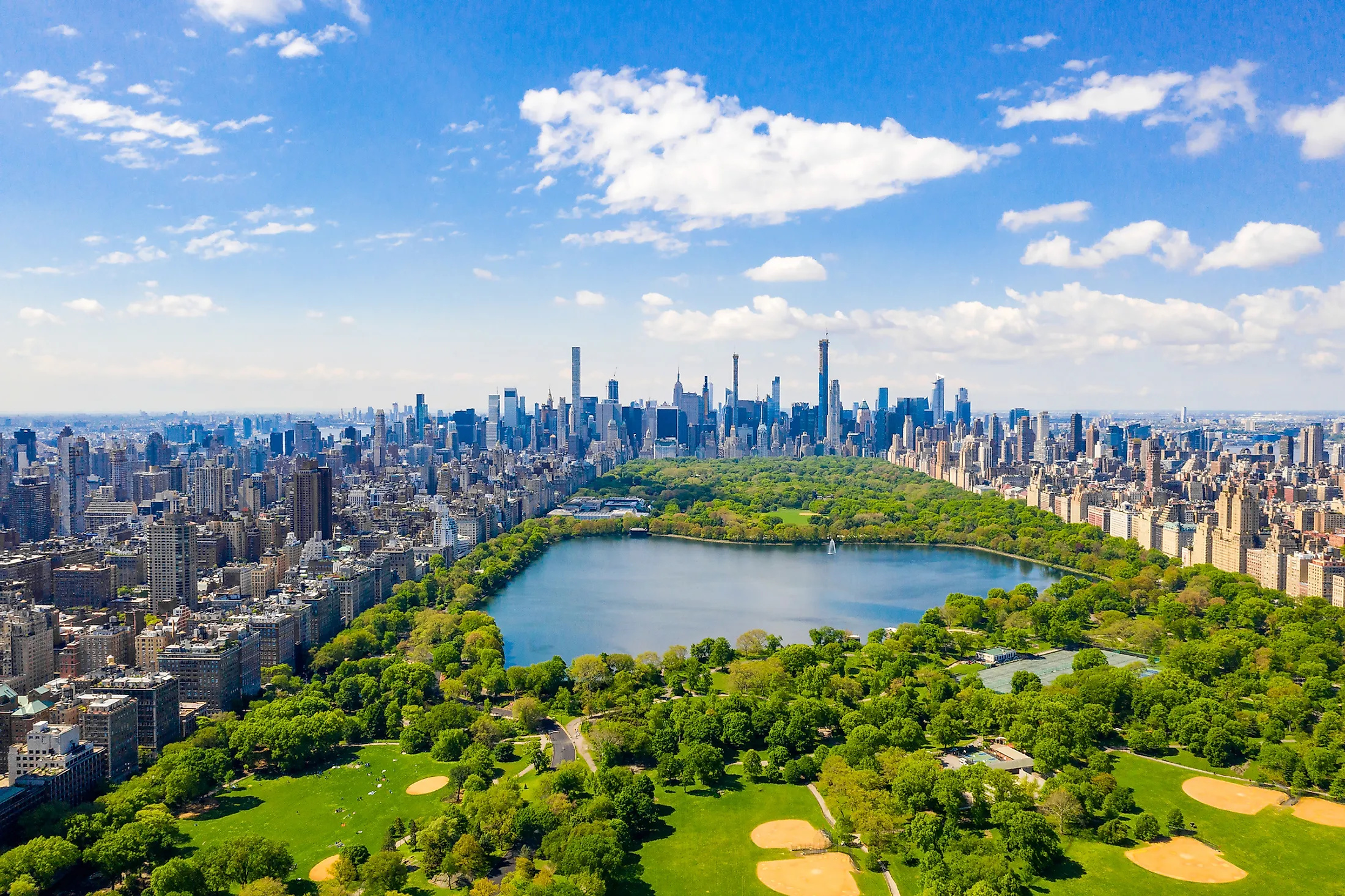
Central Park, an iconic 843-acre urban oasis in the heart of Manhattan, stands as a testament to visionary urban planning and a beloved recreational space for millions. Its sheer size and the diverse experiences it offers make it a cornerstone of New York City‘s identity and a premier destination for travelers seeking respite and adventure alike. Far from being just a patch of green, Central Park is a meticulously designed landscape, a vibrant ecosystem, and a cultural hub that continues to enchant visitors from around the globe.
Unveiling the Dimensions of a Man-Made Marvel
The immensity of Central Park is best understood by grasping its geographical footprint and the deliberate design choices that shaped it.

The Acreage and Its Significance
At 843 acres, Central Park is not merely large; it is a substantial piece of land carved out of the dense urban fabric of Manhattan. To put this into perspective, it is roughly six times the size of Disneyland Park in California. This vast expanse was intentionally set aside in the mid-19th century, a bold move in a rapidly industrializing city. The creation of such a large park was an innovative idea for its time, aiming to provide a democratic space for recreation and a much-needed natural counterpoint to the burgeoning metropolis. The acreage itself dictates the park’s capacity to host a multitude of activities, from quiet contemplation by a lake to large-scale public events. It allows for distinct zones, each with its own character and purpose, contributing to the park’s multifaceted appeal. The sheer scale prevents it from ever feeling overcrowded, even during peak visitation periods, offering pockets of serenity amidst the city’s relentless energy.
The Park’s Boundaries and Grid Alignment
Central Park is nestled between 59th Street (also known as Central Park South) to the south, 110th Street to the north, Fifth Avenue to the east, and Central Park West to the west. This rectangular enclosure measures approximately 2.5 miles (4 km) long and 0.5 miles (0.8 km) wide. The park’s alignment with Manhattan’s grid system makes it remarkably accessible, with numerous entry points along its perimeter. This accessibility is crucial to its function as a public space, inviting spontaneous visits and easy integration into any New York City itinerary. Its elongated shape also dictates the flow of movement within it, encouraging exploration along its lengthy pathways and across its expansive lawns. The precise boundaries are not just lines on a map; they define the transition from urban intensity to natural calm, a deliberate spatial juxtaposition that is central to the park’s allure.
Experiencing the Scale: A Journey Through Central Park’s Zones
The vastness of Central Park is not just measured in acres but in the diverse experiences it offers across its many distinct areas. Each zone contributes to the overall impression of its grand scale and the incredible variety contained within its borders.
South End: The Bustling Gateway
The southern section of Central Park, roughly from 59th to 72nd Streets, is often the most visited and dynamic. Here, the park’s scale is immediately apparent as you encounter iconic landmarks and bustling activity.
The Pond and Wollman Rink
The Pond, a serene body of water near the southeast corner, offers picturesque views of the The Plaza Hotel and the surrounding skyscrapers. Its relatively small size belies its impact as an initial point of entry and a tranquil introduction to the park’s natural beauty. Adjacent to it is the Wollman Rink, a popular seasonal attraction that, during its operating months, transforms a large expanse into a vibrant hub of ice skating, further emphasizing the park’s ability to accommodate large-scale recreational activities. The openness around these features, even with the crowds, hints at the larger park that lies beyond.
The Mall and Literary Walk
Stretching northward from the Pond, The Mall is a grand, tree-lined promenade, approximately a quarter-mile long, culminating in Bethesda Terrace. Its impressive length, flanked by towering American elms, creates a sense of grandeur and perspective, guiding visitors deeper into the park. The adjacent Literary Walk, adorned with statues of famous writers, further enhances the feeling of traversing a significant, thoughtfully designed space. The sheer scale of the promenade invites leisurely strolls and people-watching, showcasing the park’s capacity to host large gatherings and offer grand vistas.
Mid-Park: Diverse Landscapes and Recreational Hubs
Moving further north, the character of Central Park evolves, offering a wider range of landscapes and specialized areas that highlight its extensive size and varied design.

Sheep Meadow and The Great Lawn
Sheep Meadow, a vast 15-acre open field, provides an expansive space for sunbathing, picnicking, and simply enjoying the open air with stunning city views. Its sheer flatness and immensity allow for a sense of boundless freedom. To its north lies The Great Lawn, another enormous expanse of 55 acres, which has hosted major concerts and public events, demonstrating the park’s capacity for hosting massive gatherings. The scale of these two contiguous open spaces is awe-inspiring and underscores how much land has been dedicated to providing uninhibited recreational areas within the city.
The Lake and Boating
Central Park’s Lake, a significant water feature spanning 22 acres, offers a dramatic contrast to the open lawns. Renting a rowboat from the Loeb Boathouse provides a unique perspective on the park’s scale and beauty. Gliding across the water, one can appreciate the vastness of the surrounding woodlands and the meticulous landscaping that blends seamlessly with the natural topography. The lake is a central element, drawing visitors into the heart of the park and offering a different pace of exploration.
North End: Wilds and Cultural Institutions
The northern reaches of Central Park offer a more rugged, naturalistic experience, alongside important cultural institutions, further demonstrating the park’s diverse offerings and substantial scale.
The Ramble
The Ramble, a 36-acre wooded area, is designed to feel like a wilderness, with winding paths, dense foliage, and rocky outcrops. Navigating its intricate network of trails gives a sense of exploring a vast forest, far removed from the urban bustle just beyond its borders. This area is a testament to the designers’ intent to create a varied natural experience, showcasing that the park’s size allows for dramatic shifts in landscape and atmosphere.
Harlem Meer and Conservatory Garden
At the northernmost tip, Harlem Meer offers another significant body of water and a more tranquil, community-focused atmosphere. Adjacent to it lies the formal beauty of the Conservatory Garden, the park’s only formal garden, divided into three distinct styles. Even these more manicured areas are expansive, offering a refined experience that complements the wilder sections and demonstrating the park’s ability to cater to diverse aesthetic preferences across its large footprint. The presence of institutions like the Harlem Meer Recreation Center further solidifies this northern section as a rich and varied part of the park.
The Scale of Impact: Central Park’s Role in Urban Life
Beyond its physical dimensions, the “bigness” of Central Park is also measured by its profound impact on New York City’s environment, culture, and the well-being of its residents and visitors.
An Environmental Sanctuary
The 843 acres of Central Park are home to an incredible diversity of plant and animal life. It acts as a vital green lung for New York City, improving air quality, mitigating the urban heat island effect, and providing essential habitat for migratory birds and other wildlife. The scale of this ecological system within a dense urban environment is remarkable, offering a crucial refuge for nature and a vital amenity for the surrounding population. Its sheer size allows for this ecological diversity to flourish, creating microclimates and varied habitats that support a complex web of life.
A Cultural Epicenter and Recreational Haven
Central Park’s vastness facilitates its role as a vibrant cultural and recreational hub. It hosts thousands of events annually, from free concerts and Shakespeare in the Park performances at the Delacorte Theater to marathons and community gatherings. Its numerous playgrounds, sports fields, and informal gathering spaces cater to every imaginable activity. The ability to accommodate such a wide array of uses, from quiet reflection to large-scale public celebrations, speaks volumes about the intentional design and immense scale of this urban sanctuary. It is a democratic space where people from all walks of life can connect with nature and each other, a crucial function of its significant size.
A Landmark of Global Recognition
Central Park is not just a park; it is a global icon, instantly recognizable and deeply embedded in the cultural consciousness of New York City and beyond. Its immense scale and the richness of its features have made it a backdrop for countless films, books, and artistic endeavors. For tourists, understanding its size is key to planning a visit that maximizes its enjoyment. Whether you aim to see the iconic sights, explore its naturalistic landscapes, or simply find a quiet bench to read, the 843 acres offer endless possibilities. Its enduring popularity and status as a world-renowned landmark are directly linked to its impressive dimensions and the unparalleled experiences it provides.
LifeOutOfTheBox is a participant in the Amazon Services LLC Associates Program, an affiliate advertising program designed to provide a means for sites to earn advertising fees by advertising and linking to Amazon.com. Amazon, the Amazon logo, AmazonSupply, and the AmazonSupply logo are trademarks of Amazon.com, Inc. or its affiliates. As an Amazon Associate we earn affiliate commissions from qualifying purchases.