
The question of “How far is New York from London?” is more than just a geographical inquiry; it’s a gateway to understanding the vastness of our planet and the myriad ways we bridge these distances. For many, it represents a dream of transatlantic adventure, a significant journey that separates two iconic global hubs. This distance, while seemingly vast, is routinely traversed by millions each year, fueled by business, leisure, and the enduring allure of exploring new horizons.
Understanding the Distance: A Tale of Two Continents
The practical answer to “How far is New York from London?” depends on how you measure it. Geographically, the two cities are separated by the Atlantic Ocean, a formidable expanse of water that has historically posed a challenge to human travel. However, in the modern era, this distance has been significantly conquered by technological advancements, primarily in aviation.

Great Circle Distance: The Straight Line Measurement
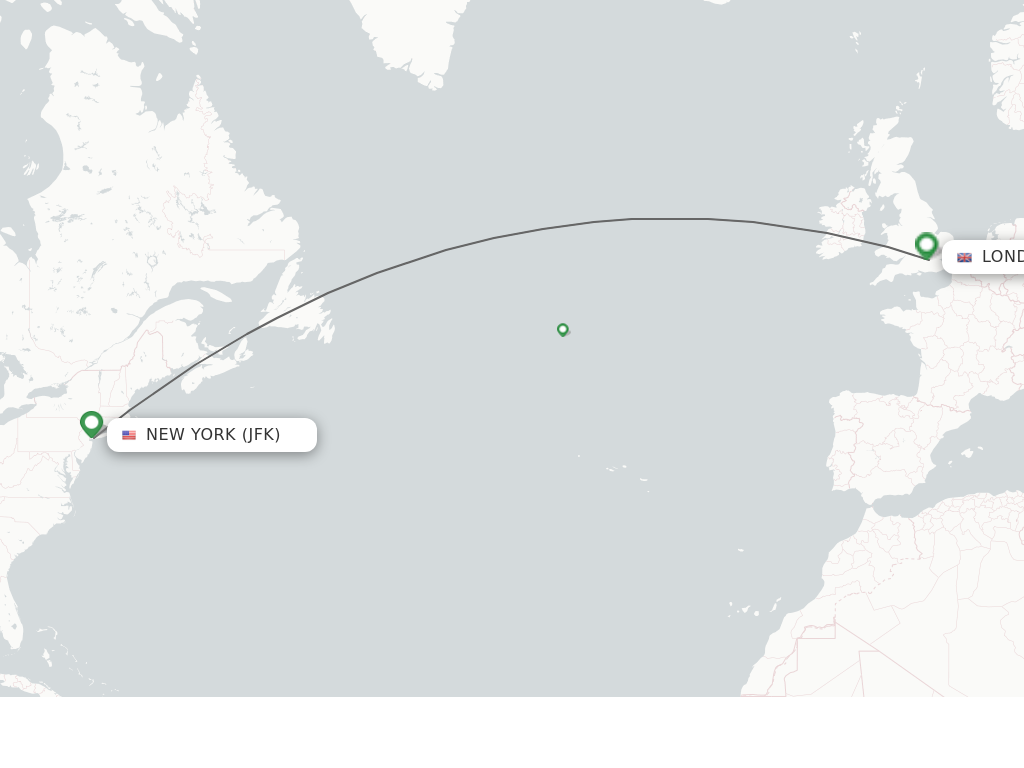
The most direct measurement of the distance between two points on a sphere, like Earth, is the great-circle distance. This represents the shortest path between two points along the surface of the sphere. For the distance between the city centers of New York and London, this figure is approximately 3,459 miles (5,567 kilometers). This is the distance a plane would theoretically fly if it could follow a perfectly straight line, ignoring factors like air traffic control routes, weather patterns, and jet stream influences.
When considering a flight path, this great-circle distance serves as the baseline. Airlines and air traffic control systems optimize routes for efficiency, safety, and to take advantage of prevailing winds, such as the jet stream. Flying eastbound from New York to London is generally quicker than the reverse journey due to these tailwinds. This means the actual flight time can be less than the time it would take to cover the pure great-circle distance.
Travel Time: Bridging the Atlantic by Air
The practical implication of this distance for travelers is the time it takes to traverse it. Fortunately, modern aviation has shrunk the world considerably. A non-stop flight from New York to London typically takes around 7 to 8 hours. This time can fluctuate based on several factors, including:
- Wind Conditions: As mentioned, prevailing winds, particularly the jet stream, can significantly impact flight duration. Eastbound flights often benefit from tailwinds, making them shorter.
- Aircraft Type: Different aircraft have varying cruising speeds.
- Specific Route: Air traffic control and chosen flight paths can add or subtract time.
- Time of Year: Seasonal weather patterns can influence wind speeds.
When planning a trip, it’s essential to consider not just the flight time but also the time zone difference. New York is typically five hours behind London. This means departing New York in the evening might see you arriving in London the following morning, having gained several hours due to the time difference and the flight. This can contribute to jet lag, an important consideration for any long-haul traveler.
Alternative Travel Methods: A Look Back in Time
While air travel is the dominant mode of transport between New York and London today, it’s worth acknowledging other methods that have historically connected these continents. Before the advent of commercial aviation, trans-Atlantic journeys were undertaken by ship.
The Ocean Liner Experience
Crossing the Atlantic by ocean liner was a significant undertaking, often taking 4 to 7 days. This offered a very different travel experience, characterized by a slower pace, the luxury of time, and the romance of the sea. Famous liners like the RMS Queen Mary and the SS United States were iconic symbols of this era. Today, while not as common for commuting, luxury cruises still offer a way to experience this transatlantic voyage, albeit for leisure and with a much longer travel time. The distance remains the same, but the mode of transit transforms the perception and experience of the journey.
The Evolution of Connectivity
The evolution from weeks at sea to mere hours in the air highlights the dramatic shift in how we perceive distance and connectivity. The question “How far is New York from London?” therefore, is answered not just in miles but in the time and ease with which that distance can be covered.
Planning Your Transatlantic Journey: Navigating the Distance
Understanding the distance between New York and London is crucial for effective travel planning. This involves considering flight options, booking strategies, and the logistics of arriving in a new city.
Choosing Your Gateway: Airports and Airlines
Both New York and London are served by multiple major international airports, each offering a variety of flight options.
New York’s Major Hubs
New York City is primarily served by three major airports:
- John F. Kennedy International Airport (JFK)
- Newark Liberty International Airport (EWR)
- LaGuardia Airport (LGA) (primarily domestic, but some international flights)
JFK and EWR are the main gateways for flights to London.
London’s International Airports
London is served by several international airports, with the most significant for transatlantic travel being:
- Heathrow Airport (LHR)
- Gatwick Airport (LGW)
- London Stansted Airport (STN) (less common for direct North American flights but possible)
- Luton Airport (LTN) (primarily budget carriers)
- London City Airport (LCY) (smaller, focused on business travelers)
Heathrow Airport (LHR) is the busiest airport in the United Kingdom and handles the majority of flights from North America.
Major Airlines on the Route

Numerous airlines operate the New York to London route, offering various classes of service and pricing. Some of the most prominent include:
- British Airways
- Virgin Atlantic
- United Airlines
- Delta Air Lines
- American Airlines
- JetBlue Airways (offering a more competitive, albeit less premium, option)
Booking Your Flight: Tips for Finding the Best Deals
The distance between New York and London makes it a popular route, and consequently, competition among airlines can lead to varied pricing. To secure the best fares for this transatlantic journey, consider these booking tips:
- Book in Advance: Generally, booking flights several months ahead of your departure date yields better prices. Transatlantic routes are highly sensitive to booking lead times.
- Be Flexible with Dates and Times: Traveling during the shoulder seasons (spring and fall) or on weekdays can often be cheaper than peak summer months or weekends. Early morning or late-night flights might also offer savings.
- Compare Prices: Utilize flight comparison websites to get a comprehensive overview of available options from different airlines and online travel agencies.
- Consider Different Airports: Sometimes, flying into or out of a slightly less convenient airport for either city can result in significant savings. Factor in ground transportation costs to your final destination.
- Look for Deals and Sales: Airlines frequently offer promotions. Signing up for airline newsletters or following them on social media can alert you to these opportunities.
- Travel Light: For many economy fares, especially with newer airlines, checked baggage fees can add up. Traveling with carry-on luggage only can be a cost-effective strategy if feasible.
Ground Transportation and Arrival
Upon arrival at your chosen London airport, you’ll need to consider how to reach your accommodation. The distance from the airport to central London varies, and so do the transportation options:
- Heathrow Airport (LHR): The Heathrow Express offers a quick, albeit pricier, journey to Paddington Station. The Piccadilly line on the Underground (the Tube) is a more budget-friendly option, though significantly slower. Taxis and ride-sharing services are also available.
- Gatwick Airport (LGW): The Gatwick Express runs to Victoria Station. Regular train services are also available to various central London stations.
- Stansted Airport (STN) & Luton Airport (LTN): These airports are further from central London and are primarily served by dedicated airport trains and coach services.
For travelers arriving in New York, similar considerations apply for reaching Manhattan or other boroughs, with options like the AirTrain, subway, taxis, and ride-sharing services from JFK and EWR.
Experiencing the Journey: Beyond the Miles
The distance between New York and London is more than just a number; it’s a span that allows for rich experiences, whether you choose to conquer it swiftly or savor the journey. Understanding the geographical and temporal aspects of this distance is the first step to planning an unforgettable trip.
The Transatlantic Flight Experience
Modern transatlantic flights offer a range of experiences, from basic economy to premium suites. While the flight duration is considerable, airlines have made significant strides in passenger comfort and entertainment.
In-Flight Amenities
Most long-haul flights now come equipped with:
- Personal Entertainment Systems: Offering a wide selection of movies, TV shows, music, and games.
- Wi-Fi Connectivity: Increasingly available, though often at a cost, allowing passengers to stay connected.
- Comfort Items: Blankets, pillows, and amenity kits are usually provided, especially in higher fare classes.
- Dining Options: Meals and beverages are typically served, with premium cabins offering more elaborate culinary experiences.
The ability to watch a movie, catch up on work, or simply relax as you glide over the Atlantic Ocean makes the hours fly by, effectively shrinking the perceived distance.
Embracing the Culture Shock: Arriving in a New World
The distance signifies a transition between two distinct cultures, each with its unique charm, history, and way of life. Upon arrival, travelers are immediately immersed in this contrast.
New York’s Vibrant Energy
New York, the “City That Never Sleeps,” is renowned for its relentless pace, iconic skyline dominated by landmarks like the Empire State Building and One World Observatory, and its diverse neighborhoods, from the bustling streets of Times Square to the artistic enclaves of Greenwich Village. The sheer scale and energy of New York are palpable from the moment you arrive.
London’s Historic Charm
London, on the other hand, offers a blend of rich history and contemporary vibrancy. Its iconic landmarks, such as the Tower of London, Westminster Abbey, and the Houses of Parliament with the Big Ben clock tower, tell tales of centuries past. The city’s unique character is also found in its royal parks, world-class museums like the British Museum, and its famously diverse culinary scene.
The transition between these two metropolises, separated by thousands of miles and hours of flight, is an integral part of the transatlantic travel experience. It’s this very distance that makes the meeting of these two worlds so profound and exciting.
The Enduring Fascination of Transatlantic Travel
The question “How far is New York from London?” continues to captivate because it speaks to our innate desire to explore and connect. It represents a journey that, while now a common occurrence for many, still holds an element of adventure and discovery.
A Bridge Between Continents
The routes connecting New York and London are among the busiest in the world, carrying millions of passengers annually. This constant flow of people facilitates cultural exchange, fosters economic ties, and fuels the global tourism industry. The distance, therefore, is not a barrier but a conduit, a necessary space that defines the significance of the connection.
Future of Transatlantic Travel
As technology advances, the time taken to cover the distance between New York and London may continue to decrease. Concepts like supersonic or hypersonic travel, while still in developmental stages for commercial use, hint at a future where the perception of this distance could be even further diminished. However, for now, the approximate 7-hour flight remains the standard, offering a manageable yet substantial journey.
The miles that separate New York and London are a testament to the scale of our world, and the ingenuity of humankind in bridging such expanses. Whether for business, leisure, or the simple joy of exploration, this transatlantic distance remains a compelling element of global travel.
LifeOutOfTheBox is a participant in the Amazon Services LLC Associates Program, an affiliate advertising program designed to provide a means for sites to earn advertising fees by advertising and linking to Amazon.com. Amazon, the Amazon logo, AmazonSupply, and the AmazonSupply logo are trademarks of Amazon.com, Inc. or its affiliates. As an Amazon Associate we earn affiliate commissions from qualifying purchases.