
The question of “How far is Washington to New York?” is more than a simple inquiry about mileage; it’s a gateway to understanding the dynamic relationship between two of America’s most influential cities. Spanning a relatively short distance, the journey between the United States Capital and the global epicenter of finance and culture is a common one, undertaken by millions each year for business, leisure, and an immersion in distinct yet interconnected American experiences. This proximity facilitates a constant flow of ideas, people, and commerce, making the travel between these two metropolises a fundamental aspect of exploring the Northeast Corridor.
Navigating the Distance: Metrics and Modes of Travel
Understanding the exact “how far” involves considering various metrics and the diverse methods of transit available. While the physical distance is measurable in miles and kilometers, the perceived distance can be influenced by the chosen mode of transportation, time constraints, and individual travel preferences. Each option offers a unique perspective on the journey, highlighting different aspects of the landscape and the experience of transitioning between these two iconic urban centers.
Driving Distance and Time
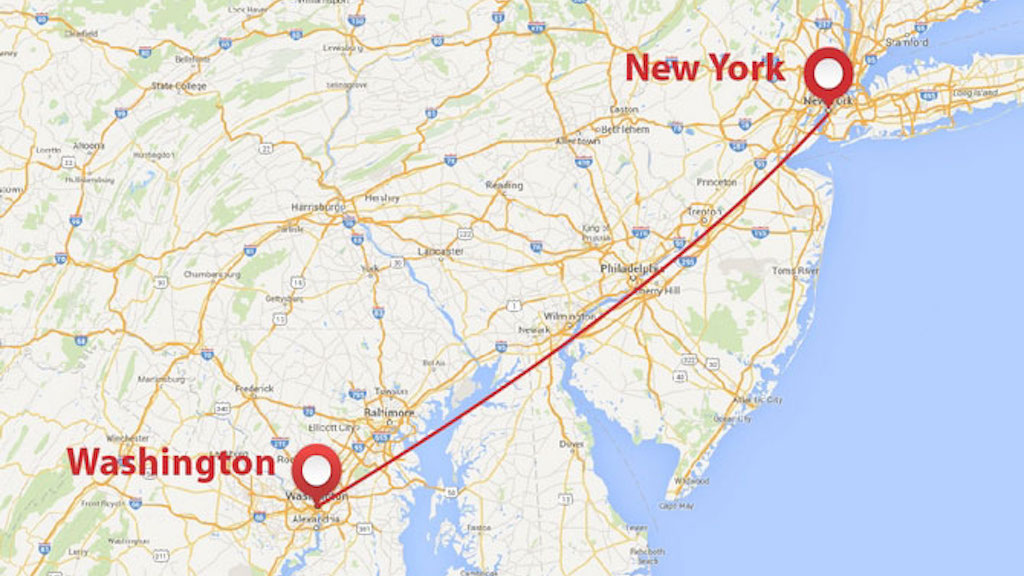
The most direct way to gauge the physical distance is by road. The approximate driving distance between Washington D.C. and New York City is around 225 to 230 miles (approximately 362 to 370 kilometers). This journey typically takes between 4 to 5 hours of pure driving time, assuming no significant traffic delays. However, the reality of travel on the I-95 corridor, a major artery connecting these cities, often means factoring in substantial traffic congestion, especially during peak hours, weekends, and holidays. Drivers will traverse through states like Maryland, Delaware, and New Jersey, each with its own character and potential for scenic detours or unexpected delays. The experience of driving offers a granular view of the suburban sprawl and evolving landscapes that lie between these two urban powerhouses.
Flight Time and Airport Logistics
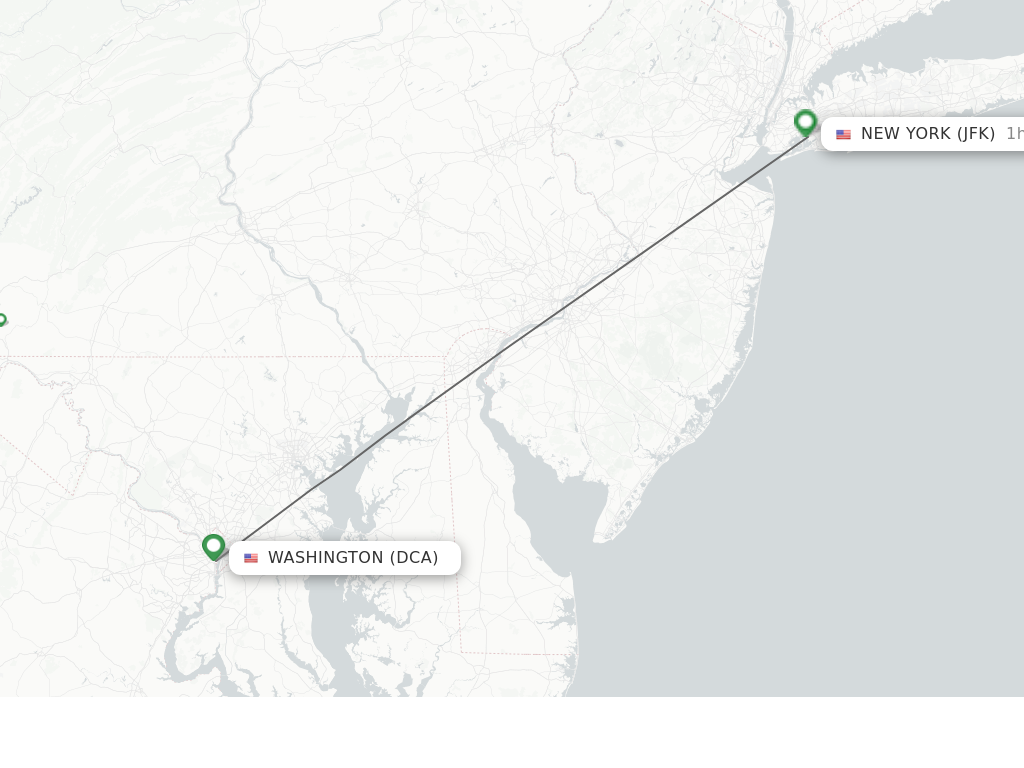
For those prioritizing speed, air travel presents a compelling option. The actual flight time between airports serving Washington D.C. (such as Ronald Reagan Washington National Airport or Washington Dulles International Airport) and New York City (including LaGuardia Airport, John F. Kennedy International Airport, or Newark Liberty International Airport) is remarkably short, often just 1 hour to 1 hour and 15 minutes. However, the total travel time associated with flying is significantly longer. This includes the commute to and from the airports, check-in procedures, security screening, boarding, deplaning, and baggage claim. When these elements are accounted for, the door-to-door travel time can easily rival or even exceed that of driving or taking a train, particularly for travelers residing or heading to areas closer to the city centers.
Train Travel: A Scenic and Convenient Alternative
Amtrak offers a popular and often preferred mode of transportation between Washington D.C. and New York City. The journey on the Northeast Regional or the faster Acela Express takes between 2 hours and 45 minutes to 3 hours and 30 minutes, depending on the service chosen. This makes it a highly competitive option in terms of total travel time, especially when considering the convenience of city-center to city-center travel. Stations like Union Station in Washington D.C. and Moynihan Train Hall at Penn Station in New York City are well-connected to public transportation networks, minimizing the need for separate airport transfers. The train journey itself provides an opportunity to observe the changing landscapes, from the urban fringes to the more rural expanses, offering a comfortable and productive way to travel, with many passengers utilizing the time to work or relax.
The Significance of Proximity: Connecting Two American Pillars
The relatively short distance between Washington D.C. and New York City is not merely a geographical fact; it underpins a profound interconnectedness that shapes both cities and the nation. This closeness fosters a unique synergy, enabling a constant exchange that enriches their cultural, economic, and political landscapes. The ease of travel facilitates this ongoing dialogue, making the journey itself a prelude to the experiences awaiting in either destination.
Economic Interdependence and Business Travel
The economic ties between Washington D.C. and New York City are substantial. As the nation’s capital, Washington D.C. is a hub for government, policy, lobbying, and international relations. New York City, on the other hand, is a global leader in finance, media, fashion, and the arts. The proximity allows for frequent business travel, facilitating meetings between policymakers and industry leaders, conferences, and the exchange of vital information. Companies with offices in both cities can easily move personnel, fostering collaboration and efficiency. This economic interdependence means that the success of one city often has a tangible impact on the other, creating a robust and dynamic economic corridor.
Cultural Exchange and Tourism Flows
The cultural landscapes of Washington D.C. and New York City are distinct yet complementary, drawing millions of tourists annually. Washington D.C. offers unparalleled access to American history, iconic monuments, and world-class museums, many of which are free to the public, such as the Smithsonian National Museum of Natural History. New York City, conversely, is renowned for its vibrant performing arts scene, diverse culinary offerings, cutting-edge fashion, and iconic landmarks like Times Square and the Statue of Liberty. The ease of travel between these two destinations allows many visitors to experience a broad spectrum of American culture within a single trip, combining political and historical exploration with urban excitement and world-class entertainment.
Educational and Academic Connections
The proximity also plays a significant role in the academic and educational spheres. Both cities are home to prestigious universities and research institutions. Students often commute between the cities for specialized courses, internships, or research collaborations. Scholars and academics frequently travel to attend conferences, deliver lectures, or utilize the unique resources available in each location, from Washington D.C.’s archives to New York City’s specialized libraries and think tanks. This academic connectivity fosters intellectual growth and innovation, contributing to the overall advancement of knowledge and expertise across various fields.
Planning Your Journey: Considerations for Travelers
When planning a trip from Washington D.C. to New York City, understanding the nuances of each travel option is crucial for a seamless experience. The “how far” is not just about miles, but about the time, cost, and comfort you prioritize for your journey. Careful planning can transform what might seem like a simple commute into an enjoyable and efficient part of your travel adventure.
Choosing the Right Mode of Transport
The optimal mode of transport depends on individual priorities. For budget-conscious travelers who value flexibility and don’t mind potential traffic delays, driving might be appealing, especially for group travel where costs can be shared. Those seeking efficiency and a stress-free journey, particularly for business trips or when avoiding the complexities of airport security, will find Amtrak to be an excellent choice. Air travel is best suited for those needing to maximize time at their destination, provided they are prepared for the airport logistics and potential costs. Bus services also exist and can offer a more economical option, though typically with longer travel times.
Packing and Preparation Tips
Regardless of the chosen method, some general preparation tips apply. For driving, ensure your vehicle is in good condition and consider using navigation apps that provide real-time traffic updates. For train travel, booking tickets in advance, especially for Acela Express, can secure better fares and seating. For flights, pack light if possible to avoid baggage fees and ensure you have all necessary identification. For any mode, consider bringing entertainment, snacks, and a portable charger. If traveling during peak seasons, booking accommodations and tickets well in advance is highly recommended to ensure availability and potentially better prices.
Navigating Arrival in the Destination City
Once you arrive, whether at a train station, airport, or your final parking spot, understanding the public transportation options in your destination city is key. New York City boasts an extensive subway system and bus network, providing affordable and efficient ways to reach most attractions. Washington D.C. also has a robust metro system, the WMATA Metro, that connects major points of interest. Familiarizing yourself with these systems beforehand will greatly enhance your ability to navigate the city upon arrival, making the transition from travel to exploration smooth and enjoyable.
LifeOutOfTheBox is a participant in the Amazon Services LLC Associates Program, an affiliate advertising program designed to provide a means for sites to earn advertising fees by advertising and linking to Amazon.com. Amazon, the Amazon logo, AmazonSupply, and the AmazonSupply logo are trademarks of Amazon.com, Inc. or its affiliates. As an Amazon Associate we earn affiliate commissions from qualifying purchases.