
New York City, a sprawling metropolis that pulses with an unceasing rhythm, offers a dazzling array of experiences year-round. However, for many visitors, understanding the prevailing weather conditions, particularly the heat, is paramount to planning an enjoyable trip. The question “How hot is it in New York?” is more than just a curiosity; it’s a practical consideration that influences everything from the types of activities one can undertake to the clothing one should pack. This exploration delves into the nuances of New York’s summer climate, providing insights into temperature trends, humidity’s impact, and strategies for staying comfortable while experiencing the iconic sights and sounds of the Big Apple.

Understanding New York’s Summer Climate
New York City experiences a humid subtropical climate, characterized by distinct seasons. While spring and autumn are renowned for their mild and pleasant temperatures, the summer months, typically from June through August, bring a significant rise in heat and humidity. This period can be intense, with prolonged spells of high temperatures and muggy air that can make even the most seasoned traveler feel the heat. Understanding these climatic patterns is the first step in effectively navigating a summer visit.
Average Temperature Ranges
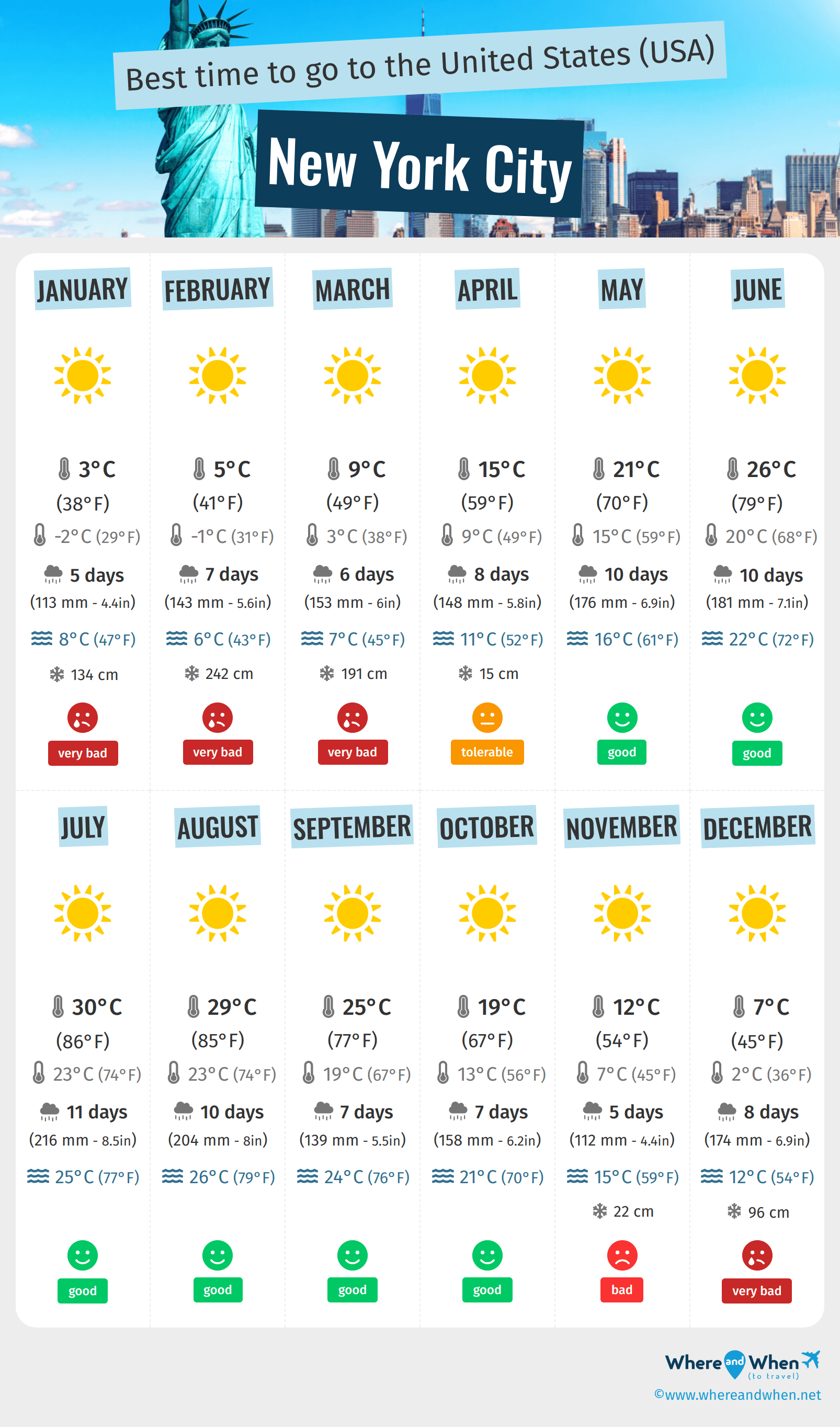
During the summer, average daily temperatures in New York City hover in the mid-80s Fahrenheit (around 29-30 degrees Celsius). However, it is not uncommon for temperatures to soar into the 90s Fahrenheit (32-37 degrees Celsius) and occasionally even reach 100 degrees Fahrenheit (38 degrees Celsius) or higher during heatwaves. These figures represent the daily highs, but the “feels like” temperature can be significantly higher due to the omnipresent humidity. Nighttime temperatures offer some respite, usually dropping into the comfortable 70s Fahrenheit (21-26 degrees Celsius), allowing for slightly cooler evenings.
The Impact of Humidity
Humidity plays a crucial role in how hot New York feels. When the relative humidity is high, the air is saturated with moisture, making it more difficult for the body to cool itself through perspiration. This phenomenon leads to what is commonly referred to as “muggy” or “sticky” weather, where the perceived temperature can be several degrees higher than the actual air temperature. During humid summer days in New York, walking outdoors can feel like stepping into a warm, damp blanket, impacting energy levels and the overall comfort of exploring the city.
Navigating the Heat: Tips for a Comfortable Visit
Experiencing the vibrant energy of New York City during the summer is an unforgettable adventure, but it requires a strategic approach to managing the heat and humidity. Being prepared with the right knowledge and tools can transform a potentially uncomfortable experience into a thoroughly enjoyable one. From choosing the right times for exploration to seeking out cool havens, there are numerous ways to embrace the city’s summer allure without succumbing to the heat.
Timing Your Activities
One of the most effective ways to combat the summer heat is by strategically planning your daily itinerary. The hottest parts of the day are typically between late morning and late afternoon. Consider scheduling strenuous outdoor activities, such as extensive walking tours or exploring large outdoor spaces like Central Park, during the cooler hours of the early morning or the late evening. This approach allows you to experience more of the city’s attractions with greater comfort and energy. For instance, an early morning stroll across the Brooklyn Bridge offers stunning views with fewer crowds and less oppressive heat.
Seeking Air-Conditioned Sanctuaries
New York City is replete with countless air-conditioned havens that offer welcome relief from the summer sun. Museums, such as the Metropolitan Museum of Art or the American Museum of Natural History, provide not only cultural enrichment but also a cool escape. Shopping malls, like Hudson Yards or the shops at Columbus Circle, also offer a respite from the heat, allowing for browsing and refreshment. Even many larger department stores are comfortably air-conditioned. Don’t underestimate the cooling power of a movie theater or a quiet café for a break.
Hydration and What to Wear

Staying hydrated is non-negotiable during a New York summer. Carry a reusable water bottle and refill it frequently at public water fountains or by purchasing beverages. Avoid excessive consumption of dehydrating drinks like alcohol and caffeine, especially during the hottest parts of the day. When it comes to clothing, opt for lightweight, breathable fabrics like cotton or linen. Loose-fitting garments in light colors are ideal for reflecting sunlight and allowing air circulation. Comfortable walking shoes are essential, and a wide-brimmed hat and sunglasses will provide crucial protection from the sun’s rays.
Beyond the Heat: Embracing New York’s Summer Vibe
While the heat is a significant factor to consider, it is by no means a deterrent to experiencing the magic of New York City in the summer. The city truly comes alive during these warmer months, offering a unique energy and a plethora of outdoor activities and cultural events that are best enjoyed under the sun. By understanding the climate and adopting smart strategies, visitors can fully immerse themselves in the city’s vibrant summer atmosphere.
Outdoor Activities and Attractions
Summer in New York is synonymous with outdoor enjoyment. Take advantage of the pleasant evenings for a stroll through vibrant neighborhoods like Greenwich Village or enjoy a sunset view from a rooftop bar. Many parks offer free concerts and movie screenings, transforming green spaces into lively gathering spots. Consider a ferry ride to Governors Island for biking and panoramic views of the Manhattan skyline, or a trip to Coney Island for classic amusement park fun. The city’s numerous outdoor markets, such as the Union Square Greenmarket, are also at their peak during summer, offering fresh produce and local crafts.
Water-Based Escapes
When the heat becomes particularly intense, water offers a refreshing solution. New York City is surrounded by water, and there are numerous ways to enjoy it. A harbor cruise provides a cooling breeze and spectacular views of landmarks like the Statue of Liberty and the Manhattan skyline. For a more active experience, consider kayaking on the Hudson River or visiting one of the city’s public beaches, such as Rockaway Beach in Queens. Even a simple visit to a splash pad in a local park can offer a quick and effective way to cool down.
Evening and Nightlife
As the sun dips below the horizon, New York City transforms into a glittering spectacle, and the evening hours often bring a welcome drop in temperature, making it the perfect time to explore. Enjoy dinner al fresco at one of the city’s countless restaurants with outdoor seating, or take a leisurely walk through Times Square, which is vibrant and illuminated at night. Broadway shows offer a cool and entertaining escape, and many rooftop bars and lounges come alive, providing stunning city views with a refreshing cocktail. The city’s nightlife is as diverse as its population, with options ranging from intimate jazz clubs in Harlem to energetic dance clubs in the Meatpacking District.
When to Visit: Balancing Heat and Experience
Deciding on the optimal time to visit New York City involves weighing various factors, with the summer heat being a primary consideration for many. While the city is undeniably alive and brimming with energy during June, July, and August, those sensitive to high temperatures might find slightly cooler periods more appealing. The decision ultimately hinges on personal preference and the specific type of experience one seeks.
Shoulder Seasons: Spring and Fall
The “shoulder seasons” of spring (April-May) and fall (September-October) are often considered ideal times to visit New York. During these months, temperatures are generally mild and pleasant, making it comfortable to explore the city on foot, wander through its numerous parks, and enjoy its outdoor attractions without the oppressive heat and humidity of summer. Spring brings blooming flowers to places like the Brooklyn Botanic Garden, while fall offers the breathtaking foliage in areas like The Ramble in Central Park. Crowds tend to be moderate during these periods as well, offering a more relaxed travel experience.
Winter Considerations
While the question often focuses on heat, it’s worth noting that New York City experiences cold winters. From December through February, temperatures can be frigid, with snow and ice common. However, winter also brings its own unique charm, with festive holiday decorations, ice skating rinks in iconic locations like Rockefeller Center, and the cozy atmosphere of museums and indoor attractions. For those who don’t mind bundling up, winter can be a magical, albeit cold, time to visit.
By understanding the nuances of New York’s climate throughout the year, visitors can better plan their trip to ensure an enjoyable and memorable experience, regardless of whether they are seeking sunshine or a cool retreat.
LifeOutOfTheBox is a participant in the Amazon Services LLC Associates Program, an affiliate advertising program designed to provide a means for sites to earn advertising fees by advertising and linking to Amazon.com. Amazon, the Amazon logo, AmazonSupply, and the AmazonSupply logo are trademarks of Amazon.com, Inc. or its affiliates. As an Amazon Associate we earn affiliate commissions from qualifying purchases.