
Embarking on a journey from the bustling metropolis of New York City to the vast and ancient land of China is an undertaking that sparks both excitement and practical planning. Among the most crucial aspects of this transatlantic voyage is understanding the duration of the flight. This isn’t a simple question with a single answer, as a multitude of factors influence the total time spent airborne. From the specific departure and arrival cities to the type of aircraft and prevailing wind conditions, each element plays a role in shaping the flight’s length. For the discerning traveler, a comprehensive understanding of these variables is key to managing expectations and optimizing their journey.

Factors Influencing Flight Duration
The perceived simplicity of asking “How long is a flight from New York City to China?” belies a complex interplay of geographical, logistical, and environmental elements. Airlines meticulously calculate flight paths and timings, but the reality on the day of travel can often present variations. Understanding these underlying factors provides valuable insight for anyone planning this significant international trip.
Direct vs. Connecting Flights
The most significant determinant of flight duration is whether one opts for a direct, non-stop service or a journey with one or more layovers. Direct flights, while often more expensive, offer the most streamlined travel experience, minimizing time spent in transit. These flights bypass the need to disembark, navigate unfamiliar airports, and wait for connecting services. However, direct routes from New York City to China are less common than those with stops, particularly for travelers heading to less major Chinese hubs.
Connecting flights, conversely, invariably add considerable time to the total travel experience. The duration of the layover itself can range from a few hours to an entire day, depending on the airline’s schedule and the route. Furthermore, the geographical location of the connecting city becomes a factor. For instance, a layover in Europe will naturally extend the journey more than a stopover in a more easterly hub. The efficiency of the connection, including the time required for baggage transfer and re-screening, also contributes to the overall travel time.
Geographic Distance and Flight Paths
The sheer distance between New York City and China is substantial, spanning multiple time zones and vast oceanic expanses. While a straight line might seem the shortest distance, actual flight paths are dictated by a complex web of factors including air traffic control, prevailing winds, and avoidance of restricted airspace. Airlines often utilize “great circle routes,” which are the shortest distance between two points on a sphere, but these are adjusted in real-time.
The curvature of the Earth means that flights often arc northwards, especially on eastbound routes, to take advantage of the jet stream. This powerful atmospheric current can significantly reduce flight times by providing a natural tailwind. Conversely, headwinds can prolong a flight. The specific arrival city in China also plays a role; a flight to Beijing will naturally have a different duration than one to Shanghai or Guangzhou, due to their differing geographical positions relative to New York City.
Aircraft Type and Speed
The capabilities of the aircraft operating the route are another significant contributor to flight duration. Modern long-haul aircraft, such as the Boeing 777 or Airbus A350, are designed for efficiency and speed over vast distances. Their cruising speeds, typically between 500 and 600 miles per hour (800-970 km/h), are a baseline for calculating flight times.
However, the specific model of the aircraft, its age, and its maintenance status can influence its optimal cruising speed. While the difference might be marginal for shorter flights, over the immense distance between New York City and China, even a slight variation in speed can translate into minutes, or even an hour, added to the journey. Airlines select aircraft based on route demand and operational efficiency, and the chosen model is a key factor in their published flight durations.
Estimated Flight Durations: Direct and Connecting
Providing a precise answer to “How long is a flight from New York City to China?” requires segmenting the possibilities into direct and connecting options, acknowledging that even direct flights are rare. The vastness of China means that arrival city selection is paramount in any estimation.
The Rarity and Duration of Direct Flights
Direct, non-stop flights from New York City to mainland China are exceptionally uncommon. Due to the immense distance, such routes are often at the upper limit of what many commercial aircraft can comfortably achieve without refueling. When they do exist, they are typically to major international gateways like Beijing or Shanghai.
A direct flight, under ideal conditions, would likely fall within the range of 13 to 15 hours. This figure assumes optimal weather, efficient air traffic control, and a modern, fast aircraft. However, such flights are infrequent and can be subject to cancellation or re-routing due to operational constraints. For travelers seeking the absolute fastest journey, a direct flight, if available, is the preferred choice, but its scarcity often necessitates alternative arrangements.
The Extended Journey of Connecting Flights
The vast majority of travelers will opt for flights connecting through other international hubs. These routes offer greater flexibility in terms of departure times, airlines, and arrival cities within China. However, they significantly extend the overall travel time.
A typical connecting flight from New York City to a major Chinese city like Beijing or Shanghai can range from 17 to 25 hours, and sometimes even longer. This total duration includes:
- Flight Time: The actual time spent in the air for each segment of the journey. This will vary depending on the departure and arrival points of each leg.
- Layover Duration: The time spent waiting at the connecting airport. This can be as short as 90 minutes for a tight connection or as long as 12-24 hours for a more strategic or budget-friendly option.
- Airport Navigation: Time spent disembarking, navigating the airport, potentially changing terminals, and going through security checks for the next flight.
- Baggage Transfer: While usually seamless, there’s always a slight risk of baggage transfer delays with connecting flights.
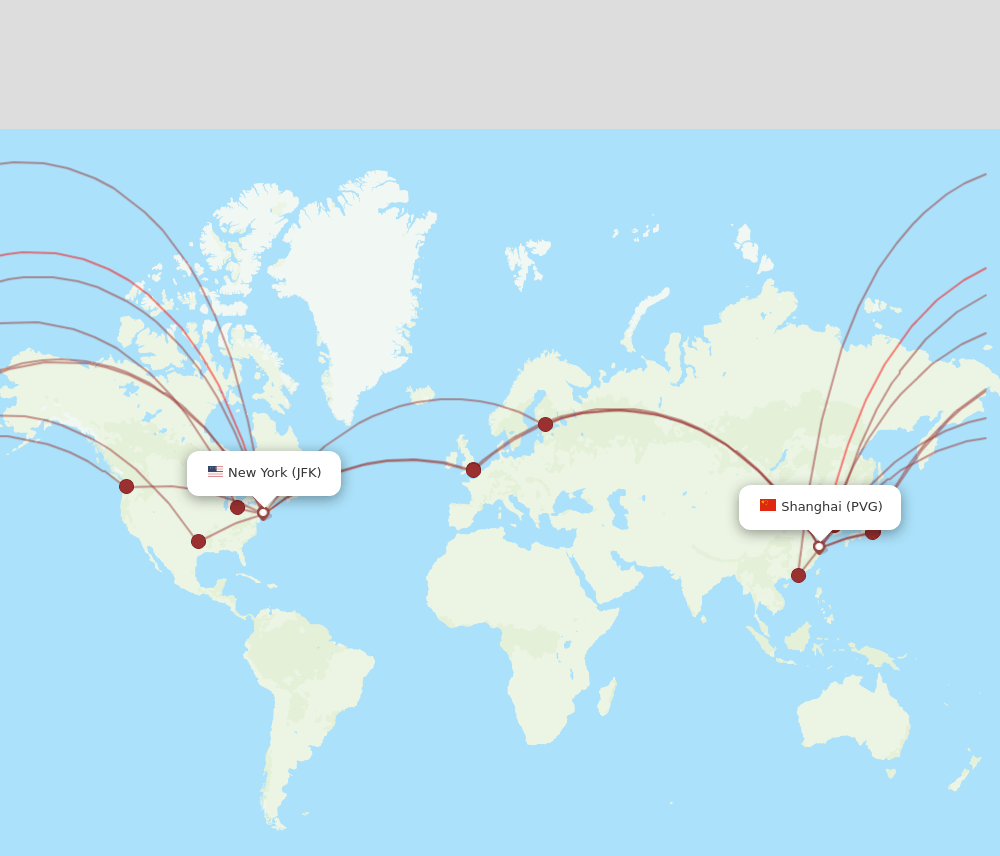
The choice of connecting city plays a crucial role. Common layover points for flights from New York City to China include cities in Europe such as Amsterdam, Paris, or Frankfurt, as well as hubs in the Middle East like Dubai or Doha. Flights connecting through Asia, such as in Seoul or Tokyo, can also be common, particularly for reaching southern Chinese destinations.
Navigating Time Zones and Jet Lag
The considerable flight duration from New York City to China is only part of the temporal challenge. The journey also involves crossing numerous time zones, leading to the common phenomenon of jet lag, which can impact travelers long after they have landed. Understanding and preparing for these temporal shifts is an integral part of the travel experience.
The Time Zone Differential
China operates on a single time zone, Beijing Time (BJT), which is UTC+8. This is a stark contrast to New York City, which observes Eastern Standard Time (EST), UTC-5, or Eastern Daylight Time (EDT), UTC-4, depending on the season. This means that when it is noon in New York City during EST, it is already midnight in Beijing.
This significant time difference of 12 to 13 hours is a crucial consideration when planning your itinerary. A flight departing New York City in the evening might arrive in China in the late afternoon or early evening of the following day. This means that even a 14-hour flight will feel significantly longer when accounting for the calendar day shift.
Strategies for Mitigating Jet Lag
Jet lag is a physiological response to crossing multiple time zones, disrupting the body’s natural sleep-wake cycle, or circadian rhythm. Symptoms can include fatigue, insomnia, irritability, and digestive issues. For a journey as long as New York City to China, effective management of jet lag is essential for enjoying your time upon arrival.
- Adjust Your Sleep Schedule: Several days before departure, begin gradually shifting your sleep and wake times to align with your destination’s schedule.
- Hydration is Key: Drink plenty of water before, during, and after the flight. Dehydration can exacerbate jet lag symptoms. Avoid excessive alcohol and caffeine, which can disrupt sleep.
- Embrace Daylight: Upon arrival, expose yourself to natural sunlight, especially in the morning. This helps to reset your body’s internal clock.
- Light Meals: Opt for lighter meals during the flight and upon arrival, especially if they align with the local meal times.
- Movement: Stay active during the flight by walking the aisles when permitted and doing simple stretches. Upon arrival, gentle exercise can help combat fatigue.
- Melatonin (Consult Physician): Some travelers find melatonin supplements helpful in regulating sleep patterns, but it’s always advisable to consult a healthcare professional before use.
By proactively addressing the time zone difference and implementing strategies to combat jet lag, travelers can significantly improve their comfort and enjoyment during and after their extensive flight from New York City to China.
Planning Your Journey: Tips for a Smooth Transpacific Flight
Successfully navigating the long flight from New York City to China involves more than just understanding the flight duration; it requires meticulous planning and thoughtful preparation. From selecting the right flight to packing strategically and managing your time on board, several key elements can contribute to a more comfortable and enjoyable experience.
Choosing the Right Flight and Airline
The initial step in planning your journey is selecting the most suitable flight. While direct flights are rare, the choice of airline and connecting hub can significantly impact your travel experience.
- Research Airlines: Different airlines have varying reputations for service, seat comfort, and in-flight entertainment on long-haul routes. Look for airlines that are known for their long-haul comfort, such as China Eastern Airlines, Air China, or international carriers with a strong presence on transpacific routes.
- Consider Layover Location: The efficiency and comfort of the layover airport are crucial. Major international hubs often offer better amenities, a wider range of dining options, and more efficient transit processes. Research the layover airport to ensure it meets your needs.
- Book in Advance: For the best fares and seating options, it is advisable to book your flights several months in advance, especially if traveling during peak seasons.
- Understand Baggage Allowances: Long international flights often have generous baggage allowances, but it’s essential to confirm the specific policies of your chosen airline to avoid unexpected fees.
In-Flight Comfort and Essentials
Making the most of your time in the air involves being prepared with essentials that can enhance comfort and combat the effects of a lengthy flight.
- Comfortable Clothing: Opt for loose-fitting, layered clothing made from breathable fabrics. Traveling in comfortable attire can make a significant difference.
- In-Flight Entertainment: Ensure your chosen airline provides adequate entertainment options. If not, download movies, music, podcasts, or e-books onto your devices.
- Travel Pillow and Blanket: While many airlines provide these, bringing your own neck pillow, eye mask, and earplugs can significantly improve your ability to rest.
- Hygiene Kit: Pack a small kit with essentials like a toothbrush, toothpaste, face wipes, hand sanitizer, and moisturizer. The dry cabin air can take a toll on your skin.
- Stay Hydrated: As mentioned earlier, drinking plenty of water is vital. Consider bringing an empty reusable water bottle to fill up after security.
- Snacks: While airlines provide meals, having a few of your favorite non-perishable snacks can be a welcome comfort.

Pre- and Post-Flight Considerations
Your journey doesn’t begin or end at the airport gate. Planning for the periods before and after your flight can contribute to an overall smoother experience.
- Airport Transfer: Arrange reliable transportation to and from New York City airports (JFK, Newark Liberty International Airport, or LaGuardia Airport) and consider your arrival transfer in China from your destination airport (e.g., Shanghai Pudong International Airport or Beijing Capital International Airport).
- Visa Requirements: Ensure you have the necessary visa for China well in advance of your travel date.
- Local Currency: Exchange some currency for Chinese Yuan before you depart or upon arrival, although mobile payment systems are widely used.
- First Day Itinerary: If possible, plan for a relaxed first day upon arrival in China. Avoid scheduling demanding activities immediately after your long flight and exposure to jet lag.
By diligently preparing and making informed choices, the extensive flight from New York City to China can be transformed from a daunting prospect into a manageable and even comfortable prelude to exploring the wonders of China.
LifeOutOfTheBox is a participant in the Amazon Services LLC Associates Program, an affiliate advertising program designed to provide a means for sites to earn advertising fees by advertising and linking to Amazon.com. Amazon, the Amazon logo, AmazonSupply, and the AmazonSupply logo are trademarks of Amazon.com, Inc. or its affiliates. As an Amazon Associate we earn affiliate commissions from qualifying purchases.