
Embarking on a transatlantic journey from the bustling metropolis of New York to the heart of Europe, specifically Germany, is an exciting prospect for many travelers. Whether you’re planning a business trip, a cultural immersion, or a leisurely exploration of historic cities and picturesque landscapes, understanding the flight duration is a fundamental aspect of trip planning. This knowledge allows for better scheduling, accommodation bookings, and preparation for the time difference. The length of this flight is not a static figure; it’s influenced by a confluence of factors, ranging from the specific departure and arrival airports to the prevailing atmospheric conditions.
Factors Influencing Flight Duration
The seemingly simple question of “how long” a flight takes belies a complex interplay of variables. Airlines and air traffic control systems meticulously manage these elements to ensure efficiency and safety, but they directly impact the time you spend in the air. Understanding these factors can help demystify the flight schedule and provide a more realistic expectation for your journey.
Departure and Arrival Airports
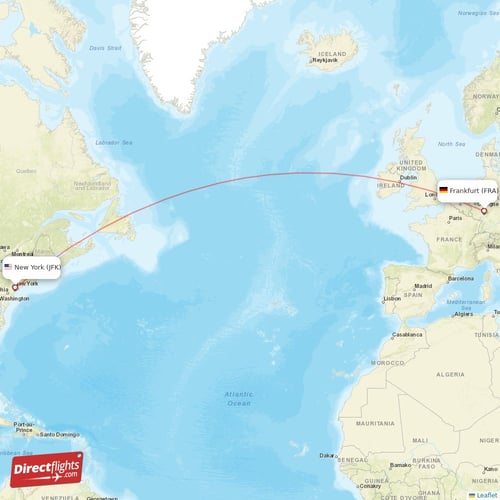
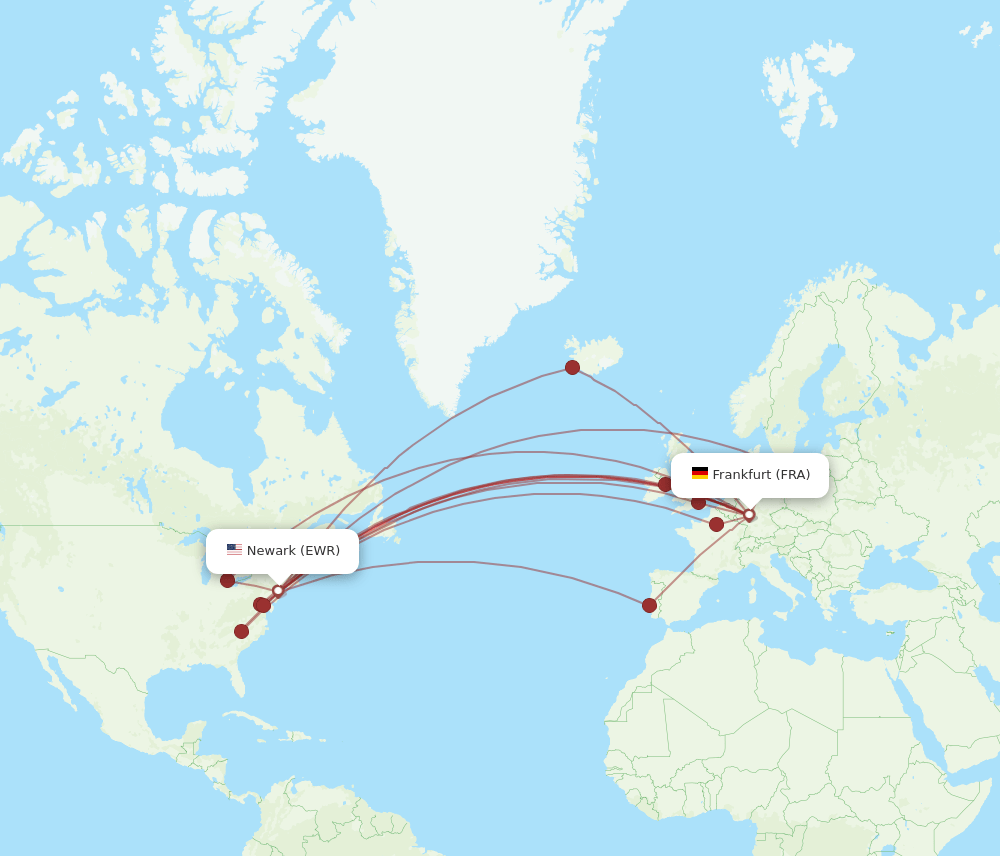
The primary determinant of flight time between New York and Germany is the specific origin and destination airports. New York has several major international gateways, most notably John F. Kennedy International Airport (JFK) and Newark Liberty International Airport (EWR). Germany also boasts a network of international airports, with Frankfurt Airport (FRA) being the largest and busiest, serving as a major hub for Lufthansa. Other significant airports include Munich Airport (MUC), Berlin Brandenburg Airport (BER), and Düsseldorf Airport (DUS).
A flight from JFK to Frankfurt will generally have a slightly different duration than a flight from EWR to Munich. The geographical distance between these city pairs plays a role. While the overall distance between the New York metropolitan area and Germany is substantial, variations in latitude and longitude between specific airports can lead to minor differences in flight paths and, consequently, flight times. Airlines optimize routes based on these specific airport pairings to maximize efficiency.
Aircraft Type and Airline Operations
The type of aircraft operated by an airline can influence flight duration, though to a lesser extent than airport selection and wind conditions. Modern, wide-body jets used for transatlantic routes, such as the Boeing 777 or Airbus A380, are designed for long-haul travel and maintain high cruising speeds. However, subtle differences in the cruising speeds of various aircraft models can contribute to minor variations in flight time.
More significantly, airline operational procedures, including taxiing times at both ends, gate assignments, and the efficiency of ground operations, can add to the overall travel time from departure gate to arrival gate. While these are not strictly “flight” times, they are crucial considerations for travelers. Airlines also have varying flight schedules and preferred routes, which can lead to perceived differences in flight duration even on similar routes.
Wind Conditions and Jet Streams
One of the most impactful external factors affecting flight duration across the Atlantic is wind. Aircraft are significantly affected by prevailing wind patterns, particularly the powerful jet streams. When flying eastbound from New York to Germany, flights typically benefit from the prevailing westerly winds and can often take advantage of the jet stream. This atmospheric phenomenon acts like a powerful tailwind, pushing the aircraft forward at an increased ground speed. As a result, eastbound transatlantic flights are generally shorter than westbound flights.
Conversely, when flying westbound from Germany back to New York, the jet stream often acts as a headwind, slowing the aircraft’s progress and increasing flight time. Pilots and airline dispatchers constantly monitor weather patterns and wind forecasts to plot the most efficient routes, which may involve minor deviations to capitalize on favorable winds or avoid unfavorable ones. These adjustments, though seemingly small, can shave minutes or even hours off a flight.
Typical Flight Durations
Given the myriad factors at play, providing an exact, universal flight time is challenging. However, based on typical flight paths and prevailing conditions, we can establish a range for direct flights from New York to Germany.
Direct Flights: New York to Germany
For direct, non-stop flights from major New York airports like JFK or EWR to prominent German airports such as Frankfurt or Munich, the typical flight duration falls within a specific window.
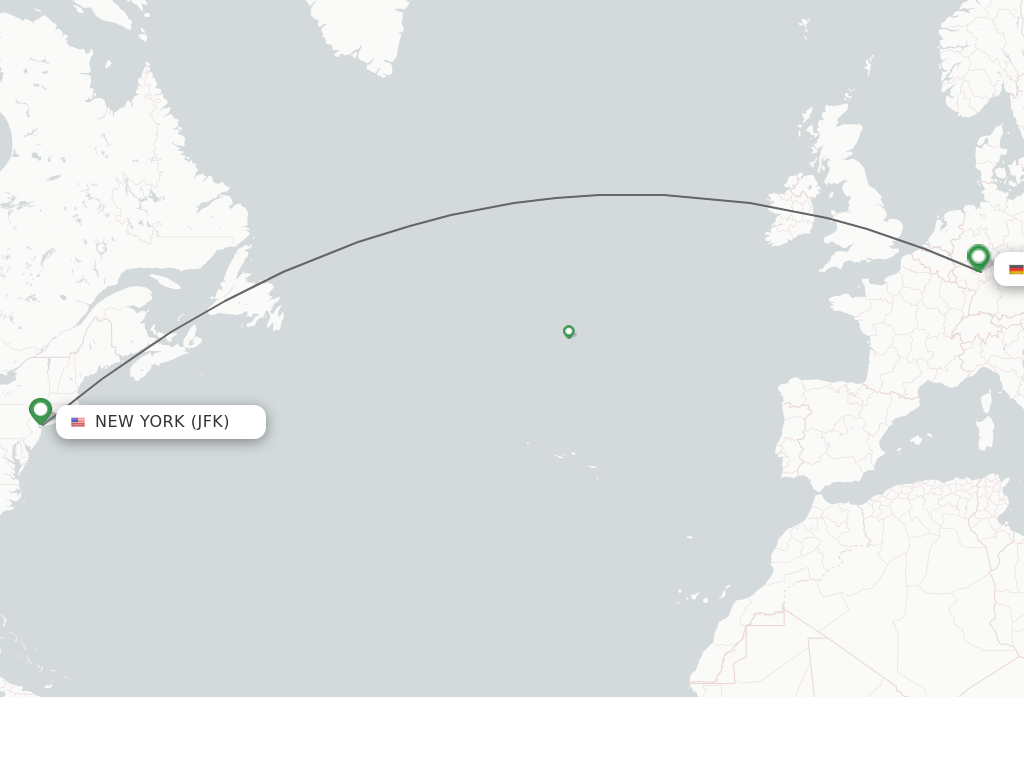
Eastbound Flights (New York to Germany): These flights usually range from 7 hours to 8 hours and 30 minutes. The presence of tailwinds, including the jet stream, significantly contributes to this shorter duration. Airlines aim to schedule these flights to arrive in Germany in the morning, allowing passengers to maximize their first day in the country.
Westbound Flights (Germany to New York): As mentioned, the journey back often takes longer due to headwinds. Flights from Germany to New York typically range from 8 hours and 30 minutes to 10 hours. This difference is a common phenomenon for transatlantic travel.
It’s important to note that these are flight times – the time spent airborne. The total travel time from leaving your home or hotel to arriving at your final destination will be considerably longer, encompassing travel to and from airports, check-in procedures, security screening, boarding, and disembarking.
Flights with Layovers
While direct flights are the most convenient and quickest option, many travelers opt for flights with layovers, often due to cost savings or the desire to visit an intermediate city. Flights from New York to Germany with one or more stops can vary dramatically in total travel time.
The duration of a flight with a layover is calculated by adding the flight times between each city pair and the layover duration at the connecting airport. Common layover hubs for flights between the United States and Germany include cities like London, Amsterdam, or Paris. A flight with a layover could easily extend the total travel time to anywhere from 11 hours to over 20 hours, depending on the length of the layover and the specific routing. Travelers seeking the shortest possible journey will always prioritize direct flights.
Planning Your Transatlantic Journey
Understanding flight durations is merely the first step in planning a successful trip from New York to Germany. Several other considerations come into play to ensure a smooth and enjoyable experience.
Booking Strategies and Timing
The cost and availability of flights are heavily influenced by how far in advance you book and the time of year you intend to travel. Booking several months in advance, especially for peak travel seasons like summer holidays or Christmas, often yields better prices and a wider selection of flight times and airlines. Conversely, last-minute bookings can be significantly more expensive.
Consider traveling during the shoulder seasons, such as spring (April to May) or autumn (September to October), when flight prices may be lower, and the weather in Germany is still pleasant for sightseeing. Mid-week flights (Tuesdays and Wednesdays) are often cheaper than weekend flights. Utilizing flight comparison websites and setting up price alerts can also help you find the best deals.
Navigating Time Zones and Jet Lag
A significant aspect of flying from New York to Germany is the time difference. Germany is typically 6 hours ahead of New York during standard time (Central European Time, CET, versus Eastern Standard Time, EST). During daylight saving time periods, the difference can sometimes be 5 or 7 hours, depending on whether Germany is observing Central European Summer Time (CEST) and New York is observing Eastern Daylight Time (EDT).
This time difference can lead to jet lag, a temporary sleep disorder that can cause fatigue, insomnia, and disorientation. To mitigate jet lag, it’s advisable to adjust your sleep schedule gradually in the days leading up to your departure. Stay hydrated during the flight, avoid excessive alcohol and caffeine, and try to adjust to the local time of your destination as soon as possible upon arrival. Getting natural sunlight exposure upon arrival can also help reset your body’s internal clock.
Preparing for Arrival in Germany
Upon landing in Germany, you’ll likely arrive at a major international airport like Frankfurt or Munich. These airports are well-equipped to handle international arrivals, with efficient customs and immigration procedures. However, it’s wise to be prepared.
Ensure you have all necessary travel documents, including your passport and any required visas. Familiarize yourself with local customs and basic German phrases, which can enhance your experience. Transportation options from the airport to your accommodation are plentiful, including trains, taxis, and rental cars. Germany has an excellent public transportation system, with high-speed rail services like the ICE connecting major cities efficiently. Planning your onward journey from the airport in advance will save you time and stress after your long flight. Whether your destination is the vibrant streets of Berlin, the historic charm of Hamburg, or the fairytale castles of Bavaria, your adventure begins the moment you step off the plane.
LifeOutOfTheBox is a participant in the Amazon Services LLC Associates Program, an affiliate advertising program designed to provide a means for sites to earn advertising fees by advertising and linking to Amazon.com. Amazon, the Amazon logo, AmazonSupply, and the AmazonSupply logo are trademarks of Amazon.com, Inc. or its affiliates. As an Amazon Associate we earn affiliate commissions from qualifying purchases.