
Embarking on a journey from the bustling metropolis of New York to the sun-drenched shores of Spain is a dream for many. This transatlantic voyage, while offering the promise of rich culture, exquisite cuisine, and breathtaking landscapes, necessitates a significant commitment of time in the air. Understanding the typical flight duration is a crucial first step in planning this exciting adventure, allowing travelers to prepare adequately and optimize their journey. The length of this flight is not a static figure; it’s influenced by a constellation of factors, from the specific departure and arrival airports to the operational realities of air travel.
Factors Influencing Flight Duration
The perceived simplicity of a flight’s duration belies a complex interplay of variables. While airlines provide estimated flight times, the actual time spent airborne can fluctuate due to a variety of operational and environmental elements. Being aware of these contributing factors can help set realistic expectations and lead to a more informed travel experience.
Direct vs. Connecting Flights
The most significant determinant of overall travel time is whether a passenger opts for a direct flight or one with layovers. Direct flights, as the name suggests, fly from the origin city to the destination city without any intermediate stops. These are invariably the quickest option, as they eliminate the time spent on the ground during a connection, as well as the potential for delays associated with missed connections.
On the other hand, flights with one or more stops will naturally take longer. The duration of a connecting flight is a sum of several components: the initial flight leg, the layover time at the connecting airport, and the second flight leg. Layover times can vary drastically, from a brief hour to an extended period of several hours, depending on the airline’s scheduling and the airport’s operational efficiency. Furthermore, the distance between the connecting city and the final destination also plays a role. For instance, a flight from New York to Madrid with a stop in London will likely take longer than a direct flight, but a connection in Boston might be quicker if the layover is short.
Aircraft Type and Speed
While less impactful than the presence of layovers, the type of aircraft used by airlines can subtly influence flight times. Modern, wide-body jets designed for long-haul travel are generally faster and more fuel-efficient. However, the difference in cruising speed between various commercial airliners is relatively minor. The primary goal for airlines is not always to achieve the absolute fastest flight, but rather to optimize fuel consumption and adhere to a schedule that minimizes disruptions. Therefore, while a newer aircraft might technically be capable of a slightly faster speed, the difference in the scheduled flight duration might not be substantial enough to be a primary concern for the average traveler.
Jet Streams and Wind Patterns
The Earth’s atmosphere is a dynamic environment, and prevailing winds, particularly the powerful jet streams, can significantly impact flight times. Jet streams are fast-flowing, narrow air currents found in the Earth’s atmosphere. When an aircraft flies in the same direction as a tailwind, such as a jet stream, its ground speed is increased, resulting in a shorter flight duration. Conversely, flying against a headwind will slow the aircraft down, extending the flight time. These atmospheric conditions are constantly shifting, and pilots will often adjust flight paths to take advantage of favorable winds or mitigate the impact of unfavorable ones. This is one of the primary reasons why a flight from New York to Spain might be shorter than the return journey, as the prevailing winds often blow from west to east.
Specific Airports and Routes
The choice of departure and arrival airports in both New York and Spain can also contribute to variations in flight duration. New York has several major international airports, including John F. Kennedy International Airport (JFK), Newark Liberty International Airport (EWR), and LaGuardia Airport (LGA). While LGA primarily handles domestic flights, JFK and EWR are major hubs for international travel. Similarly, Spain boasts numerous international airports, with Madrid-Barajas Airport (MAD), Barcelona-El Prat Airport (BCN), and Málaga Airport (AGP) being among the busiest. The geographical proximity of these airports to the intended final destination within Spain will influence the overall travel time, especially when considering direct flights. For example, a flight to a more easterly city in Spain might have a slightly different duration than one to a more westerly region.
Typical Flight Durations
When planning a transatlantic trip, understanding the general time commitment is paramount. The flight from New York to Spain is a significant journey, and while direct flights offer the most streamlined experience, even they require a considerable amount of time in the air.
Direct Flights: The Fastest Option
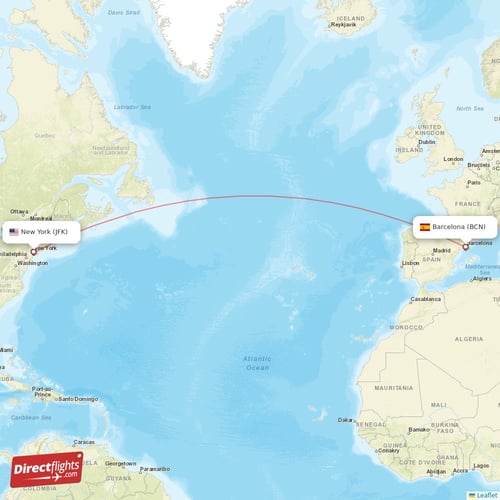
For travelers seeking efficiency, direct flights are the undisputed champions. These flights bypass layovers, meaning the time you spend in the air is the entirety of your travel time, excluding the time spent taxiing on the runway and boarding. A non-stop flight from New York to major Spanish hubs like Madrid or Barcelona typically ranges from 6.5 to 7.5 hours. This duration can vary slightly depending on the exact origin and destination airports, as well as prevailing wind conditions. For instance, a flight departing from JFK to Madrid might be marginally different in length than one from Newark to Barcelona. Airlines meticulously plan these routes to optimize for fuel efficiency and adherence to schedules, so the advertised flight times are generally quite accurate, barring unforeseen circumstances.
Flights with Layovers: Extended Travel Times
When direct flights are unavailable or less appealing due to cost or scheduling preferences, connecting flights become the alternative. These flights invariably extend the total travel time significantly. The total duration of a flight with one or more layovers is a composite of the flight segments and the time spent on the ground at the connecting airport.
A common layover point for flights from New York to Spain might be in a major European city like London, Amsterdam, or Paris. The duration of the layover itself can range from a couple of hours to over ten hours, depending on the airline’s network and the specific itinerary. Consequently, a connecting flight can easily extend the total travel time to anywhere from 9 to 15 hours or even more. This extended duration necessitates more careful planning, particularly regarding meals, entertainment, and comfort during the extended journey. It also means that a significant portion of your first day in Spain might be dedicated to travel and recovery from the journey.
Preparing for Your Transatlantic Journey
A flight of this magnitude requires more than just booking a ticket; it demands thoughtful preparation to ensure a comfortable and enjoyable experience. From packing strategically to managing expectations about time, a little foresight can go a long way.
Packing Essentials for Long Flights
Long-haul flights can feel like a significant undertaking, and packing the right items can make a world of difference in your comfort and well-being. Beyond the usual travel essentials, consider items that will help you pass the time, stay comfortable, and arrive feeling refreshed.
- Comfortable Clothing: Opt for loose-fitting, breathable fabrics. Layers are key, as cabin temperatures can fluctuate. Think comfortable trousers or leggings, a soft t-shirt, and a warm sweater or hoodie.
- Entertainment: While most airlines provide in-flight entertainment systems, it’s wise to have your own backup. Load up your devices with movies, TV shows, podcasts, audiobooks, and e-books. Don’t forget headphones – noise-canceling ones are particularly beneficial for a peaceful journey.
- Travel Pillow and Blanket: While some airlines provide these, their quality can vary. Bringing your own comfortable neck pillow and a lightweight travel blanket can greatly enhance your ability to sleep.
- Hygiene Kit: A small kit with essentials like a toothbrush, toothpaste, face wipes, moisturizer, lip balm, and hand sanitizer will help you feel refreshed throughout the flight.
- Snacks and Water Bottle: Airline food can be hit or miss, and it might not align with your dietary preferences. Bringing a few non-perishable snacks can be a lifesaver. A reusable water bottle can be filled after security for easy access to hydration.
- Medication and First-Aid: Pack any necessary prescription medications, along with basic first-aid supplies like pain relievers and motion sickness remedies.

Managing Time and Jet Lag
The significant time difference between New York and Spain means that jet lag is almost inevitable. However, proactive strategies can help mitigate its effects and allow you to embrace your destination with more vigor.
- Adjust Your Sleep Schedule: A few days before your departure, begin to gradually shift your sleep and wake times closer to those of your destination. This pre-adjustment can ease the transition.
- Hydrate and Eat Wisely: Staying well-hydrated throughout the flight is crucial for combating fatigue. Avoid excessive alcohol and caffeine, which can disrupt sleep patterns. Try to eat meals at times that correspond to mealtimes in Spain.
- Embrace Local Time Upon Arrival: As soon as you land, commit to the local time. Expose yourself to natural sunlight during the day and avoid long naps. Gentle activity and staying awake until a reasonable local bedtime are highly effective.
- Strategic Napping (If Necessary): If you absolutely must nap, keep it short (20-30 minutes) and avoid napping too close to your intended bedtime.
- Light Exposure: Maximizing your exposure to daylight at your destination can help reset your internal body clock. Conversely, minimize bright light exposure in the evening.
By understanding the typical flight durations and preparing thoughtfully, travelers can transform the long journey from New York to Spain from a daunting prospect into a manageable and even enjoyable part of their overall travel experience.
LifeOutOfTheBox is a participant in the Amazon Services LLC Associates Program, an affiliate advertising program designed to provide a means for sites to earn advertising fees by advertising and linking to Amazon.com. Amazon, the Amazon logo, AmazonSupply, and the AmazonSupply logo are trademarks of Amazon.com, Inc. or its affiliates. As an Amazon Associate we earn affiliate commissions from qualifying purchases.