
Embarking on a journey from the bustling streets of New York to the sun-drenched shores of Greece is an exciting prospect, promising ancient wonders, idyllic islands, and vibrant culture. A primary consideration for any traveler planning this transatlantic adventure is the flight duration. Understanding how long you’ll be in the air is crucial for planning your itinerary, packing your carry-on, and mentally preparing for the transition from North America to Europe.
Factors Influencing Flight Duration
The length of a flight from New York to Greece isn’t a fixed number; it’s a dynamic figure influenced by a combination of essential elements. These variables can significantly alter your travel time, making it important to consider them when booking and anticipating your arrival.
Direct vs. Connecting Flights
The most significant determinant of flight time is whether you opt for a direct flight or one with layovers. Direct flights are the most straightforward and, consequently, the shortest. They bypass the need to disembark, re-board, and wait in transit airports, saving valuable hours.
Non-Stop Flights
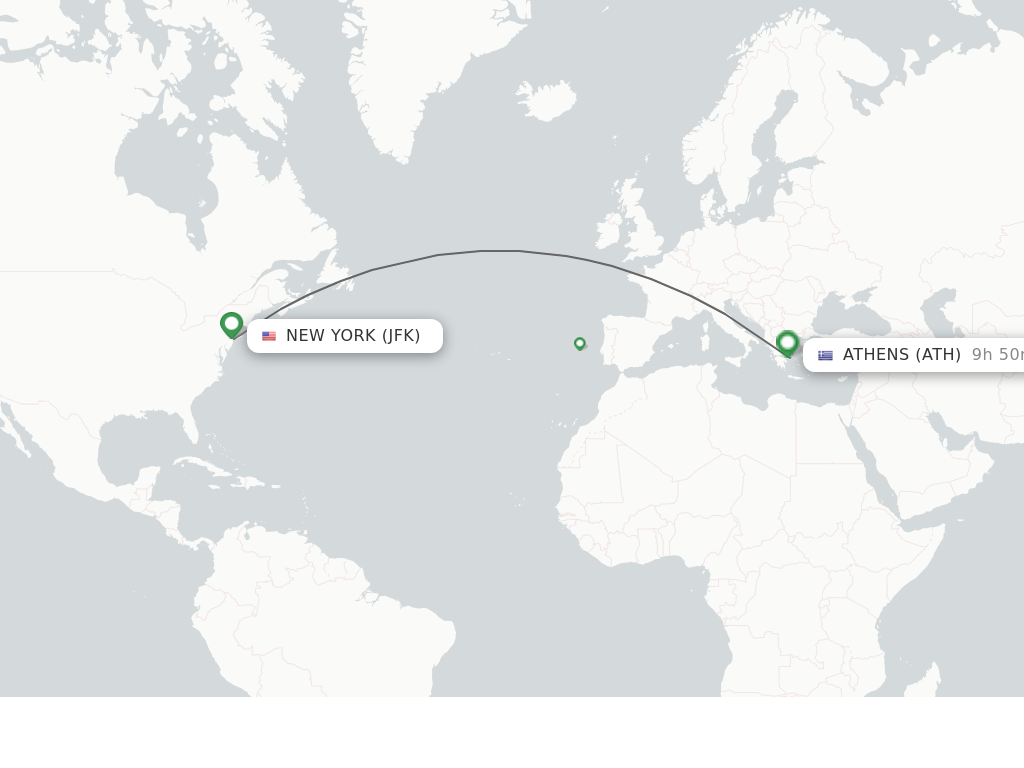
When a direct flight is available, it generally offers the fastest route to Greece. These flights depart from one of the major New York area airports, such as John F. Kennedy International Airport (JFK), Newark Liberty International Airport (EWR), or LaGuardia Airport (though typically less common for intercontinental travel), and land at a primary Greek gateway like Athens International Airport (ATH). The typical duration for a non-stop flight from New York to Athens hovers around 8 to 9.5 hours. This can vary slightly based on prevailing wind conditions and the specific flight path taken by the airline.
Flights with Layovers
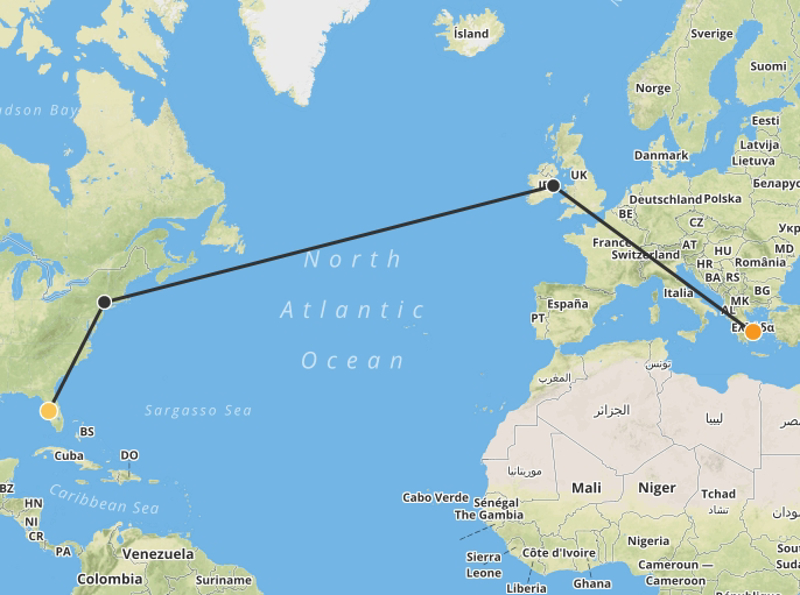
Connecting flights, while often more affordable, invariably add to the total travel time. These flights involve a stop in a third city, where passengers will either need to change planes or, in some cases, simply remain on the same aircraft while new passengers board. Common layover cities for flights from New York to Greece include major European hubs like London Heathrow Airport (LHR), Amsterdam Airport Schiphol (AMS), Paris Charles de Gaulle Airport (CDG), or Frankfurt Airport (FRA). The length of the layover, which can range from a brief hour to several hours, is the primary factor in extending the total travel duration. Consequently, flights with one or more connections can easily extend to 12, 15, or even upwards of 20 hours, depending on the efficiency of the connection and the duration of the stop.
Geographic Proximity and Flight Paths
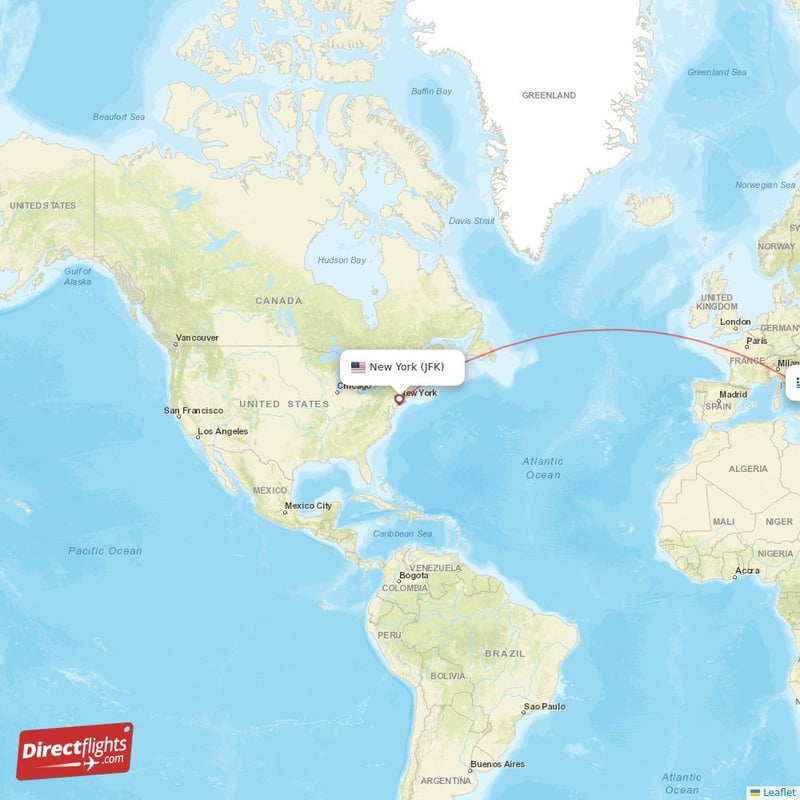
The vast geographical distance between New York and Greece dictates the baseline flight time. Greece is located in Southeastern Europe, at the southern tip of the Balkan Peninsula, while New York is on the east coast of North America. This considerable expanse necessitates a long-haul flight. The specific flight path, known as the great-circle route, is the shortest distance between two points on the surface of a sphere. However, actual flight paths can be influenced by air traffic control, weather patterns, and the need to avoid restricted airspace, which can slightly alter the directness and therefore the duration of the flight.
Wind Conditions and Air Traffic
Wind speed and direction play a surprisingly significant role in air travel times. Flights traveling eastbound, from New York to Greece, typically benefit from the jet stream, a high-altitude current of air that flows from west to east. This tailwind can reduce flight times by pushing the aircraft along. Conversely, headwinds can increase flight times. Air traffic control also influences flight duration. Congested airspace, particularly around major hubs like New York and Athens, can lead to holding patterns or slower approach speeds, adding minutes to the journey.
Aircraft Type and Speed
While most major airlines utilize modern, wide-body aircraft for transatlantic routes, the specific model and its cruising speed can also contribute to minor variations in flight duration. Newer aircraft are generally more fuel-efficient and can maintain higher average speeds. However, the difference between various aircraft types on the same route is usually marginal compared to the impact of direct versus connecting flights.
Estimating Your Travel Time to Specific Greek Destinations
While Athens is the primary international gateway to Greece, many travelers aim for the picturesque islands or other mainland cities. The time it takes to reach these secondary destinations will, of course, add to your overall travel experience from New York.
Arrival in Athens
For those flying direct from New York to Athens International Airport (ATH), the flight time typically ranges from approximately 8.5 to 9.5 hours. This is the most efficient way to reach the Greek mainland. Upon arrival, passengers will need to clear immigration and customs, which can add anywhere from 30 minutes to over an hour, depending on passenger volume and the efficiency of the Greek border control.
Traveling to the Greek Islands
Greece is renowned for its thousands of islands, each offering a unique charm. From Athens, travelers have several options to reach these island paradises:
Domestic Flights
The quickest way to reach most major islands from Athens is by a domestic flight. Airlines like Aegean Airlines and Sky Express operate frequent flights to popular destinations such as Santorini (JTR), Mykonos (JMK), Crete (HER or CHQ), and Rhodes (RHO). These flights are generally short, ranging from 30 minutes to 1.5 hours, depending on the island’s distance from the mainland. When factoring in the initial international flight from New York, the total travel time to an island via domestic flight from Athens can range from 9.5 hours (quickest direct flight + very short flight and minimal connection) to 15+ hours (longer international flight + layover + domestic flight).
Ferry Services
For a more scenic and often more affordable experience, ferries are a popular mode of transport to the Greek islands. From the port of Piraeus (near Athens) or other mainland ports, a vast network of ferries connects to virtually every inhabited island. Ferry journey times vary dramatically. High-speed catamarans to closer islands like Aegina or the Saronic Islands might take 45 minutes to 2 hours. However, reaching more distant islands like Santorini (Cyclades) or Crete (Heraklion) can take anywhere from 4 to 9 hours on a conventional ferry. Overnight ferries are also an option, allowing you to save on a night’s accommodation but extending your overall travel time significantly. The total travel time from New York to an island via ferry would include the international flight, time spent transferring to the port, and the ferry journey itself, easily totaling 12 to 20+ hours.
Reaching Other Mainland Cities
While Athens is the primary entry point, Greece has other significant cities and regions. Travelers might wish to visit Thessaloniki, the second-largest city, known for its vibrant culture and historical sites.
Internal Flights to Thessaloniki
Domestic flights from Athens International Airport (ATH) to Thessaloniki Airport (SKG) are frequent and take approximately 50 minutes. This adds to the initial international flight time from New York, bringing the total travel to Thessaloniki via this route to a minimum of 9.5 hours (direct flight + minimal connection/transfer).
Rail and Road Travel
For a more immersive experience of the Greek landscape, overland travel is possible. A train journey from Athens to Thessaloniki takes around 4 to 5 hours. Bus services are also available and can be a cost-effective option, though often taking longer. These options would be pursued after the initial international flight from New York to Athens.
Planning Your Journey: Maximizing Comfort and Minimizing Travel Time
Understanding flight durations is just the first step. Effective planning can significantly enhance your travel experience, making the long journey from New York to Greece as comfortable and efficient as possible.
Booking Strategies
The timing of your booking can influence both cost and flight duration. Booking well in advance, ideally 3-6 months before your travel dates, often provides access to better fares and a wider selection of flight options, including direct flights.
Choosing Airlines and Routes
When searching for flights, be diligent in comparing direct flight availability. Major carriers like Delta Air Lines, American Airlines, and United Airlines, often in partnership with European airlines, may offer direct services seasonally. If direct flights are unavailable or prohibitively expensive, scrutinize connecting flights carefully. Look for layovers in airports that are known for their efficiency and consider the total transit time. A slightly longer layover might be more comfortable than a very tight connection, which carries the risk of missing your next flight.
Considering Time of Year
Flight schedules and availability can fluctuate based on the season. The peak tourist season in Greece, from June to August, sees the highest demand for flights, often resulting in higher prices and more crowded airports. Traveling during the shoulder seasons (April-May and September-October) can offer pleasant weather, fewer crowds, and potentially more favorable flight options and prices. This period also aligns with more temperate flying conditions, which can sometimes contribute to slightly more consistent flight durations.
Preparing for the Flight
Once your flight is booked, preparation is key to making the long hours in the air more manageable.
Packing Essentials
A comfortable and productive flight starts with smart packing. Essential items for a long-haul journey include a neck pillow, a comfortable eye mask, and noise-canceling headphones to aid in sleep and relaxation. Layers of clothing are crucial, as cabin temperatures can fluctuate. Keeping hydrating snacks, a reusable water bottle (to be filled after security), and entertainment options like books or downloaded movies is also highly recommended. For those with specific health needs or medications, ensure they are packed in your carry-on luggage.
In-Flight Comfort and Well-being
To combat the effects of dry cabin air and long periods of sitting, staying hydrated is paramount. Drink plenty of water and avoid excessive alcohol and caffeine, which can contribute to dehydration. Moving around the cabin periodically, performing simple stretches, and wearing comfortable, loose-fitting clothing can help improve circulation and prevent stiffness. Some travelers also find compression socks beneficial for long flights.
Arrival and Transition
Upon arrival in Greece, the journey isn’t quite over. Understanding the process of disembarking, clearing customs, and continuing to your final destination is part of the overall travel time.
Navigating Greek Airports
Athens International Airport is a modern and efficient facility. However, during peak times, immigration and baggage claim can experience delays. Having your travel documents readily accessible will streamline the process. If you have a connecting flight or ferry, ensure you allow ample time for transfers, especially if you need to collect luggage and re-check it.
Getting to Your Accommodation
From the airport, you can reach your hotel or resort in Athens via metro, bus, taxi, or pre-booked private transfer. The metro offers a cost-effective and efficient link to the city center. For island destinations, navigating to the ferry ports or domestic airline terminals will require further planning. Considering your final destination when booking your initial flight can help optimize your arrival experience and minimize overall travel time from New York to your final Greek abode.
Understanding the Total Travel Experience
The question “How long is a flight to Greece from New York?” is best answered by considering the entire journey, not just the time spent in the air. It encompasses the time spent at the airport before departure, the flight duration itself, any layovers, and the final leg of your journey to your specific destination within Greece.
Pre-Departure and Post-Arrival Timelines
A significant portion of your travel day is spent before you even take off. Arriving at the New York airport at least three hours prior to an international flight is standard practice. This allows ample time for check-in, security screening, and reaching your departure gate. Similarly, upon arrival in Greece, the process of disembarking, passing through immigration and customs, and collecting baggage can easily add another hour or more to your journey.
Factor in Time Zone Differences
It’s also essential to remember the significant time difference between New York and Greece. Greece is typically seven hours ahead of New York during standard time, and six hours ahead during daylight saving time. This means that an 8-hour flight departing New York on a Monday morning will likely land in Athens on Tuesday morning, even though the flight itself was less than 9 hours. This time difference is a crucial aspect of adjusting to your new environment and planning your first day of activities.
The Value of the Journey
While the flight duration is a practical consideration, the journey itself can be part of the adventure. For those opting for connecting flights, the layover cities offer potential glimpses into new cultures. For island travelers, the ferry ride can be a picturesque introduction to the Aegean Sea. By understanding the various components that contribute to the total travel time, you can make informed decisions that best suit your travel style, budget, and desire for exploration, ensuring your transition from New York to the magic of Greece is as smooth and enjoyable as possible.
LifeOutOfTheBox is a participant in the Amazon Services LLC Associates Program, an affiliate advertising program designed to provide a means for sites to earn advertising fees by advertising and linking to Amazon.com. Amazon, the Amazon logo, AmazonSupply, and the AmazonSupply logo are trademarks of Amazon.com, Inc. or its affiliates. As an Amazon Associate we earn affiliate commissions from qualifying purchases.