
When planning a journey from the sprawling metropolis of Houston to the iconic global hub of New York City, understanding the flight duration is a crucial first step. This seemingly simple question opens up a deeper exploration of the factors influencing travel time, from the practicalities of air travel to the nuances of your specific itinerary. The distance between these two major Texan and East Coast cities is significant, and while modern aviation has made the journey remarkably efficient, it’s not a short hop. The average flight time is influenced by a constellation of elements, each playing a vital role in determining when you’ll touch down amidst the dazzling lights of Manhattan or the vibrant streets of Brooklyn.

The Direct Flight: Core Duration and Variations
The most straightforward answer to “How long is a flight to New York from Houston?” lies in the non-stop, direct flight. These are the ideal scenarios for travelers seeking efficiency and minimal disruption. However, even within this category, slight variations can occur.
Average Non-Stop Flight Time
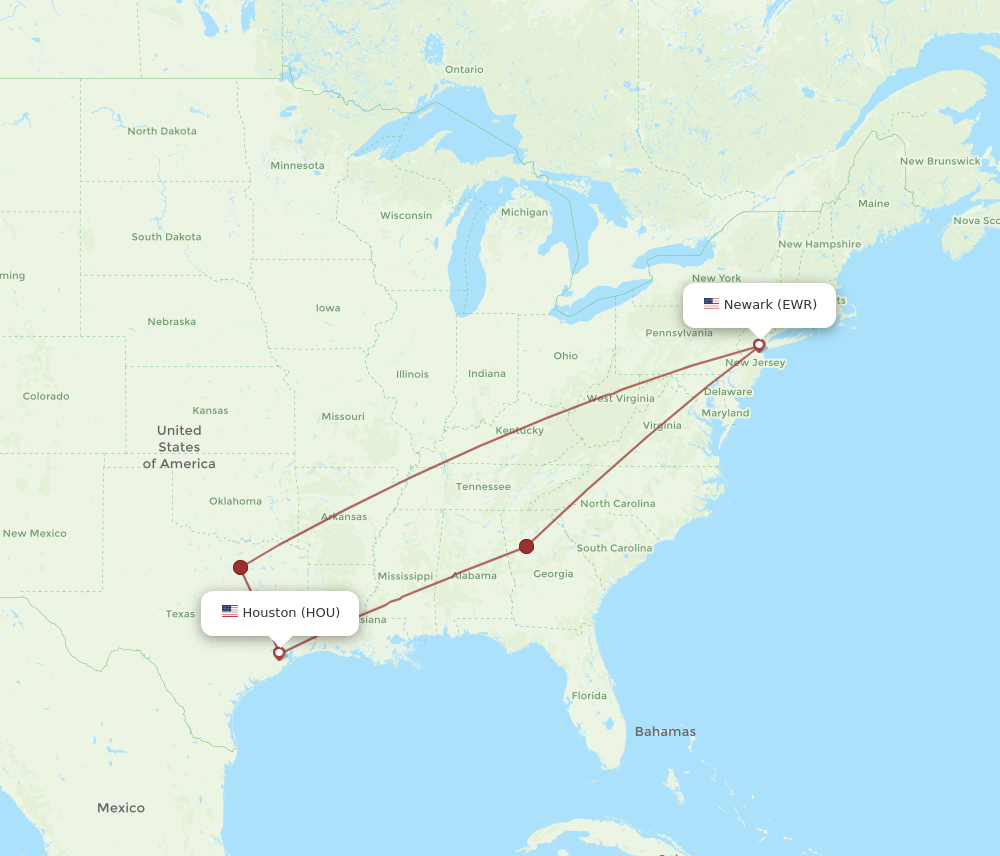
On average, a direct flight from Houston George Bush Intercontinental Airport (IAH) or Houston William P. Hobby Airport (HOU) to one of New York City’s major airports, such as John F. Kennedy International Airport (JFK), LaGuardia Airport (LGA), or Newark Liberty International Airport (EWR), hovers around 3 hours and 30 minutes to 4 hours. This duration is a benchmark, a solid estimate for a smooth, uninterrupted journey.
Factors Influencing Direct Flight Times
While the distance remains constant, several subtle factors can nudge the actual flight time slightly.
- Tailwinds and Headwinds: The most significant variable influencing flight duration is the presence and strength of tailwinds or headwinds. Flying east, a common direction for flights from Houston to New York City, often means benefiting from prevailing westerly winds. These tailwinds can effectively “push” the aircraft forward, reducing travel time. Conversely, strong headwinds can add precious minutes to the journey. Air traffic control also plays a role; sometimes, planes are routed to take advantage of favorable winds.
- Aircraft Type and Speed: Different aircraft models have varying cruising speeds. A newer, more aerodynamic jet might shave a few minutes off the flight compared to an older model. While this is a minor factor for the average traveler, it’s a consideration for airlines optimizing their schedules.
- Air Traffic Control and Routing: The skies are a complex network of air traffic. While airlines aim for the most direct routes, air traffic control may occasionally direct planes along slightly longer paths to manage congestion, ensure safe separation between aircraft, or avoid weather systems. This is particularly relevant around busy airspace like that surrounding New York City.
- Taxiing Time: While not strictly “flight” time, the duration spent taxiing on the runway before takeoff and after landing at both Houston and New York can add to the overall door-to-door travel experience. These times can fluctuate based on airport traffic and gate availability.
The Impact of Connecting Flights
For many travelers, direct flights are not always the most economical or convenient option. Connecting flights, while adding significant time to the journey, can sometimes offer cost savings or more flexible departure and arrival times.
Extended Travel Durations with Layover
When a connecting flight is involved, the total travel time increases considerably. The “flight time” in this scenario is not just the time spent in the air but also the duration of the layover at the connecting airport. A typical connection might add anywhere from 2 to 6 hours, or even more, to the total travel time.
Strategic Layover Choices

The choice of a layover city can significantly influence the overall travel time. Popular connecting hubs for flights between Texas and the Northeast might include cities like Atlanta, Chicago, or Charlotte. The length of the layover is a critical factor. A short, tight connection can be stressful, while an excessively long layover can turn a simple trip into a mini-expedition.
- Short Connections: These are flights where the time between landing and the next departure is minimized. While they can reduce overall travel time, they carry a higher risk of missing the connecting flight due to delays in the first leg or the need to navigate a large airport quickly.
- Longer Connections: These provide ample time to deplane, find the next gate, and even grab a meal or do some last-minute souvenir shopping. However, they substantially extend the total duration of the trip.
- Multi-Stop Itineraries: Some travelers opt for itineraries with multiple stops, perhaps to visit friends or family in another city en route. These journeys can extend the travel time to well over 12 or even 24 hours, transforming the flight into an adventure spanning multiple days.
When considering connecting flights, it’s essential to look at the “total travel time” provided by airlines, which includes both flight segments and the layover. This figure is a more accurate representation of how long you will be in transit.
Optimizing Your Travel Time and Experience
While you cannot directly control the weather or air traffic, there are several strategies you can employ to optimize your travel time and ensure a smoother experience when flying from Houston to New York City.
Choosing the Right Airport and Airline
Both Houston and New York City boast multiple major airports, and the choice can impact your flight duration and overall travel.
- Houston Airports: IAH is the larger of the two and handles more international and long-haul flights, often with a wider selection of direct flights to major cities. HOU is a smaller, more convenient airport, often favored by budget airlines and domestic carriers, which might offer more competitive pricing for flights to the Northeast.
- New York City Airports: JFK is the largest and a major international gateway, often featuring the most direct flight options from Houston. LGA is closer to Manhattan and popular for domestic routes, but it can be prone to weather-related delays due to its more confined airspace. EWR, located in New Jersey, serves as another major hub for the region and is well-connected to the city.
The airline you choose can also matter. Major carriers often have more sophisticated routing systems and a larger fleet, potentially leading to more reliable schedules and fewer delays. Loyalty programs can also offer perks that enhance the travel experience, such as priority boarding or lounge access, which can make the most of any downtime.
Utilizing Flight Tracking Tools
In today’s digital age, there are numerous resources available to help you stay informed about your flight’s status. Flight tracking websites and mobile applications provide real-time updates on departures, arrivals, and potential delays. Using these tools allows you to adjust your schedule accordingly, whether it’s knowing when to leave for the airport or making informed decisions about a connecting flight. This proactive approach can significantly reduce stress and minimize the impact of unexpected disruptions.
Preparing for Arrival in New York City
Once your flight touches down in the New York City area, the journey is not entirely complete. The time it takes to deplane, navigate the airport, collect luggage, and then travel from the airport to your final destination can add a considerable amount of time.
- Airport to City Travel: The travel time from JFK, LGA, or EWR to various parts of New York City can vary greatly. Options include taxis, ride-sharing services, AirTrain, subway, and bus services. Depending on traffic and the specific destination within the city, this can range from 30 minutes to over an hour and a half. For instance, reaching Times Square from JFK via public transport can take around 75-90 minutes, while a taxi might be quicker in light traffic but could be significantly slower during peak hours.
- Luggage Claim: If you’ve checked luggage, factor in the time it takes for bags to arrive at the carousel. This can range from 15 to 45 minutes or more, depending on the airport’s efficiency and the number of flights arriving simultaneously.
By carefully considering all these elements, from the initial takeoff to the final arrival at your accommodation, you can build a comprehensive understanding of the entire travel process from Houston to the vibrant heart of New York City.
LifeOutOfTheBox is a participant in the Amazon Services LLC Associates Program, an affiliate advertising program designed to provide a means for sites to earn advertising fees by advertising and linking to Amazon.com. Amazon, the Amazon logo, AmazonSupply, and the AmazonSupply logo are trademarks of Amazon.com, Inc. or its affiliates. As an Amazon Associate we earn affiliate commissions from qualifying purchases.