
The allure of Tokyo, a vibrant metropolis where ancient traditions seamlessly blend with futuristic innovation, is undeniable. For many travelers embarking on a journey from New York, one of the most pressing logistical questions is: “How long is the flight from New York to Tokyo?” This query, while seemingly straightforward, opens a portal to understanding the complexities of transpacific travel, the operational nuances of aviation, and the vital role of time zones in shaping our perception of distance. Delving into this, we uncover not just flight durations but also the factors that influence them and what to expect during this significant journey.
Understanding Flight Durations: Direct vs. Connecting Flights
The primary distinction in determining flight duration between New York and Tokyo lies in whether one opts for a direct flight or a journey with one or more layovers. Each presents a different experience, catering to varying traveler preferences and budgets.
The Direct Flight Experience
Direct flights, often referred to as non-stop flights, are the most efficient way to traverse the vast expanse between the East Coast of the United States and the heart of Japan. These flights bypass the need for passengers to disembark and re-board aircraft at intermediate airports, significantly reducing overall travel time. For the New York to Tokyo route, direct flights are typically operated by major international carriers such as Japan Airlines (JAL), All Nippon Airways (ANA), and sometimes United Airlines or American Airlines.
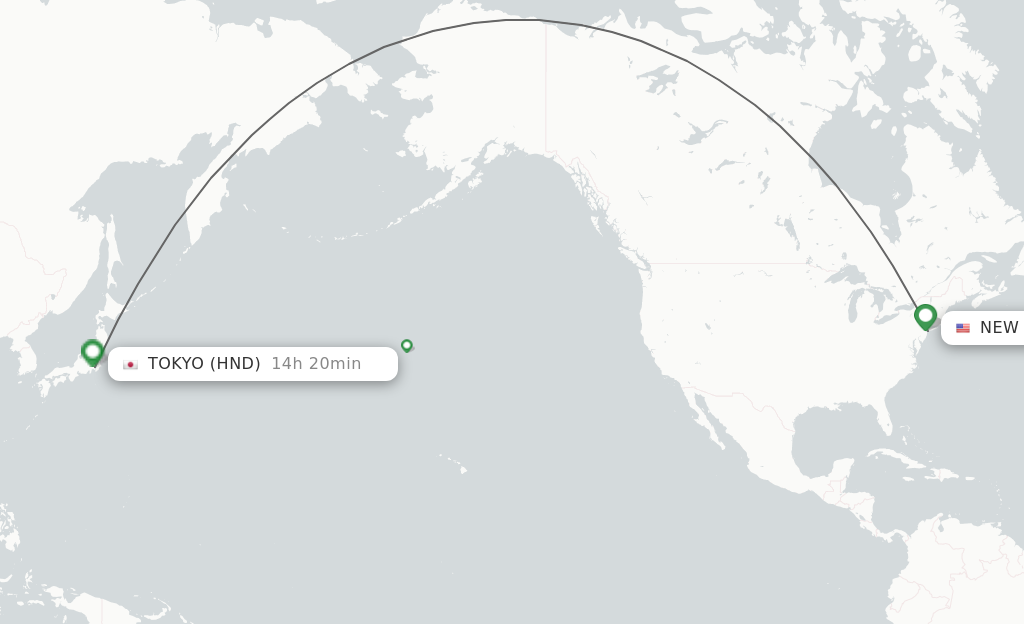
The average flight time for a non-stop journey from New York (often departing from John F. Kennedy International Airport or Newark Liberty International Airport) to Tokyo (typically arriving at Narita International Airport or Haneda Airport) is approximately 13 to 15 hours. This duration can fluctuate slightly based on several contributing factors, including the specific aircraft model, prevailing wind conditions, and the exact flight path taken. While seemingly long, this is the most time-economical option for reaching Japan.
The Impact of Connecting Flights
Connecting flights, also known as flights with layovers or stopovers, involve a scheduled stop at an intermediate airport where passengers may need to change planes. This option is frequently chosen by travelers seeking lower fares or wishing to break up an exceptionally long journey. However, it invariably increases the total travel time.
The duration of a connecting flight from New York to Tokyo can vary dramatically. The total elapsed time is a sum of the flight segments and the layover duration. A typical connecting flight might involve a stop in cities like Vancouver, Seattle, San Francisco, or even further afield in Chicago or European hubs if traveling with certain airlines. The layover itself can range from a brief 1.5 hours to an extended several hours, or even an overnight stop. Consequently, the total travel time for a connecting flight can extend from 17 hours to upwards of 25 hours, sometimes even more, depending on the efficiency of the connection and the waiting period. This makes it a significantly longer commitment but can offer a more relaxed pace or cost savings.
Factors Influencing Flight Time
Several variables contribute to the precise duration of a flight between New York and Tokyo. Understanding these elements provides a more nuanced perspective on the journey.
Jet Streams and Wind Patterns
The Earth’s atmosphere is characterized by powerful air currents known as jet streams, which flow at high altitudes. These invisible rivers of air can significantly impact flight times. Traveling eastbound from New York to Tokyo, aircraft often benefit from the prevailing westerly jet stream, which can accelerate their progress and shorten flight durations. Conversely, the return journey from Tokyo to New York may encounter headwinds from the jet stream, necessitating a slightly longer flight time. Pilots and airlines constantly monitor these wind patterns to optimize flight paths for efficiency and fuel economy.
Aircraft Type and Speed
The specific aircraft model used for the flight plays a role in its speed and, therefore, its duration. Modern wide-body jets, such as the Boeing 777 or Boeing 787 Dreamliner, are designed for long-haul efficiency and can maintain high cruising speeds. While aircraft speeds are generally standardized, subtle differences in cruising altitudes and speeds can lead to minor variations in arrival times. Airlines select aircraft based on route demand, fuel efficiency, and passenger capacity, all of which indirectly influence the flight duration.

Flight Path Optimization
While the great-circle route (the shortest distance between two points on a sphere) is the theoretical basis for flight paths, actual routes are influenced by air traffic control, weather phenomena, and designated airways. Airlines and air traffic management systems work in tandem to plot the most efficient and safest course. This may involve minor deviations to avoid turbulent weather or to take advantage of favorable tailwinds. Therefore, the “straight line” distance is not always the exact path flown, and these adjustments can marginally affect flight time.
Navigating Time Zones: The Illusion of Time
One of the most disorienting aspects of transpacific travel is the significant time zone difference between New York and Tokyo. New York observes Eastern Time (ET), which is typically UTC-5 during standard time and UTC-4 during daylight saving time. Tokyo, on the other hand, operates on Japan Standard Time (JST), which is UTC+9. This means there is a substantial leap forward of approximately 13 to 14 hours when traveling from New York to Tokyo.
The Effect of Time Difference on Perceived Duration
This substantial time zone shift can create an interesting paradox. While a direct flight may be around 14 hours long, upon arrival in Tokyo, travelers will find themselves nearly a full day ahead of their departure time. For instance, a flight departing New York on a Monday evening might arrive in Tokyo on a Wednesday morning. This phenomenon is crucial for travelers to comprehend when planning their itineraries and understanding the practicalities of their trip. It also contributes to jet lag, as the body’s internal clock struggles to adjust to the abrupt shift in daylight and activity cycles.
Arrival Times and Planning
Understanding the flight duration in conjunction with the time zone difference is paramount for effective travel planning. When booking flights, airlines typically display arrival times in local Tokyo time. It is advisable to always check both the scheduled departure and arrival times, as well as the total travel duration, especially when considering connecting flights. This foreknowledge allows for better arrangements for airport transfers, hotel check-ins, and initial exploration of the magnificent city of Tokyo.
Preparing for Your Long-Haul Journey
A flight from New York to Tokyo is a significant commitment, and proper preparation can transform it from a grueling ordeal into a manageable experience.
In-Flight Comfort and Entertainment
To make the 13-15 hours (or more) of flight time more bearable, consider what will enhance your comfort and entertainment. Most international carriers on this route offer a range of in-flight amenities. These typically include personal entertainment systems with a wide selection of movies, TV shows, music, and games. Many also provide complimentary meals and beverages, though the quality can vary. Bringing your own neck pillow, noise-canceling headphones, a comfortable blanket, and reading material can also greatly improve your experience. Staying hydrated by drinking plenty of water and avoiding excessive alcohol or caffeine is also recommended.
Combating Jet Lag
The significant time difference is the primary culprit for jet lag. To mitigate its effects, it is helpful to begin adjusting your sleep schedule a few days before departure. Once onboard, try to sleep during the times you would normally sleep in Tokyo. Upon arrival, expose yourself to natural daylight and try to stay awake until a reasonable local bedtime. Activities like a brisk walk in the Imperial Palace East Garden or a visit to the bustling Shibuya Crossing can help you acclimate to the new time zone.
Essential Travel Documents and Customs
Ensure all your travel documents are in order well in advance of your flight. This includes a valid passport, and if required, a visa for entry into Japan. Familiarize yourself with Japan’s customs regulations regarding prohibited items and declarations. Many airlines offer online check-in, which can save time at the airport. Preparing for your arrival by researching transportation options from the airport to your accommodation, such as the Narita Express train or Limousine Bus service, will make your transition into Tokyo smoother.
The flight from New York to Tokyo is a journey of considerable length, typically ranging from 13 to 15 hours for direct flights. This considerable duration, coupled with the substantial time zone difference, makes it one of the more demanding international travel routes. However, with careful planning, an understanding of the factors influencing flight times, and strategies to manage the journey and its aftermath, this transpacific adventure can be an exciting prelude to the wonders that await in the captivating city of Tokyo.
LifeOutOfTheBox is a participant in the Amazon Services LLC Associates Program, an affiliate advertising program designed to provide a means for sites to earn advertising fees by advertising and linking to Amazon.com. Amazon, the Amazon logo, AmazonSupply, and the AmazonSupply logo are trademarks of Amazon.com, Inc. or its affiliates. As an Amazon Associate we earn affiliate commissions from qualifying purchases.