
The allure of crossing the Atlantic, from the romantic boulevards of Paris to the vibrant energy of New York City, is a dream for many travelers. This transatlantic journey, steeped in history and cultural significance, is a staple for both leisure and business trips. While the destination is clear, a common and crucial question for planning purposes is: “How long is the flight from Paris to New York?” The answer, however, is not as simple as a single number. Various factors contribute to the flight duration, transforming a potentially straightforward query into an exploration of aviation logistics and passenger experience.
Understanding the Factors Influencing Flight Duration
The time it takes to fly from Paris to New York is a dynamic calculation, influenced by a confluence of elements ranging from the aerodynamic principles of flight to the operational decisions of airlines. To truly grasp the “how long” of this journey, one must delve into the variables that shape its duration.
The Role of Jet Streams and Wind Patterns
Perhaps the most significant, yet often overlooked, factor in determining flight time across the Atlantic is the influence of jet streams. These high-altitude currents of air can act as a tailwind or a headwind for aircraft.
Tailwinds and Headwinds Explained
When an aircraft encounters a jet stream blowing in the same direction as its flight path, it experiences a significant tailwind. This “push” from the wind effectively increases the aircraft’s ground speed, thus shortening the flight duration. Conversely, flying against a jet stream, known as a headwind, forces the aircraft to work harder to maintain its airspeed, leading to an extended flight time. The strength and direction of these jet streams can vary daily and seasonally, making direct flight duration a fluid concept. For instance, a flight heading east (from New York to Paris) often benefits from the prevailing westerly jet streams, typically resulting in a shorter flight than its westward counterpart.
Seasonal Variations and Their Impact
The intensity and position of jet streams are not static. They shift with the seasons. During winter months, jet streams tend to be stronger and located further south, which can have a more pronounced effect on transatlantic flights. Conversely, summer often brings weaker jet streams. This seasonal variability means that a flight booked in December might have a different expected duration than an identical flight booked in July, even if all other factors remain constant. Airlines monitor these patterns closely to optimize flight paths and schedules, but the inherent variability remains a key determinant of the actual time in the air.
Aircraft Type and Speed Capabilities
The modern aviation industry boasts a diverse fleet of aircraft, each with its own operational characteristics, including cruising speed. The specific model of airplane used for a Paris to New York route will inherently influence the flight duration.
Comparing Commercial Aircraft Models
Different aircraft are designed for varying ranges and efficiencies. For instance, wide-body aircraft like the Boeing 777 or Airbus A350 are common on long-haul routes like this one. While these are all capable of high speeds, subtle differences in their maximum cruising speeds and their optimal cruising altitudes can translate into minutes, or even tens of minutes, difference in flight time. Airlines select aircraft based on passenger demand, route profitability, and fuel efficiency, so the type of plane can be a contributing factor to the flight duration.
The Impact of Cruising Altitude and Air Density
The cruising altitude at which an aircraft flies also plays a role. Higher altitudes generally offer thinner air, which reduces drag and allows for greater fuel efficiency and potentially higher speeds. However, aircraft are designed to operate most efficiently within a specific altitude range. The air density at these altitudes affects how the engines perform and how much lift the wings generate. While the impact is nuanced, the chosen cruising altitude, dictated by factors like air traffic control, weather conditions, and aircraft performance, is a component of the overall flight plan that influences the time it takes to cover the distance.
The Typical Flight Time: A General Overview
While precise durations can fluctuate, understanding the general range of flight times provides a practical benchmark for travelers planning their itinerary. This allows for more effective scheduling of airport transfers, pre-flight activities, and post-arrival arrangements in both Paris and New York.
Direct Flights: The Standard Experience
For most travelers, the question of flight duration pertains to non-stop services. These direct flights offer the most convenient and time-efficient way to traverse the Atlantic.
Average Duration of a Westbound Flight (Paris to New York)
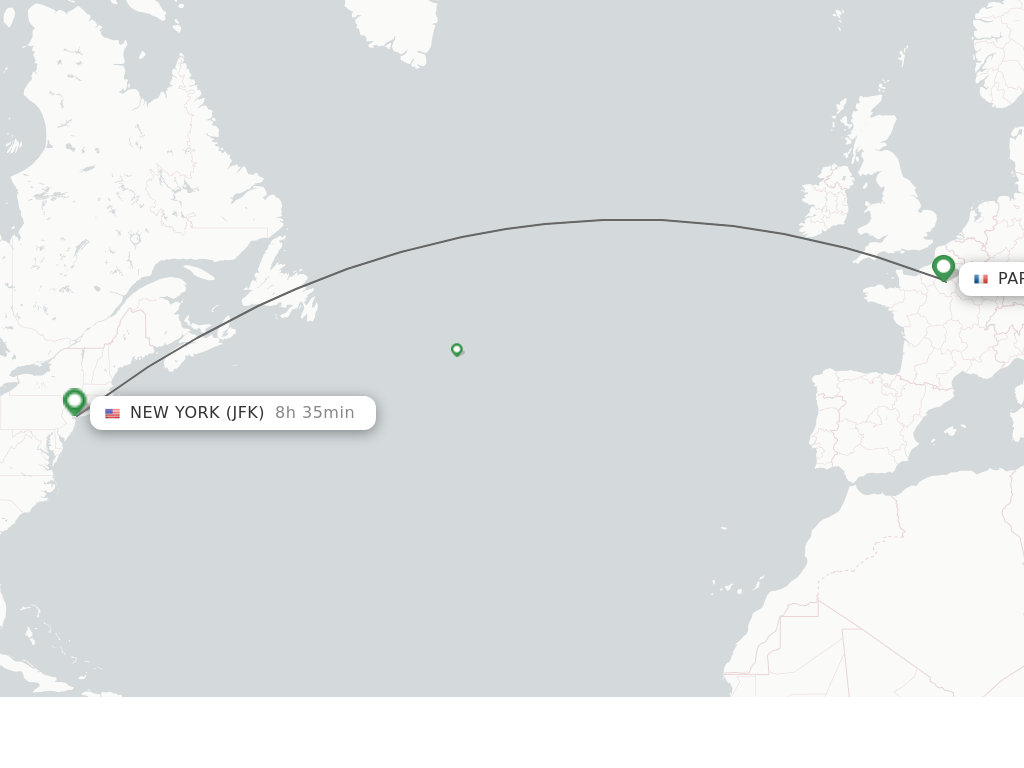
Flights traveling from Paris to New York (westbound) typically face headwinds from the jet stream, which are more prevalent and stronger in this direction. As a result, the average flight time for a direct flight from Paris to New York is generally between 7.5 to 8.5 hours. This is the figure most often quoted and represents the expected time spent in the air, from takeoff to touchdown.
Average Duration of an Eastbound Flight (New York to Paris)
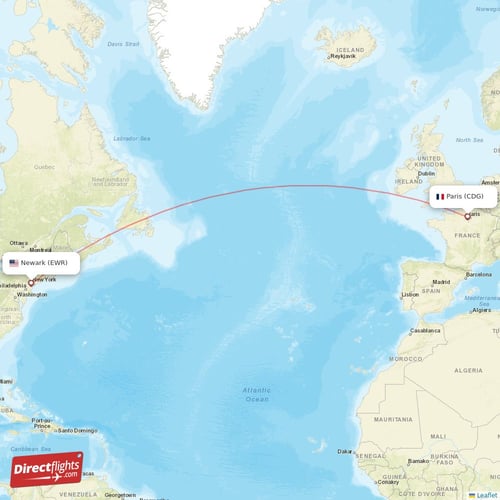
Conversely, flights from New York to Paris (eastbound) often benefit from the prevailing westerly jet streams, acting as a tailwind. This tailwind significantly reduces the flight time. Consequently, the average flight duration for an eastbound flight from New York to Paris is typically shorter, ranging from 6.5 to 7.5 hours. This difference of an hour or more highlights the powerful influence of atmospheric conditions on flight times.
Connecting Flights: Added Time and Considerations
While direct flights are preferred for speed, connecting flights are sometimes a more economical or available option. These journeys, however, invariably add substantial time to the overall travel experience.
How Layover Times Extend the Journey
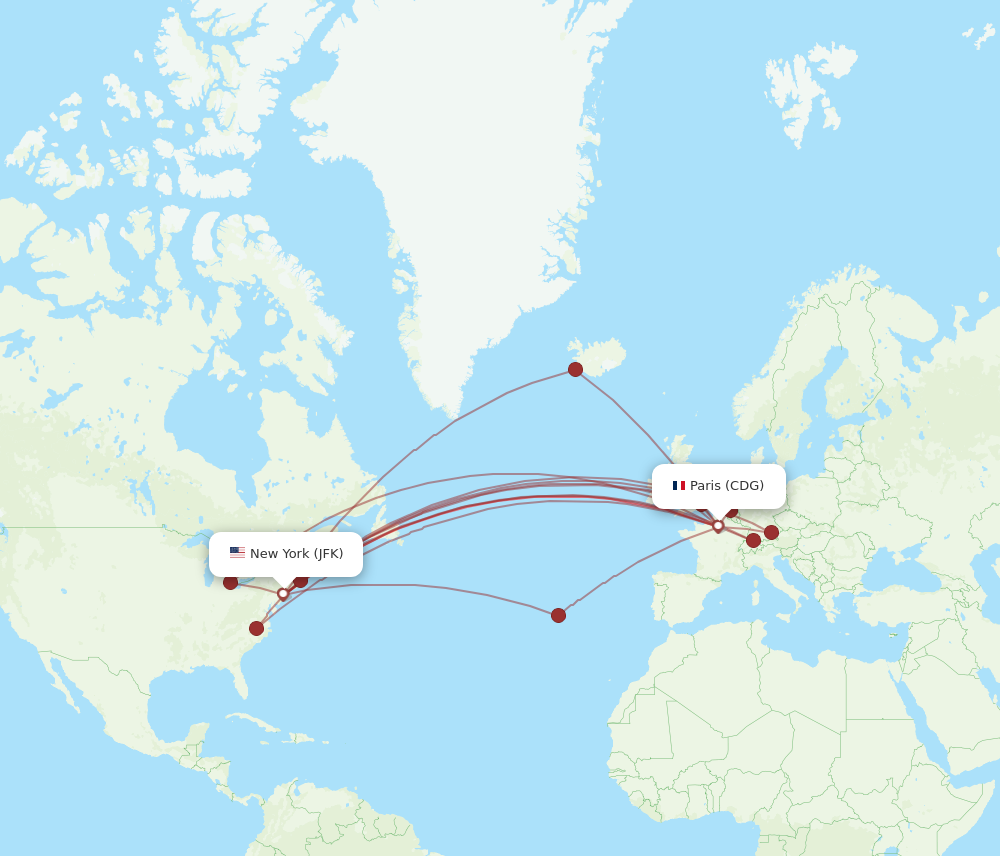
A connecting flight involves at least one stopover at an intermediate airport, often in another European city or sometimes in Iceland. The duration of the layover itself can vary dramatically, from a brief hour to several hours. This layover time must be added to the flight segments to calculate the total door-to-door travel time.
Factors Affecting Total Travel Time with Connections
Beyond the layover duration, other factors can extend the total travel time of a connecting flight. These include the time spent disembarking from the first flight, navigating the connecting airport, potential delays in boarding the second flight, and the time it takes for baggage to be transferred. Therefore, a trip with a connection can easily extend a journey that would have taken 7-8 hours non-stop to 10-12 hours or even longer. It’s crucial for travelers to factor in these additional hours when considering connecting flights, especially when making onward travel arrangements upon arrival.
Optimizing Your Travel Time and Experience
While you cannot control the jet stream, understanding the nuances of flight duration allows for more informed planning, potentially saving time and reducing stress. Making strategic choices can enhance your overall travel experience.
Choosing the Right Flight: Direct vs. Connecting
The decision between a direct and a connecting flight is often a trade-off between cost and time.
Cost-Effectiveness vs. Time Efficiency
Direct flights, while generally more expensive, offer the unparalleled advantage of speed and convenience. They eliminate the possibility of missed connections and reduce the overall travel time significantly. Connecting flights can often be found at lower price points, making them an attractive option for budget-conscious travelers. However, the savings may be negated by the additional hours spent in transit, the potential for travel disruption due to delays, and the added fatigue. For business travelers with tight schedules or vacationers eager to maximize their time at the destination, the premium for a direct flight is often well worth it.
Strategic Booking for Shorter Flights
When booking, always pay attention to the scheduled departure and arrival times, which inherently reflect the airline’s estimated flight duration based on current conditions and aircraft. Some booking platforms may even display estimated flight durations or indicate if a flight is expected to be shorter or longer than average. While these are estimates, they can offer a preliminary indication. Researching historical flight data for specific routes and airlines can also provide insights, although this is more involved. Ultimately, prioritizing direct flights is the most straightforward method for minimizing your time in the air.
Preparing for Your Transatlantic Journey
Once your flight is booked, preparation becomes key to ensuring a smooth and efficient journey, regardless of the exact flight duration.
Efficient Airport Procedures
Arriving at the airport well in advance is crucial, especially for international flights. This allows ample time for check-in, security screening, and potential delays. For flights from Paris Charles de Gaulle Airport (CDG) or Paris Orly Airport (ORY) to John F. Kennedy International Airport (JFK), Newark Liberty International Airport (EWR), or LaGuardia Airport (LGA), understanding the airline’s check-in deadlines and recommended arrival times is vital. Utilizing online check-in and mobile boarding passes can streamline the process.
Managing Jet Lag and Comfort
The significant time difference between Paris and New York necessitates strategies for managing jet lag. Adjusting your sleep schedule gradually before departure can help. During the flight, staying hydrated, avoiding excessive alcohol and caffeine, and attempting to sleep according to the destination’s time zone are beneficial. Comfortable clothing, noise-canceling headphones, and a good neck pillow can significantly enhance your comfort during the hours spent in the air, making the flight duration feel less burdensome. By proactively managing these aspects, you can arrive at your destination feeling more refreshed and ready to explore.
LifeOutOfTheBox is a participant in the Amazon Services LLC Associates Program, an affiliate advertising program designed to provide a means for sites to earn advertising fees by advertising and linking to Amazon.com. Amazon, the Amazon logo, AmazonSupply, and the AmazonSupply logo are trademarks of Amazon.com, Inc. or its affiliates. As an Amazon Associate we earn affiliate commissions from qualifying purchases.