
The journey from the bustling metropolis of New York to the emerald isle of Ireland is a classic transatlantic voyage, a bridge between two worlds rich in history, culture, and breathtaking landscapes. For many, the immediate question upon considering this trip is not if they should go, but how long it will take to get there. Understanding flight durations is crucial for effective travel planning, allowing you to manage expectations, book appropriate accommodations, and even consider the best time of day for your departure and arrival.
While the Earth’s curvature and the vastness of the Atlantic Ocean play their roles, the duration of a flight from New York to Ireland is generally consistent, with variations primarily dictated by the specific route, aircraft type, and prevailing wind conditions. This guide delves into the typical flight times, the factors influencing them, and what you can expect as you embark on this exciting adventure.
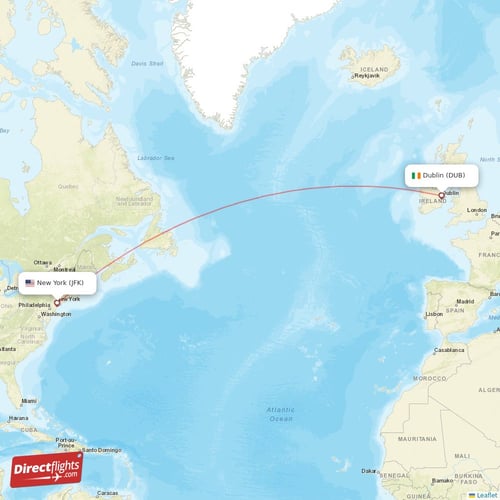
Understanding Transatlantic Flight Durations
The distance between New York and major Irish gateways like Dublin is substantial, necessitating a flight of several hours. Unlike short-haul flights where precision is often measured in minutes, transatlantic journeys involve a more complex interplay of variables that can subtly alter the overall travel time.
Typical Flight Times to Dublin
The most common point of entry into Ireland from New York is Dublin Airport (DUB). Direct flights from the major New York airports – John F. Kennedy International Airport (JFK), Newark Liberty International Airport (EWR), and sometimes LaGuardia Airport (LGA) – are plentiful and operated by a range of airlines.
On average, a direct flight from New York to Dublin typically ranges from 6 hours to 7 hours and 30 minutes. This is the “wheels up” to “wheels down” time, not including time spent taxiing on the runway before takeoff or after landing.
- Westbound vs. Eastbound Flights: It’s important to note the direction of travel. Flights from New York to Ireland benefit from the prevailing jet stream, a high-altitude air current that flows from west to east. This powerful wind significantly speeds up eastbound journeys. Conversely, flights heading west from Ireland to New York will encounter headwinds, making the return journey typically longer, often ranging from 7 hours to 8 hours and 30 minutes.
- Airline Variations: While the general range holds true, individual airlines might have slightly different flight paths or schedules that can affect the exact duration. For instance, some airlines might prioritize fuel efficiency, while others might aim for the quickest possible arrival.
Flights to Other Irish Airports
While Dublin is the most frequent destination, direct flights from New York to other Irish cities are less common, though they do exist, particularly seasonally or with specific carriers.
- Shannon Airport (SNN): Shannon Airport in County Clare is another international gateway. Flights from New York to Shannon are generally slightly shorter than to Dublin, often falling within the 6-hour to 7-hour range. This is due to its more westerly location, which can sometimes be more advantageous depending on wind patterns.
- Cork Airport (ORK): Direct flights to Cork Airport from New York are rare. If available, the flight time would be comparable to or slightly longer than a flight to Dublin, due to Cork‘s more southerly position. Most travelers heading to the south of Ireland will typically fly into Dublin and then take a domestic flight, train, or bus.
Factors Influencing Flight Duration
The seemingly simple question of “how long is the flight” opens up a world of fascinating aviation and meteorological dynamics. Several key factors contribute to the variation in flight times across different journeys and even on the same route at different times.
The Power of the Jet Stream
As mentioned, the jet stream is a critical determinant of transatlantic flight times. This powerful ribbon of air, flowing at high altitudes, can dramatically impact aircraft speed.
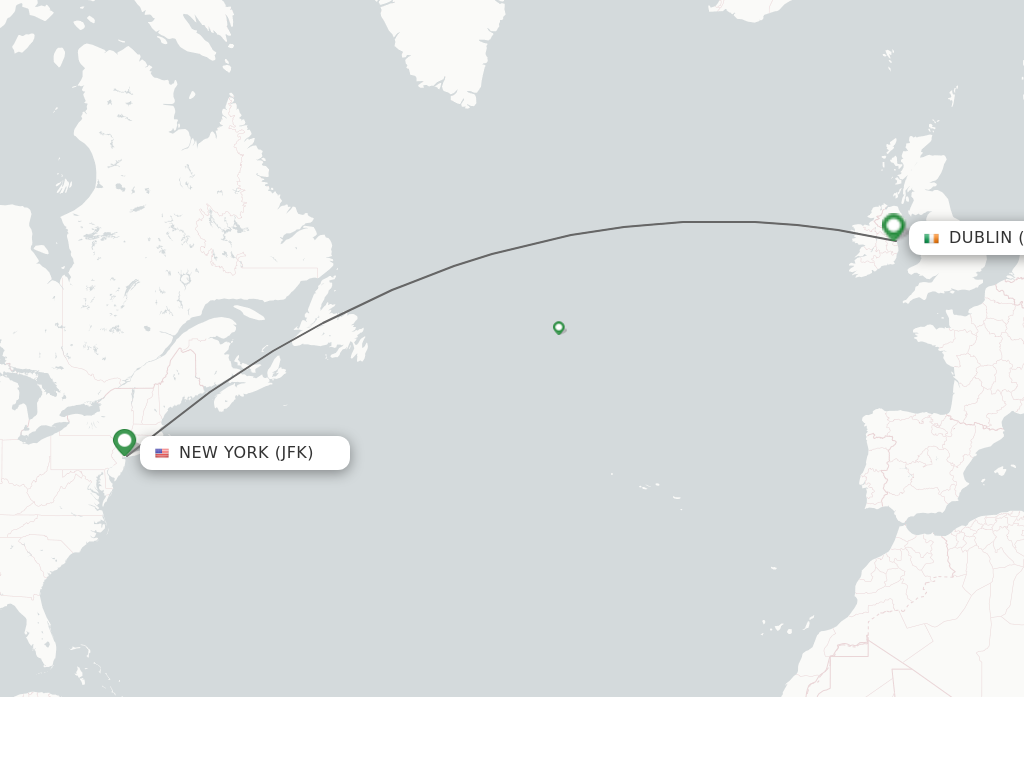
- Tailwinds: When an aircraft flies with the jet stream, it receives a significant “push,” effectively increasing its ground speed and reducing flight time. This is the primary reason why eastbound flights from New York to Ireland are consistently shorter. Pilots actively seek out the strongest parts of the jet stream to maximize this advantage.
- Headwinds: Conversely, flying against the jet stream, as is often the case on westbound flights, creates headwinds. These winds act as a brake, slowing the aircraft’s progress over the ground and extending the flight duration. Pilots will often try to find routes that minimize exposure to strong headwinds, even if it means a slightly longer overall path. The intensity of the jet stream varies seasonally and day-to-day, contributing to the fluctuations in flight times.
Aircraft Type and Performance
The specific aircraft used for a transatlantic flight can also play a role, albeit a less significant one than wind conditions.
- Speed Capabilities: Different aircraft models have varying cruising speeds. Newer, more technologically advanced planes, such as the Boeing 787 Dreamliner or the Airbus A350, are generally designed for greater fuel efficiency and can fly at slightly higher cruising speeds than older models.
- Aerodynamics and Efficiency: Modern aircraft are engineered with advanced aerodynamics that can optimize performance for long-haul flights, potentially shaving off a few minutes here and there. However, the impact of these improvements is often dwarfed by the influence of the jet stream.
Flight Path and Air Traffic Control
While airlines aim for the most direct and efficient routes, flight paths are not always perfectly straight lines.
- Navigational Considerations: Air traffic control (ATC) plays a vital role in managing the skies, especially over busy oceanic routes. To ensure safety and prevent congestion, aircraft may be directed along specific, sometimes indirect, airways. This can add distance and, consequently, time to the flight.
- Weather Avoidance: Pilots may also deviate from the most direct path to avoid severe weather systems, such as thunderstorms or turbulence. While safety is paramount, these diversions can extend flight times.
- Optimized Routing: Airlines use sophisticated flight planning software to determine the optimal route that balances speed, fuel consumption, and adherence to ATC instructions. This ongoing optimization can lead to minor variations in flight path and duration.
Planning Your Arrival and Beyond
Knowing the typical flight duration is the first step in planning your arrival in Ireland. This knowledge helps in booking onward travel, making dinner reservations, or simply mentally preparing for your first day on the island.
Time Zone Differences and Jet Lag
Ireland observes Irish Standard Time (IST), which is five hours ahead of Eastern Standard Time (EST) in New York. During daylight saving periods, the difference can be four hours ahead of Eastern Daylight Time (EDT). This significant time difference, combined with the flight itself, is the primary cause of jet lag.
- Managing Jet Lag: To mitigate jet lag, it is advisable to adjust your sleep schedule in the days leading up to your departure, stay hydrated during the flight, and expose yourself to natural light upon arrival in Ireland. Booking an earlier flight can allow you to arrive during daylight hours, which aids in resetting your body clock.
- Arrival Times: Consider your arrival time in Dublin (or other airports). Early morning arrivals are common, meaning you might have a full day ahead of you, but also potentially facing the most significant jet lag effects. Afternoon or evening arrivals can allow for a more relaxed transition, with your first full day commencing after a night’s sleep.
Connecting Flights and Layover Times
While direct flights are the most convenient, many travelers opt for flights with one or more layovers, often in major European hubs like London, Amsterdam, or Paris.
- Total Travel Time: If your journey involves layovers, the total travel time can increase significantly. A common scenario might involve a 6-7 hour flight to a European city, followed by a 1-2 hour layover, and then another 1-2 hour flight to Ireland. This can easily push the total journey to 9-12 hours or more.
- Choosing Layover Airports: When selecting flights with layovers, consider the efficiency of the connecting airport. Some airports, like Amsterdam Schiphol Airport, are renowned for smooth and quick connections, while others might be more prone to delays.
By understanding the typical flight durations and the factors that influence them, you can make more informed decisions when booking your trip to the captivating landscapes and rich culture of Ireland. The journey itself is part of the adventure, and a well-planned flight is the first step towards an unforgettable experience.
LifeOutOfTheBox is a participant in the Amazon Services LLC Associates Program, an affiliate advertising program designed to provide a means for sites to earn advertising fees by advertising and linking to Amazon.com. Amazon, the Amazon logo, AmazonSupply, and the AmazonSupply logo are trademarks of Amazon.com, Inc. or its affiliates. As an Amazon Associate we earn affiliate commissions from qualifying purchases.