
Embarking on a journey from the bustling metropolis of New York to the enchanting landscapes and rich history of Italy is a dream for many. While the allure of ancient ruins, world-class cuisine, and breathtaking vistas is undeniable, one of the most practical considerations for any traveler is the duration of the flight. Understanding the flight time is crucial for planning your itinerary, packing, and managing expectations for your transatlantic adventure. This comprehensive guide will delve into the factors influencing flight length and provide realistic estimates for your trip to the Bel Paese.
Direct vs. Connecting Flights: The Primary Determinants of Flight Duration
The most significant factor influencing the total travel time from New York to Italy is whether you opt for a direct flight or one with one or more layovers. While direct flights offer the ultimate convenience and speed, connecting flights, though often more economical, inevitably add considerable time to your journey.
The Efficiency of Non-Stop Travel
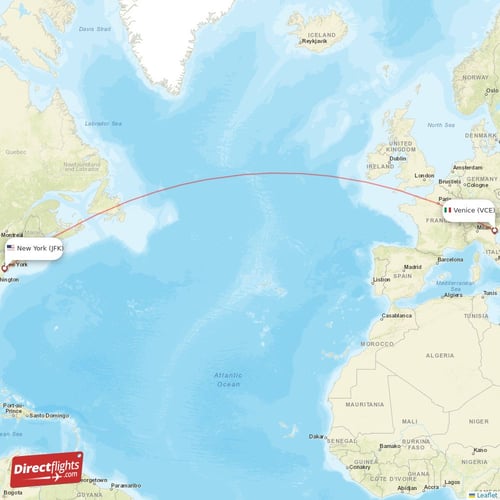
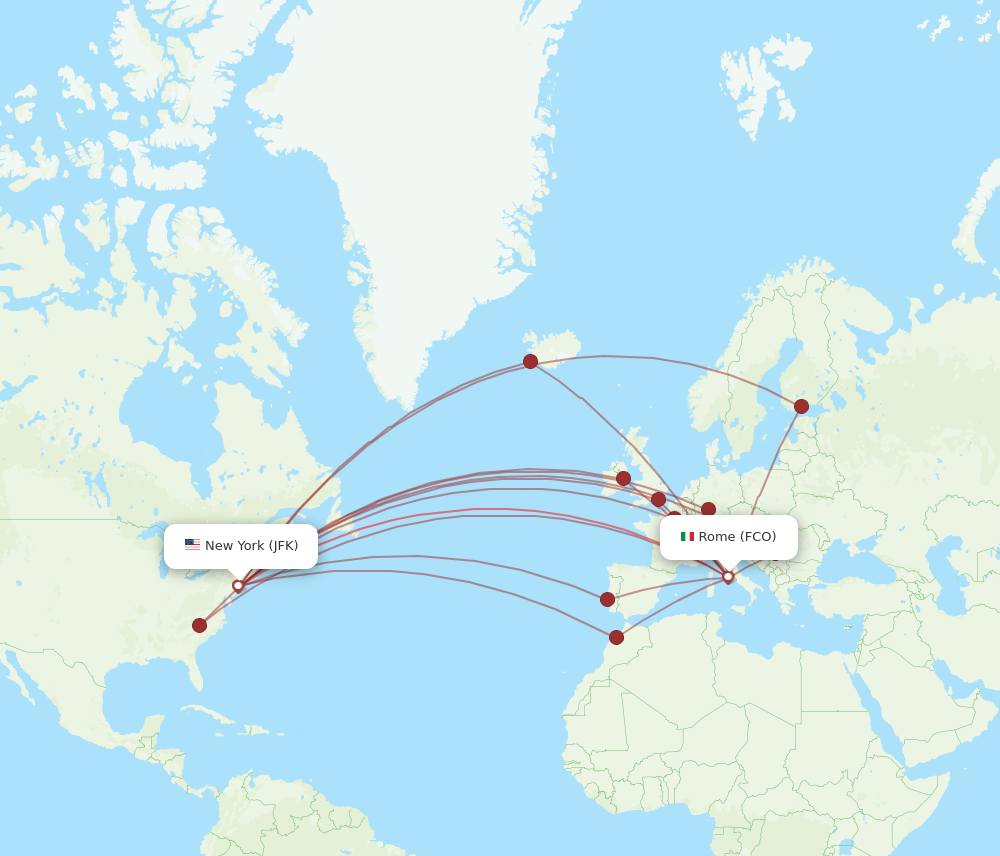
Direct flights between New York and Italy are operated by a number of major airlines, offering a streamlined experience for travelers. These flights traverse the Atlantic Ocean without any scheduled stops, meaning your only stops will be for passport control and baggage claim upon arrival. The average flight time for a direct service typically ranges from 7.5 to 8.5 hours. This duration can fluctuate slightly based on the specific route, the aircraft type, and prevailing wind conditions. For instance, a flight landing in northern Italy like Milan or Venice might be marginally shorter than one heading further south to Rome or Naples. Airlines like Delta Air Lines, American Airlines, and United Airlines frequently offer non-stop services from New York’s major airports, such as John F. Kennedy International Airport (JFK), Newark Liberty International Airport (EWR), and LaGuardia Airport (LGA) to key Italian gateways.
The Extended Journey of Connecting Flights
Connecting flights, while potentially saving on airfare, significantly extend the overall travel time. The length of a connecting flight is not solely determined by the flight segments themselves but also by the duration of the layover. These layovers can range from a brief 1-2 hours to several hours, or even an overnight stop. When factoring in the time spent on the ground, a connecting flight can easily add 3 to 8 hours, or even more, to your total journey. This means a flight with one stop could take anywhere from 10 to 16 hours or longer from departure in New York to arrival in Italy. Common layover cities include major European hubs like Amsterdam, Paris, London, Frankfurt, and Madrid. The choice of layover city can also impact the overall flight path and duration.
Factors Beyond Directness: The Nuances of Transatlantic Travel
While the presence or absence of layovers is the most dominant factor, several other elements can subtly influence the actual time spent in the air. These include the specific departure and arrival airports, the season of travel, and the prevailing weather and air traffic conditions.
Geographic Specificity: Which Italian City Are You Flying To?
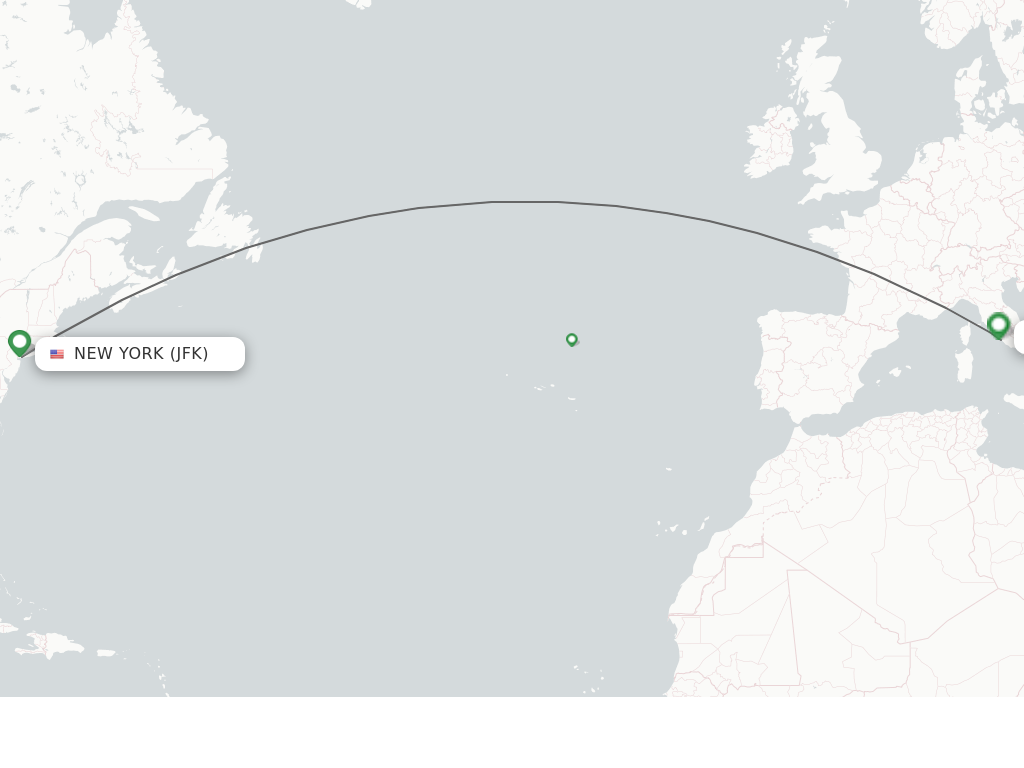
Italy is a country with a diverse geography, and the distance between New York and its various cities varies. Flights to major international airports in the north, such as Milan Malpensa Airport (MXP) or Leonardo da Vinci–Fiumicino Airport (FCO) in Rome, tend to be the most common and often the most direct. Flights to destinations further south, like Naples International Airport (NAP), might involve slightly longer flight paths. While the difference in flight time between these major hubs is usually measured in minutes rather than hours, it’s a subtle consideration for the most precise planning. For instance, a flight to Rome might average around 7 hours and 45 minutes, while a flight to Milan could be around 7 hours and 30 minutes, all things being equal.
Seasonal Variations and Air Traffic Considerations
The time of year you choose to travel can also play a minor role. During peak travel seasons, such as summer holidays or the Christmas period, airlines may utilize slightly different flight paths to optimize for efficiency or to avoid areas with higher air traffic congestion. While the effect on flight time is usually marginal, it’s part of the complex symphony of transatlantic aviation. Furthermore, prevailing wind patterns, particularly the jet stream, can influence flight durations. Flying east, as is the case from New York to Italy, often benefits from tailwinds, which can shorten the flight. Conversely, headwinds can extend it. These natural phenomena are unpredictable and can cause small variations in flight times on a day-to-day basis.
Preparing for Your Transatlantic Journey: Maximizing Comfort and Minimizing Jet Lag
Understanding the flight duration is the first step in preparing for your journey. Once you have a realistic estimate, you can better plan your time upon arrival and strategize to combat jet lag.
Making the Most of Your Time in the Air
For direct flights, the 7.5 to 8.5 hours in the air offer a significant chunk of time. Most major airlines provide in-flight entertainment systems with a wide selection of movies, TV shows, and music, allowing you to pass the time pleasurably. Consider downloading content onto your devices beforehand, as Wi-Fi availability and cost can vary. Bringing a good book, engaging in crosswords or puzzles, or simply trying to rest are also excellent ways to make your flight more enjoyable. For those on connecting flights, the extended travel time means you’ll have even more opportunities to rest, read, or catch up on work. If your layover is long, consider investing in airport lounge access for a more comfortable and private experience.
Navigating Jet Lag and Arrival
Arriving in Italy after a transatlantic flight means a significant time difference, typically 6 hours ahead of New York. To mitigate jet lag, it’s advisable to adjust your sleep schedule gradually in the days leading up to your departure. Once on the flight, try to sleep during the times that correspond to nighttime in Italy. Upon arrival, expose yourself to natural daylight as much as possible and resist the urge to nap excessively during the day. Staying hydrated and eating light, healthy meals can also aid in adjusting to the new time zone. Knowing your flight duration empowers you to schedule your arrival on your first day in Italy to allow ample time for rest and acclimatization before diving into exploring iconic landmarks like the Colosseum in Rome or enjoying authentic Italian cuisine.
LifeOutOfTheBox is a participant in the Amazon Services LLC Associates Program, an affiliate advertising program designed to provide a means for sites to earn advertising fees by advertising and linking to Amazon.com. Amazon, the Amazon logo, AmazonSupply, and the AmazonSupply logo are trademarks of Amazon.com, Inc. or its affiliates. As an Amazon Associate we earn affiliate commissions from qualifying purchases.