
Navigating the bustling streets of New York City is an iconic experience, and for many, the quintessential symbol of this urban adventure is the yellow taxi cab. These instantly recognizable vehicles have been a fixture of the cityscape for generations, ferrying millions of residents and visitors alike to their destinations. But have you ever stopped to wonder about the sheer scale of this operation? How many of these distinctive vehicles are actually cruising the avenues and byways of the Big Apple at any given time? The answer to “How Many Cabs Are In New York City?” is not a static figure, but rather a dynamic number that reflects regulatory policies, economic factors, and the ever-evolving transportation landscape of this global metropolis.

The Shifting Landscape of the New York City Taxi Fleet
The number of licensed yellow taxis in New York City has historically been controlled by the New York City Taxi and Limousine Commission (TLC). For decades, the number of medallion owners, which represents the right to operate a yellow cab, was capped at a fixed number. This system was designed to manage congestion and ensure a certain level of income for cab drivers. However, this equilibrium has been significantly disrupted in recent years by the advent of ride-sharing services and shifts in urban mobility.
The Era of Medallions: A Historically Fixed Supply
For much of the 20th and early 21st centuries, owning a New York City taxi medallion was akin to owning a piece of gold. These medallions were issued by the TLC, and their limited supply created a valuable asset. The number of medallions was largely fixed, hovering around 13,000 for many years. This ensured a relatively stable, albeit often competitive, environment for traditional taxi operators. A driver or company would need to purchase or lease a medallion to legally operate a yellow cab for street hails. The scarcity of these medallions drove their prices to astronomical figures, making it a significant barrier to entry for new operators and solidifying the established fleet. The perceived stability and exclusivity of the medallion system were foundational to the taxi industry for decades, shaping the daily operations and economics of thousands of drivers.
The Impact of Ride-Sharing and Evolving Regulations
The introduction and rapid growth of companies like Uber and Lyft fundamentally altered the transportation ecosystem in New York City. These app-based services, often referred to as Transportation Network Companies (TNCs), operate with a different regulatory framework, and their sheer volume began to put immense pressure on the traditional yellow cab industry. Unlike the fixed medallion system, TNCs could scale their fleets much more readily, responding to demand fluctuations with a fluidity that the medallion system could not match. This led to a surplus of available rides, particularly during peak hours, and contributed to increased congestion on city streets. In response, the TLC began to implement new regulations aimed at managing the TNC fleet and creating a more level playing field. These new rules have influenced the overall number of vehicles available for hire on the streets, impacting both traditional cabs and TNCs.
Current Estimates and the Dynamic Fleet Size
Pinpointing an exact, real-time number of yellow cabs in New York City is challenging due to the dynamic nature of the fleet. While the number of medallions remains a historical benchmark, not every medallion owner is actively operating a cab at all times. Many medallions are leased, and the availability of drivers can fluctuate. Furthermore, the TLC’s regulations also govern the number of TNC vehicles that can operate, adding another layer of complexity to the overall picture of for-hire vehicles.
However, general estimates and past figures offer insight. Historically, the number of licensed yellow taxi medallions has been around 13,000. While this number has remained relatively stable in terms of the total number of medallions issued, the actual number of cabs on the road on any given day can vary based on factors such as driver availability, vehicle maintenance, and economic conditions. The TLC continuously monitors and regulates the industry, so the precise number is subject to ongoing administrative oversight and market forces. The advent of ride-sharing has certainly changed the landscape, leading to discussions and actions around capping the number of TNC vehicles as well, aiming to restore a balance to the city’s transportation options.
The Economic and Operational Realities of NYC Cabs
Beyond the sheer numbers, understanding the scale of the New York City taxi industry requires delving into the economic models and operational challenges that define it. The cost of operating a taxi, the income potential for drivers, and the regulatory environment all play a crucial role in shaping the fleet’s size and efficiency.
Medallion Value and Driver Income
The value of a New York City taxi medallion has historically been a significant factor. At its peak, a medallion could fetch upwards of a million dollars, representing a substantial investment. This high cost, while creating a valuable asset for owners, also meant that drivers often had to lease their medallions, paying substantial daily or weekly fees. These leasing costs, combined with fuel, insurance, maintenance, and the ever-present competition, significantly impacted the net income of individual drivers. The economic pressure on drivers became particularly acute with the rise of ride-sharing services, which often offered lower fares and a more flexible operational model for drivers. This led to a period of financial hardship for many medallion owners and drivers, with some facing bankruptcy due to the devaluation of their medallions.
Regulatory Framework and Enforcement
The New York City Taxi and Limousine Commission (TLC) is the governing body responsible for licensing, regulating, and overseeing all for-hire vehicles in the city, including yellow cabs, green “boro” cabs, and TNCs. The TLC sets standards for vehicle safety, driver conduct, fare structures, and the overall operation of the taxi and for-hire vehicle industry. Their role is crucial in ensuring public safety, preventing fraud, and trying to maintain a fair and functional transportation system for the city. Enforcement of these regulations is a constant undertaking, involving inspections, investigations, and penalties for violations. The TLC’s decisions and policies directly influence the number of vehicles operating, the profitability of the industry, and the overall experience for both drivers and passengers.
Maintenance and Fleet Management
The maintenance of a large taxi fleet is a significant logistical and financial undertaking. Each of the approximately 13,000 yellow cabs must undergo regular inspections to ensure they meet safety and operational standards set by the TLC. This includes checks on engines, brakes, tires, lighting, and meters. Many taxi companies and independent owner-operators invest heavily in keeping their vehicles in good repair to ensure reliability and passenger comfort. The fleet is composed of vehicles specifically designed for the rigors of constant city driving, often featuring durable interiors and efficient engines. The process of maintaining such a large and active fleet requires dedicated workshops, skilled mechanics, and a robust system for scheduling and tracking vehicle upkeep.
The Future of Yellow Cabs in a Modern Metropolis
As New York City continues to evolve, so too will its iconic yellow taxi cabs. The industry is in a constant state of adaptation, driven by technological advancements, changing consumer preferences, and ongoing regulatory adjustments. The future of the yellow cab is intertwined with the broader narrative of urban mobility.
The Role of Technology and Innovation
Technology is playing an increasingly significant role in the operation of taxis. While the traditional street hail remains a staple, many yellow cabs are now equipped with the ability to accept rides booked through apps, similar to TNCs. This integration allows passengers to track their ride, receive fare estimates, and pay electronically, enhancing convenience. Furthermore, advancements in vehicle technology, such as the increasing adoption of electric vehicles (EVs), are also influencing the future of the taxi fleet. The TLC has set targets for the electrification of the taxi fleet, aiming to reduce emissions and improve air quality within New York City. This transition requires significant investment in charging infrastructure and the vehicles themselves, posing both challenges and opportunities for the industry.
Competition and Coexistence with Ride-Sharing
The relationship between traditional yellow cabs and ride-sharing services remains a complex one. While competition is undeniable, there is also a growing recognition of the need for coexistence and integration. Many believe that a diverse range of transportation options is beneficial for a city as large and complex as New York City. The TLC has sought to create regulations that allow for fair competition while also supporting the established yellow cab industry. This might include exploring policies that balance the number of TNC vehicles with the number of yellow cabs, or exploring ways for yellow cabs to leverage technology more effectively to compete on convenience and price. The goal is to ensure that residents and visitors have reliable, safe, and accessible transportation options across the city.

Passenger Experience and Public Perception
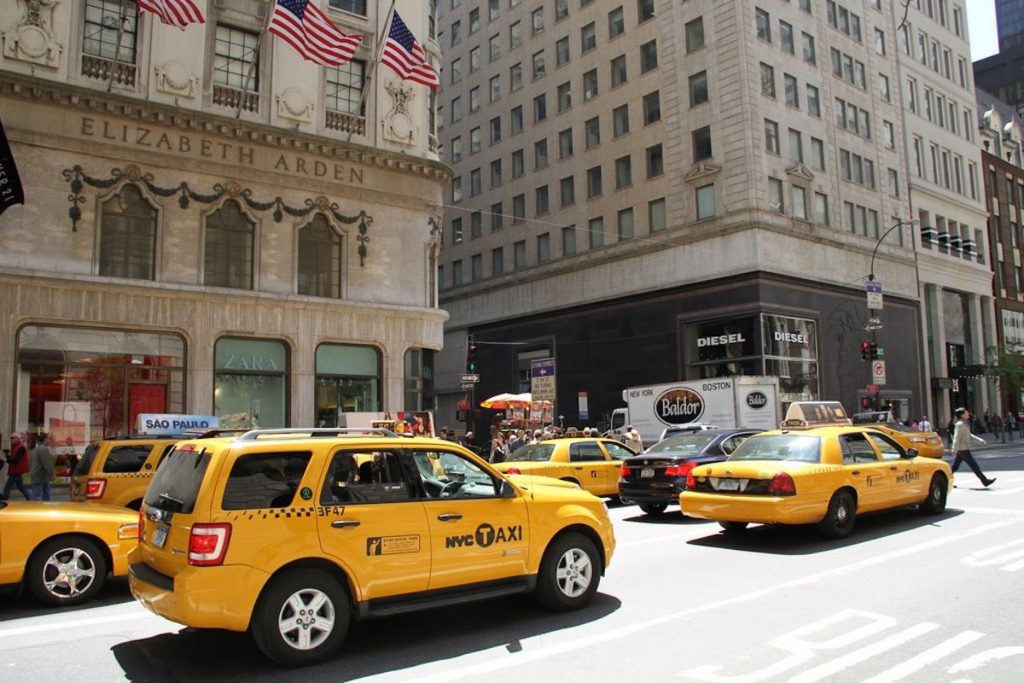
Ultimately, the success of the yellow cab industry hinges on the passenger experience. New York City taxis have long been a symbol of the city’s vibrant energy, offering a direct and often memorable way to traverse its busy streets. Factors such as driver courtesy, vehicle cleanliness, efficient routing, and transparent pricing all contribute to passenger satisfaction. As the transportation landscape continues to shift, the yellow cab industry will need to focus on continuously improving these aspects to remain a preferred choice for many. Whether it’s a seasoned traveler heading to a show in the Theater District or a local making their way to an appointment in Queens, the yellow cab continues to be a vital component of the city’s extensive transit network. The iconic image of a yellow cab navigating through traffic, perhaps past a landmark like the Empire State Building, remains a powerful symbol of New York City’s enduring spirit and its ability to adapt to change.
LifeOutOfTheBox is a participant in the Amazon Services LLC Associates Program, an affiliate advertising program designed to provide a means for sites to earn advertising fees by advertising and linking to Amazon.com. Amazon, the Amazon logo, AmazonSupply, and the AmazonSupply logo are trademarks of Amazon.com, Inc. or its affiliates. As an Amazon Associate we earn affiliate commissions from qualifying purchases.