
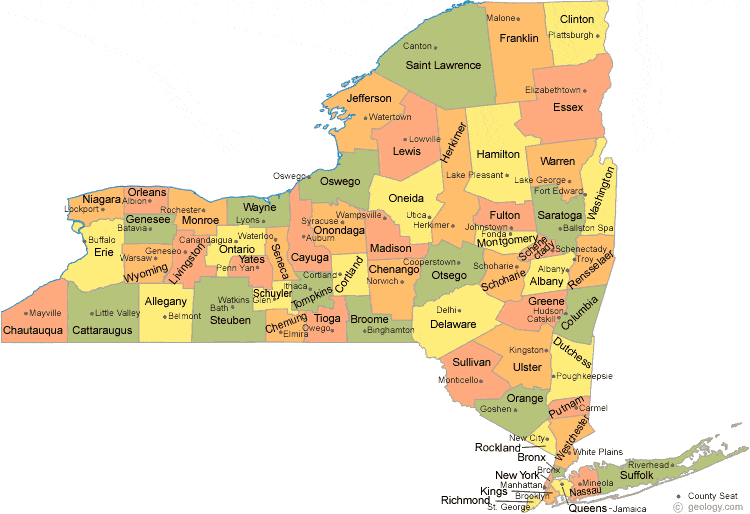
New York State, a tapestry woven with bustling metropolises, serene countryside, and captivating coastlines, is a destination that beckons travelers with its diverse offerings. From the iconic skyscrapers of New York City to the tranquil shores of Lake Erie, understanding the administrative divisions of this vast state can offer a deeper appreciation for its geography and the unique character of its regions. For those planning a trip, delving into the question of “How Many Counties in New York?” is not merely an academic exercise but a gateway to uncovering the rich mosaic of experiences that await. New York State is officially divided into 62 counties. This number serves as a fundamental piece of information for anyone seeking to navigate the Empire State, whether for leisure, business, or a profound exploration of its cultural and historical landscapes.
Understanding New York’s County Structure
The division of New York into counties is a historical and administrative framework that shapes how the state is organized and perceived. These counties are more than just lines on a map; they are distinct entities, each with its own governmental structure, local services, and often, a unique identity shaped by its geography, history, and the people who call it home. For travelers, grasping the county system can enhance trip planning, helping to identify specific areas of interest, understand regional differences, and even find local attractions or accommodations that might otherwise be overlooked.
The Foundation: Defining a County
A county in New York, as in much of the United States, is a principal administrative subdivision of the state. They are established by the New York State Legislature and possess powers of local government. These powers typically include law enforcement, road maintenance, public health services, and the administration of elections and property records. The concept of counties has roots dating back to colonial times, evolving over centuries as the state grew and settled. Understanding this fundamental administrative unit is key to appreciating the nuanced geography of New York.
The Count: Sixty-Two Distinct Territories
The definitive answer to “How Many Counties in New York?” is 62. This number encompasses a wide array of geographical and demographic diversity. From the densely populated urban centers of New York City – which itself comprises five distinct counties: New York County (Manhattan), Kings County (Brooklyn), Queens County (Queens), Bronx County (The Bronx), and Richmond County (Staten Island) – to the expansive, rural landscapes of the Adirondack Mountains and the vineyards of the Finger Lakes region, each county contributes to the state’s rich identity. This numerical fact is not just a statistic; it’s a roadmap to the myriad experiences New York has to offer.
Navigating New York: Counties as Travel and Tourism Hubs
The 62 counties of New York State serve as significant markers for travelers, influencing everything from itinerary planning to the discovery of hidden gems. Each county often boasts its own unique set of attractions, from historical sites and natural wonders to vibrant local cultures and culinary traditions. For the inquisitive traveler, understanding these divisions can unlock a more immersive and enriching journey through the Empire State.
From Bustling Cities to Serene Countrysides
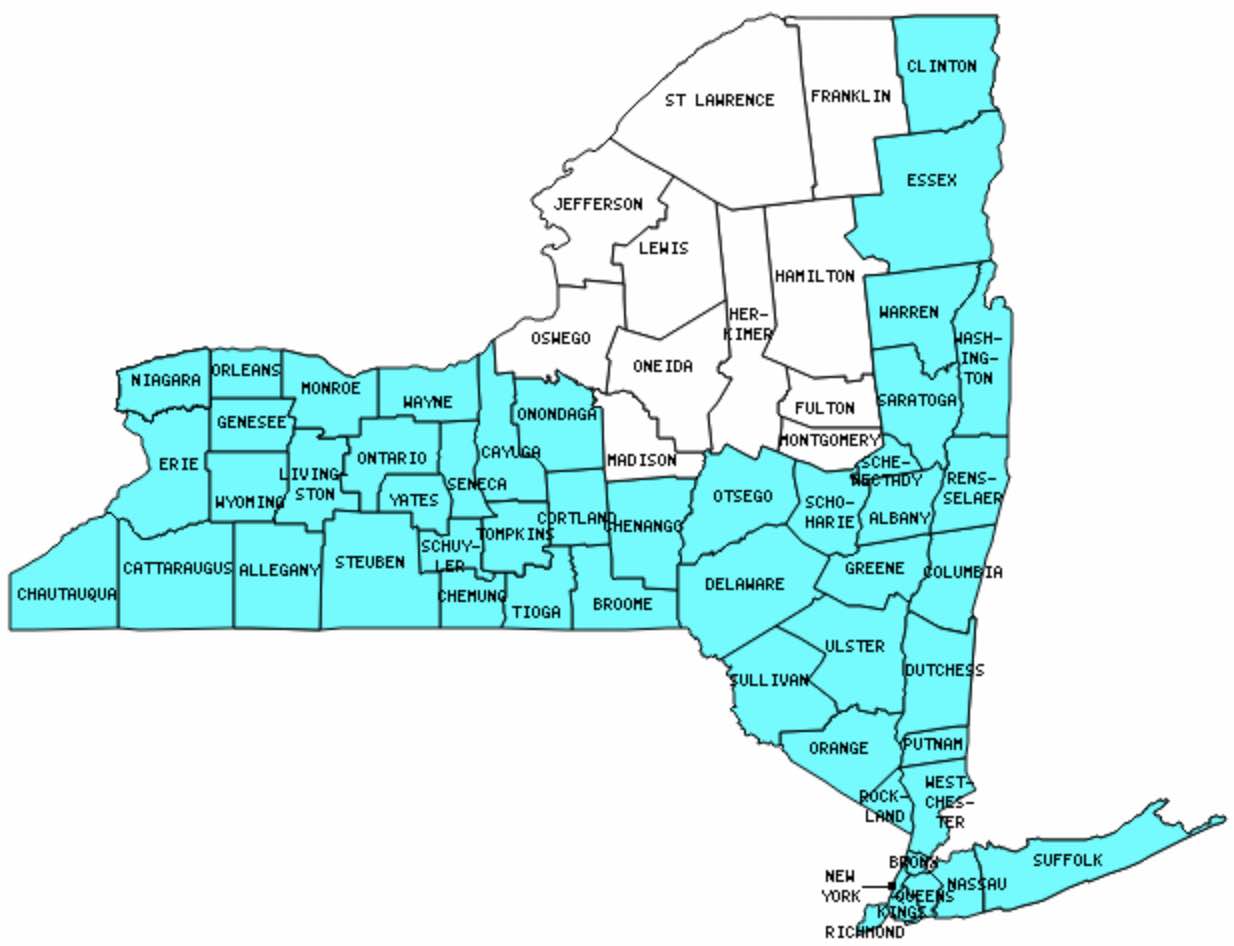
The geographical spread of New York’s counties is remarkable. On one end, you have the densely urban counties within the metropolitan area, offering world-class museums, theaters, and dining. For instance, a visit to New York County, home to Central Park and numerous iconic landmarks, offers an entirely different experience than exploring the more pastoral settings found in counties upstate. Consider Clinton County, bordering Canada, which offers a more remote and historically significant experience, including sites related to the Revolutionary War.
Uncovering Local Culture and Activities
Each county in New York has cultivated its own distinct cultural flavor. Traveling through counties like Sullivan County, once a legendary resort destination, or Erie County, home to Buffalo and its renowned architecture, reveals a diverse heritage. You might find unique festivals, local craft breweries, farm-to-table restaurants, or artisanal shops specific to the region. For example, exploring the wineries in the counties surrounding the Finger Lakes region, such as Yates County and Ontario County, offers a distinct sensory experience rooted in agricultural excellence and local winemaking traditions.
Essential Tips for County Exploration
When planning your travels across New York’s 62 counties, consider these practical tips:
- Regional Focus: Instead of trying to cover too much ground, focus on specific regions or a cluster of counties. For example, exploring the Hudson Valley might involve visiting counties like Dutchess County, Ulster County, and Orange County, each with its own charming towns and historical estates.
- Transportation: Understand the transportation options available within and between counties. While major cities are well-connected by public transport, exploring rural counties might necessitate a rental car.
- Local Events: Check local event calendars for festivals, farmers’ markets, or special exhibitions that are county-specific. These events often provide a genuine glimpse into local life and traditions.
- Accommodation Diversity: From luxury resorts in the Catskills to quaint bed and breakfasts in the Adirondacks, the type of accommodation can vary significantly from one county to another.
Discovering New York’s Gems: A County-by-County Perspective
The 62 counties of New York State are the building blocks of the traveler’s experience, each offering a unique narrative and a distinct set of attractions. Whether you’re drawn to the vibrant energy of urban centers or the tranquil beauty of rural landscapes, understanding the county framework allows for a more targeted and rewarding exploration of the Empire State.
Iconic Destinations and Their County Affiliations
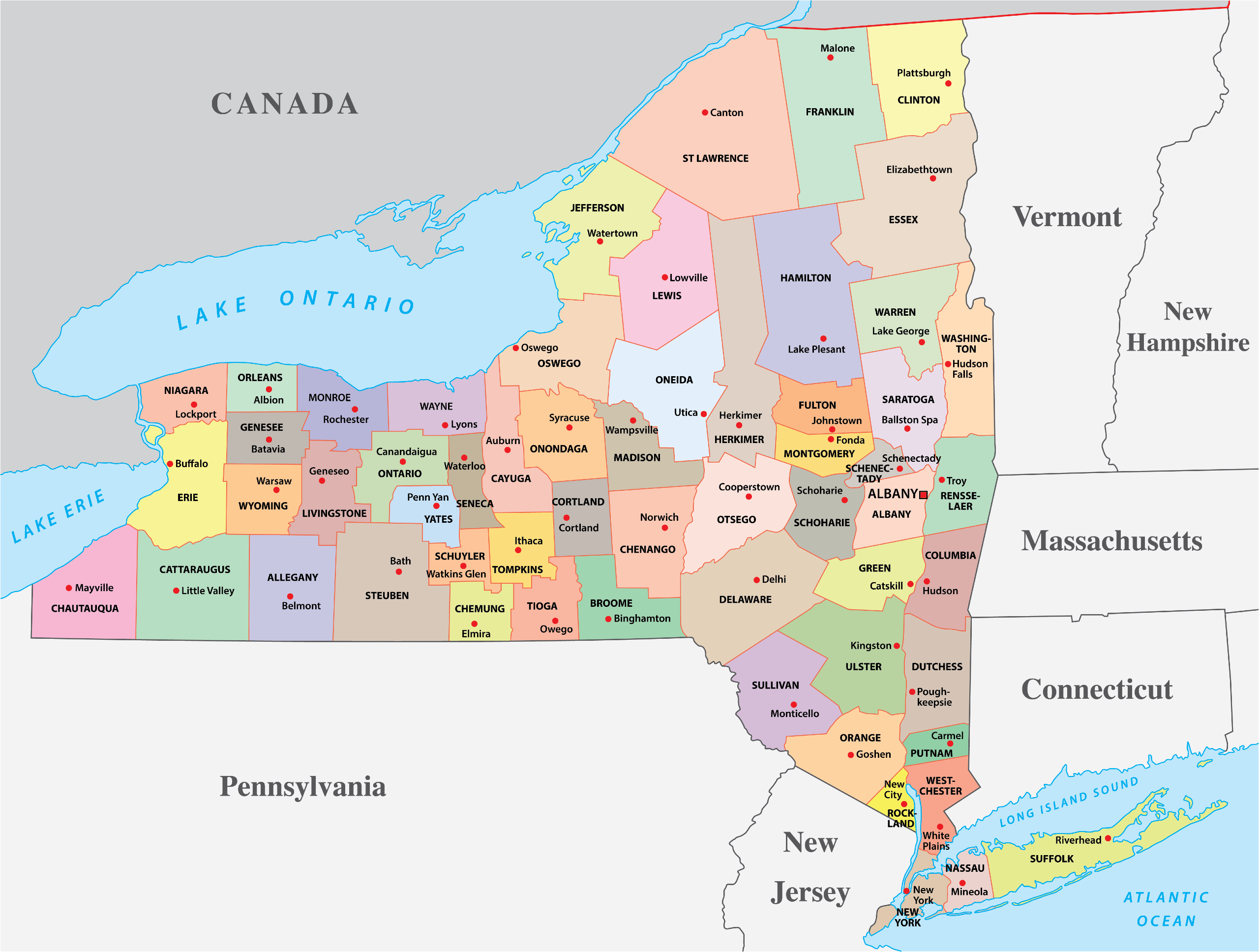
Many of New York’s most famous destinations are intrinsically linked to the counties they inhabit. New York City, with its five boroughs, represents five distinct counties: New York County (Manhattan), Kings County (Brooklyn), Queens County (Queens), Bronx County (The Bronx), and Richmond County (Staten Island). Beyond the city, Niagara Falls, a world-renowned natural wonder, is situated in Niagara County. The historic sites of Saratoga Springs, including the Saratoga Race Course, are located in Saratoga County. These connections are vital for travelers aiming to pinpoint specific landmarks and attractions on their itinerary.
Exploring Regional Flavors and Natural Wonders
New York’s geographical diversity is beautifully reflected in its counties. The lush, mountainous terrain of the Adirondack Mountains spans multiple counties, offering unparalleled opportunities for hiking, camping, and winter sports. Essex County and Hamilton County are prime examples of counties within this vast wilderness. Conversely, counties along the southern tier, bordering Pennsylvania, such as Steuben County, are known for their agricultural output, including wine production. The eastern end of Long Island, encompassing parts of Suffolk County, is celebrated for its picturesque beaches and the renowned Hamptons resorts.
Planning Your Journey Through New York’s Counties
To make the most of your exploration of New York’s 62 counties, consider a strategic approach. For those interested in history and architecture, focusing on counties with significant colonial or industrial heritage, such as Albany County, home to the state capital, or those in the Mohawk Valley, can be particularly rewarding. Nature enthusiasts might prefer to concentrate on counties with extensive state parks and natural reserves, like Allegany County in the west or those bordering the Great Lakes. The sheer number of counties means that a comprehensive tour would take considerable time, allowing for a deep dive into the distinct character of each region. Ultimately, understanding that New York is comprised of 62 counties provides a fundamental framework for unlocking the full spectrum of travel experiences the state has to offer.
LifeOutOfTheBox is a participant in the Amazon Services LLC Associates Program, an affiliate advertising program designed to provide a means for sites to earn advertising fees by advertising and linking to Amazon.com. Amazon, the Amazon logo, AmazonSupply, and the AmazonSupply logo are trademarks of Amazon.com, Inc. or its affiliates. As an Amazon Associate we earn affiliate commissions from qualifying purchases.