
Understanding the electoral landscape of a state is crucial for anyone interested in the political fabric and demographic weight of a nation. For New York, a state renowned for its iconic New York City, bustling economies, and diverse population, its electoral vote count is a significant figure in national elections. While the question “How Many Electoral Votes Are There In New York?” might seem straightforward, its answer is rooted in complex demographic shifts and the constitutional framework that governs the United States presidential election system. This article delves into the current electoral vote allocation for New York, explaining the methodology behind it and its historical context.
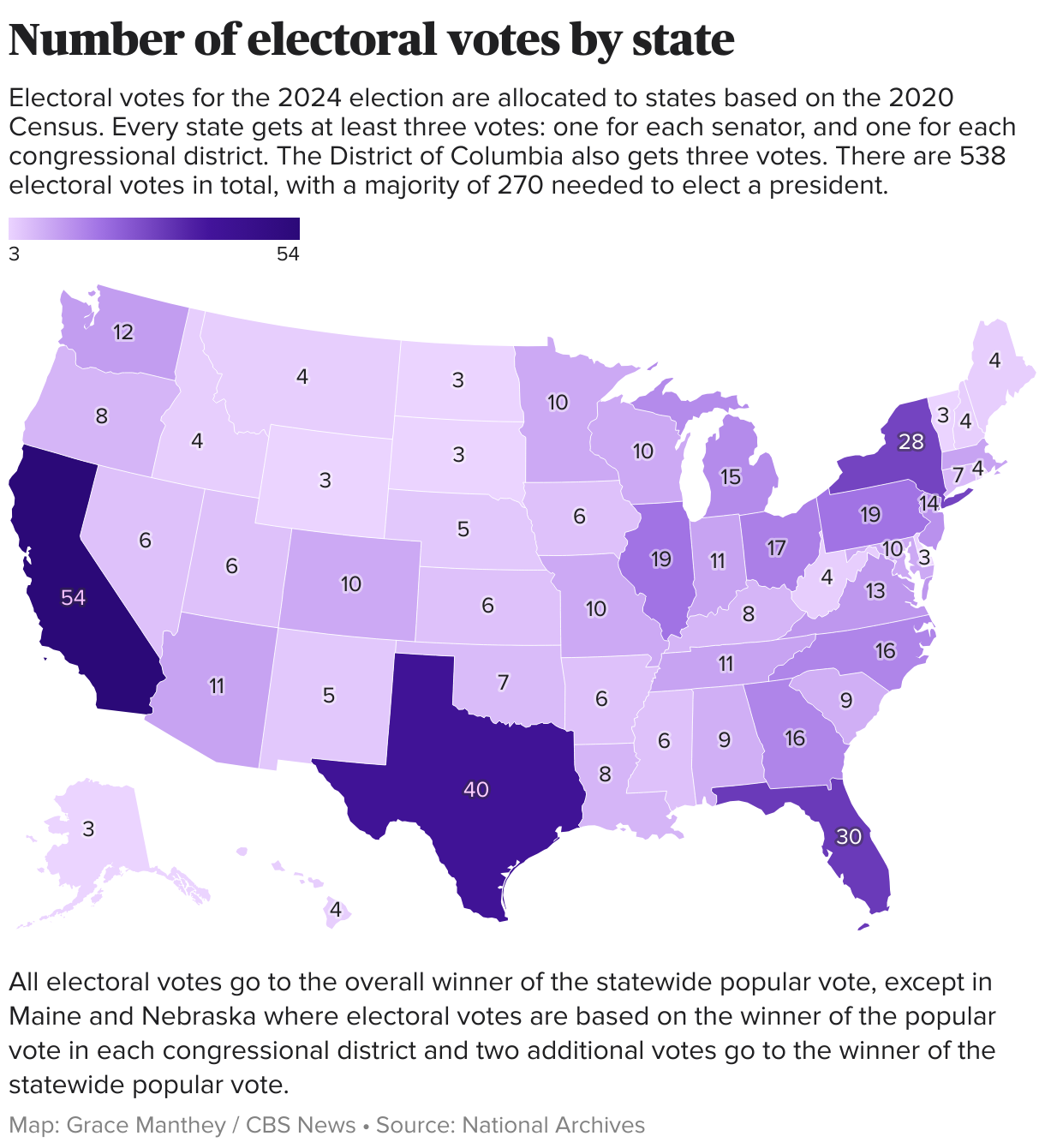
The Electoral College, established by the United States Constitution, is the mechanism by which the president and vice president are elected. Each state is allocated a number of electors equal to the sum of its representatives in the House of Representatives and its two senators. This system ensures that less populous states have a voice, while more populous states hold considerable sway. New York, as a highly populous state, consistently holds a substantial bloc of electoral votes, impacting the overall presidential race.
The Foundation of Electoral Vote Allocation
The number of electoral votes a state receives is not static. It is directly tied to the state’s representation in Congress, which, in turn, is determined by the decennial United States Census. This periodic count of the nation’s population is fundamental to reapportioning seats in the House of Representatives among the states. Consequently, a state’s electoral vote count can fluctuate over time based on population growth or decline.
The Role of the Decennial Census
Every ten years, the United States Census Bureau conducts a nationwide census to count every resident. This data is then used by Congress to determine how many seats in the House of Representatives each state will have for the next decade. States that have experienced significant population growth may gain seats, while those with declining populations may lose seats. Since each state is guaranteed at least one representative, the changes primarily affect states with larger populations and varying growth rates.
Apportionment and the House of Representatives
Following the census, the United States Census Bureau reapportions the 435 seats in the House of Representatives among the states. This apportionment is a mathematical process designed to distribute seats as fairly as possible based on population. For example, if a state’s population grows faster than the national average, it is likely to gain representatives. Conversely, a state with slower population growth or a decline may see its representation reduced. This shift in congressional representation directly impacts the number of electoral votes.
Senate Representation: A Fixed Number
In addition to the representatives in the House, each state is allocated two senators, regardless of its population. This provision of the United States Constitution ensures equal representation for all states in the Senate. Therefore, a state’s total number of electoral votes is the sum of its House representatives (which can change) and its two senators (which remain constant).
New York’s Electoral Vote Count: A Snapshot
As of the most recent reapportionment following the 2020 Census, New York holds a significant number of electoral votes. This figure reflects New York‘s position as one of the most populous states in the nation. Understanding this number is essential for comprehending New York‘s influence in presidential elections.
Current Electoral Votes for New York

Following the 2020 Census and the subsequent reapportionment of congressional seats, New York was allocated 28 electoral votes. This number comprises its representation in the House of Representatives and its two senators. This substantial bloc of votes makes New York a critical state for any presidential candidate aiming for the 270 electoral votes needed to win the presidency. The state’s political leaning, while often leaning Democratic in recent presidential elections, is diverse, making its electoral votes a valuable target.
Historical Trends in New York’s Electoral Votes
New York‘s electoral vote count has evolved over time, mirroring its demographic shifts. In the early days of the United States, New York was already a populous state and a dominant force in presidential elections. Its electoral vote count has fluctuated, peaking at various points in history and seeing decreases as other states have grown more rapidly. For instance, after the 1910 census, New York had 45 electoral votes. Following the 1940 census, it held 47. More recently, after the 2010 census, New York had 29 electoral votes, and the 2020 census adjustment reduced it to 28. These shifts highlight the dynamic nature of representation in a growing and moving nation.
Factors Influencing Future Electoral Vote Counts
The future electoral vote count for New York will depend on its population trajectory relative to other states. If New York‘s population continues to grow, its representation in the House and its electoral vote count could remain stable or even increase. However, if its population growth lags behind that of other states, it could see a further reduction in electoral votes in subsequent reapportionments. Factors such as housing costs, job markets, and quality of life all play a role in population trends and, consequently, in a state’s political power as measured by electoral votes.
The Significance of New York’s Electoral Votes
The 28 electoral votes held by New York are not merely a number; they represent a significant portion of the national total and have a palpable impact on presidential campaigns. Candidates allocate resources, time, and attention to states with substantial electoral vote counts, and New York is invariably a key focus.
Impact on Presidential Campaigns
Presidential candidates understand the importance of New York‘s electoral votes. While the state has a strong tendency to vote Democratic in recent presidential elections, the sheer number of electoral votes makes it a must-win for the Democratic party and a highly sought-after, though often challenging, target for Republican campaigns. Campaigns will invest heavily in advertising, rallies, and get-out-the-vote efforts in New York, particularly in diverse regions like New York City, Long Island, and the more suburban and upstate areas, each with its own unique political demographics.
The “Winner-Take-All” System in New York
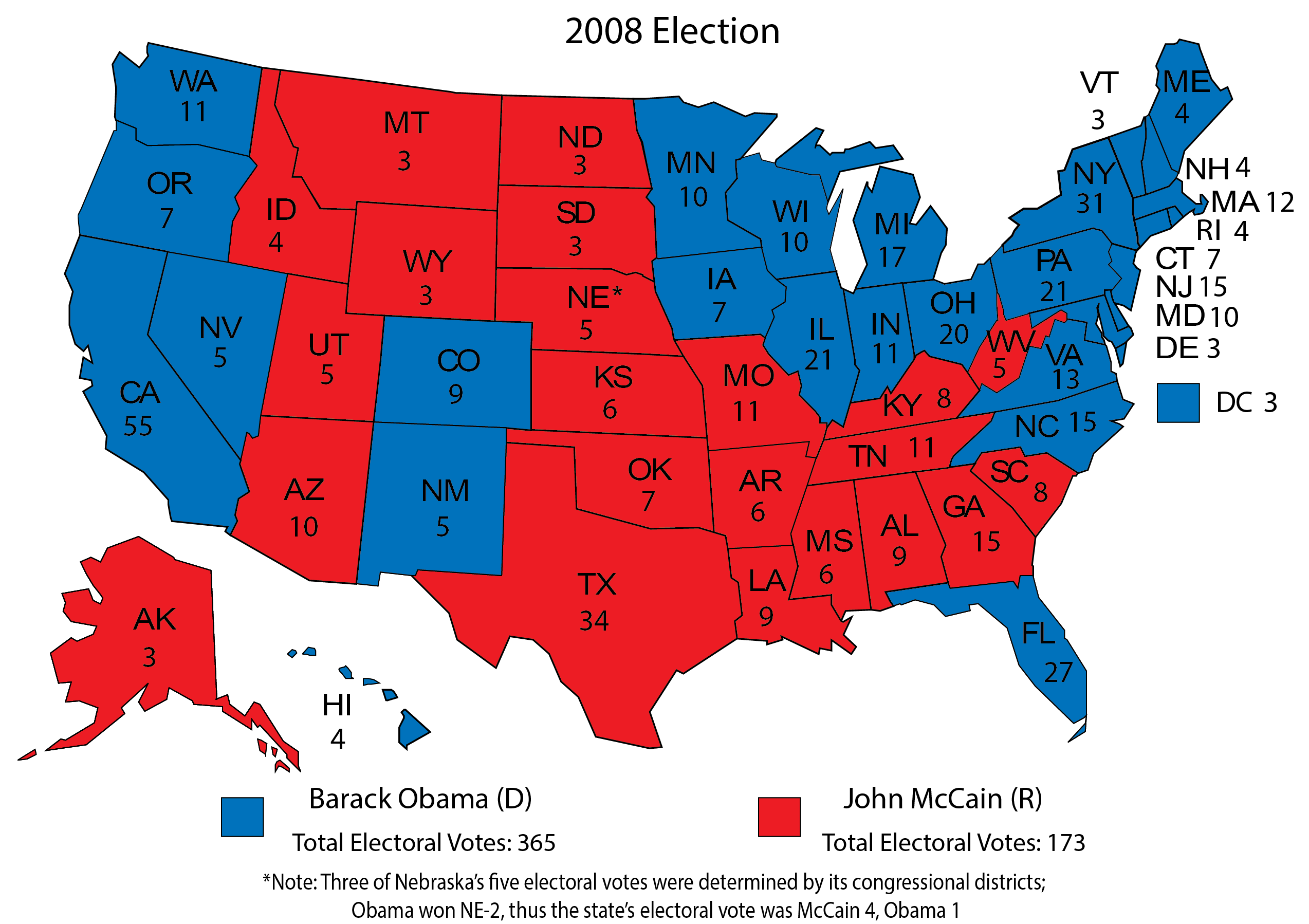
Like most states, New York employs a “winner-take-all” system for its electoral votes. This means that the presidential candidate who wins the popular vote in New York receives all 28 of the state’s electoral votes. This system amplifies the importance of winning the popular vote within the state, as even a narrow victory can secure the entire bloc of electoral votes. This contrasts with a proportional allocation system, where electoral votes might be divided among candidates based on their share of the popular vote. The winner-take-all mechanism makes it challenging for candidates to win a portion of New York‘s electoral votes without winning the statewide popular vote.
Electoral Votes and National Political Power
The electoral votes of a state are a direct measure of its influence in national politics. New York, with its 28 electoral votes, is a major player in the Electoral College. Its votes can be decisive in a close election, and its demographic and economic significance further elevate its standing. The state’s diverse electorate, from the urban centers to the rural communities, presents a complex political landscape that candidates must navigate to secure these crucial votes. The political discourse and policy debates within New York often resonate nationally due to its substantial electoral weight.
In conclusion, the question of “How Many Electoral Votes Are There In New York?” leads us to a deeper understanding of the United States‘ electoral system, the importance of census data, and the dynamic nature of political representation. With 28 electoral votes, New York remains a vital component of the Electoral College, significantly shaping the outcome of presidential elections and underscoring its enduring influence on the national stage.
LifeOutOfTheBox is a participant in the Amazon Services LLC Associates Program, an affiliate advertising program designed to provide a means for sites to earn advertising fees by advertising and linking to Amazon.com. Amazon, the Amazon logo, AmazonSupply, and the AmazonSupply logo are trademarks of Amazon.com, Inc. or its affiliates. As an Amazon Associate we earn affiliate commissions from qualifying purchases.