
The vast expanse of the United States stretches from the sun-drenched shores of California to the bustling metropolises of the East Coast, and the question of distance between its two most iconic cities, Los Angeles and New York City, is a perennial one for travelers, planners, and dreamers alike. This iconic transcontinental journey represents a quintessential American experience, traversing diverse landscapes and cultures. Understanding the mileage is not just about a number; it’s about comprehending the scale of the undertaking, the time commitment, and the logistical considerations involved in bridging this significant geographic divide.
The Aerial Perspective: Direct Flights and Flight Paths
When considering the shortest distance, the most efficient method of travel between Los Angeles and New York City is undoubtedly by air. While the Earth is a sphere, and flight paths are curved, for practical purposes in this context, we’re often looking at the great-circle distance, which represents the shortest distance between two points on a sphere.
Great-Circle Distance and Air Travel
The great-circle distance between Los Angeles International Airport (LAX) and John F. Kennedy International Airport (JFK), two of the primary gateways for this route, is approximately 2,451 miles (about 3,945 kilometers). This figure serves as the foundational mileage for understanding the shortest possible route through the skies.
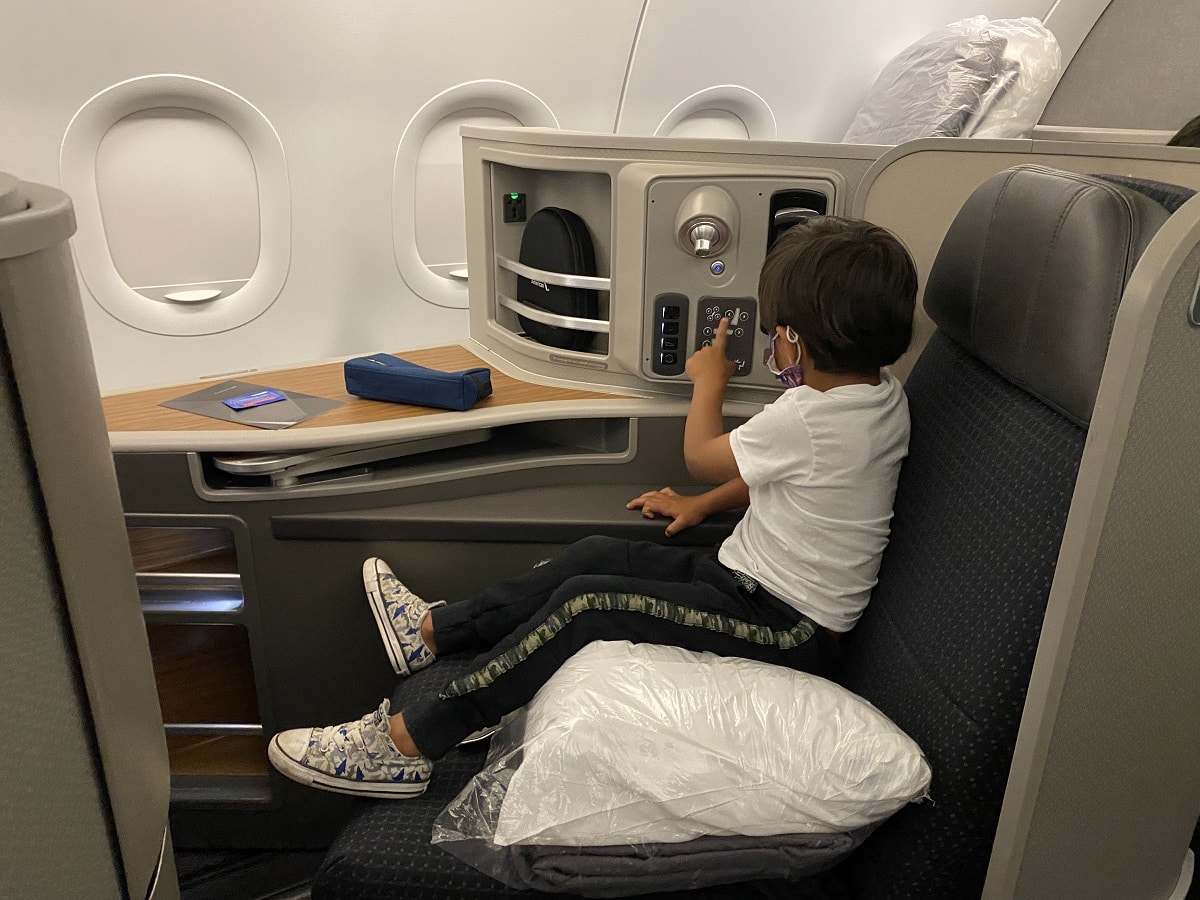
Flight times, depending on wind conditions and specific air traffic control routes, typically range from 5 to 6 hours for a direct flight. Airlines like American Airlines, Delta Air Lines, and United Airlines offer numerous daily non-stop services between these two major hubs. The experience of flying this route can offer a unique vantage point, with breathtaking aerial views of the American landscape unfolding below – from the desert Southwest to the Great Plains and eventually the urban sprawl of the Northeast. Many travelers find the sheer visual spectacle of crossing the country from such a height to be an experience in itself, highlighting the immense geographical diversity of the United States.
Considerations for Air Travelers
While the mileage is precise, the traveler’s experience involves more than just the direct flight path. Factors such as the time spent at the airport for check-in, security screening, and boarding, as well as travel to and from the airports at both ends, add to the overall journey time. For instance, the drive from downtown Los Angeles to LAX can take anywhere from 30 minutes to over an hour, depending on traffic. Similarly, navigating the New York City metropolitan area to reach JFK or LaGuardia Airport (LGA) can be equally time-consuming. Therefore, while the flight itself covers around 2,451 miles, the total travel time from a point of origin in Los Angeles to a final destination in New York City will be significantly longer.
The Road Trip: Transcontinental Driving Miles
For those who prefer the freedom and adventure of a road trip, the mileage from Los Angeles to New York City expands considerably. This is not a single, fixed number, as the exact route can be chosen based on preferences for scenery, speed, or specific points of interest along the way. However, there are standard driving routes that offer a comprehensive cross-country experience.
Major Interstate Highways and Route Planning
The most common and efficient driving routes typically involve utilizing the vast network of Interstate Highways that crisscross the United States. A popular and direct route would often involve heading east on Interstate 40 (I-40) for a significant portion of the journey, then connecting to other interstates such as Interstate 70 (I-70) or Interstate 80 (I-80) as one progresses eastward.
The average driving distance for such a route is generally in the range of 2,800 to 3,000 miles. For example, a common path might take a driver from Los Angeles through states like Arizona, New Mexico, Texas, Oklahoma, Missouri, Illinois, Indiana, Ohio, Pennsylvania, and finally into New Jersey and New York. Each of these states offers unique cultural experiences, landscapes, and attractions.
Factors Affecting Driving Distance and Time
The chosen route significantly impacts the total mileage. Opting for a more scenic, albeit longer, route that deviates from the most direct interstates can add several hundred miles to the journey. Conversely, prioritizing the fastest route will likely stick to the primary interstates.
The time required to drive this distance is also a crucial consideration. At an average driving speed of 60-70 miles per hour (mph) and accounting for necessary stops for gas, food, and rest, completing the journey typically takes 4 to 6 days of continuous driving. This means covering an average of 500-700 miles per day, which translates to 8-12 hours of driving each day, not including stops. Planning is paramount, involving accommodation bookings, vehicle maintenance checks, and an understanding of the changing time zones as one travels eastward.
Rail Journeys: A Scenic Route Across the Continent
For a more relaxed and scenic approach to traversing the United States from coast to coast, train travel offers a distinct and often romantic alternative to flying or driving. Amtrak, the national passenger railroad company, provides a cross-country experience that allows travelers to witness the changing landscapes in comfort and leisure.
The Long-Distance Rail Network
While there isn’t a single direct train from Los Angeles to New York City that runs without transfers, the journey can be pieced together using Amtrak‘s extensive network. The most common route involves taking the Southwest Chief from Los Angeles Union Station to Chicago Union Station, a journey of approximately 2,265 miles.
From Chicago, passengers would then board another train, typically the Lake Shore Limited or the Capitol Limited, which then connects to New York City’s Penn Station. The total mileage for the train journey, including the necessary layover and transfer in Chicago, would closely mirror the aerial distance, often falling within the range of 2,800 to 3,000 miles, depending on the specific train routes and connections.
The Experience of Cross-Country Train Travel
The allure of train travel lies in its pace and perspective. Unlike the fleeting glimpses from an airplane window or the focused attention required for driving, train travel allows for a more immersive experience of the American landscape. Passengers can observe the transition from the arid beauty of the Southwest to the rolling hills of the Midwest and the more densely populated Northeast, all from the comfort of their seat or private sleeper car.
The journey on the Southwest Chief, for instance, passes through iconic landscapes such as the deserts of Arizona and New Mexico, the Raton Pass in Colorado, and the plains of Kansas. The subsequent leg from Chicago to New York City showcases the industrial heartland and eventually the Appalachian Mountains. This mode of travel is not just about reaching a destination; it’s about the journey itself, offering opportunities for reflection, reading, and enjoying the unfolding scenery. While the mileage is significant, the time commitment for such a trip can be substantial, often spanning 3 to 4 days of travel, depending on the specific schedules and layover times. This makes it a journey for those who value the experience of travel over speed and efficiency.
LifeOutOfTheBox is a participant in the Amazon Services LLC Associates Program, an affiliate advertising program designed to provide a means for sites to earn advertising fees by advertising and linking to Amazon.com. Amazon, the Amazon logo, AmazonSupply, and the AmazonSupply logo are trademarks of Amazon.com, Inc. or its affiliates. As an Amazon Associate we earn affiliate commissions from qualifying purchases.