
Understanding the earning potential of a New York City cab driver is a complex endeavor, influenced by a myriad of factors ranging from the number of hours worked to the ever-fluctuating dynamics of urban transportation. While a precise, single figure is elusive, a comprehensive look reveals a landscape where income is directly tied to individual effort, market conditions, and the evolving nature of the New York taxi industry. This exploration delves into the typical earnings, the variables that shape them, and the lifestyle considerations that come with navigating the bustling streets of the Big Apple as a taxi professional.

The Income Landscape: Beyond the Meter
The income of a New York City cab driver is not a fixed salary but rather a composite of various revenue streams and deductions. This makes it crucial to understand the components that contribute to their overall take-home pay.
Base Earnings and Commission Structures
The primary source of income for a yellow cab driver in New York City is the fare collected from passengers. This fare is calculated based on a metered rate, which includes a base fare, a per-mile charge, and a per-minute charge for time spent waiting or in traffic. The driver then receives a percentage of this fare, with the remainder going to the medallion owner or the taxi company. Historically, this percentage has varied, but it typically hovers around 50-60% for the driver, after factoring in medallion lease fees or company commissions. This means that a driver’s earnings are directly proportional to the number of fares they complete and the distance and duration of those rides. A busy day with consistent passenger flow can significantly boost earnings, while slower periods, especially outside of peak tourist seasons or during adverse weather, can see a noticeable dip.
The Role of Tips
Tips form a significant, albeit variable, component of a cab driver’s income. While not guaranteed, tips can substantially augment base earnings. The generosity of passengers in New York City can differ based on perceived service quality, the driver’s demeanor, and even the passenger’s origin and destination. Drivers who provide a clean vehicle, a smooth ride, and polite, helpful service often find themselves rewarded with more generous gratuities. While some may aim for a specific percentage of the fare, many passengers tip a flat amount or round up the fare. Experienced drivers often develop a keen sense of when tipping is more likely, and their interaction style is honed to encourage it. However, relying solely on tips is precarious, as they are inherently unpredictable.
Expenses and Deductions: What’s Left in the Tank?
It’s vital to remember that the gross earnings of a cab driver are subject to several considerable expenses. These deductions significantly impact the driver’s net income. The most substantial expense for many drivers, particularly those who lease their cabs, is the daily or weekly lease fee for the yellow New York City taxi. These leases cover the use of the vehicle, insurance, and often basic maintenance. For independent owner-operators, the costs shift to fuel, insurance, maintenance, repairs, and the initial investment in or lease of a medallion. Fuel costs, which are subject to market volatility, can represent a significant portion of operational expenses. Furthermore, drivers are responsible for their own health insurance, retirement savings, and any other personal benefits, as they are typically classified as independent contractors or leaseholders rather than full-time employees with comprehensive benefits.
Factors Influencing Earning Potential
The amount of money a New York cab driver earns is not a static figure. Several dynamic elements can cause significant fluctuations in their income. Understanding these variables is key to grasping the full picture of their financial reality.
Hours Worked and Shift Timing
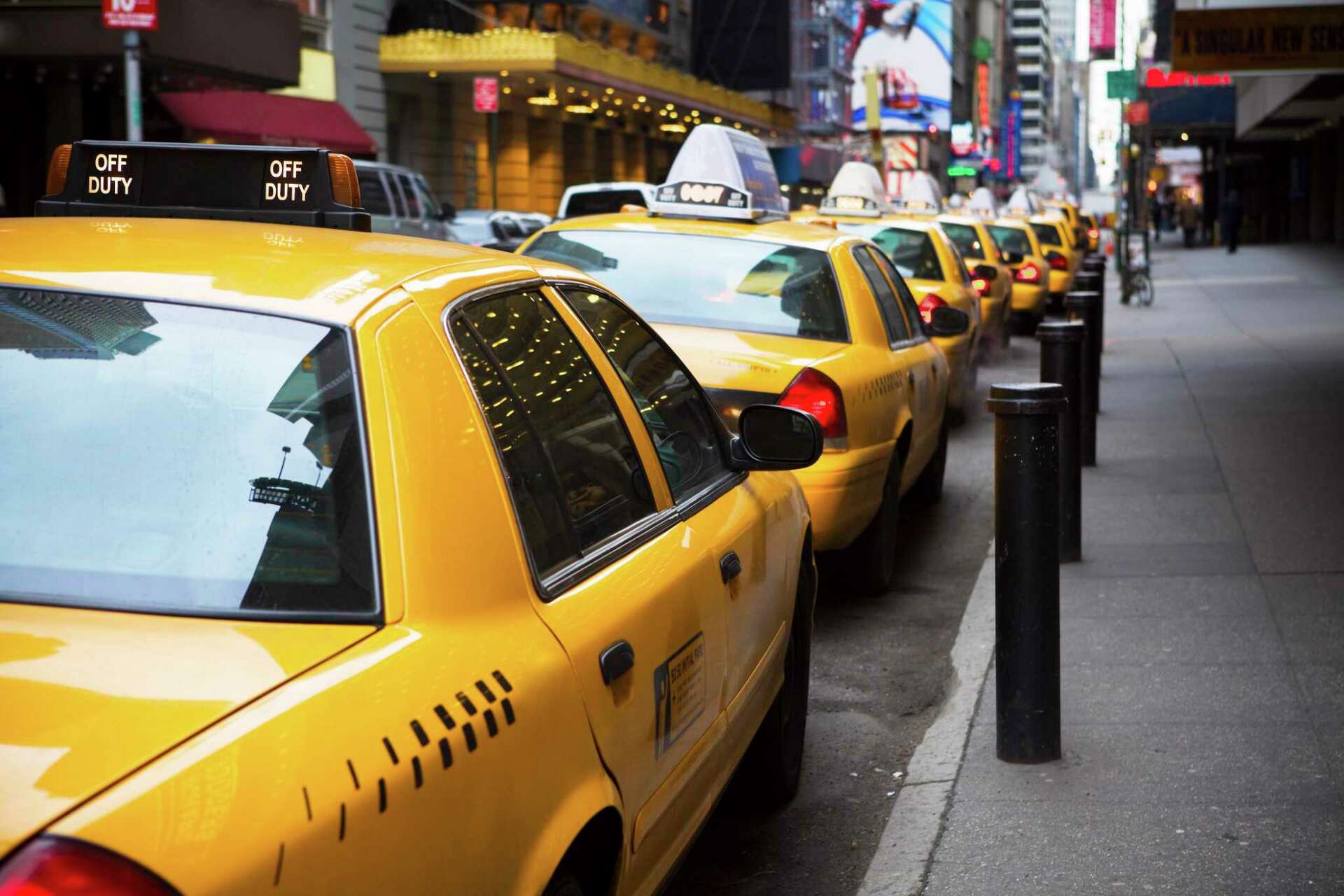
The adage “time is money” holds particularly true for New York cab drivers. The more hours a driver spends on the road, the greater their potential to earn. However, not all hours are created equal. Driving during peak demand periods, such as morning and evening commutes, weekend nights, and during major events or holidays in New York City, generally yields higher earnings due to increased passenger volume. Drivers who are willing to work longer shifts, split shifts, or during less conventional hours (late nights, early mornings) can capitalize on these high-demand periods. Conversely, drivers who opt for shorter shifts or drive primarily during off-peak hours will likely see lower overall earnings. The strategy of working during periods when demand outstrips supply is a fundamental aspect of maximizing income in this profession.
Location and Passenger Density
New York City is a vast metropolis, and the location where a cab driver spends their shift can drastically influence their earnings. High-traffic areas, such as tourist hotspots like Times Square, major transportation hubs like Grand Central Terminal or Penn Station, and bustling business districts like Midtown Manhattan, typically offer a higher density of potential passengers. However, these areas also come with increased competition from other taxis, ride-sharing services, and public transportation options like the New York City Subway. Drivers often develop an intimate knowledge of the city, learning to anticipate where passengers are likely to be and when. Strategic positioning near hotels like the Plaza Hotel or popular attractions such as the Empire State Building can be lucrative. Conversely, spending too much time in less populated areas or residential neighborhoods during off-peak hours can lead to extended periods without fares.
The Impact of Ride-Sharing Services and Competition
The advent and proliferation of ride-sharing platforms like Uber and Lyft have undeniably reshaped the competitive landscape for traditional New York City taxi drivers. These services offer a different model of convenience and, at times, pricing, which has directly impacted the demand for yellow cabs. Drivers in New York have had to adapt to this increased competition, often by focusing on their strengths, such as accessibility via taxi stands, the familiarity and regulation of yellow cabs, and the direct availability without pre-booking through an app. The medallion system, once a symbol of exclusivity, has also faced significant challenges due to the influx of ride-sharing vehicles. While the regulatory frameworks differ, the competition for street hails and pre-booked rides is a constant factor that influences a driver’s ability to secure fares and, consequently, their earnings.
The Lifestyle of a New York Cab Driver
The profession of a New York City cab driver entails more than just driving; it’s a lifestyle that demands resilience, adaptability, and a deep understanding of the city’s rhythm. The financial rewards are often a direct reflection of the commitment and sacrifices made.
Flexibility and Independence
One of the primary draws of being a New York cab driver is the potential for flexibility and independence. Unlike a traditional 9-to-5 job, drivers often have the autonomy to set their own hours and choose when and where they work. This can be particularly appealing to individuals who prefer a non-traditional work schedule, have family responsibilities that require flexible timing, or simply enjoy the freedom of being their own boss on the road. This independence allows drivers to chase lucrative periods and take breaks when needed. However, this freedom comes with the responsibility of managing one’s own income, expenses, and work-life balance, which can be challenging.
The Demands of the Job: Physical and Mental Toll
Driving a taxi in New York City is a demanding profession, both physically and mentally. Drivers spend long hours sitting, often navigating through heavy traffic and dealing with the unpredictable nature of the city. The constant stop-and-go driving can be physically taxing, and the need to remain alert and focused for extended periods requires significant mental stamina. Dealing with diverse passenger personalities, from the polite and appreciative to the demanding or even aggressive, requires a high degree of patience and interpersonal skill. Furthermore, the pressure to earn enough to cover expenses and make a living can lead to stress and burnout. The urban environment itself, with its constant noise, congestion, and potential hazards, adds to the overall demands of the job.

Career Trajectory and Future Outlook
The career trajectory for New York City cab drivers can vary. Some drivers may pursue this profession as a long-term career, developing expertise and a loyal customer base. Others may view it as a stepping stone to other opportunities or a way to earn income while pursuing other goals. The future of the taxi industry in New York is constantly evolving, with ongoing discussions about regulation, technology, and the integration of different transportation services. While the challenges posed by ride-sharing and potential future innovations are real, the enduring need for accessible, regulated public transportation ensures a continued, albeit dynamic, role for New York cab drivers. For those who embrace the hustle, possess a strong work ethic, and are adept at navigating the complexities of the city and its market, a viable income can be achieved.
LifeOutOfTheBox is a participant in the Amazon Services LLC Associates Program, an affiliate advertising program designed to provide a means for sites to earn advertising fees by advertising and linking to Amazon.com. Amazon, the Amazon logo, AmazonSupply, and the AmazonSupply logo are trademarks of Amazon.com, Inc. or its affiliates. As an Amazon Associate we earn affiliate commissions from qualifying purchases.