
The allure of driving for a rideshare company like Uber in New York City is multifaceted. For many, it offers the flexibility of setting one’s own hours, the independence of being your own boss, and the opportunity to earn a living while navigating one of the world’s most vibrant metropolises. However, beneath the surface of this appealing proposition lies a complex financial reality. Understanding the true earning potential of a New York Uber driver requires a deep dive into various factors that influence take-home pay, from hourly rates and surge pricing to expenses and the ever-evolving landscape of the gig economy.

The Earning Spectrum: Factors Influencing Driver Income
The headline figure of what an Uber driver “makes” is often misleading. It’s crucial to distinguish between gross earnings and net income. Gross earnings represent the total amount collected from fares before any deductions, while net income is what remains after accounting for all operational costs and taxes. Several key variables dictate where an individual driver falls on this earning spectrum.
Base Fares and Dynamic Pricing
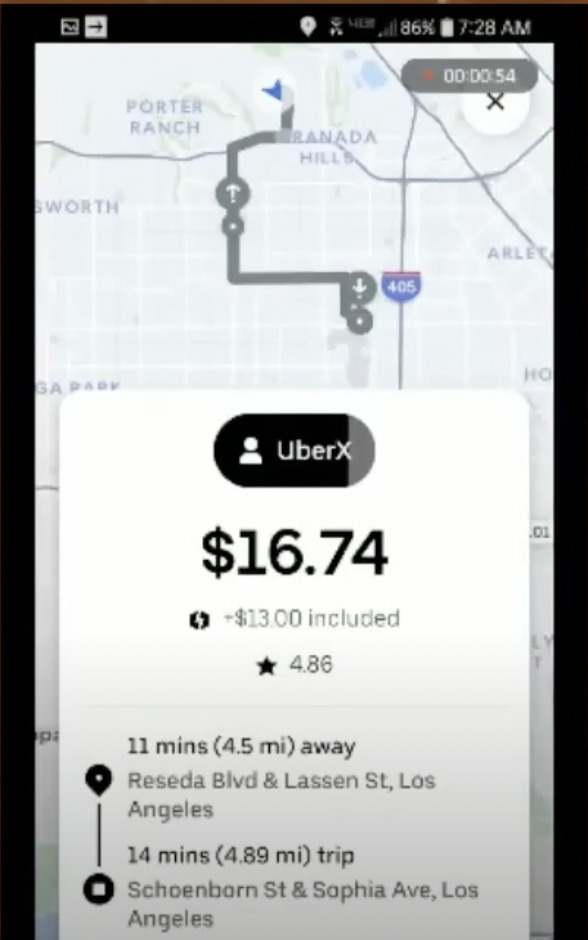
At the core of a driver’s earnings are the base fares set by Uber. These fares are typically calculated based on a combination of time and distance traveled. However, in a city as dynamic as New York City, the real income booster, and sometimes detractor, is dynamic pricing, commonly known as surge pricing. Surge multipliers are implemented when demand for rides exceeds the available supply of drivers. During peak hours, major events, or adverse weather conditions, these multipliers can significantly amplify the standard fare. For instance, a ride that might typically cost $20 could surge to $40 or more. Savvy drivers often strategically position themselves in areas and at times where surge pricing is most prevalent, effectively maximizing their earnings per trip. Conversely, driving during periods of low demand without surge pricing can result in significantly lower hourly rates.
Time and Efficiency: The Art of the Ride
The amount of time a driver dedicates to working directly correlates with their potential earnings. However, simply logging hours is not enough. Efficiency plays a critical role. This includes minimizing downtime between rides, choosing optimal routes to avoid traffic congestion, and understanding the most profitable zones within the city. New York City presents a unique challenge with its intricate street grid and often-paralyzing traffic. Experienced drivers develop an intimate knowledge of the city’s arteries, knowing when to take the FDR Drive, when to brave the Lincoln Tunnel, or when to stick to surface streets. The ability to quickly accept and complete rides, coupled with strategic navigation, directly translates to more completed trips and, therefore, higher gross earnings. Some drivers aim for specific hourly targets, while others focus on daily or weekly earning goals, adapting their strategies based on market conditions and personal commitments.
The Hidden Costs: Understanding Driver Expenses
While gross earnings paint an optimistic picture, a realistic assessment of an Uber driver’s income must account for the significant operational expenses associated with being an independent contractor in the rideshare industry. These costs can substantially erode the gross figures, turning seemingly high hourly earnings into a much more modest net income.
Vehicle Depreciation and Maintenance
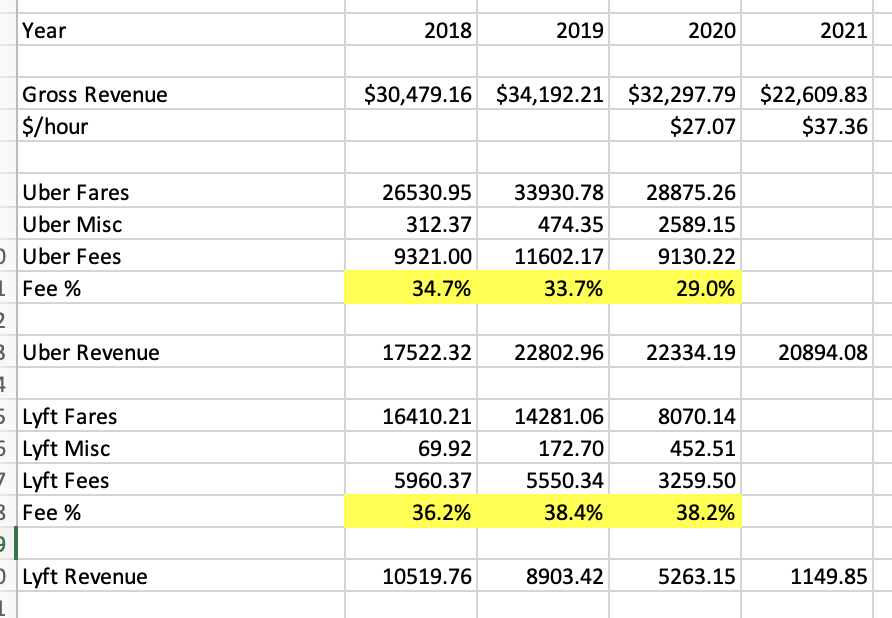
The most substantial recurring expense for most Uber drivers is the wear and tear on their vehicle. Every mile driven contributes to depreciation, gradually reducing the car’s resale value. Beyond depreciation, regular maintenance is non-negotiable. This includes oil changes, tire rotations, brake replacements, and unforeseen repairs that can arise from the constant stop-and-go nature of city driving. Many drivers choose to lease or finance vehicles specifically for rideshare work, adding monthly payments to their expense ledger. Insurance is another significant cost, as standard personal auto insurance policies often do not cover commercial rideshare activities, necessitating specialized and typically more expensive commercial insurance.
Fuel, Tolls, and Parking
Operating a vehicle in New York City is inherently costly. Fuel is a constant expenditure, fluctuating with market prices. Driving in New York City also means encountering numerous toll roads and bridges, such as the George Washington Bridge or the Queens-Midtown Tunnel, which add up quickly over the course of a workday. Parking, especially for drivers needing to take breaks or wait for rides, can also be a considerable expense, particularly in Manhattan. Many drivers try to minimize these costs by planning their routes efficiently and utilizing parking options outside of the most expensive zones.
Platform Fees and Taxes
Uber takes a commission from each fare, which varies but is a direct reduction from the driver’s gross earnings. As independent contractors, drivers are also responsible for their own taxes. This includes federal and state income taxes, as well as self-employment taxes (Social Security and Medicare). Many drivers set aside a percentage of their earnings to cover these tax obligations, and failure to do so can lead to significant financial penalties. Furthermore, drivers may incur costs for Wi-Fi, phone data, and cleaning supplies to maintain a comfortable and presentable vehicle for passengers.
Maximizing Net Income: Strategies for Success
For drivers aiming to achieve a sustainable and profitable income, strategic planning and operational efficiency are paramount. It’s not just about driving; it’s about managing a small business on wheels.
Understanding Peak Hours and Demand Hotspots
The most effective way to increase earnings is to work during times and in areas where demand is highest. This often means driving during rush hour commutes (morning and evening), late nights on weekends, and during major events, such as concerts at Madison Square Garden or sporting events at Yankee Stadium. Certain neighborhoods in New York City consistently see higher demand, such as tourist-heavy areas like Times Square, financial districts, and popular nightlife hubs. By analyzing ride data and understanding traffic patterns, drivers can position themselves to capitalize on surge pricing and secure more fares. Some drivers utilize third-party apps that track surge pricing in real-time, allowing them to make informed decisions about where to drive next.
Diversifying Income Streams and Efficient Scheduling
While driving for Uber is the primary focus, many drivers explore ways to supplement their income. This might involve driving for other rideshare platforms during different times of the day or week to take advantage of their specific surge patterns or promotions. Some drivers also use their vehicles for food delivery services when rideshare demand is low. Efficient scheduling is also key. Instead of simply driving aimlessly, experienced drivers often have a planned approach to their workday, setting realistic earning goals and adjusting their strategy based on the progress made. This might involve working split shifts, taking breaks during slow periods, and focusing on high-earning periods. Ultimately, success as a New York Uber driver hinges on a proactive, analytical, and disciplined approach to both driving and business management.
LifeOutOfTheBox is a participant in the Amazon Services LLC Associates Program, an affiliate advertising program designed to provide a means for sites to earn advertising fees by advertising and linking to Amazon.com. Amazon, the Amazon logo, AmazonSupply, and the AmazonSupply logo are trademarks of Amazon.com, Inc. or its affiliates. As an Amazon Associate we earn affiliate commissions from qualifying purchases.